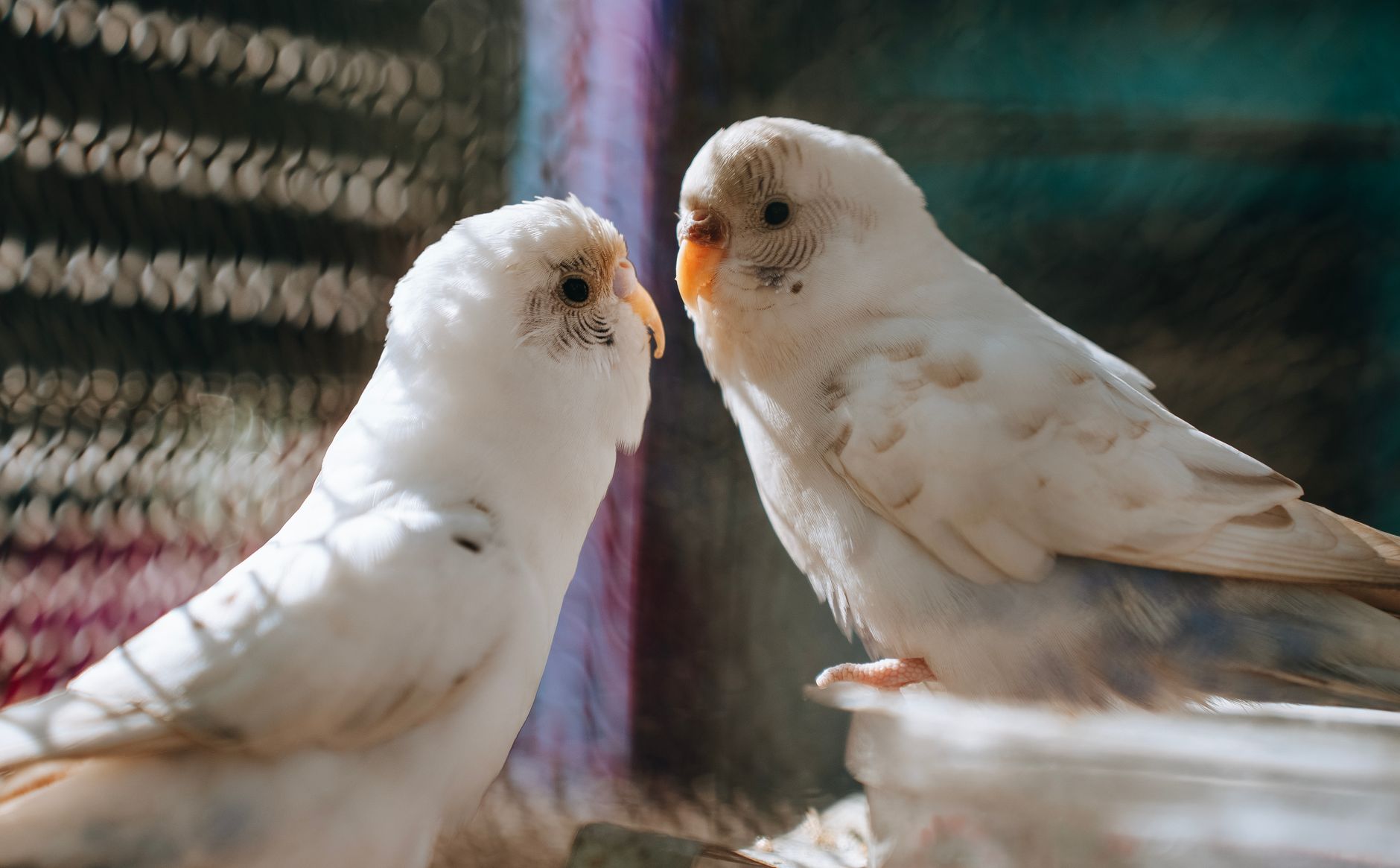
I remember the day I brought home my first parakeet, a bright green male I named Kiwi. I thought I had everything ready — a small cage, a bag of seeds, and a cuttlebone. Within a week, I realized how wrong I was. Parakeets (also called budgies) are often sold as “starter pets,” but they require a surprising amount of specific care. Their lifespan averages 7–12 years, and with proper nutrition and enrichment, some live up to 15. The upfront cost for a decent setup runs between $150 and $400, not including the bird itself ($15–$40 from a breeder or rescue). That’s not cheap, but it’s worth it when you see a happy, healthy bird. In this guide, I’ll walk you through every detail I wish I’d known from day one — cage dimensions, diet specifics, vet costs, and the daily time commitment. No fluff, just what works.
Choosing the Right Cage: Size, Bar Spacing, and Material
Your parakeet’s cage is its home for the majority of its life, so skimping here is a mistake I see all the time. The absolute minimum for a single budgie is 18 inches long by 18 inches wide by 24 inches tall. That’s the size of the Prevue Hendryx F050 model, which retails around $60–$80. However, I strongly recommend going bigger. I currently use the A&E Cage Company 30x18x18-inch flight cage (about $110 on Chewy), and my bird uses every inch of it. For two parakeets, double that — at least 30x18x24 inches.
Bar spacing is critical. Anything wider than 1/2 inch (12.7 mm) and your bird can get its head stuck or escape. The Yaheetech 32-inch cage has 0.4-inch spacing and costs around $90, making it a solid budget option. Bar thickness matters too: 2–3 mm thick wire prevents bending and chewing. Avoid cages with painted or plastic bars — stainless steel or powder-coated metal is safest. Also, check the tray depth: at least 2 inches to contain mess. I use the Prevue Hendryx F070, which has a 2.5-inch deep tray and costs $85. It’s sturdy, but the door latch is flimsy — I replaced it with a small padlock after my bird learned to open it.
One more thing: the shape. Round cages are sold at pet stores but they’re terrible for birds. Parakeets need corners to feel secure and to exercise their wings. Always choose a rectangular or square cage. I learned this the hard way when Kiwi refused to go near the back of a round cage I tried. He was stressed for weeks until I switched to a rectangular one.
Cage Setup: Perches, Toys, and Food Stations
Inside the cage, you need perches of varying diameters (1/2 to 1 inch) to prevent foot problems. Natural wood perches like manzanita or dragonwood are best — I buy the JW Pet Insight Perch Set (three sizes, $12 for a pack). Avoid sandpaper perches; they cause foot sores. Place perches at different heights, but not directly over food bowls to prevent droppings contamination. I have two perches near the top for sleeping and one lower near the food station.
Toys are not optional. Parakeets are intelligent and need mental stimulation. I rotate three types: shreddable toys (like the Planet Pleasures Bird Kabob, $8, made of yucca and palm), foraging toys (Super Bird Creations Foraging Wheel, $15, where I hide millet), and a simple bell toy (JW Pet Hol-ee Roller, $6). Avoid toys with cotton ropes or loose threads — they can cause crop impaction. I check all toys weekly for wear and replace any with frayed parts.
Food bowls should be stainless steel — plastic harbors bacteria. I use the Lixit Quick Lock Crocks (two for $10), which attach securely to the cage bars. Water bottles are optional; I prefer a bowl because it’s easier to clean and encourages natural bathing. But if you use a bottle, the Lixit Glass Water Bottle (8 oz, $9) is reliable. Clean bowls daily with hot water and a scrub brush — no soap residue. I also place a cuttlebone (two for $4 at Petco) and a mineral block (Hagen Mineral Block, $5) for calcium and beak maintenance.
Diet and Nutrition: Beyond the Seed Mix
Most pet store seed mixes are like feeding your bird a diet of french fries — high in fat and low in essential nutrients. A seed-only diet leads to obesity, fatty liver disease, and a shortened lifespan. I transitioned Kiwi to a pellet-based diet over two weeks: 75% seeds, 25% pellets the first week, then 50/50, then 75/25, then full pellets. High-quality pellet brands include Harrison’s Adult Lifetime Fine ($18 for a 3-lb bag), Roudybush Daily Maintenance ($14 for 2 lbs), and Zupreem Natural ($12 for 2 lbs). Avoid colored pellets with added sugar.
Fresh vegetables should make up 20–30% of daily intake. Good options: dark leafy greens (kale, spinach, romaine), carrots (shredded), broccoli florets, and bell peppers. I give Kiwi a small bowl of chopped veggies every morning. Fruits like apple (no seeds), banana, and blueberries are fine once or twice a week. Never feed avocado, chocolate, caffeine, onion, garlic, or rhubarb — they’re toxic. Also avoid dried fruit with added sulfur dioxide.
Water must be changed daily, even if it looks clean. I use filtered tap water (no fluoride) in a stainless steel bowl. Additionally, offer a separate dish for bathing — parakeets love to splash. I use a shallow ceramic dish (like the Prevue Pet Products Small Animal Dish, $7) filled with lukewarm water twice a week. Kiwi’s feathers look shiny and he preens happily afterward.
Health and Veterinary Care: The Hidden Costs
Parakeets are masters at hiding illness — it’s a survival instinct. By the time you notice fluffed feathers, tail bobbing, or decreased appetite, the bird is often very sick. I take Kiwi to an avian vet for an annual checkup, which costs $60–$100 for the exam alone. Blood work (CBC and chemistry) adds another $80–$150. A fecal test for parasites is $30. I budget about $250 per year for routine care.
Common health issues include respiratory infections (often from drafts or Teflon fumes), psittacosis (a bacterial disease that can spread to humans), and fatty liver disease from poor diet. Symptoms to watch: sneezing, discharge from nares, changes in droppings, or sitting at the bottom of the cage. If you see any of these, see a vet immediately — waiting 24 hours can be fatal. I once ignored Kiwi’s sneezing for two days, and he ended up needing antibiotics and a nebulizer treatment ($180 total).
Grooming is mostly DIY. Nail trimming: I use a small animal nail clipper (JW Pet Grip Soft Clipper, $10) and have styptic powder (Kwik-Stop, $6) on hand in case I cut too short. Wing clipping is optional but recommended for safety in a home with open doors or ceiling fans. I have a vet do it — costs $15–$25 per session. Never clip both wings; leave a few primary feathers on one side so the bird can glide safely to the floor.
Socialization and Training: Building Trust
Parakeets are flock animals and need daily interaction. I spend at least one hour per day outside the cage with Kiwi, plus another 30 minutes of direct training. Step-up training is the foundation: place your finger just above the bird’s feet and gently press against its belly. Say “step up” and reward with a tiny piece of millet (about 1/4 inch). Kiwi learned this in two weeks, but it took patience — he bit me several times at first. Never yell or jerk away; that reinforces fear.
Talking ability varies. Males are generally better talkers than females. Kiwi says “pretty bird” and “hello” and mimics the microwave beep. To encourage talking, repeat simple words in a high-pitched, enthusiastic voice. I spent 10 minutes each morning saying “good morning” while he was on my shoulder. Some birds never talk, and that’s fine — bonding is more important. If you work long hours, consider getting a second parakeet. A second bird doubles the cage size requirement and food costs (about $20 more per month), but they keep each other company. I introduced a female named Mango last year, and Kiwi’s stress levels dropped significantly.
One mistake to avoid: forcing handling. Let the bird come to you. I placed Kiwi’s cage in a high-traffic area (but not the kitchen) so he got used to my presence. After a week, I opened the cage door and sat nearby reading aloud. A week later, he stepped onto my hand for the first time. The whole process took about three weeks.
Behavior and Enrichment: Keeping a Happy Bird
Happy parakeets show specific behaviors: head bobbing (often while chirping), beak grinding (a sign of contentment, like a cat purring), and regurgitation (a bonding gesture, not vomiting). They also love to explore. I set up a play gym outside the cage — the Super Bird Creations Playstand (about $40) has ladders, perches, and toy hooks. I rotate toys weekly to prevent boredom. Foraging is especially enriching: I hide millet inside a crumpled paper ball or a cardboard tube (empty toilet paper roll, no glue).
Mirrors are controversial. Some birds become obsessed with their reflection, leading to hormonal behavior and feather plucking. I tried a small mirror toy once, and Kiwi ignored his food for two days trying to “feed” the reflection. I removed it immediately. If you use a mirror, limit access to 30 minutes per day supervised. Music and TV also provide enrichment — Kiwi chirps along to classical piano, but heavy metal stresses him out. I also play nature sounds (rainforest, birdsong) at low volume during the day.
Exercise needs: at least 2–3 hours of out-of-cage time daily for a single bird. I let Kiwi fly in a bird-proofed room (windows covered, ceiling fan off, no other pets). He flies about 10–15 minutes per session, then perches on my shoulder. Without enough exercise, parakeets become obese and develop respiratory issues.
Common Mistakes to Avoid
I’ve made most of these errors myself. First, placing the cage in a drafty area or near a window with direct sun. Parakeets are sensitive to temperature swings — keep the cage in a room that stays between 65–75°F, away from air vents and doors. Second, using non-stick cookware. Teflon and other PTFE coatings release fumes that are lethal to birds within minutes. I switched all my pans to stainless steel and cast iron. Third, letting the bird out unsupervised. I once left Kiwi on top of his cage while I answered the phone, and he chewed through a lamp cord. He was fine, but I now watch him like a hawk.
Fourth, improper sleeping schedule. Parakeets need 10–12 hours of uninterrupted darkness per night. I cover Kiwi’s cage with a breathable cotton cover (the Prevue Pet Products Cage Cover, $15) from 8 PM to 7 AM. Fifth, not quarantining a new bird. When I brought Mango home, I kept her in a separate room for 30 days with her own supplies to ensure she wasn’t sick. This is crucial to prevent spreading diseases like psittacosis or giardia. Sixth, ignoring signs of boredom. If your bird is screaming excessively or plucking feathers, it’s not “just being naughty” — it’s a cry for help. Add more toys, more out-of-cage time, or consider a companion.
Frequently Asked Questions
How long do parakeets live as pets?
With proper care, parakeets live 7–12 years on average. Some reach 15–18 years. The key factors are diet (pellet-based with fresh vegetables), regular vet checkups, and a stress-free environment. A seed-only diet can cut lifespan to 3–5 years due to fatty liver disease. I’ve had Kiwi for 8 years, and he’s still active and healthy.
Can parakeets learn to talk?
Yes, especially males. Females can learn a few words but are less vocal. Start with simple words like “hello” or the bird’s name, repeated in a high-pitched, enthusiastic voice. Training sessions of 10 minutes twice daily work best. Kiwi learned “pretty bird” in about three weeks. Not all birds will talk, and that’s normal — bonding and trust matter more than vocabulary.
What size cage does a parakeet need?
Minimum 18x18x24 inches for one bird, but bigger is always better. Bar spacing must be 1/2 inch or less. For two parakeets, go with at least 30x18x24 inches. I recommend the A&E Cage Company 30x18x18 flight cage ($110) or the Prevue Hendryx F050 ($80) for a single bird. Avoid round cages entirely.
Do parakeets need a companion?
Parakeets are highly social and thrive with a same-species companion. If you can spend at least 2–3 hours per day interacting with your bird, a single parakeet can be happy. If you work long hours, get a second bird. Introduce them slowly over 30 days in separate cages. Two birds double the cage size and food costs (about $20 more per month), but they keep each other company and reduce screaming.
What should I feed my parakeet besides seeds?
A high-quality pellet should form the base of the diet (Harrison’s, Roudybush, or Zupreem Natural). Offer fresh vegetables daily: kale, spinach, carrots, broccoli, bell peppers. Fruits twice a week: apple (no seeds), banana, blueberries. Avoid avocado, chocolate, caffeine, onion, garlic, and rhubarb. Provide a cut
Related from our network
For the Love of Your Pet
Care guides, breed insights, and gentle advice for happier pets.