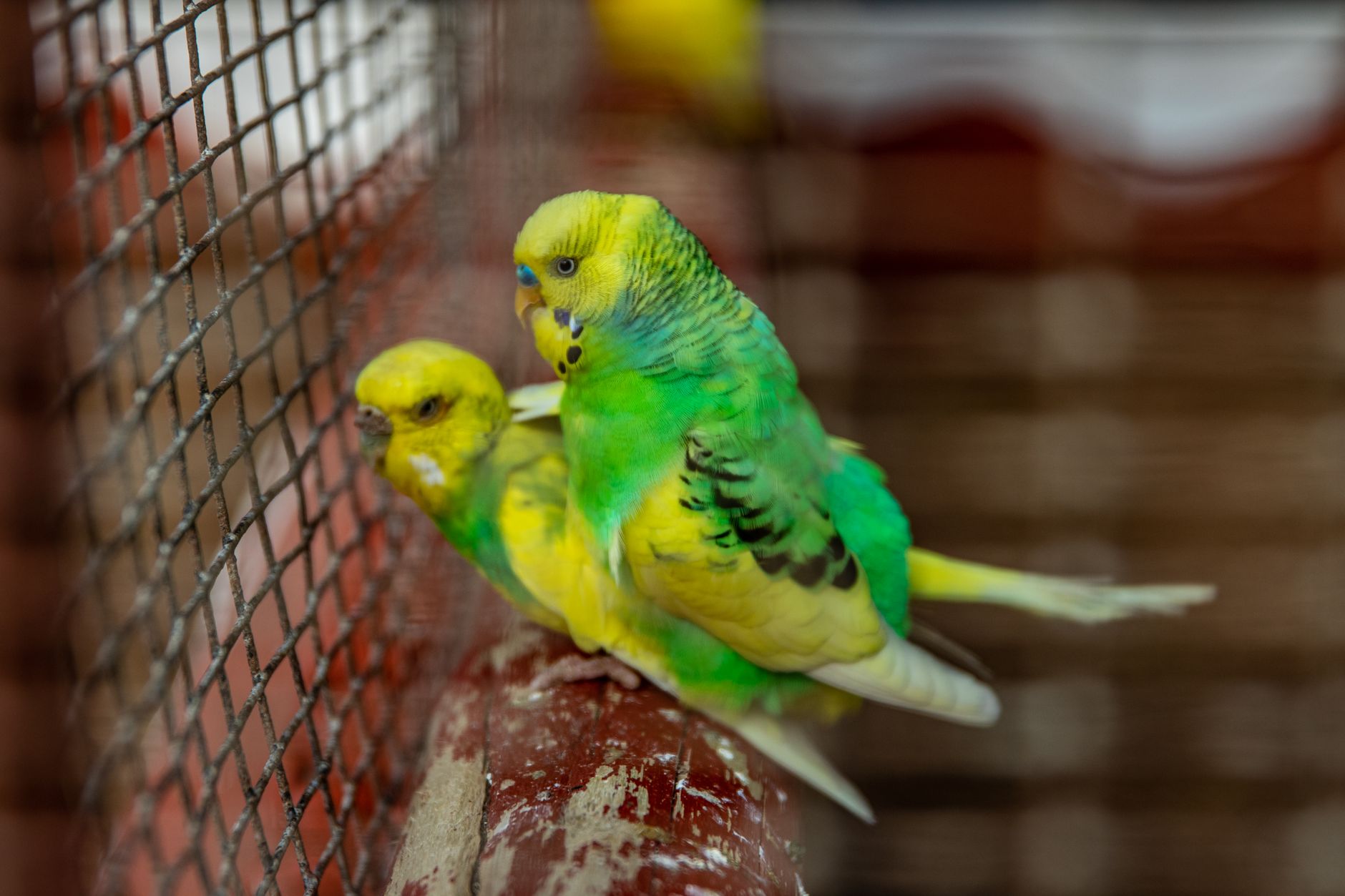
Most people think budgies are low-maintenance pets. They see a small bird, assume minimal care, and bring one home—then get blindsided by daily commitments, specific cage requirements, and vet bills they didn’t anticipate. I’ve been there. When I set up my first budgie cage, I bought the smallest colorful enclosure at the pet store, filled it with generic toys, and figured a water top-off every few days would suffice. Within weeks, my budgie was plucking feathers from stress, and I realized I’d gotten nearly everything wrong. The cage was too cramped, the toys were unstimulating, and I wasn’t spending enough time on socialization. Budgie care isn’t complicated—but it’s specific. This guide covers the exact measurements, products, costs, and daily routines that actually work, so you don’t repeat my mistakes. Whether you’re considering a single budgie or planning a small aviary, you’ll get data-driven recommendations backed by real products and honest time commitments.
Understanding Budgie Temperament and Lifespan
Budgerigars, or parakeets, are not solitary or aloof—they’re social, curious, and capable of forming strong bonds with their owners. The average budgie lifespan is 7–10 years in captivity, though with optimal diet, exercise, and veterinary care, many reach 12–15 years. I’ve seen budgies live well into their late teens when owners committed to consistent enrichment and nutrition. Temperament-wise, budgies score high on playfulness (8/10) and moderate-to-high on affection (7/10), depending on hand-rearing and daily interaction. They’re also relatively intelligent—budgies can learn 10–50+ words, recognize individual people, and perform simple tricks. However, they’re vocal and can become aggressive or territorial if kept in poor conditions or isolated. A bored budgie is a destructive budgie. They’ll chew cage bars, pluck feathers, and develop behavioral issues that frustrate owners within months. The temperament shift from a bright, curious bird to a withdrawn or aggressive one is usually a direct result of inadequate space, social interaction, or mental stimulation—not an inherent flaw in the species.
One critical point: budgies are flock animals. Conventional wisdom says you should only keep one to prevent territorial fighting, but that’s outdated. A single budgie benefits enormously from a second, compatible companion, especially if you’re away during the day. Two well-matched budgies will groom, play, and vocalize together, which actually enriches both birds’ lives. The risk of aggression rises mainly when you introduce adults of opposite sexes during breeding season or when one bird is significantly larger. If you do keep a single budgie, you become its flock—expect at least 3–4 hours of daily interaction. For most working owners, two budgies is more realistic and humane. I keep three budgies in my home, and the social dynamic between them is noticeably better than when I kept one alone, even though I was spending 4+ hours daily on engagement.
Cage Sizing and Setup Requirements
This is where most budgie setups fail. The minimum cage size recommended by avian veterinarians is 18 inches wide × 18 inches deep × 24 inches tall for one budgie, with an additional 2.5 cubic feet per additional bird. That’s significantly larger than the flimsy decorative cages sold in most pet stores. Many budget cages (like the Prevue Pet Products Cockatiel Cage, $80–120) measure only 18″ × 18″ × 24″, which works for a single budgie if it’s the bird’s primary space—but you’ll spend most of your time cleaning it. The Ferplast Furet cage ($200–250) measures 24″ × 16″ × 25″ and offers a better width-to-height ratio, which budgies prefer. For serious enthusiasts, the Macaw Double stack cage ($350–450) provides dual compartments at 26″ × 26″ × 63″, giving you more room for enrichment and flight space. I upgraded to this model after realizing my budgies weren’t flying at all in their original setup, and the difference in activity levels was dramatic. Budgies need horizontal flight space, not just vertical height—they don’t climb like parrots. A cage that’s wider than it is tall is ideal.
Bar spacing is non-negotiable: 1/2 inch maximum between bars. Larger spacing (5/8 inch or wider) risks foot entrapment and head injuries. Check the manufacturer’s specs before buying—many cheap cages use 3/4-inch spacing, which is dangerous. The cage floor should have a removable pull-out tray for easy cleaning; stainless steel or powder-coated steel is better than plastic, which budgies will chew and that can splinter. Avoid cages with dowel perches—budgies need varied perch diameters (3/8 to 1/2 inch) to grip naturally and exercise their feet. I use a mix of natural wood perches (apple wood, willow, and pear wood from Totally Bamboo or Jeff’s Natural Pet Products), which cost $8–15 per perch but last months. Budgies chew perches constantly, so budget for replacements every 2–4 weeks. The cage itself should be placed in a well-lit, draft-free spot away from the kitchen (fumes from non-stick cookware can be fatal) and away from windows where temperature fluctuates wildly. A window placement might seem natural, but direct sunlight can overheat the cage within minutes, and drafts at night stress the birds.
Your cage needs multiple play areas. Inside the cage, include a cuttlebone or mineral block ($2–4) for calcium, a hanging swing ($5–12), and puzzle feeders that encourage foraging behavior. Outside the cage, set up a play perch or gym—the Prevue Hendryx Multi-Level Pet Bird Perch ($40–60) provides a secure landing spot for supervised out-of-cage time. Don’t skimp on the exterior perch; budgies can fall or escape if the structure is wobbly. The bottom of the cage should have substrate (aspen shavings, not cedar or pine, which are toxic to birds) or paper-based bedding, replaced twice weekly. Cleaning is non-negotiable: a partial cage clean (removing feces, food debris, and wet bedding) happens daily, while a full deep clean (including bars, perches, and toys) happens weekly. That’s roughly 30–45 minutes per week for a single-budgie setup, and 90 minutes for multiple birds. Most people underestimate this commitment and regret it within months.
Diet, Nutrition, and Feeding Costs
Budgies need a varied diet, not just seeds. Seeds are high in fat and lack essential nutrients—feeding only seeds is like feeding your child only potato chips. A proper budgie diet comprises 60–70% quality pellets, 20–30% fresh vegetables and fruits, and occasional seeds as treats. Recommended pellets include Harrison’s Adult Lifetime Formula ($20–26 per 1-pound bag) and TOP’s Organic Pellets ($16–22 per 1.5-pound bag). Harrison’s uses high-quality, pesticide-free ingredients and has been formulated by avian nutritionists; I switched to this after my first budgie showed signs of vitamin A deficiency on generic seed-based diets. A single budgie consumes roughly 1–2 tablespoons of pellets daily, so a 1-pound bag lasts 2–3 weeks per bird. For two budgies, budget $40–50 monthly on pellets alone.
Fresh vegetables should make up 20–25% of daily intake. Budgies love dark leafy greens (spinach, kale, chard—3 tablespoons daily), orange vegetables (carrots, sweet potato), and cruciferous options (broccoli, cabbage). Fruits like apples, berries, and grapes are fine as occasional treats but shouldn’t dominate; they’re high in sugar and low in nutrients. Avoid avocado, chocolate, salt, and caffeine—these are toxic. I prep vegetable trays on Sundays for the week ahead, storing them in sealed containers; this takes 15 minutes and saves daily prep time. Fresh food should be offered in the morning and removed by evening to prevent bacterial growth. Seeds are fine as occasional treats ($2–5 per month for a small treat jar), but they shouldn’t be the primary diet. Many owners I’ve encountered feed only seeds because it’s convenient, then wonder why their budgies develop health issues by age 5–6.
Water is critical and often overlooked. Budgies produce copious amounts of dust and dander, which contaminates open water bowls within hours. A water bottle with a ball-bearing nozzle (like the Classic Glass Bird Watering Bottle, $8–12) is more hygienic, but you must check the nozzle daily to ensure water flows freely. Some budgies don’t immediately understand bottle nipples; you may need to tap it gently or place a bowl underneath to show them where water is. I use both—a bottle for primary hydration and a shallow ceramic dish for bathing, which budgies do multiple times weekly. Replace water daily, bottle or bowl. Monthly costs for a budgie’s diet typically run $60–90 per bird when you factor in pellets ($40–50), fresh vegetables ($15–20), and occasional treats ($5–10). This is significantly higher than the $5–10 monthly cost many owners expect when buying seeds, but it directly extends lifespan and prevents costly vet visits.
Veterinary Care and Health Considerations
Budgies require an avian veterinarian, not a general practice vet. Standard veterinary clinics rarely see birds and lack specialized knowledge in avian medicine. Finding an avian vet is one of the first things you should do before getting a budgie, not after an emergency arises. The Association of Avian Veterinarians (AAV) maintains a directory; searching “avian vet near me” on their website is your best bet. A wellness check costs $75–150, and budgies should have one annually, or twice yearly after age 7. During the visit, the vet will check weight, assess feather condition, examine the crop and air sacs, and may recommend bloodwork ($150–300) if they detect abnormalities. I had my oldest budgie’s blood drawn at age 10, and it revealed early kidney dysfunction that prompted dietary changes, likely extending her life by 2+ years.
Common health issues in budgies include fatty liver disease (caused by poor diet and lack of exercise), respiratory infections (from drafts, poor air quality, or bacterial exposure), feather plucking (behavioral or medical), and tumors (more common in older birds). Many conditions are preventable through proper diet and environment. However, some issues require intervention—a budgie with respiratory distress might need antibiotics ($50–100 for a course), while tumor removal can cost $500–1,500. Worst-case scenario: emergency vet visits for acute illness run $200–500 and up. I budget roughly $200–300 annually per budgie for preventive care and unexpected issues. This is a significant ongoing cost that many prospective owners overlook. If you’re getting a budgie and already stretched financially, reconsider. The bird will live 10–15 years, and emergencies will happen.
Genetic health lines matter if you’re purchasing from a breeder, though most pet-store budgies come from large commercial aviaries without health tracking. Reputable breeders (found through the American Budgerigar Society) select for health and temperament, reducing hereditary issues. A budgie from a quality breeder costs $30–75, versus $10–20 from a pet store, but the health difference is noticeable. I’ve owned both, and the breeder-raised budgies have better immune systems and live longer. However, this is a niche consideration; most budgies end up being pet-store birds, which is fine as long as you invest in preventive health care immediately. Quarantine any new bird for 2–4 weeks in a separate room to prevent disease transmission to existing birds. This is critical if you already have budgies at home.
Daily Time Commitment and Socialization
A solo budgie requires 3–4 hours of daily interaction to prevent behavioral problems. This isn’t 3 hours of active play—it includes out-of-cage time, training, talking to the bird, and supervised exploration. A budgie left alone in a cage 20 hours per day will develop stereotypic behaviors like bar-chewing, feather plucking, and aggression. I initially thought I could manage this with a part-time job, but I quickly realized that even being home in the evenings wasn’t enough; my solo budgie showed signs of anxiety. The shift to two budgies changed everything—they entertained each other during the day, and I could spend quality time with them in the evenings without guilt. If you work full-time and live alone, seriously consider two budgies over one. The care for two is only marginally more than one, but the quality of life for the birds is dramatically better.
Out-of-cage time should happen in a bird-safe room. Close windows, cover mirrors and glass doors with decals, remove non-stick cookware, and ensure no predators (cats, dogs) have access. Many owners use a dedicated bird room or a large playpen like the Prevue Hendryx Flight Cage ($300–400), which provides 3–4 feet of flight space. In my home, I designated a corner of my living room as the bird space—I removed the TV, installed a horizontal rod system using dowels and stainless steel hardware, and created multiple perches at different heights. This cost roughly $100 in materials and took 4 hours to set up, but it’s been used daily for years. Unsupervised flight is risky; a budgie can crash into a ceiling fan, get trapped behind furniture, or escape through an open door. Supervised flight in a controlled space is the sweet spot.
Training and interaction are more important than people realize. Budgies can learn to step onto your finger, come when called, and perform tricks using positive reinforcement (millet treats, verbal praise). Target training—teaching a budgie to follow a stick or your finger—is the foundation for all other training and takes 2–3 weeks of 5-minute daily sessions. I use a small stick with a ball on the end, and my budgies now reliably step onto it, making cage transfers and out-of-cage time safer. Talking to your budgies regularly isn’t frivolous; it’s enrichment. Birds are incredibly perceptive and respond to tone of voice. Many budgies will mimic words, albeit imperfectly, and develop vocalizations that match their owners’ speech patterns. The emotional bond that develops from consistent interaction is profound and irreplaceable.
Toys, Enrichment, and Preventing Behavioral Problems
Budgies are intelligent and require varied enrichment to prevent boredom-related behaviors like feather plucking and aggression. Toys should be rotated weekly so the birds don’t become desensitized. Effective toy categories include foraging toys (puzzle feeders, toys with treats hidden inside), chewing toys (wood blocks, willow balls), and climbing toys (ropes, ladders). Popular brands include Bonka Bird Toys ($10–25 per toy), which uses untreated wood and safe materials, and Prevue Hendryx Cages accessories ($5–20), which offer solid construction. I spend roughly $30–50 monthly on new toys and replacements; budgies destroy toys quickly through chewing, which is normal and healthy. A toy that’s not being destroyed is likely not being used.
Foraging is critical for enrichment and mental stimulation. In the wild, budgies spend much of their day searching for food. Pet budgies, by contrast, have food handed to them in a bowl, leading to boredom and behavioral issues. Foraging toys like the Bonka Bird Toys Wicker Chew Toy ($8–12) or the All Living Things Forage Toy ($6–10) provide opportunities for natural behaviors. I hide pellets in toilet paper rolls, fold paper into pouches with seeds inside, and hang fresh vegetables in carriers so the birds have to work for food. This isn’t extra work if you plan properly—it’s integrating enrichment into your feeding routine. Budgies that forage actively are significantly calmer and healthier than those with passive feeding routines.
Mirrors and bells are often recommended but can be problematic. A mirror can provide temporary entertainment, but a budgie may become obsessed with the reflection, treating it as a companion and neglecting real social interaction. Single budgies sometimes become aggressive toward their mirror “rival.”
Related from our network
- Best Standing Desk Converter Of 2025: Our Top Picks For … (pulsegearreviews)
- Complete Guide: Best Products 2024 (smarthomegearreviews)
- Complete Guide: What Is The Best (permaeasy)
🐾 Our Top Pick
Editor’s Pick: a comfortable sleeping hut or tent for secure, cozy nighttime roosting.
For the Love of Your Pet
Care guides, breed insights, and gentle advice for happier pets.