Disclosure: This post contains affiliate links. If you click through and make a purchase, we may earn a small commission at no extra cost to you. Thank you for supporting this site!
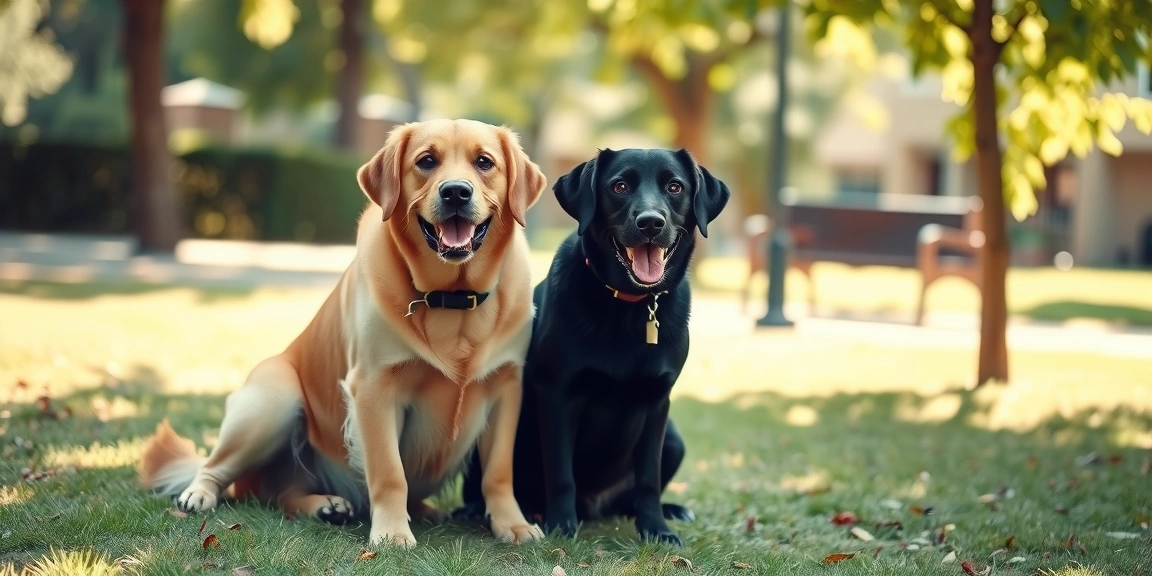
You’ve probably seen the online debates: the “American” Labrador, lean and lanky, and the “English” Labrador, a blocky, stocky show dog. When I first started looking for a Lab eight years ago, I thought I was choosing between two distinct types. But the truth I learned from top breeders and kennel club standards is far simpler and more interesting: there is only one breed of Labrador Retriever, officially recognized by the American Kennel Club. The differences you see are variations within the breed, driven by specialized breeding lines for specific jobs—primarily field work versus the show ring. This single-breed reality explains why a pet-quality puppy from a working line can look so different from its bench-bred cousin, while both can still come from the same litter. Understanding this is crucial for finding a dog that truly fits your lifestyle, not just an aesthetic preference.
8 min read
In This Article
- Breed Snapshot: The One and Only Labrador
- Why Labs Look Different: The Bench vs. Field Divide
- Temperament and Energy: More Alike Than Different
- Exercise Needs: A Daily Commitment for All
- Grooming Requirements: The Double Coat Reality
- Health Considerations Across the Breed
- Choosing Your Labrador: It’s About Lifestyle, Not Label
- Frequently Asked Questions
Key Takeaways
- Breed Snapshot: The One and Only Labrador
- Why Labs Look Different: The Bench vs. Field Divide
- Temperament and Energy: More Alike Than Different
- Exercise Needs: A Daily Commitment for All
Breed Snapshot: The One and Only Labrador
The Labrador Retriever, as defined by the AKC standard, is one breed with a clear purpose: to be a versatile gun dog. The standard describes a strongly built, medium-sized dog with a short, dense weather-resistant coat and an “otter” tail. The acceptable colors are strictly black, yellow, or chocolate. Any dog registered as a purebred Labrador must conform to this single standard. The confusion arises because the AKC standard allows for some variation in build to accommodate the breed’s function. This functional leeway is what breeders have leveraged over decades, creating distinct “types” that excel in different arenas. It’s a bit like athletes: a marathon runner and a shot-putter are both humans, but their physiques are optimized for different sports.
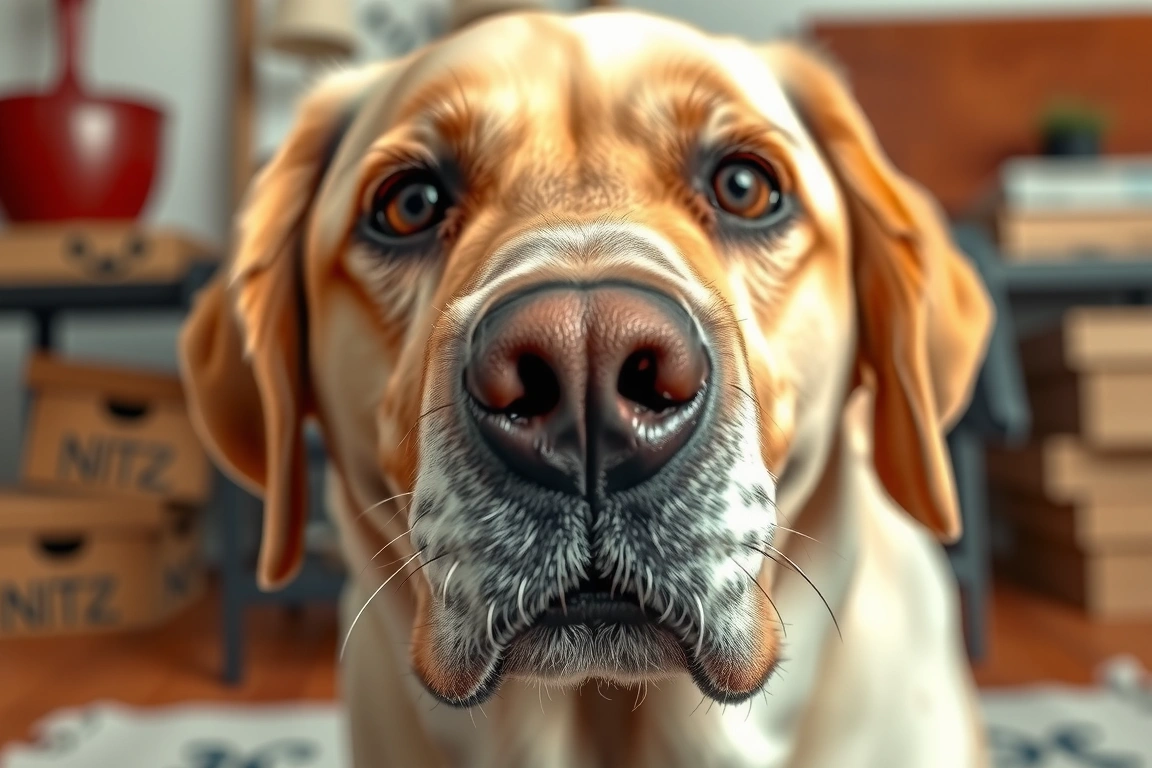
Lifespan for the breed typically ranges from 10 to 12 years, though some lines are prone to issues that can shorten that window. A 2022 study published in Canine Medicine and Genetics analyzing over 33,000 UK Labradors found the median lifespan to be 12.1 years. Their temperament is famously outgoing and eager to please, with an energy level that demands consistent daily exercise—anywhere from 60 to 90 minutes for an adult dog. They are not a low-maintenance breed when it comes to activity. This fundamental need for both physical and mental stimulation is consistent across all types, whether the dog was bred for hunting tests or conformation shows.
This fundamental need for both physical and mental stimulation is consistent across all types, whether the dog was bred for hunting tests or conformation shows.
Why Labs Look Different: The Bench vs. Field Divide
The most significant factor creating visual diversity is the split between “bench” and “field” lines. Bench Labs (often called “English” or “show” type) are bred to conform as closely as possible to the ideal show ring standard. This has selectively emphasized certain physical traits: a broader head with a more pronounced “stop,” a thicker neck, a deeper chest, and a stockier, more powerful build. Their temperament is often selectively bred for a calmer, more stable disposition suitable for the hectic environment of a dog show.

Field Labs (commonly referred to as “American” or “working” type) are bred for performance and athleticism above all else. The focus is on traits that enhance stamina, speed, and agility in the field. This results in a leaner, more agile dog with a narrower head, longer legs, and a less bulky frame. They often have a higher energy drive and an intense focus that makes them exceptional hunting partners and competitors in field trials. I’ve trained alongside field-line Labs in agility, and their endurance and single-mindedness are remarkable. It’s important to note that these are general trends within breeding lines, and significant overlap exists.
Temperament and Energy: More Alike Than Different
At their core, all Labradors share the breed’s hallmark temperament: friendly, active, and outgoing. However, the intensity of these traits can vary significantly between lines. On a scale of 1 to 10 for energy, a typical bench Lab might be a steady 7, needing its daily exercise but often content to relax afterwards. A field Lab is more often an 8 or 9, with a need for both intense physical activity and challenging mental tasks to prevent boredom. According to the AKC’s breed temperament description, Labs are known for their high intelligence and trainability, but a field line may exhibit a stronger “will to work” and a sharper sensitivity to birds or other game.

This difference in drive has real-world implications for owners. A family seeking a weekend hiking buddy might find a bench Lab a perfect fit. A runner or hunter who needs a dog that can work hard all day would be better served by a field line. I made the mistake of assuming all Labs were the same when I got my first dog; I wasn’t prepared for the intense energy of a field-line puppy and had to significantly ramp up my own activity level. Early socialization and obedience training are non-negotiable for both types, but the approach might differ—more focus on impulse control for the high-drive field dog, for instance.
Exercise Needs: A Daily Commitment for All
Regardless of type, a Labrador is not a couch potato. As a sporting breed, they require substantial daily exercise to stay physically and mentally healthy. The baseline for an adult Lab is at least 60 minutes of purposeful activity. This doesn’t mean just letting them into a yard; it means leashed walks, running, fetch, or swimming. A field line will likely need closer to 90 minutes or more, and will thrive when that exercise includes tasks that engage their brain, like scent work or retrieving drills. A lack of adequate exercise is a primary driver of destructive behaviors like chewing and digging in this breed.
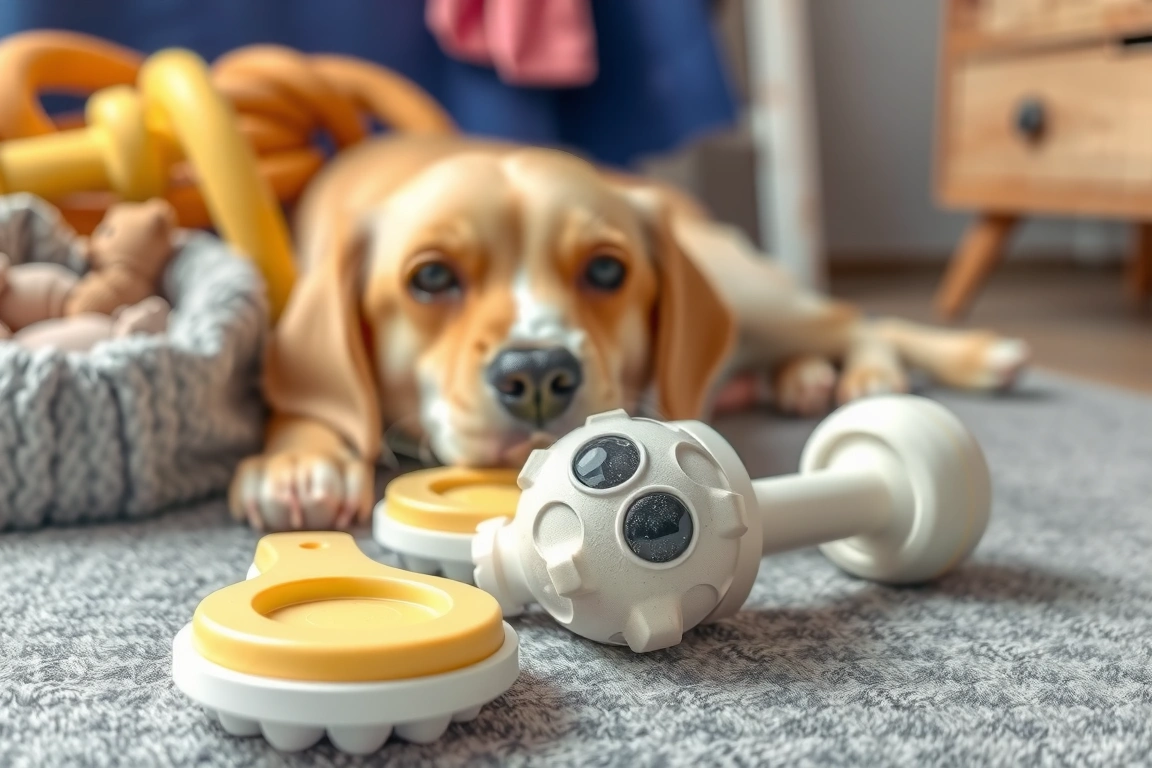
Here’s a sample daily exercise schedule that works for my active bench Lab, Finn:
- Morning: 30-minute brisk walk or jog (approx. 1.5 miles).
- Afternoon: 15-20 minutes of focused training or a puzzle toy like the Outward Hound Nina Ottosson Dog Tornado ($22.99), which engages his problem-solving skills.
- Evening: 30 minutes of fetch or a swim in a local lake (weather permitting).
For a field Lab, I’d increase the intensity and duration, perhaps substituting a 5-mile run for the morning walk and incorporating a weekly session with a retrieving dummy. Products like the Hyper Pet K-9 Kannon Tennis Ball Launcher (approx. $35) are invaluable for safely delivering the high-volume fetching these dogs crave.
$35) are invaluable for safely delivering the high-volume fetching these dogs crave.
Grooming Requirements: The Double Coat Reality
All Labradors possess a distinctive double coat: a soft, weather-resistant undercoat and a shorter, denser topcoat. This coat is designed to protect them from cold water and harsh conditions, and it sheds—profusely and year-round, with heavy “blowing” of the undercoat typically occurring twice a year. Grooming needs are consistent across types. A weekly brushing with a de-shedding tool like the Furminator deShedding tool for Large Dogs ($57.99) is essential to manage loose hair and maintain skin health. During shedding season, daily brushing may be necessary.
Bathing should be done every one to two months, or as needed if they get particularly dirty. I use a dog-specific shampoo like Earthbath Oatmeal & Aloe Pet Shampoo (around $15 for 16 oz) to avoid skin irritation. Beyond coat care, routine maintenance includes trimming nails every 3-4 weeks with a tool like the Dremel 7300-PT Nail Grinder ($59.99), which is often less stressful for dogs than clippers, and cleaning ears weekly with a veterinary-recommended solution to prevent infections, a common issue in floppy-eared breeds.
Health Considerations Across the Breed
While there is only one breed, certain health issues are prevalent, though their frequency can vary by line. Responsible breeders screen for these conditions. Hip and Elbow Dysplasia are common orthopedic problems. The Orthopedic Foundation for Animals (OFA) recommends breeders test breeding stock, and you should always ask for these certification numbers. A 2020 study in Canine Genetics and Epidemiology estimated the prevalence of hip dysplasia in Labradors at around 9-12%.
Other significant concerns include:
- Exercise-Induced Collapse (EIC): A genetic disorder more common in field lines that causes weakness and collapse after intense activity. A DNA test can identify carriers.
- Obesity: Labs are famously food-motivated, and obesity is a massive problem that exacerbates joint issues. Monitoring calorie intake is critical.
- Progressive Retinal Atrophy (PRA): A group of diseases that cause blindness; genetic testing is available.
Annual vet costs for a healthy adult Lab typically range from $400 to $700 for exams, vaccinations, and preventatives. Pet insurance, like a policy from Healthy Paws (starting at approx. $45/month), can mitigate unexpected costs from these hereditary conditions.
Choosing Your Labrador: It’s About Lifestyle, Not Label
When looking for a Labrador, forget the labels “American” or “English.” Instead, focus on finding a responsible breeder whose goals align with your lifestyle. A reputable show (bench) breeder will prioritize health, temperament, and conformation. A reputable field breeder will prioritize health, drive, and working ability. Visit the breeder, meet the puppy’s parents, and ask detailed questions. How much exercise do the parent dogs need? What are their personalities like? What health screenings have been done?
The initial cost of a Labrador puppy from a reputable breeder typically ranges from $800 to $1,200. Be wary of breeders who charge significantly more for “rare” colors like silver or who emphasize “English” or “American” as selling points for a premium price. The most important factors are the health clearances and the breeder’s dedication to improving the breed. A well-bred Lab, regardless of its line, is a wonderful companion, but matching its inherent energy and drive to your own life is the key to a successful partnership.
Small changes, real momentum
Get practical guides and templates you’ll actually use — a few thoughtful emails a month.
Frequently Asked Questions
Can a show line Lab still be a good hunting dog?
Absolutely. Many show-line Labradors retain strong retrieving instincts and can become capable hunting companions. However, they may not have the same intense, single-minded drive or extreme endurance as a dog specifically bred for field trials over multiple generations. For a casual hunter who goes out a few times a season, a well-trained show-line Lab can be a fantastic partner. For competitive field trialers or hunters who require a dog to work long days in demanding conditions, a proven field line is almost always the better choice due to generations of selective breeding for those specific traits.
Is one type of Labrador healthier than the other?
There is no definitive evidence that one line is universally healthier. Both lines are susceptible to the breed’s common issues like hip dysplasia and obesity. The key differentiator is the individual breeder’s commitment to health testing. A responsible field breeder who rigorously tests for EIC and orthopedic issues will likely produce healthier puppies than a show breeder who does not. The best way to ensure a healthy dog is to choose a breeder who provides OFA or PennHIP certification for hips and elbows, and DNA test results for conditions like EIC and PRA, regardless of the breeding focus.
Do the different types require different kinds of food?
All Labradors benefit from a high-quality, balanced diet appropriate for their life stage (puppy, adult, senior). The main difference lies in quantity. A highly active field Lab burning thousands of calories per day will require more food than a more sedentary bench Lab. For example, my 70-pound bench Lab maintains his weight on about 3 cups of a premium food like Purina Pro Plan Sport (approx. $75 for a 37.5 lb bag) per day. A field Lab of the same weight might need 4-5 cups. It’s crucial to monitor their body condition and adjust portions accordingly, as Labs are prone to overeating. Consulting your veterinarian for a specific feeding plan is always recommended.
For the Love of Your Pet
Care guides, breed insights, and gentle advice for happier pets.