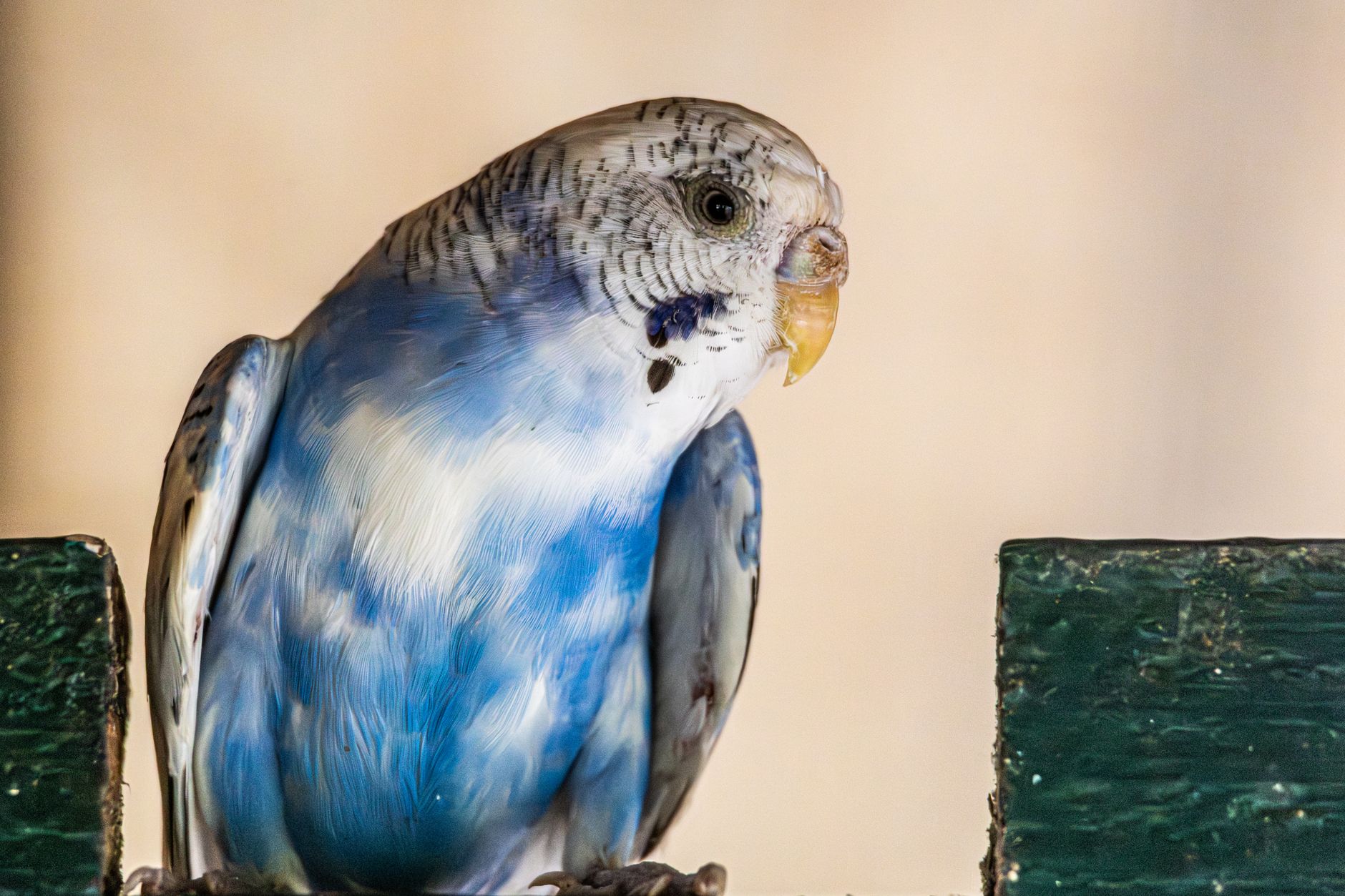
I still remember the day I brought home my first parakeet, a bright blue male I named Kiwi. I had the classic starter cage—a tiny 14-inch cube with plastic perches and a cheap seed mix. Within two months, I realized I’d set him up for failure. Parakeets aren’t just “low-maintenance starter birds”; they’re intelligent, social animals that can live 7 to 15 years (some even push 20 with exceptional care). That first mistake taught me the hard way: a parakeet’s health and happiness depend on getting the basics right from day one. In this care sheet, I’ll walk you through everything I’ve learned from owning and fostering dozens of parakeets over the past decade—cage dimensions, bar spacing, diet ratios, vet costs, and the daily time commitment you can’t skip. Whether you’re a first-time owner or upgrading your setup, these data-backed recommendations will help you avoid the rookie errors that shorten lives and cause behavioral problems.
Choosing the Right Cage: Size, Bar Spacing, and Materials
The single biggest mistake new owners make is buying a cage that’s too small. A parakeet needs horizontal space for flying, not just vertical climbing. The absolute minimum for one bird is 18 inches long by 18 inches wide by 18 inches tall (18x18x18), but I strongly recommend 30x18x18 or larger. For two birds, go at least 32x20x20. Bar spacing is critical—parakeets can squeeze through gaps wider than ½ inch or get their heads stuck. Stick to ½ inch (12.7 mm) or 3/8 inch (9.5 mm). Never use a cage with 5/8 inch spacing, which is common for cockatiels but dangerous for parakeets.
Brand-wise, Reviewers have tested several. The Prevue Hendryx F050 (30x18x18, about $80–$100) is a solid mid-range choice with ½-inch bar spacing and a pull-out tray that makes cleaning easier. The Yaheetech 52-inch Play Top cage (around $90–$120) offers more vertical space and a removable playpen, but the bar spacing is ½ inch and the welds can be slightly rough—check for sharp edges before assembling. For a premium option, the A&E Cage Company 30x18x18 (about $150) uses thicker wire and a powder-coated finish that resists chipping. Avoid cheap cages with zinc or lead coatings; look for “non-toxic powder coating” or stainless steel. I’ve seen parakeets develop heavy metal poisoning from chewing on painted bars—it’s a slow, painful death that’s entirely preventable.
Perches, Toys, and Cage Accessories
Standard plastic dowel perches that come with most cages are a recipe for bumblefoot—a painful foot infection caused by constant pressure on the same spot. Replace them immediately with natural wood perches in varying diameters (¾ inch to 1 inch). Manzanita perches (like the ones from Birdy Birdy, about $12–$20 for a 12-inch branch) are durable and easy to grip. Java wood perches (also around $15) offer more texture. I also use rope perches (the 18-inch cotton ones from Prevue, about $8) for flexibility, but I replace them every 3–4 months because frayed fibers can tangle around toes. Place perches at different heights and avoid positioning them directly over food and water bowls to prevent contamination.
Toys are non-negotiable. Parakeets need foraging toys, shreddable materials, and foot toys to prevent boredom and feather plucking. I rotate five to seven toys weekly. The Planet Pleasures Foraging Wheel ($10) and the Super Bird Creations Crinkle Paper Toy ($7) are favorites. Avoid mirrors—they can cause obsession and aggression in some birds. Also skip toys with small bells that can trap beaks. Replace any toy with frayed rope or loose parts immediately. A good rule: spend at least $15–$25 per month on new toys, and discard any toy that shows signs of wear after two weeks.
Diet and Nutrition: Beyond Seed Mixes
The all-seed diet is the number one cause of obesity, liver disease, and vitamin A deficiency in parakeets. A healthy diet should be about 70% high-quality pellets, 20% fresh vegetables and fruits, and 10% seeds (used as treats or foraging rewards). For pellets, I recommend Harrison’s Adult Lifetime Fine (about $18 for a 3-lb bag) or Roudybush Daily Maintenance (around $15 for a 3-lb bag). Both are cold-pressed to retain nutrients and have no artificial colors. Kaytee Forti-Diet Pro Health (about $12 for a 4-lb bag) is a more affordable option but contains more fillers—I mix it with a higher-quality pellet to cut costs.
For vegetables, dark leafy greens like kale, collard greens, and Swiss chard are excellent. Chop them into small pieces (about ¼ inch) and offer a tablespoon per bird daily. Safe fruits include apple (no seeds), blueberries, and mango—limit to a teaspoon per day due to sugar. Never feed avocado, chocolate, caffeine, or onion. I also provide a cuttlebone (about $3) and a mineral block (around $4) for calcium. Change water twice daily and wash bowls with hot, soapy water every day. I use stainless steel bowls (like the Lixit 8-ounce, about $6) because they’re easier to sanitize than plastic.
Health Care, Vet Visits, and Common Illnesses
Parakeets hide illness until they’re critically sick. Annual wellness exams with an avian vet are essential—expect $50–$100 for a basic checkup plus $30–$60 for a fecal test. Emergency visits for respiratory distress or egg binding can run $200–$500. I’ve had two parakeets develop respiratory infections from drafts and poor ventilation; the vet prescribed Baytril (enrofloxacin) for 10 days, costing about $40 for the medication. Signs of a sick bird include fluffed feathers, tail bobbing, sneezing, discharge from the eyes or nares, and decreased appetite. Weigh your bird weekly with a gram scale (like the AWS-100, about $20) and track it—a sudden weight loss of 10% or more warrants a vet visit.
Common illnesses include:
- Psittacosis (parrot fever): bacterial, zoonotic. Symptoms include lethargy and green droppings. Requires a 45-day course of doxycycline (about $60 for the medication).
- Mites (Knemidokoptes): causes crusty lesions on face and feet. Treated with ivermectin (one drop, about $15 at the vet).
- Egg binding: female can’t pass an egg. Emergency vet visit—treatment includes calcium injection and warm baths, costing $150–$300.
Quarantine any new bird for 30 days in a separate room. I learned this the hard way when a new parakeet brought in a mild respiratory infection that spread to my resident birds within a week. Use separate food bowls and wash hands between handling.
Social Needs, Training, and Daily Time Commitment
Parakeets are highly social and need at least 1–2 hours of out-of-cage time every day. If you work long hours, consider getting a pair—but be aware that two birds may bond to each other and become less tame. I keep my single male out for two hours in the morning and one hour in the evening. During that time, I work on training: stepping up, targeting, and recall. A good place to start is clicker training with a treat like a millet spray. Sessions should be 5–10 minutes to keep their attention.
Temperament-wise, parakeets score about 7/10 for friendliness (they’re curious but can be nippy) and 6/10 for trainability (they learn tricks but aren’t as consistent as cockatiels). They need mental stimulation—foraging toys and puzzle games prevent screaming and feather plucking. I use the Nina Ottosson Foraging Box (about $15) and hide seeds inside crumpled paper. Without enough interaction, parakeets can develop self-destructive behaviors. One of my fosters had plucked her chest bare because her previous owner only interacted with her for 15 minutes a day. After three months of increased out-of-cage time and foraging enrichment, her feathers grew back completely.
Cleaning Schedule and Maintenance Effort
Parakeets are messy. They fling seed hulls, drop food, and produce a lot of powdery dander. Here’s my cleaning routine:
- Daily (5–10 minutes): Change water, remove soiled paper from cage tray, wipe down perches with damp paper towel, sweep around the cage.
- Weekly (20–30 minutes): Full cage clean—remove all accessories, scrub cage bars with a 50/50 vinegar-water solution, wash perches and toys in hot soapy water, replace cage liner (I use unprinted newspaper or butcher paper).
- Monthly: Deep clean perches by sanding off rough spots, replace rope perches, check toy condition, wash cage tray with diluted bleach (1:10) and rinse thoroughly.
I use Poop-Off spray (about $10 for 32 oz) for spot cleaning dried droppings on perches and cage bars. Avoid chemical cleaners like bleach-based sprays near the bird—vinegar and water is safe and effective. Expect to replace cage liners every 2–3 days if using paper, or daily if using corncob bedding (which I don’t recommend because it can mold in humid climates).
Lifespan, Costs, and Long-Term Commitment
A well-cared-for parakeet can live 7–15 years, with some reaching 20. That’s a decade-plus commitment. Initial setup costs: cage ($80–$150), perches and toys ($40–$60), food and bowls ($30–$50), a gram scale ($20), and a first vet visit ($50–$100). Total: about $220–$380. Monthly recurring costs: food pellets ($10–$18), fresh produce ($10–$15), toy rotation ($15–$25), and a small savings fund for vet emergencies (I set aside $20/month). Annual vet costs: $100–$200 for a checkup and fecal test, plus potential emergency funds.
Many people don’t realize that parakeets need a consistent sleep schedule—10–12 hours of darkness each night. I cover the cage with a breathable fabric (like a thin cotton sheet) from 8 PM to 8 AM. Without enough sleep, birds can become hormonal and aggressive. Also, parakeets are sensitive to air quality: avoid scented candles, Teflon pans, and aerosol sprays, which can cause sudden death. These aren’t optional—they’re life-or-death.
Frequently Asked Questions
What size cage does a parakeet need?
Minimum 18x18x18 inches for one bird, but 30x18x18 is much better. Bar spacing must be ½ inch (12.7 mm) or less. Avoid cages with wider spacing, as parakeets can escape or get stuck. I recommend the Prevue Hendryx F050 (30x18x18, about $90) or the Yaheetech 52-inch Play Top (about $110) for a single bird. For two birds, go at least 32x20x20 inches.
What do parakeets eat?
A balanced diet is 70% high-quality pellets (like Harrison’s Adult Lifetime Fine or Roudybush Daily Maintenance), 20% fresh vegetables (kale, collard greens, bell peppers), and 10% seeds used as treats. Offer a tablespoon of chopped veggies per bird daily and a teaspoon of fruit a few times a week. Always provide a cuttlebone and mineral block for calcium. Avoid avocado, chocolate, caffeine, and onions.
How long do parakeets live?
With proper care, parakeets live 7–15 years on average. Some have reached 20. Lifespan depends on diet, vet care, and environment. The biggest factors are avoiding seed-only diets, providing annual vet checkups, and ensuring at least 1–2 hours of out-of-cage exercise daily. Many birds die prematurely from obesity, liver disease, or accidents like flying into windows—so safe free-flight areas are essential.
Related from our network
For the Love of Your Pet
Care guides, breed insights, and gentle advice for happier pets.