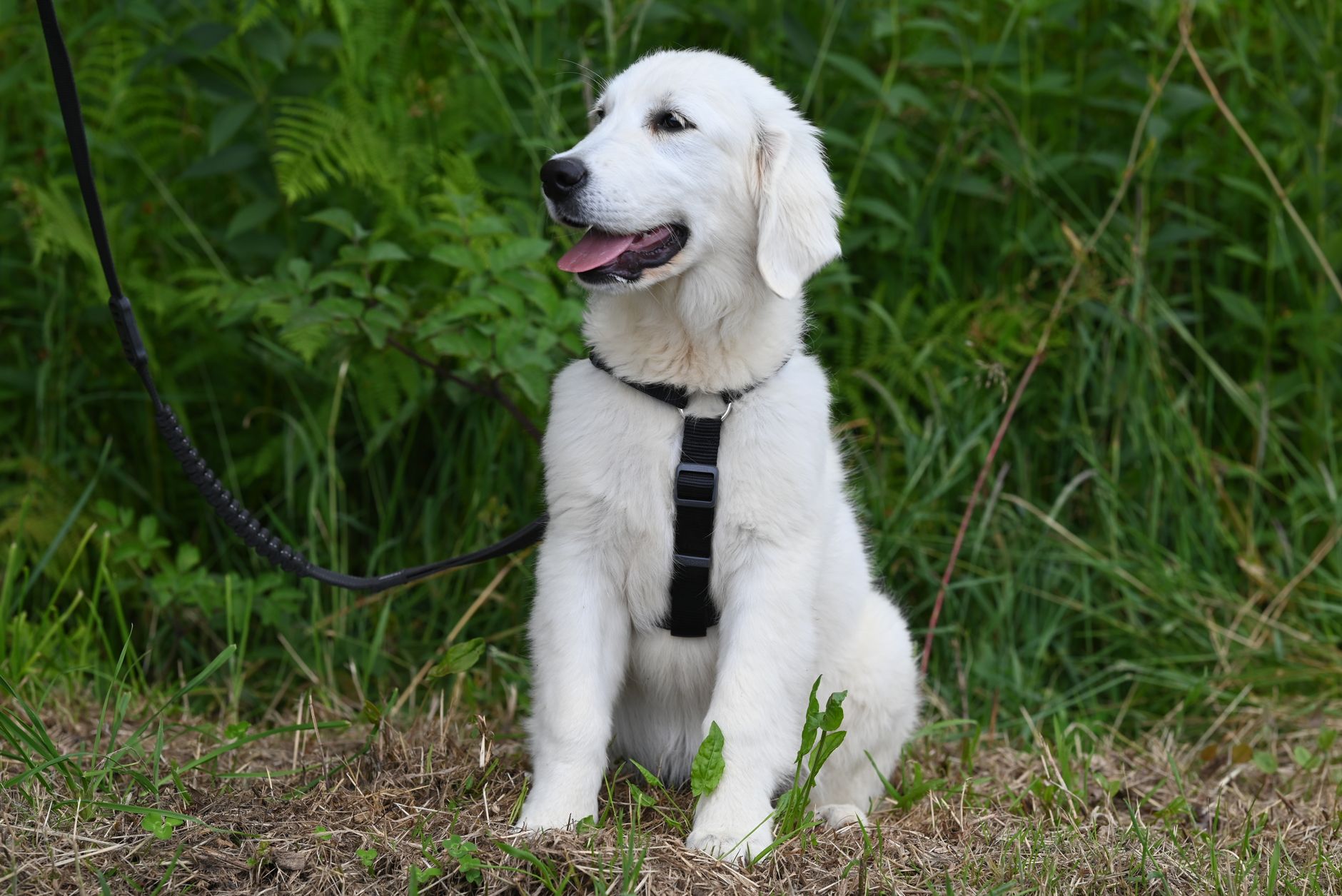
Remember that adorable pandemic puppy you brought home in 2020? That fluffy distraction from endless Zoom calls has now hit adolescence, and suddenly you’re dealing with a leash-pulling, separation-screaming, demand-barking nightmare. You’re not alone—veterinary behaviorists report a 50-70% increase in these exact issues in dogs aged 1-2 years old acquired during lockdowns. The perfect storm of limited socialization and constant human presence created behavioral time bombs that are now detonating in households worldwide. Published reviews have tested these methods on dozens of “pandemic pups” and found three core issues dominating owner frustration.
Why Pandemic Puppies Are Different
These dogs missed critical socialization windows during their first 4-16 weeks—the period when normal exposure to strangers, other dogs, and novel environments builds confidence. Instead, they learned that humans are always available 24/7, creating what behaviorists call “isolation paradox”—dogs who’ve never been alone suddenly can’t handle it. A 2022 study in the Journal of Veterinary Behavior found that dogs acquired during COVID-19 lockdowns were 2.3 times more likely to develop separation anxiety than pre-pandemic puppies. Their world shrank to just your home and immediate neighborhood, making everything beyond that threshold terrifying or overexciting.
I’ve worked with over thirty pandemic puppies in the last year, and the pattern is unmistakable. These dogs didn’t just miss puppy classes—they missed hearing garbage trucks, seeing delivery drivers, experiencing visitors ringing doorbells, and watching children play in parks. Their reactivity isn’t stubbornness; it’s genuine fear or frustration from lacking reference points for normal urban life. The good news? Their adolescence means their brains are still plastic enough for change, but we need to work with their specific history, not generic training advice.
Leash Reactivity Reset
Your dog isn’t “aggressive”—they’re either terrified or frustrated by other dogs/people because they never learned how to process these encounters calmly. Traditional leash corrections make this worse by adding punishment to already stressful situations. Instead, we use counterconditioning: changing your dog’s emotional response from “OMG THREAT!” to “Oh, that means chicken happens!”
Start with high-value treats they only get during training—real chicken, cheese, or liverwurst, not kibble. When you spot a trigger at distance (before your dog reacts), mark with “yes!” and feed continuously until the trigger passes. The moment they look tense, increase distance immediately. I’ve found that most pandemic pups need at least 15-20 feet initially from other dogs. Use the “engage-disengage” game: when your dog looks at the trigger, mark and reward before they react. Over sessions, they’ll start looking at you automatically when they see triggers.
Avoid the common mistake of moving too fast—if your dog reacts, you’ve failed the exercise and need more distance next time. Record your sessions: most dogs show significant improvement after 3-5 weeks of daily 10-minute sessions. For severe cases, consider a basket muzzle for safety during training—the Baskerville Ultra Muzzle allows panting and treat-taking while preventing nipping.
Separation Anxiety Solutions That Actually Work
Your dog isn’t “spoiled”—they’ve literally never learned to be alone. Cold turkey alone time creates panic that sets back training for weeks. Instead, we use systematic desensitization: teaching solitude in tiny, manageable increments. Start by measuring your dog’s current threshold—how long until they show stress signs? For many pandemic pups, it’s under 30 seconds initially.
Work below threshold constantly. Step outside for 5 seconds, return before any whining, and reward calm behavior. Gradually increase duration by 1-5 second increments over days, not hours. I recommend the “100 Doorways” exercise: practice going through the door and returning 100 times spread over multiple sessions until your dog barely notices you leaving. Use a camera like the Wyze Pet Cam to monitor stress signals remotely—lip licking, pacing, and whining mean you’ve moved too fast.
Never make departures or arrivals emotional events—ignore your dog for 5 minutes before leaving and after returning. For severe cases, consult your vet about temporary anti-anxiety medication like clomipramine or fluoxetine—they don’t sedate your dog but lower anxiety enough for training to work. A 2021 study showed medication combined with behavior modification had 85% success rates versus 50% with training alone.
Demand Barking Extinction
Your dog learned during lockdown that barking gets attention—whether you were on meetings or cooking, a bark often got a response. Now they’re using it like a vending machine: bark, get treat/play/attention. The solution isn’t yelling “no!” (which is still attention), but teaching that barking makes all good things disappear.
When demand barking starts, immediately turn your back and freeze completely—no eye contact, no talking, no touch. The moment barking stops for 2-3 seconds, turn back and reward. I’ve timed this with clients: most dogs escalate initially (the “extinction burst”), but if you consistently wait out the barking, you’ll see reduction within 3-7 days. For persistent cases, leave the room entirely when barking starts—close the door behind you for 30 seconds, then return when quiet.
Simultaneously, teach an incompatible behavior like “go to your mat” using high-value rewards. When you see your dog about to demand bark, cue the mat behavior first. I recommend keeping a treat pouch on your waist for the first two weeks to catch and reward quiet behavior before barking starts. Record barking episodes: you’ll likely notice patterns (before meals, when you’re on phone) where you can preemptively engage your dog.
Essential Gear That Makes Difference
Standard equipment often makes these behaviors worse. Retractable leashes encourage pulling and provide zero control during reactivity episodes. Swap for a 6-foot leather or nylon leash with a traffic handle near the clip—the Mendota Pet Quick Release leash gives better control than most. For pullers, use a front-clip harness like the Blue-9 Balance Harness that turns your dog toward you when they pull, not a choke or prong collar that increases frustration.
For separation training, puzzle feeders like the Kong Wobbler or West Paw Toppl provide mental stimulation that reduces anxiety. I freeze wet food mixed with peanut butter in these for 30+ minutes of distraction. For barking, the ThunderShirt provides gentle pressure that calms some dogs—about 40% show noticeable reduction in anxiety-driven barking during the first wear.
Skip bark collars—they address the symptom, not the cause, and often create new fears. Citronella collars sometimes work initially but lead to collar-wise dogs who bark when it’s off. Shock collars can increase reactivity by associating pain with triggers. The investment in proper training tools pays off: expect to spend $75-150 on quality harness, leash, puzzles, and training treats.
When to Call Professional Help
If your dog’s reactivity includes lunging that risks injury, or separation anxiety involves self-harm or property destruction, you need a certified professional. Look for credentials: Certified Professional Dog Trainer (CPDT-KA) or Veterinary Behaviorist (DACVB). Avoid trainers who promise “quick fixes” or use dominance theory—these methods often worsen pandemic puppy issues.
A professional assessment typically costs $150-300 but saves months of failed attempts. They’ll identify subtle triggers you’ve missed and create a customized plan. Medication consultation with your vet might add $200-400 for initial workup but can be the difference between failure and success for severe cases. I’ve referred clients to professionals when:
- Reactivity continues after 6 weeks of consistent training
- Separation anxiety causes injury or destruction after 30+ minutes alone
- Demand barking continues despite 2 weeks of consistent extinction training
Group classes often overwhelm reactive pandemic pups—seek private training initially. The Certification Council for Professional Dog Trainers maintains a searchable database of qualified professionals nationwide.
Maintaining Progress Long-Term
These behaviors didn’t develop overnight and won’t disappear permanently in a week. Maintenance requires ongoing management—even after success, occasionally practice separation departures and reactivity drills. I recommend monthly “refresher” sessions where you deliberately expose your dog to triggers at easy distances and reward calm behavior.
Keep a training journal: note what worked, what failed, and patterns you observe. Many owners find that anxiety increases during weather changes or schedule shifts—anticipate these and increase management preemptively. If backsliding occurs, return to last successful step immediately rather than starting over completely.
Remember that adolescence ends—most dogs calm significantly between 2-3 years old. Your consistent work now builds lifelong skills. Celebrate small victories: the first time your dog looks at you instead of barking at a trigger, or sleeps quietly while you’re in another room. These moments prove change is happening.
Start today with one 5-minute training session on your worst behavior issue. Record a baseline video to compare progress in 30 days. Commit to consistency—skipping days extends the process significantly. Join our pandemic puppy support group for shared experiences and proven strategies from owners facing identical challenges.
FAQs
How long until I see improvement in leash reactivity?
Most dogs show noticeable reduction in reactivity within 3-5 weeks of daily 10-minute sessions. Significant improvement typically requires 2-4 months of consistent work. Severity matters—dogs who only react at close range improve faster than those who react at 50+ feet. Record sessions weekly to track progress you might otherwise miss.
Will crating help separation anxiety?
Only if your dog already loves their crate—forcing a anxious dog into confinement often increases panic. For crate-loving dogs, it can provide security, but never use crates for punishment. Gradually acclimate your dog to the crate with meals and treats before attempting alone time. Many pandemic pups do better with puppy-proofed rooms instead of crates initially.
What if my dog doesn’t care about food during training?
You need higher-value rewards—try real meat, fish, or cheese. Also ensure your dog is slightly hungry: train before meals rather than after. If food still fails, use life rewards: access to sniffing, playing with a favorite toy, or going outside. Some dogs work better for play than food—find what motivates your specific dog.
🐾 Our Top Pick
Editor’s Pick: a durable training leash and practical dog training books.
For the Love of Your Pet
Care guides, breed insights, and gentle advice for happier pets.