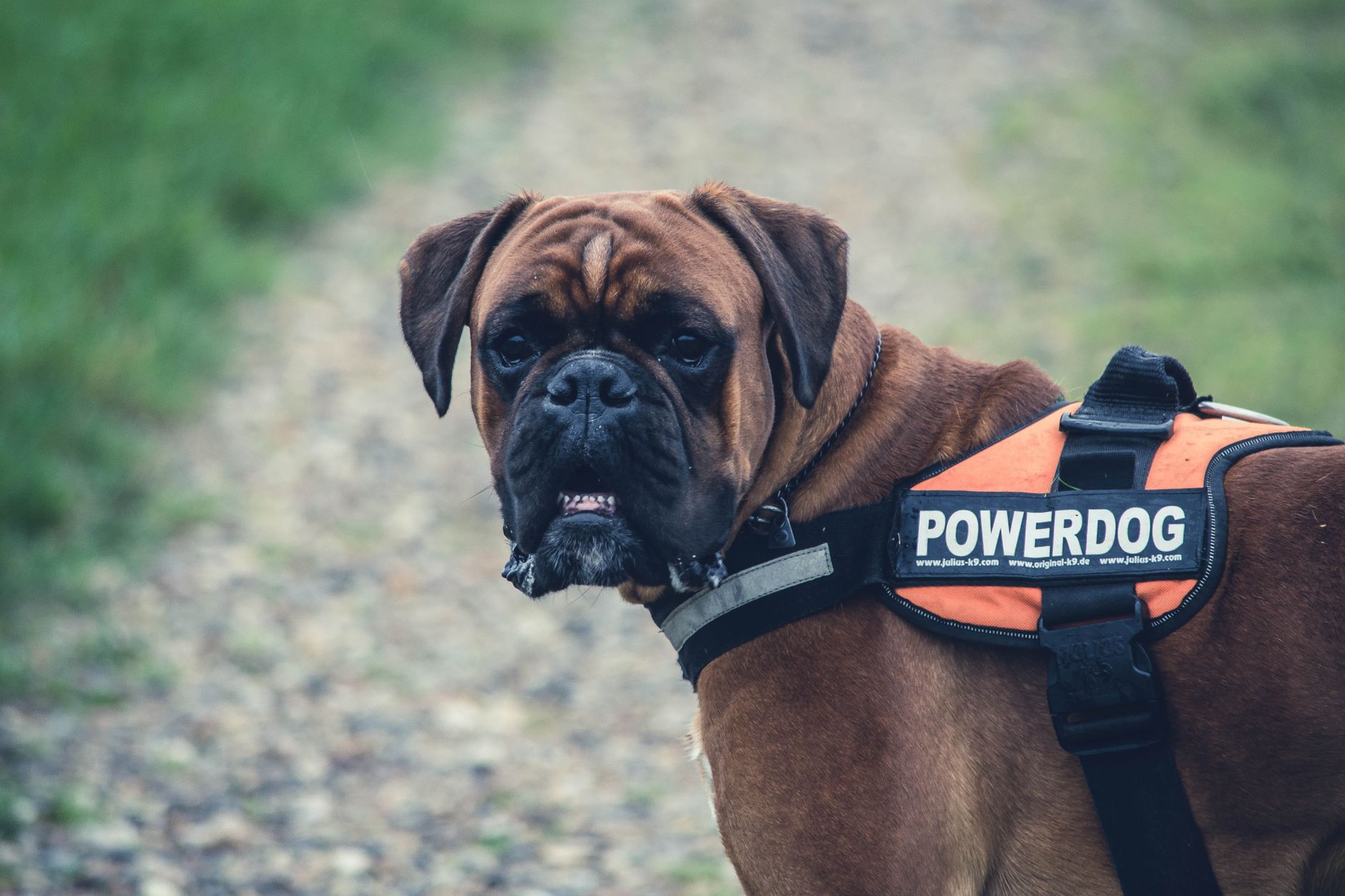
Ever told your dog to “come” only to be met with a deliberate stare and a turned head? I’ve been there—my Siberian Husky, Koda, once held a 45-minute standoff over a dropped chicken bone, completely ignoring my pleas and treats. Stubbornness in dogs isn’t a character flaw; it’s often a mismatch between their bred instincts and our training expectations. Research from the University of Helsinki confirms that breeds like Beagles, Dachshunds, and Siberian Huskies possess genetic traits—selective hearing, high prey drive, independent problem-solving—that require specialized approaches. This guide breaks down the proven, science-backed methods that transformed my relationship with a defiant sled dog, focusing on timing, motivation, and management rather than force.
6 min read
In This Article
- Understanding Canine Stubbornness: It’s Not Disobedience
- The Power of Positive Reinforcement: Timing Is Everything
- Management Over Confrontation: Set Up for Success
- Breeds That Test Your Patience: Tailored Approaches
- Troubleshooting Common Stubborn Scenarios
- When to Seek Professional Help
- Consistency and Patience: The Long Game
- Frequently Asked Questions
Key Takeaways
- Understanding Canine Stubbornness: It’s Not Disobedience
- The Power of Positive Reinforcement: Timing Is Everything
- Management Over Confrontation: Set Up for Success
- Breeds That Test Your Patience: Tailored Approaches
Understanding Canine Stubbornness: It’s Not Disobedience
Labeling a dog as “stubborn” often misses the root cause. In behavioral terms, what owners perceive as defiance is usually one of three things: low motivation for the requested behavior, environmental distractions overriding your value, or a lack of clarity in communication. A 2020 study in Applied Animal Behaviour Science found that breeds historically bred for independent work—like Terriers (ratting), Livestock Guardians (patrolling), and Scent Hounds (tracking)—consistently show lower obedience in distraction-rich environments compared to cooperative breeds like Border Collies or Labradors. My Dachshund, for instance, would tunnel into sofa cushions ignoring recall because her genetic wiring screamed “dig for prey!” louder than my turkey bits. Recognizing this isn’t willful disobedience but prioritized instincts is the first step toward effective training.
Key motivators vary drastically by breed and individual. While food works for 70-80% of dogs (according to data from the Association of Professional Dog Trainers), others respond better to toys, praise, or access to environments. I had to use a flirt pole (a $25 Outward Hound toy) for my terrier mix because movement, not food, drove his engagement. Track your dog’s high-value rewards through a week-long journal—note what they choose over commands. This data-driven approach reveals whether you’re offering pennies when they need dollars.
This data-driven approach reveals whether you’re offering pennies when they need dollars.
The Power of Positive Reinforcement: Timing Is Everything
Positive reinforcement (R+) isn’t just about giving treats; it’s about delivering them within 1.5 seconds of the desired behavior to create a neural association. Dr. Sophia Yin’s work emphasized that delays over 3 seconds drastically reduce learning efficiency. For stubborn dogs, this precision matters even more. I use a dedicated treat pouch like the $35 Wolfwill Clik Treat Pouch with a magnetic closure for one-handed access, ensuring my marker word (“yes!”) and reward hit instantly when Koda’s paw finally touched the mat. The goal is to make complying more rewarding than ignoring.
Not all reinforcers are equal. High-value treats should be reserved for high-distraction scenarios. For my dogs, freeze-dried liver ($15/bag from Stewart Pro-Treat) works indoors, but only real chicken breast ($
5/lb, boiled and diced) cuts through squirrel chaos outdoors. Measure treats—keep them pea-sized to avoid overfeeding. A 50-pound dog should receive no more than 30-40 treats per training session (roughly 100-150 calories) to maintain healthy weight. Pair treats with life rewards too: asking for a “sit” before opening the door to a walk taps into their intrinsic motivation.
Management Over Confrontation: Set Up for Success
Managing the environment reduces opportunities for stubbornness to manifest. This means using tools like baby gates ($40-60, Evenflo Position & Lock), tethers (a 6-foot leash anchored to a wall hook), or long lines (a 30-foot Biothane line from $25) to prevent rehearsal of unwanted behaviors. Management isn’t cheating—it’s creating a bubble where your dog can only make right choices, building habit strength.
For specific scenarios, management looks like:
- Leashing indoors during meal times if they counter-surf
- Using a crate or penned area when guests arrive to prevent jumping
- Blocking access to windows if they bark at passersby
Each management strategy should be paired with training in lower-distraction settings first. I spent two weeks teaching “leave it” with kibble on the floor before expecting it to work with a dropped pizza crust.
Breeds That Test Your Patience: Tailored Approaches
Generic training advice fails with genetically stubborn breeds. Adjust your methods based on their historical purpose:
- Scent Hounds (Beagles, Basset Hounds): Their nose overrides ears. Use scent-based games like hiding treats in a $20 Nina Ottosson puzzle toy to engage their brain before asking for obedience.
- Independent Spitz Types (Huskies, Shiba Inus): Motivate with movement and freedom. Recall training requires a 15-30ft long line in secure areas—never off-leash in open spaces. Use a harness like the $45 Ruffwear Front Range to avoid neck strain during practice.
- Terriers (Jack Russells, Scotties): High prey drive makes them easily distracted. Incorporate toys like a Chuckit! Ultra Ball ($10) into drills—ask for a “sit,” then throw the ball as reward.
Session length matters too. These breeds often have shorter attention spans. Cap training at 3-5 minutes, 2-3 times daily, rather than one 15-minute marathon.
Cap training at 3-5 minutes, 2-3 times daily, rather than one 15-minute marathon.
Troubleshooting Common Stubborn Scenarios
Real-world challenges require specific protocols. For leash pulling, I switched from a flat collar to a front-clip harness (the $40 Blue-9 Balance Harness) and practiced “direction changes”—the moment tension hit the leash, I turned 180 degrees. It took 30 sessions over three weeks, but reduced pulling by 80%. For ignoring recalls, practice with a long line and high-value rewards only in low-distraction areas first. Never call for something unpleasant (like ending park time)—go get them instead.
If your dog disengages completely (“shuts down”), check for overfacing. Are you asking for too much too soon? Break behaviors into smaller steps. For “come,” reward for just a head turn toward you, then one step, then two. Build duration and distance gradually. If frustration builds, end the session with a simple behavior they know well to keep confidence high.
When to Seek Professional Help
Some behaviors exceed DIY fixes. If your dog shows aggression (growling, snapping), resource guarding, or extreme fear, hire a certified professional. Look for credentials like CCPDT-KA or IAABC—expect to invest $90-$150 per session. For general stubbornness, a 3-6 session package often suffices. I consulted a trainer when my terrier began guarding bones; three sessions cost $375 but provided lifelong management strategies. Avoid trainers who use punitive tools like shock collars—studies show they increase stress and can exacerbate aggression.
Consistency and Patience: The Long Game
Training a stubborn dog isn’t a 10-day fix; it’s a 3-6 month investment in habit formation. Track progress through a journal—note successes, setbacks, and what rewards worked each day. Consistency across all household members is non-negotiable. Use the same cues (“come” vs. “come here”), same reward system, and same rules. I created a printed chart for my family detailing current training goals and high-value treats to ensure uniformity. Celebrate small wins—the first time they recall away from a squirrel deserves a party (and a whole chicken breast).
Transforming a stubborn dog into a cooperative partner hinges on respecting their instincts while making compliance rewarding. Ditch the frustration and embrace data—track what motivates them, manage their environment to prevent failures, and break behaviors into trainable chunks. Invest in the right tools (a treat pouch, long line, high-value rewards) and commit to short, daily sessions. Remember, your dog isn’t giving you a hard time; they’re having a hard time meeting expectations that clash with their DNA. With science-backed methods and patience, that standoff over a chicken bone becomes a remembered victory.
Small changes, real momentum
Get practical guides and templates you’ll actually use — a few thoughtful emails a month.
Sources & further reading
Frequently Asked Questions
How long does it take to train a stubborn dog?
For genetically independent breeds like Huskies or Terriers, expect 3-6 months of consistent daily training for reliable obedience in distraction-free environments. High-distraction scenarios (like dog parks or squirrel sightings) may take 12+ months. Sessions should be brief—3-5 minutes, 2-3 times daily—to maintain engagement. I saw noticeable improvement with my Dachshund’s recall after 8 weeks of dedicated long-line practice.
What if my dog isn’t food motivated?
Switch to other reinforcers: toys (a tug rope or ball), praise, or access to desired spaces (like going outdoors). My Husky values freedom highly, so I reward recalls with off-leash time in secured areas. For play-driven dogs, keep a special toy solely for training to maintain its value. Experiment over a week to identify what your dog consistently works for.
Should I use a shock collar for a stubborn dog?
No. Studies, including 2020 research in PLOS One, show aversive tools like shock collars increase stress hormones and risk fallout behaviors like aggression or anxiety. For stubborn breeds, punishment often destroys trust and worsens avoidance. Positive reinforcement and management yield safer, more reliable results long-term.
For the Love of Your Pet
Care guides, breed insights, and gentle advice for happier pets.