Mastering Positive Reinforcement: A Practical Training Tutorial for Every Dog Owner
Positive reinforcement gives dog owners a practical way to teach useful behaviors without intimidation or force. By the end of this tutorial, you will know how to choose rewards, mark the exact behavior you want, teach essential cues, build reliable responses around distractions, and solve common training problems while strengthening your relationship with your dog.
The same principles work for a young puppy, an adult rescue, a sensitive herding breed, or a food-motivated Labrador. What changes is the reward, pace, environment, and amount of support your individual dog needs—not the basic method.
Understand How Positive Reinforcement Works
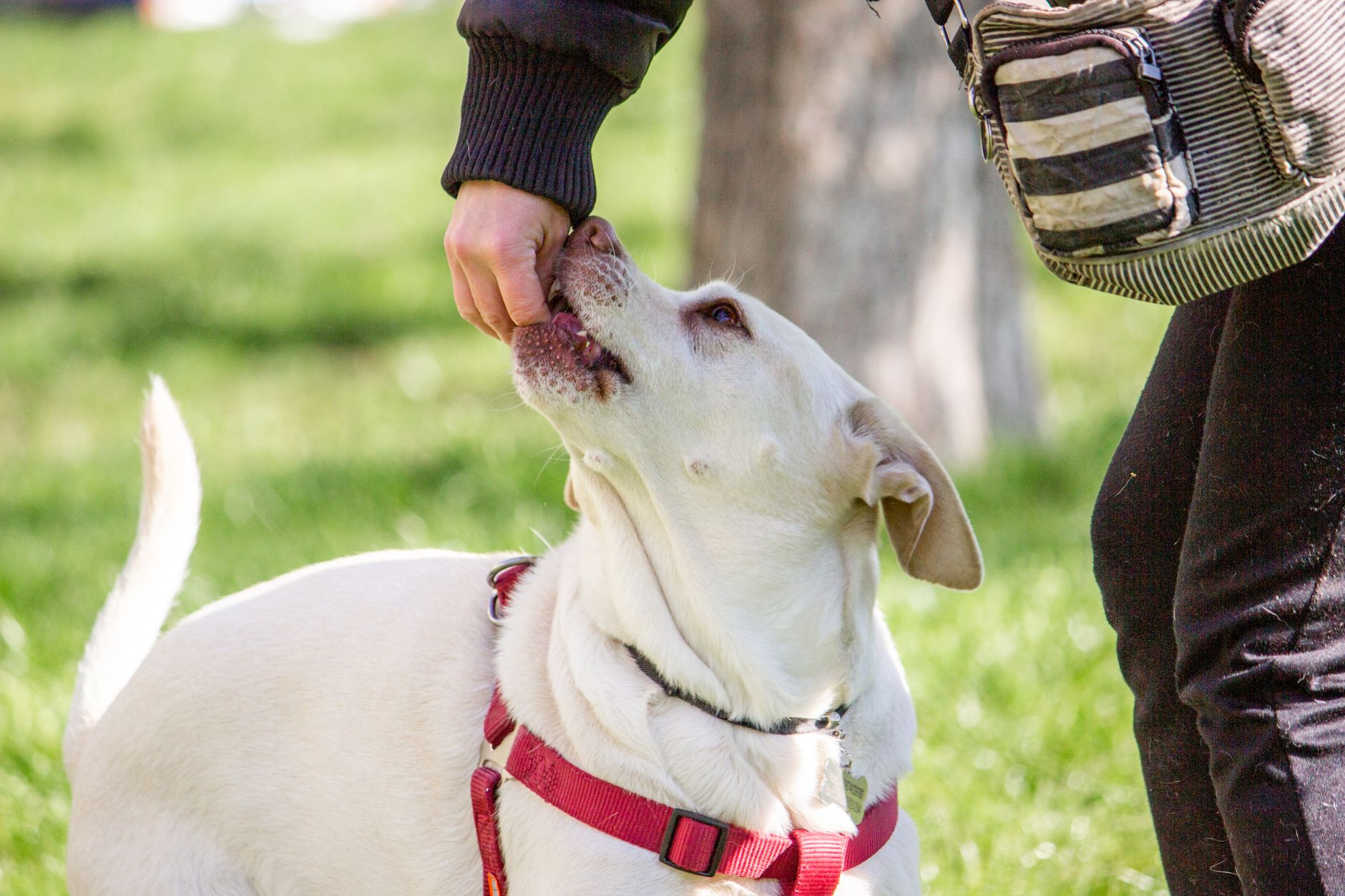
Positive reinforcement means adding something enjoyable immediately after a behavior, which makes that behavior more likely to happen again. If your dog sits and receives a piece of chicken, sitting becomes more rewarding. If your dog comes when called and receives enthusiastic praise, play, and a treat, recall becomes stronger. The reward must follow the desired behavior closely enough for the dog to understand the connection.
A marker helps communicate the precise moment your dog succeeds. A clicker is a small plastic device that costs about $2 to $8, but a consistent word such as “Yes” works just as well. Charge the marker before using it in training by saying “Yes” or clicking and then immediately giving your dog a treat. Repeat this 10 to 15 times over one or two short sessions. Afterward, the marker tells the dog, “That exact action earned the reward.”
Timing is critical. Mark within about one second of the desired behavior and deliver the reward within the next two or three seconds. If you mark after your dog has already stood up from a sit, you may reinforce standing instead. If you mark while the dog is pulling on the leash, you may reinforce pulling. Clear timing prevents confusion and allows training to progress quickly.
Positive reinforcement does not mean allowing every unwanted behavior or carrying treats forever. It means teaching an alternative behavior and rewarding it consistently. A dog who jumps for attention can learn to sit for greeting. A dog who barks at the door can learn to go to a mat. Once a behavior is established, rewards can become less predictable, but they should never disappear entirely.
Gather the Right Training Materials and Set Up for Success
A useful training kit does not need to be expensive. Start with a treat pouch or small waist bag, usually $10 to $25, filled with pea-sized pieces of soft food. Boiled chicken, cut-up hot dog, commercial training treats, low-fat cheese, or a portion of the dog’s regular kibble can all work. Keep pieces around one-quarter inch for ordinary repetitions so a small dog can receive 30 to 50 rewards without consuming an excessive number of calories.
Reserve higher-value rewards for difficult tasks such as recall, leash reactivity work, or training around distractions. Food should be soft enough to swallow quickly, but not so greasy that it upsets the dog’s stomach. Introduce a new treat in small quantities first, particularly for dogs with allergies or sensitive digestion. Training food should generally be subtracted from the dog’s daily ration, and treats should not provide more than roughly 10 percent of daily calories unless a veterinarian recommends otherwise.
A six-foot nylon or leather leash, costing approximately $10 to $30, is more useful for basic training than a retractable leash because its length is predictable. For recall practice in a safe open area, add a 15- to 30-foot lightweight long line for about $12 to $25. A well-fitted flat collar or harness, identification tags, fresh water, and waste bags complete the basic kit. A 24-by-36-inch mat or folded towel, usually $15 to $35, gives the dog a clear place to settle and is especially helpful for door greetings and restaurant patios.
Choose a quiet training area for the first lessons. A kitchen, hallway, or fenced yard with minimal noise allows a beginner to concentrate. Remove tempting objects, place treats where you can reach them without bending down repeatedly, and keep sessions short. Most dogs learn best from two to four sessions lasting two to five minutes each day. Puppies may need sessions as short as one minute, while an experienced adult dog may enjoy a 10-minute practice if the work remains easy and engaging.
Safety should shape every session. Do not practice recall off-leash until the dog responds reliably in a controlled area. Avoid intense running or jumping exercises for puppies, senior dogs, or dogs with orthopedic conditions. Brachycephalic breeds and dogs affected by heat may need very brief sessions in a cool environment. Training should feel like a rewarding game, not an endurance test.
Teach the Core Behaviors Step by Step
Sit and Down
Hold a treat close to the dog’s nose and slowly move it upward and slightly backward. As the head rises, the hindquarters usually lower. The instant the dog’s bottom touches the floor, say “Yes,” then give the treat. Repeat eight to 12 times, allowing the dog to stand or take one step between repetitions. If the dog jumps upward, lower the treat and move it more slowly.
Once the dog follows the food smoothly, add the verbal cue “Sit” just before moving the treat. After several successful repetitions, begin showing an empty hand signal and reward from the other hand. The food should become a reward, not a lure held in front of the dog’s nose. Practice in several rooms before moving to the yard or sidewalk.
To teach “Down,” start with the dog sitting. Hold a treat at the nose, move it toward the floor, and then slide it a few inches forward along the ground. Mark when both elbows touch down and deliver the treat between the paws. If the dog stands, make the hand movement smaller or place a treat under a low obstacle, such as a chair rung, so the easiest path is downward. Practice five to 10 repetitions at a time.
Stay, Release, and Settling on a Mat
A reliable stay requires three separate skills: duration, distance, and distraction. Work on only one at a time. Ask for a sit or down, mark and reward after one second, then release the dog with a consistent word such as “Free.” At first, reward the dog while it remains in position rather than calling it toward you. Build from one second to two, three, five, and then 10 seconds. If the dog breaks position twice, the exercise is probably too difficult; reduce the time and make the next repetition easier.
Add distance only after the dog can remain settled for about 15 to 20 seconds with you nearby. Take one step backward, return immediately, reward, and release. Gradually increase to two or three steps. Do not combine a longer distance with a new distraction. A dog that can stay while you move across the kitchen may still need weeks of practice before remaining calm while another person walks past.
Place the mat on the floor and reward any voluntary glance toward it. Next, reward one paw stepping onto it, then two paws, and finally all four. Once the dog stands on the mat, deliver the treat low between the front paws so the dog is more likely to lie down. Add the cue “Place” or “Mat” as the movement becomes predictable. Reward short stays at first, then gradually increase the duration. A settled mat behavior provides a humane alternative to jumping on guests, crowding the dinner table, or rushing through an open door.
Come When Called
Recall is one of the most valuable behaviors a dog can learn, so it should have the highest reward rate. Begin indoors with very little distraction. Say the dog’s name and “Come” in a cheerful voice, move backward a few steps, mark when the dog heads toward you, and reward at your side. Give several pieces of food, offer enthusiastic praise, or begin a 30-second game of tug. The dog should conclude that responding to recall produces the best event of the day.
Never call the dog for something unpleasant if you can avoid it. Instead of saying “Come” for a bath or nail trim, walk over and gently collect the dog. Do not scold a dog after it finally returns, even if the escape lasted 20 minutes. Punishing the return teaches the dog that coming closer was the mistake. If the dog ignores the cue, reduce distractions, use a longer leash, crouch down, run in the opposite direction, or use a happier voice.
For outdoor practice, attach a 20-foot long line and work in a quiet area. Let the dog sniff, say “Come,” and reward generously when it turns toward you. Gradually practice while the dog is mildly distracted, but keep enough leash length to prevent rehearsal of ignoring the cue. Emergency recall can be paired with a special whistle and an exceptional reward, such as a small piece of chicken, but it should still be practiced regularly rather than saved for crises.
Walk Politely on Leash
Loose-leash walking is reinforced by movement. When the leash has a gentle U-shape and the dog is near you, mark and toss a treat forward so walking continues. If the dog pulls, stop or change direction without jerking the leash. When tension disappears and the dog turns back, mark and reward. The lesson is simple: pulling makes forward progress stop, while staying near you makes the walk continue and produces treats.
Begin with five minutes in a low-distraction area rather than trying to correct an entire neighborhood walk. Keep several treats in your hand during the first minute, reward frequent checkpoints, and then reward at irregular intervals. A head halter or front-clip harness can provide additional mechanical help, but the equipment does not replace training. Introduce new equipment gradually and pair it with food so the dog forms a positive association.
Drop, Leave It, and Calm Door Behavior
To teach “Drop,” offer a low-value toy and present a treat near the dog’s nose. When the mouth opens, say “Yes,” give the treat, and immediately return the toy after a second. Returning the object prevents the dog from learning that dropping means losing something forever. Practice with toys of increasing value and keep your hands away from the dog’s mouth.
For “Leave it,” place an uninteresting object inside a closed fist. Allow the dog to investigate, but do not open the hand. The moment the dog stops nosing and pulls its nose away, mark and reward from the other hand. Gradually progress to an object on the floor covered by your hand, then to an uncovered object while the dog is on a leash. The reward comes from you, not from the forbidden item.
Door training combines several skills. Before opening the door, ask the dog to go to its mat or sit several feet away. Open the door one inch. If the dog remains in position, mark and drop a treat. Close the door, reset, and repeat. Over several sessions, increase the opening to six inches, then a full door, and eventually add someone walking outside. If the dog rushes, close the door calmly and return to an easier step.
Create a Realistic Training Routine and Build Reliability
A practical weekly schedule is more effective than occasional marathon sessions. On Monday, teach or review sit and down during two three-minute sessions. On Tuesday, practice those cues before meals and add five minutes of mat training. On Wednesday, work on recall indoors and loose-leash movement in the driveway. On Thursday, review stays and door behavior. On Friday, practice in a slightly more distracting location. Weekend sessions can include a short outing, socialization, or a game that reinforces the same cues.
Use ordinary daily events as rewards. Ask for a sit before the bowl is placed down, a down before the leash is clipped, or a calm mat stay before the door opens. Keep requests reasonable. A dog should not have to perform a long series of tricks before receiving water, affection, or access to the yard. The goal is to make cooperation part of normal life, not to make every interaction feel like a test.
Progress through the “three Ds
For the Love of Your Pet
Care guides, breed insights, and gentle advice for happier pets.