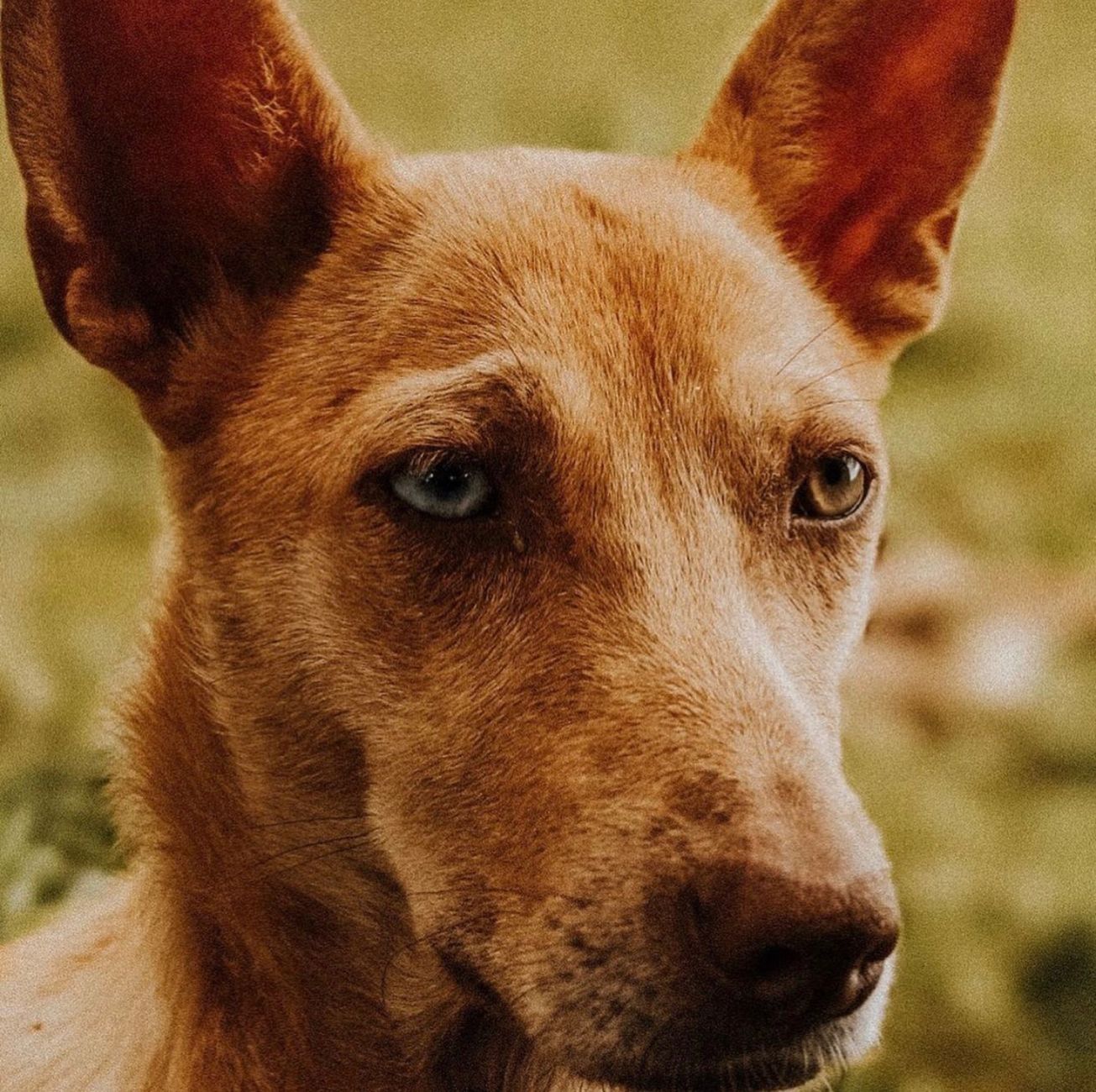
Introduction: Two Titans of the Dog World, Two Completely Different Lifestyles
You’re staring at two of the most popular dog breeds on the planet, and you’re stuck because both the German Shepherd and the Labrador Retriever are incredible in their own right, yet they demand radically different things from you as an owner. Choosing between them isn’t about picking the “better” dog—it’s about understanding which breed’s core needs align with your actual daily life, and making the wrong call can lead to years of frustration for both you and your dog.
Disclosure: This post contains affiliate links. If you click through and make a purchase, we may earn a small commission at no extra cost to you. Thank you for supporting this site!
This isn’t a generic overview. This is a practical, no-fluff comparison built for someone who wants real answers about exercise commitments, training difficulty, health costs, and which breed will actually thrive in your home. By the end, you’ll have a clear decision framework, not just a list of cute traits.
Origins and Purpose: Why Breeding History Dictates Your Daily Routine
Understanding where these breeds come from is the single most important factor in predicting their behavior in your living room. This isn’t trivia—it’s the blueprint for their instincts.
German Shepherd: The Working Protector
Developed in late 19th-century Germany by Captain Max von Stephanitz, the German Shepherd was bred exclusively for herding and later military and police work. Every fiber of this dog’s being is optimized for endurance, intelligence, and a deep need to work alongside a human. They were never bred to be couch ornaments. They require a job—whether that’s protection, advanced obedience, or a structured daily routine with clear objectives.
This means you can’t wing it with a GSD. If you’re not giving them a purpose, they’ll invent one, and you probably won’t like what they come up with (digging, barking, destructive chewing).
Labrador Retriever: The Eager Partner
Bred on the island of Newfoundland, Canada, Labs were developed to help fishermen retrieve nets and haul fish from icy waters. Their purpose was endurance, a soft mouth, and an unshakable desire to please. They were never guard dogs—they were working partners who needed to be gentle with gear and people. This breeding history gives you a dog that’s generally more forgiving, more biddable, and less suspicious of strangers.
The trade-off? Labs are relentlessly enthusiastic and can be just as demanding as a GSD, but in a different way—usually involving water, fetch, and food obsession.
Physical Characteristics and Lifespan Comparison
| Characteristic | German Shepherd | Labrador Retriever |
|---|---|---|
| Height (male) | 24–26 inches | 22.5–24.5 inches |
| Weight (male) | 65–90 lbs | 65–80 lbs |
| Coat type | Double coat, medium length, straight | Double coat, short, dense, water-resistant |
| Shedding level | Extreme (year-round, heavier twice a year) | High (constant, with seasonal explosions) |
| Lifespan | 9–13 years | 10–14 years |
| Exercise need | 60–90 minutes daily (intense) | 60–80 minutes daily (moderate to high) |
| Barking tendency | High (alert barker, protective) | Moderate (more likely to whine or howl) |
A quick reality check on shedding: both breeds shed like it’s their part-time job. If you’re a clean freak, neither is a good fit without a serious vacuuming strategy. The German Shepherd’s coat is longer and more noticeable on furniture, while the Labrador’s shorter hairs embed themselves into fabric like tiny needles. Plan on vacuuming every other day minimum.
product Recommendation for Shedding Control
- Furminator deShedding tool ($25–$35): Works on both breeds but be gentle—over-brushing can damage the undercoat. Use once a week, not daily.
- Dyson V15 Detect cordless vacuum ($749–$799): Expensive, but the laser reveals invisible pet hair on dark floors, and it’s powerful enough for GSD-level shedding on carpets.
Temperament and Personality: Which Fits Your Lifestyle?
German Shepherd: Loyal, Reserved, and Intensely Bonded
GSDs are one-person or one-family dogs. They form a deep, almost possessive bond with their primary owner and can be aloof or suspicious of strangers. This isn’t aggression—it’s their default setting. They need early and consistent socialization to avoid becoming reactive or overly protective. If you want a dog that will be your shadow, your running partner, and your home’s security system all in one, this is it.
- Good with kids: Yes, if raised with them, but they can be herdy (nudging, circling). Supervise interactions with very young children.
- Good with other dogs: Variable. Same-sex aggression can appear in adulthood. Early socialization is non-negotiable.
- Stranger danger: High. They’ll alert you to anyone approaching the house. This is a feature, not a bug, if you want a watchdog.
Labrador Retriever: Social, Forgiving, and Food-Driven
Labs are eternal optimists. They greet every person like a long-lost friend and every meal like a miracle. This makes them easier for first-time owners or families who want a dog that’s low on suspicion and high on tail wags. However, their sociability can be a liability—they’re prone to jumping on guests, stealing food off counters, and pulling on leash toward every passerby. You have to train the manners, not the guard instinct.
- Good with kids: Excellent. Labs are generally patient and tolerant, but their size and enthusiasm can knock over small children. Train a “settle” command early.
- Good with other dogs: Yes, typically very good. They thrive in multi-dog households.
- Stranger danger: Low to none. They’ll bark at the door, then immediately try to get petted by the intruder.
Training and Intelligence: Who’s Easier to Train?
Both breeds are highly intelligent, but they process training differently. This is where the dog breed comparison for beginners gets critical.
German Shepherd: Brilliant but Demanding
GSDs are ranked third in canine intelligence (behind Border Collies and Poodles). They learn commands in fewer repetitions than almost any other breed. The catch: they get bored easily. Repetitive drills will make them check out, and if you’re inconsistent, they’ll exploit the gaps. You need to be a confident, consistent leader. This is not a breed for a passive owner.
- Training tip: Use variable reward schedules. Don’t treat every time—make them work for it. This keeps their problem-solving brain engaged.
- Structured activity recommendation: Susan Garrett’s “Home School the Dog” program (online, $47–$97). It’s designed for working breeds and emphasizes play-based training that challenges GSDs mentally.
Labrador Retriever: Food-Fueled and Eager to Please
Labrador retrievers are ranked seventh in intelligence, but their eagerness to please makes them more straightforward for most owners. They are far more forgiving of training mistakes. If you screw up a command or are inconsistent, a Lab will still want to work with you. They’re the ultimate “yes, let’s do this” dog.
- Training tip: Use their food drive to your advantage. Labs will work for kibble, which keeps treat costs low. But watch their weight—an obese Lab is a common sight because owners over-reward.
- Structured activity recommendation: Karen Pryor’s “Clicker Training for Dogs” online course ($29.99 on Udemy). Labs respond beautifully to clicker training because of their desire to repeat rewarded behaviors.
Actionable Training Comparison
- Best for first-time owners: Labrador. More forgiving, less likely to develop reactivity from poor handling.
- Best for experienced owners who want a working partner: German Shepherd. Rewarding for those who can provide structure and challenge.
Exercise Needs and Living Environment
Both breeds need substantial exercise, but the type of exercise matters as much as the duration.
German Shepherd: Intensity and Purpose Required
A GSD needs more than just a walk around the block. They need structured, high-intensity activity that engages their brain. A 15-minute fetch session isn’t enough—they need obedience drills, tracking work, or agility. Without it, you’ll get destructive behavior, excessive barking, and neurotic pacing.
- Minimum daily requirement: 60 minutes of intense activity (running, hiking, structured play) plus 30 minutes of mental work (training, puzzle toys).
- Good for apartments: Only if you commit to 2+ hours of daily exercise. Otherwise, no.
- Ideal home: House with a fenced yard. Minimum fence height: 6 feet. GSDs are jumpers and climbers.
Labrador Retriever: Endurance and Water Obsession
Labs are built for endurance, not sprinting. They can go all day if you let them, but they’re generally more adaptable to your energy level. The key difference: a Lab can be satisfied with a long swim or a 45-minute fetch session plus some mental games. They don’t need a job as much as a GSD does, but they do need an outlet for their retrieving instinct.
- Minimum daily requirement: 45–60 minutes of moderate activity (swimming, fetch, running) plus 20 minutes of mental enrichment.
- Good for apartments: More adaptable than a GSD, provided they get sufficient exercise. Their “off switch” is better.
- Ideal home: Any home with access to water or a park. A fenced yard is ideal but not mandatory if you commit to leash walks.
Practical Tip for Both Breeds
Invest in a Flirt Pole (like the Outward Hound Tail Teaser, $18–$25). It’s a long pole with a toy on a string that mimics prey movement. Both breeds go crazy for it, and 10 minutes of flirt pole work equals 30 minutes of walking in terms of exertion. Use it in a yard or a park to burn energy fast.
Health Concerns and Grooming Requirements
Neither breed is cheap to maintain. Here’s what you need to budget for.
German Shepherd: Known Health Issues
- Hip and elbow dysplasia: Extremely common. OFA certification is a must from any breeder. Expect $3,000–$6,000 for surgery if needed.
- Degenerative myelopathy: A progressive spinal cord disease with no cure. Genetic testing (DM test) is available.
- Bloat (GDV): Life-threatening stomach torsion. Consider a gastropexy procedure during spay/neuter ($400–$800).
- Exocrine pancreatic insufficiency (EPI): Digestive disorder requiring lifelong enzyme supplements ($80–$150/month).
- Grooming: Brush 3–4 times per week. During shedding season (spring and fall), daily brushing. Budget for a high-quality slicker brush and undercoat rake. Professional grooming every 8–12 weeks ($60–$90 per session).
Labrador Retriever: Known Health Issues
- Hip and elbow dysplasia: Common, though slightly less prevalent than in GSDs. OFA certification still critical.
- Obesity: The #1 health problem in Labs. They have a genetic mutation (POMC) that makes them feel constantly hungry. You must measure food and limit treats.
- Ear infections: Their floppy ears trap moisture. Clean weekly with a vet-approved ear cleaner. Budget $15–$25/month for ear care supplies.
- Exercise-induced collapse (EIC): Genetic condition causing weakness after intense exercise. DNA testing available.
- Grooming: Brush 2–3 times per week. They shed less visibly than a GSD but still heavily. Bath every 6–8 weeks. No professional grooming needed unless you want it—bathing at home is easy.
Health Cost Comparison (Annual Estimate)
- German Shepherd: $1,200–$2,500 (including food, routine vet care, grooming, and preventive meds). Higher if joint issues develop.
- Labrador Retriever: $1,000–$2,000 (food, vet care, ear supplies, preventive meds). Lower grooming costs offset by higher food bills if they gain weight.
Cost of Ownership: Budgeting for Your New Dog
Initial costs and recurring expenses differ significantly between these breeds.
Upfront Costs
- Adoption fee (rescue): $150–$500 for either breed. This is the most ethical and affordable route.
- Breeder price (reputable): German Shepherd: $1,500–$4,000 (show/working lines cost more). Labrador: $1,000–$2,500 (field lines often pricier than show lines).
- Basic supplies (crate, bed, leash, bowls, toys): $400–$700 for either breed. Invest in a heavy-duty crate for a GSD (like ProSelect Empire Crate, $250–$350).
Monthly Recurring Costs
- High-quality kibble: GSD: $60–$100/month (larger breed, often need grain-free or sensitive stomach formulas like <
🐾 Our Top Pick
Editor’s Pick: interactive dog feeder for mental stimulation, plus durable dog toys and a grooming kit for easy upkeep.
For the Love of Your Pet
Care guides, breed insights, and gentle advice for happier pets.