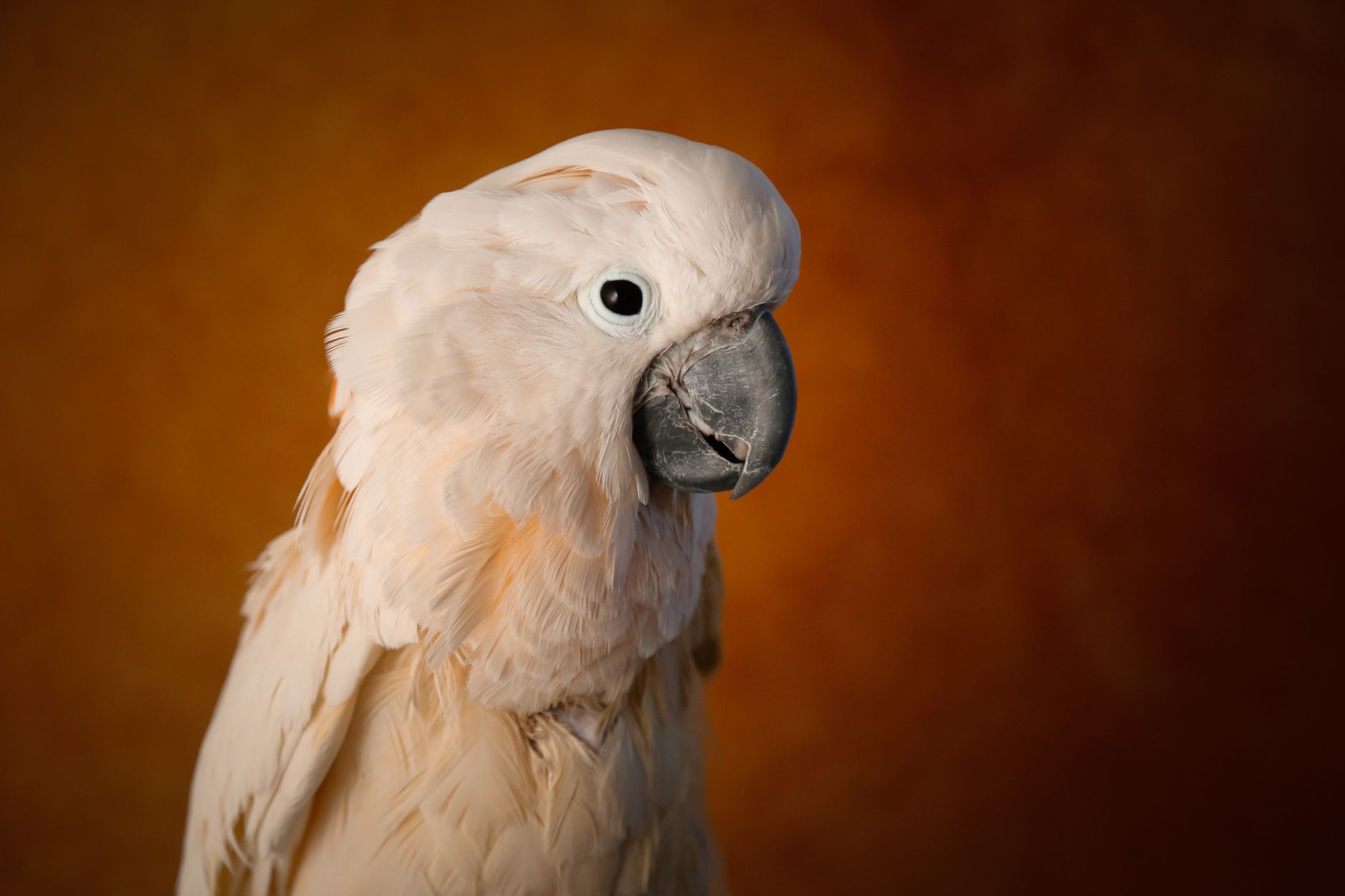
Thinking about bringing a cockatoo into your life? Let me tell you, it’s a decision that will fundamentally change your household, and not always for the better if you’re not prepared. These aren’t your average parakeets; cockatoos are incredibly intelligent, complex social creatures that demand a significant commitment. Forget the idea of a quiet, decorative bird perched passively on a stand. Cockatoos are loud, they’re needy, and they can be downright destructive if their needs aren’t met. I’ve seen friends absolutely adore their cockatoos, showering them with attention and creating enriching environments that make these birds thrive. I’ve also seen others, completely unprepared for the reality, struggle immensely, leading to stressed birds and overwhelmed owners. So, before you even think about visiting a breeder or a rescue, let’s get brutally honest about what owning a cockatoo truly entails. Are they good pets? That’s a loaded question, and the answer is a resounding ‘it depends,’ but mostly, it depends on *you*.
The Cockatoo’s Sonic Assault: Understanding Their Vocalizations
Let’s address the elephant in the room, or rather, the squawking, screaming bird on the perch: noise. Cockatoos are LOUD. And I don’t mean a polite chirp; I mean ear-splitting, window-rattling screams that can reach upwards of 130 decibels. For context, a jet engine at takeoff is around 140 decibels. This isn’t just for show; it’s their natural form of communication, used for alarm calls, social bonding, and expressing excitement or distress. When I first visited a friend who owned a Moluccan cockatoo named ‘Raja,’ I was taken aback. He’d greet me with a full-throated “HELLO!” that echoed through the entire house, even from his cage in another room. It’s not a constant barrage, but when they decide to vocalize, you’ll know. This vocal nature means they are absolutely unsuitable for apartment living or situations where noise is a significant concern. Imagine your neighbor calling the landlord because your bird decided to have a “talking fit” at 6 AM on a Sunday. It’s a real possibility.
Their vocalizations aren’t just random noise, either. They learn to mimic sounds, and some can develop an impressive vocabulary, though this varies greatly by individual and species. My friend’s Raja could whistle the theme song to an old TV show and even mimic the microwave beep. However, this mimicry can also include sounds you’d rather they didn’t pick up, like the smoke detector low-battery chirp or the sound of a car alarm. Training them to be quiet on command is possible to a degree, but it requires immense patience, consistency, and understanding of positive reinforcement techniques. You’ll need to reward silence and redirect attention when they start to get too loud. It’s a daily effort, not a one-time fix, and even then, there will be times they just need to be loud. So, if your peace and quiet are paramount, a cockatoo is likely not your feathered friend.
Intelligence and Social Needs: More Than Just a Pretty Face
Cockatoos are often described as having the intelligence of a human toddler, and frankly, that’s not an exaggeration. This high intelligence is a double-edged sword. On one hand, it makes them incredibly engaging companions capable of learning tricks, solving puzzles, and interacting with you on a deeply intellectual level. On the other hand, it means they get bored easily, and a bored cockatoo is a recipe for disaster. They need constant mental stimulation. This isn’t just about a few minutes of training each day; it’s about providing a varied environment with foraging toys, puzzle feeders, and opportunities for exploration and interaction. When I set up a new foraging toy for my friend’s cockatoo, the sheer focus and excitement were astounding. It kept him occupied for over an hour, a significant achievement.
Their social needs are equally, if not more, demanding. In the wild, cockatoos live in flocks and form strong pair bonds. As pets, they will often bond intensely with their primary caregiver, viewing them as their flock member. This means they require significant daily interaction. We’re talking hours, not minutes. If you work long hours away from home or travel frequently, a cockatoo is probably not the best choice. They can develop severe separation anxiety, leading to feather plucking, excessive screaming, and other destructive behaviors. I’ve heard stories of cockatoos literally destroying furniture out of loneliness and boredom. They need to be part of the family’s activities, included in conversations, and generally treated as an equal member of the household. This level of integration requires a lifestyle adjustment for the entire family.
The Commitment Factor: Lifespan and Daily Care
Let’s talk longevity. Cockatoos are not short-term pets. Many species can live for 50, 60, or even 70+ years in captivity. The Umbrella Cockatoo, for instance, has a lifespan of 40-60 years, while the Moluccan Cockatoo can easily reach 70 years or more. This means you could potentially be caring for your cockatoo for longer than you’ve been alive. This isn’t a pet you get for your children to grow up with; this is a pet that might outlive you, and you need to consider who will care for them if something happens to you. I know of a cockatoo whose owner passed away, and the bird, already in its 40s, had to be rehomed. It was incredibly stressful for the bird, and finding a suitable new home willing to take on such a long-lived and demanding creature was a significant challenge.
Beyond the lifespan, the daily care is intensive. Their cages need to be cleaned daily, food and water bowls refreshed, and their toys rotated. They require a balanced diet, which typically includes high-quality pellets, fresh fruits, vegetables, and occasional seeds or nuts. This isn’t just throwing some birdseed in a bowl. Preparing their meals can take time, especially if you’re aiming for optimal nutrition. Furthermore, they need out-of-cage time every single day for exercise and socialization. This time needs to be supervised, as they can chew on anything and everything, from electrical cords to furniture. Think about the sheer amount of supervision required. It’s akin to having a very curious, very destructive toddler who can fly.
Destructive Tendencies: Chewing and Beyond
If you value your furniture, your belongings, or even your walls, you need to be aware of a cockatoo’s natural inclination to chew. Their beaks are incredibly powerful, designed for cracking nuts and breaking down tough materials. In a home environment, this translates to a relentless urge to chew. This is where providing appropriate chew toys becomes paramount. A good cockatoo owner will spend a significant amount of money on a variety of destructible toys – wood, cardboard, leather, even specialized bird-safe foraging toys. When I visited a cockatoo owner, I noticed their house was surprisingly intact. The secret? A constant supply of new toys and a vigilant eye. The owner explained they’d go through at least $50-$100 worth of toys per month, and the bird still had access to supervised “safe” chewing areas.
This chewing isn’t just about destruction; it’s also a natural behavior that helps keep their beaks healthy and provides mental stimulation. However, without proper outlets, they will find their own. This can include chewing on cage bars, furniture legs, houseplants, books, remote controls, and anything else they can get their beaks on. This is why supervised out-of-cage time is crucial. You need to “bird-proof” the area they’ll be in, removing anything valuable or potentially dangerous. Think of it like dog-proofing, but with a creature that can fly and has a beak that can do more damage than a puppy’s teeth. Some owners even resort to specialized “parrot-proof” furniture or enclosures when the bird is out of its cage, which is a considerable additional expense.
Health Considerations: Common Issues and Vet Care
Like all animals, cockatoos are susceptible to various health issues. Some common problems include psittacine beak and feather disease (PBFD), a viral disease that can be devastating, leading to feather loss and immune system compromise. They can also suffer from respiratory infections, metabolic bone disease (often due to poor diet), liver disease, and issues related to stress and malnutrition. Feather plucking, as mentioned earlier, is a significant behavioral and often health-related issue stemming from stress, boredom, or medical problems. It’s a heartbreaking condition to witness, and reversing it can be a long and difficult process.
Finding an avian veterinarian who is experienced with large parrots is absolutely essential. These vets are specialists, and their services are generally more expensive than those for cats or dogs. A routine check-up can cost anywhere from $100 to $300, and specialized diagnostics or treatments can run into the thousands. For example, a diagnostic workup for PBFD or other viral infections might involve blood tests and DNA testing, costing upwards of $500. Regular vet visits are crucial for monitoring their health and catching potential problems early. Neglecting their health needs or trying to save money by skipping vet visits can lead to much more severe and costly problems down the line, not to mention immense suffering for the bird.
The Cost of Cockatoo Companionship
Let’s break down the financial commitment, because it’s substantial. The initial purchase price of a cockatoo can range from $1,000 to $4,000 or even more, depending on the species, breeder reputation, and availability. For example, a healthy Goffin’s cockatoo might be on the lower end, while a rare or particularly desirable species like a Black Palm Cockatoo could easily exceed $10,000. But the purchase price is just the tip of the iceberg. You’ll need a large, sturdy cage. A cage suitable for a cockatoo can cost anywhere from $500 to $2,000 or more. These aren’t small birdcages; they need to be spacious enough for the bird to spread its wings and move around comfortably. I’ve seen some truly impressive custom-built aviaries that cost well over $5,000.
Ongoing costs are significant too. Food, which should be a high-quality pellet base supplemented with fresh produce, can cost $50-$100 per month. Toys are a major expense, as they need to be replaced frequently due to chewing; budget at least $50-$100 per month for toys alone. Veterinary care, as mentioned, is a major factor. Even with a healthy bird, expect annual check-ups and potential emergency visits. Add to this grooming supplies (nail trims, beak trims if necessary), potential training classes, and enrichment activities. Over a 60-year lifespan, the total cost of ownership for a cockatoo can easily exceed $100,000, and that’s not including unexpected major medical bills. It’s a serious financial undertaking that many people simply don’t consider.
So, Do Cockatoos Make Good Pets?
My honest take? Cockatoos can make incredible pets, but only for a very specific type of owner. They are not for the faint of heart, the easily annoyed, or those with limited time and resources. If you are someone who thrives on deep, complex relationships, has a flexible schedule that allows for hours of daily interaction, enjoys constant mental stimulation and training, and can tolerate significant noise and potential destruction, then yes, a cockatoo might be the most rewarding companion you could ever ask for. They offer unparalleled intelligence, a unique personality, and a profound bond that many owners cherish. They can learn to be affectionate, funny, and deeply integrated into your life. It’s like having a feathered, incredibly loud toddler who can fly.
However, for the vast majority of people, the answer is a resounding no. The demands of a cockatoo are simply too high for most modern lifestyles. The noise, the neediness, the potential for destructive behavior, the immense lifespan, and the significant financial commitment are all factors that can lead to heartbreak for both the bird and the owner. If you’re looking for a pet that’s relatively low-maintenance, quiet, and doesn’t require your constant attention, a cockatoo is absolutely not the bird for you. It’s crucial to do your research, understand the trade-offs, and be brutally honest with yourself about your capacity to meet these demanding needs before even considering bringing one of these amazing but challenging creatures into your home. Perhaps start with a smaller, less demanding parrot species if you’re new to avian companionship.
Frequently Asked Questions
Are cockatoos affectionate?
Yes, cockatoos can be incredibly affectionate, but their affection is often intense and requires a strong bond built on trust and consistent interaction. They often bond very closely with one or two individuals and may be wary or even aggressive towards strangers. Their affection can manifest as wanting to be physically close, preening their owner, and engaging in playful interactions. However, this affection is not guaranteed and depends heavily on the individual bird, its upbringing, and the owner’s ability to meet its complex social and emotional needs. If their needs are not met, they can become clingy to the point of anxiety or even aggressive.
Can a cockatoo be left alone?
Cockatoos absolutely cannot be left alone for extended periods. They are highly social creatures and require several hours of direct interaction and supervision daily. Leaving a cockatoo alone for more than a few hours can lead to severe anxiety, depression, and behavioral problems like feather plucking and screaming. If you work a typical 9-to-5 job, you would need to arrange for someone to be home with the bird during the day or ensure it has a very stimulating and safe environment with plenty of enrichment, but even then, it’s not ideal. Many owners structure their lives around their cockatoo’s needs, working from home or having family members share care duties.
What is the quietest type of cockatoo?
There is no truly “quiet” cockatoo. All cockatoo species are naturally vocal and can be very loud. Some smaller species, like the Goffin’s cockatoo or the Rose-breasted cockatoo (Galah), might be perceived as slightly less deafening than larger species like the Moluccan or Umbrella cockatoo, but they will still vocalize loudly. Their noise is a fundamental part of their communication and nature. If you are seeking a quiet bird, a cockatoo is likely not the best choice; you might consider species like Budgerigars or Cockatiels, though even they can be noisy at times.
How much out-of-cage time does a cockatoo need?
A cockatoo needs a minimum of 3-4 hours of supervised out-of-cage time every single day. This time is crucial for their physical exercise, mental stimulation, and socialization. During this time, they should be allowed to interact with their owner, explore a safe environment, and engage with various toys. This period is not just for their enjoyment; it’s essential for their well-being and for preventing the development of destructive behaviors and psychological distress. The more time and quality interaction you can provide, the happier and healthier your cockatoo will be.
Related from our network
- Do Cockatoos Make Good Pets? (featherden)
- Do Cockatoos Make Good Pets? Pros Cons and Care Requirements (featherden)
- Cockatiel vs Parakeet: Which Bird Is Right for You? (featherden)
For the Love of Your Pet
Care guides, breed insights, and gentle advice for happier pets.