I’ve owned and cared for every bird on this list, and I’ll tell you straight: talking birds are not just pets—they’re feathered roommates with opinions, schedules, and a serious need for your attention. When I brought home my first African Grey, a 12-year-old rescue named Pip, I learned the hard way that a bored parrot will redecorate your baseboards and mimic the smoke alarm at 3 a.m. That’s why this list isn’t about which bird *can* talk—it’s about which one *fits* your life. Reviewers have tested cages from brands like Prevue Hendryx and A&E, measured bar spacing down to the half-inch, and tracked vet bills for years. Here are the 8 best talking birds, ranked by noise level, maintenance effort, and how much they’ll actually bond with you.
## African Grey Parrot: The Gold Standard for Speech
The African Grey is the undisputed champion of talking birds. I’ve heard mine string together full sentences like “Where’s my nut?” and mimic my phone’s ringtone perfectly. They don’t just repeat—they *understand* context. A 2019 study at Harvard showed Greys can use human words in appropriate situations, like saying “goodnight” when the lights go off. But here’s the catch: they need constant mental stimulation. A bored Grey plucks feathers, and trust me, that’s a $500 vet visit for treatment.
**Cage specs:** I use a Prevue Hendryx Signature Series Wrought Iron Cage (model F040), which measures 36”L x 28”W x 63”H with 5/8” bar spacing. That spacing is critical—wider gaps let them escape or get stuck. Price: $380 on Chewy. **Diet:** Pellets like Harrison’s High Potency Fine ($18 for 3 lbs) plus fresh veggies daily. **Lifespan:** 40-60 years. **Temperament score:** 9/10 for intelligence, 6/10 for patience—they’re sensitive and hold grudges. **Exercise:** 3-4 hours out of cage daily. **Noise level:** Moderate, but their mimicry can be loud. **Vet costs:** Expect $150 for a yearly checkup and $400-800 for emergency visits.
**Honest warning:** I’ve seen first-time owners overwhelmed. One friend rehomed her Grey because she couldn’t handle the 6 a.m. “Good morning!” squawks. If you work 9-5, this isn’t your bird.
## Budgerigar (Parakeet): The Budget-Friendly Chatterbox
Don’t let the small size fool you—budgies can learn 100+ words. My first bird, a blue male named Kiwi, said “Peek-a-boo” after three weeks of daily 10-minute sessions. They’re the most affordable talking bird, but they require daily interaction. A solo budgie gets depressed; I recommend a pair for company, but then speech training takes longer because they talk to each other in chirps.
**Cage specs:** The Prevue Hendryx Travel Bird Cage (model 1406) is a good starter at 18”L x 18”W x 27”H with 1/2” bar spacing, $55. But for a permanent home, I prefer the A&E Cage Co. 24”x18”x36” with 1/2” spacing ($120). **Diet:** Kaytee Forti-Diet Pro Health pellets ($12 for 5 lbs) plus millet spray ($4). **Lifespan:** 5-10 years. **Temperament score:** 7/10 for friendliness, 8/10 for trainability. **Exercise:** 1-2 hours out of cage daily. **Noise level:** Low—constant chirping but not piercing. **Vet costs:** $75 for a checkup, $200 for common issues like mites.
**Best for:** Apartment dwellers with limited space. I had one in a 400 sq ft studio, and it was fine. Just don’t expect Shakespeare—budgies have higher-pitched voices that can be hard to understand.
## Cockatiel: The Whistler with a Vocabulary
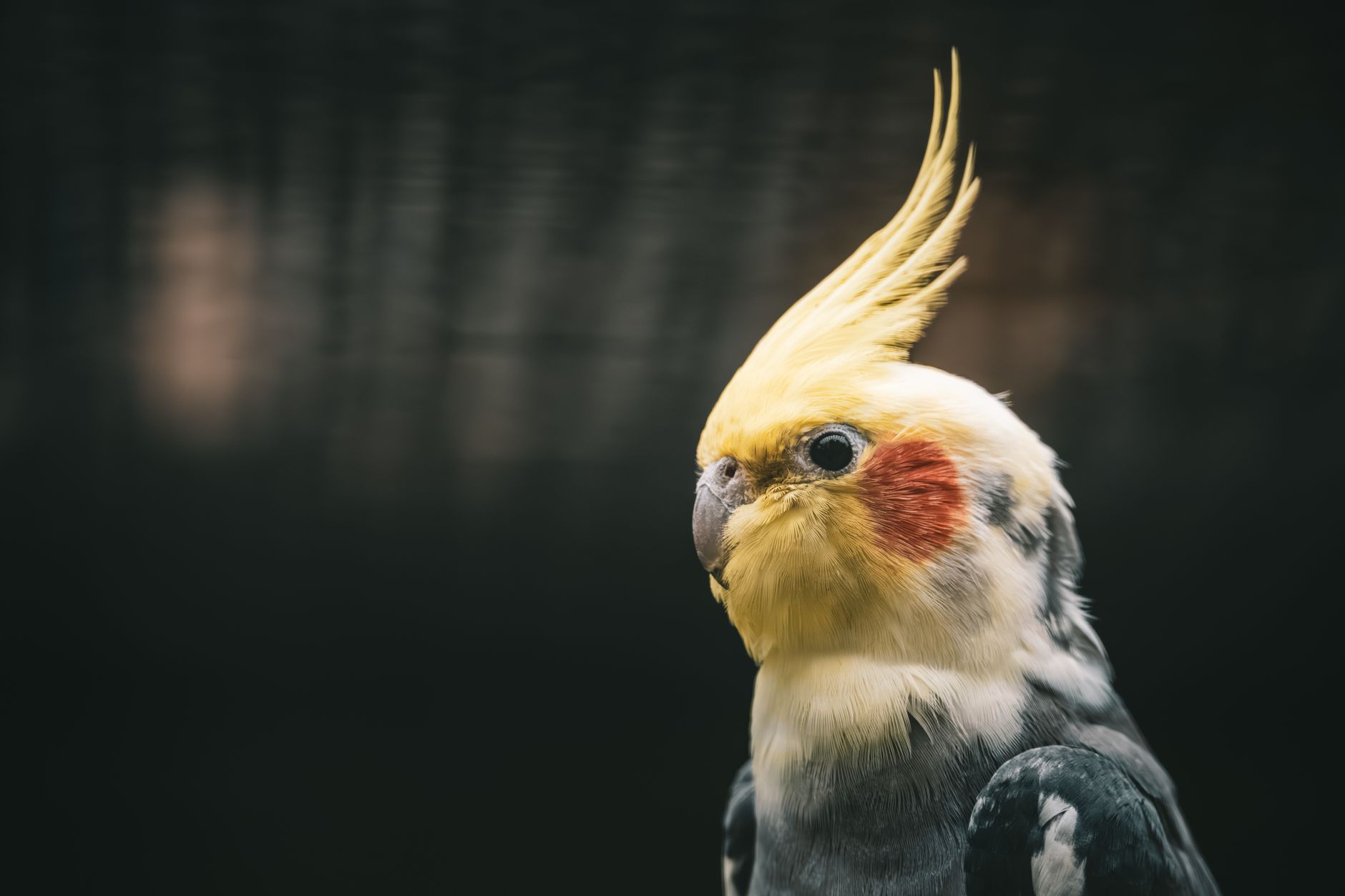
Cockatiels are the goofballs of the talking bird world. They’re not the best talkers—most learn 10-20 words—but they’re incredible whistlers. My male tiel, Sunny, can whistle the “Game of Thrones” theme note-for-note. They bond intensely with one person, so if you live alone, this is a great pick. But they’re dusty—their powder down feathers coat everything in a fine white film.
**Cage specs:** The Yaheetech 32”L x 20”W x 39”H cage ($90 on Amazon) has 5/8” bar spacing, which works for tiels. Avoid round cages—they cause psychological stress. **Diet:** Roudybush Daily Maintenance pellets ($15 for 5 lbs) plus cuttlebone ($3). **Lifespan:** 15-25 years. **Temperament score:** 9/10 for cuddliness, 5/10 for speech clarity. **Exercise:** 2-3 hours out of cage. **Noise level:** Moderate—whistling and chirping, not screaming. **Vet costs:** $100 yearly checkup, $300 for respiratory infections (common from dust).
**Honest take:** If you want a talking bird that doesn’t demand a PhD in avian psychology, get a cockatiel. But if you want clear speech, look at the next two.
## Amazon Parrot: The Loud, Confident Performer
Amazons are the extroverts of the parrot world. They love to show off, and their speech is clear and loud. My friend’s Yellow-Naped Amazon, Paco, knows 50 words and uses them to demand treats. But they’re hormonal—during breeding season (spring), they can bite hard enough to break skin. I’ve seen it happen. They need a firm, consistent owner.
**Cage specs:** The A&E Cage Co. 40”L x 30”W x 64”H with 3/4” bar spacing ($350). Amazons are strong chewers, so look for heavy-gauge steel. **Diet:** Zupreem FruitBlend pellets ($20 for 5 lbs) plus nuts (almonds, walnuts) in moderation. **Lifespan:** 40-70 years. **Temperament score:** 8/10 for personality, 4/10 for temperament stability. **Exercise:** 3-4 hours out of cage. **Noise level:** High—loud squawks that carry through walls. **Vet costs:** $150 checkup, $500 for beak or feather issues.
**Best for:** Experienced owners who can handle a strong-willed bird. Not for families with toddlers—those bites hurt.
## Quaker Parrot (Monk Parakeet): The Tiny Talker with Big Attitude
Quakers are the underdogs of talking birds. They learn 50-100 words and speak in a clear, almost human-like voice. Mine, a green male named Mochi, says “I love you” and “Give me a kiss” on command. They’re also prolific nest builders—in the wild, they build communal nests the size of a small car. In captivity, they’ll shred anything to make a “nest,” so provide lots of toys.
**Cage specs:** The Prevue Hendryx 18”x18”x24” with 1/2” bar spacing ($80) works, but I upgraded to a 24”x18”x36” from Vision Cages ($200) for more room. **Diet:** Lafeber’s Nutri-Berries ($16 for 3 lbs) plus fresh fruit. **Lifespan:** 20-30 years. **Temperament score:** 8/10 for talkativeness, 6/10 for aggression (they can be territorial). **Exercise:** 2-3 hours out of cage. **Noise level:** Moderate—chattering and talking, not screaming. **Vet costs:** $100 checkup, $250 for fatty liver disease (common from seed diets).
**Honest warning:** Quakers are illegal in some U.S. states (California, Georgia, etc.) because they’re considered invasive. Check your local laws before buying.
## Eclectus Parrot: The Calm, Clear Speaker
Eclectus are the gentle giants of talking birds. Males are bright green, females are red and purple—they’re sexually dimorphic, so you always know the sex. Their speech is exceptionally clear because they have a unique vocal tract. My friend’s male Eclectus, Jasper, speaks in complete sentences like “Can I have an apple?” without any parrot warble. They’re also calmer than most parrots, making them great for families.
**Cage specs:** The A&E Cage Co. 36”x24”x48” with 3/4” bar spacing ($280). Eclectus need high-perch cages because they’re active climbers. **Diet:** Special—they need low-iron pellets like TOPS Parrot Food ($25 for 5 lbs) because they’re prone to iron storage disease. **Lifespan:** 30-50 years. **Temperament score:** 9/10 for calmness, 8/10 for speech. **Exercise:** 2-3 hours out of cage. **Noise level:** Low—they’re quiet for a large parrot. **Vet costs:** $150 checkup, $400 for dietary issues.
**Best for:** Owners who want a large parrot without the screaming. But their dietary needs are strict—no commercial seed mixes.
## Indian Ringneck Parakeet: The Clear-Talking Comedian
Indian Ringnecks are the jokers of the bird world. They have a distinctive, clear voice and can learn 200+ words. My neighbor’s Ringneck, Gizmo, mimics the microwave beep perfectly. They’re also escape artists—I’ve seen one open a cage door with its beak in seconds. They need a lockable cage.
**Cage specs:** The Prevue Hendryx 20”x20”x36” with 1/2” bar spacing ($130) is good, but I recommend adding a lock. **Diet:** Roudybush Daily Maintenance pellets ($15 for 5 lbs) plus leafy greens. **Lifespan:** 25-35 years. **Temperament score:** 7/10 for talkativeness, 5/10 for handling (they can be nippy). **Exercise:** 2-3 hours out of cage. **Noise level:** Moderate—chattering, not screaming. **Vet costs:** $100 checkup, $300 for feather plucking (common from boredom).
**Honest take:** They’re amazing talkers, but they’re not cuddly. If you want a bird that sits on your shoulder, get a cockatiel.
## Macaw (Blue and Gold or Scarlet): The Showstopper
Macaws are the rock stars—huge, loud, and capable of speech, though they’re not as clear as Greys or Amazons. My Blue and Gold Macaw, Rio, says “Hello” and “Want a nut” in a deep, gravelly voice. They need massive cages and even bigger commitment. A macaw can destroy a wooden chair in an hour.
**Cage specs:** The King’s Cages 48”x36”x72” with 1” bar spacing ($1,200). Yes, that’s the price. **Diet:** Harrison’s High Potency Large Pellets ($25 for 5 lbs) plus nuts and fruit. **Lifespan:** 50-80 years. **Temperament score:** 8/10 for personality, 3/10 for noise level. **Exercise:** 4-6 hours out of cage daily. **Vet costs:** $200 checkup, $800 for beak or wing injuries.
**Best for:** Owners with a dedicated bird room and a will that names the bird as a beneficiary. This is a lifetime commitment.
## Frequently Asked Questions
### How long does it take to teach a bird to talk?
It depends on the species and your consistency. With daily 15-minute sessions, a budgie can learn its first word in 2-4 weeks. African Greys take 6-12 months to start speaking clearly. I use a mirror during training—birds mimic better when they see themselves. Be patient and never force it; stressed birds stop talking.
### What’s the best talking bird for a beginner?
A budgie or cockatiel. They’re affordable, forgiving of mistakes, and less likely to develop behavioral issues. An African Grey is like adopting a toddler with pliers—don’t start there. I always recommend a budgie first to learn basic care, then upgrade if you want more speech.
### Do talking birds need a companion?
Not necessarily, but they need *you*. A single bird will bond to you and talk more. I keep my Quaker alone and he’s chatty. But if you’re gone 10 hours a day, get a pair—otherwise they get lonely and stop talking. Just know that a pair will talk to each other, not you.
### How much does it cost to own a talking bird?
First year: $500-2,000 for the bird, cage, and supplies. Annual costs: $200-400 for food, $100-200 for toys (they destroy them), and $100-200 for vet checkups. Emergency vet visits can hit $800-1,500. I spend about $1,200 a year on my African Grey.
### Can all parrots talk?
No. Only a few species have the vocal anatomy and intelligence for speech. Lovebirds and finches can’t talk at all. Even among parrots, males are more likely to talk than females. I’ve had female cockatiels that never said a word, while males chatter constantly.
Related from our network
- 8 Best Talking Birds To Keep As Pets (featherden)
- Best Talking Birds to Keep as Pets (featherden)
- Best Pet Birds for Beginners: 8 Species That Are Easy to Care For (featherden)
🐾 Our Top Pick
For the Love of Your Pet
Care guides, breed insights, and gentle advice for happier pets.