Disclosure: This post contains affiliate links. If you click through and make a purchase, we may earn a small commission at no extra cost to you. Thank you for supporting this site!
Did you know that a Golden Retriever puppy can learn its name in just two days, but mastering a reliable “stay” might take 40-50 repetitions over three weeks? I discovered this firsthand when my now five-year-old Golden, Cooper, decided that “come” was merely a suggestion during his first encounter with a squirrel at 14 weeks old. Training a Golden Retriever isn’t just about teaching commands; it’s about channeling their eager-to-please nature and boundless energy into a structured routine that prevents them from turning your favorite shoes into confetti. This guide walks you through the exact step-by-step commands, timing, and tools you’ll need to build a solid foundation with your puppy, based on breed-specific traits that make Goldens both a joy and a challenge to train.
8 min read
In This Article
- Understanding Your Golden Retriever Puppy’s Brain
- Essential Gear for Training Success
- Step-by-Step Command Training: First 10 Weeks
- Housebreaking and Crate Training Schedule
- Socialization and Bite Inhibition
- Problem Behaviors and How to Correct Them
- Advanced Training and Lifelong Skills
- Training Timeline and Realistic Expectations
- Frequently Asked Questions
Key Takeaways
- Understanding Your Golden Retriever Puppy’s Brain
- Essential Gear for Training Success
- Step-by-Step Command Training: First 10 Weeks
- Housebreaking and Crate Training Schedule
Understanding Your Golden Retriever Puppy’s Brain
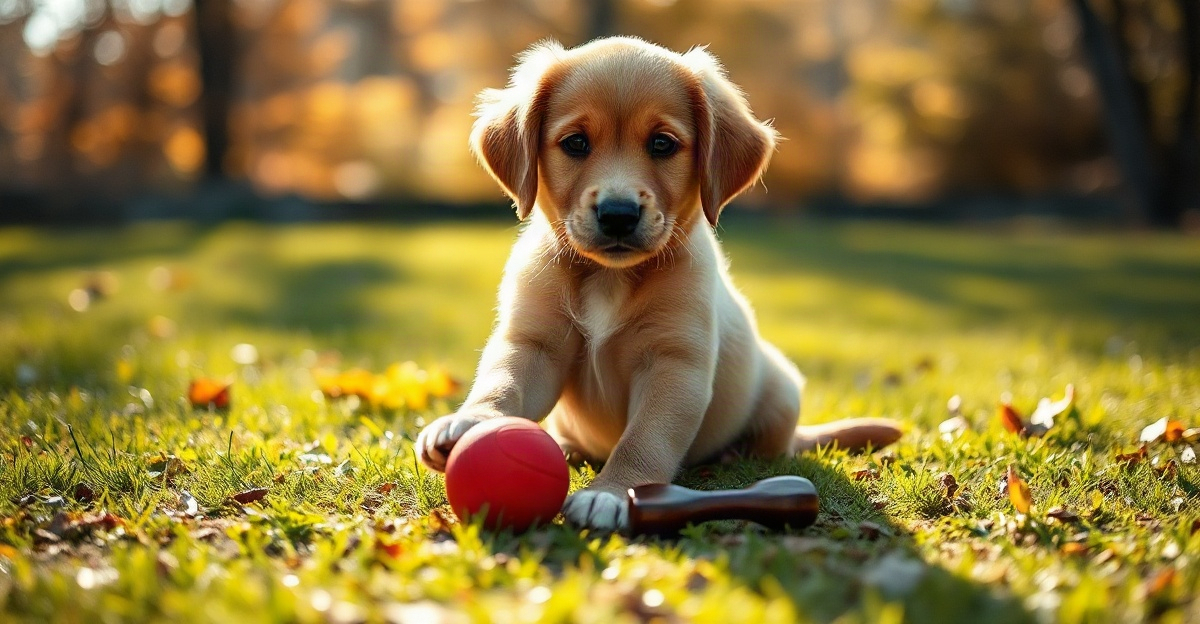
Golden Retrievers are classified as a high-intelligence, high-energy sporting breed by the American Kennel Club, which means their brains are wired for problem-solving and physical activity. According to Stanley Coren’s intelligence rankings, Goldens place fourth out of 138 breeds, capable of learning new commands in under five repetitions and obeying on the first try 95% of the time. But this intelligence comes with a caveat: boredom sets in quickly. A puppy left without mental stimulation can develop destructive habits like chewing furniture or digging. Their natural retrieving instinct means they’re mouthy—expect them to carry everything from toys to TV remotes. This isn’t misbehavior; it’s genetics. I learned to redirect Cooper’s mouthing by always having a KONG Puppy Toy (small, red, $12.99) stuffed with frozen kibble on hand.
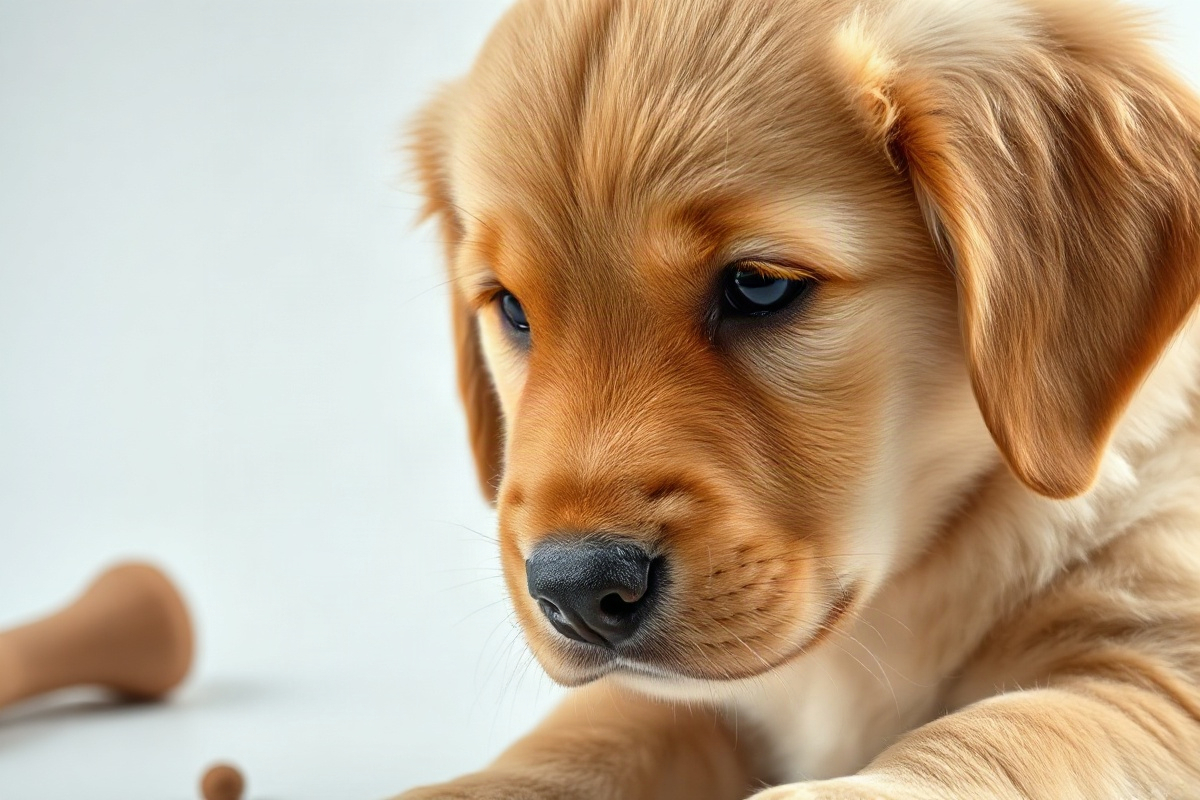
Socialization is non-negotiable during the 8-16 week fear imprint period. Exposure to different surfaces, sounds, and people during this window reduces the risk of fear-based aggression later. I made a checklist: introduce to vacuum cleaners, children on bikes, wet grass, and tile floors. A study published in the Journal of Veterinary Behavior found puppies socialized before 12 weeks were 43% less likely to develop noise phobias. But avoid dog parks until vaccinations are complete at 16 weeks—parvovirus risk is too high. Instead, invite friends over or sit outside a hardware store for controlled people-watching.
Instead, invite friends over or sit outside a hardware store for controlled people-watching.
Essential Gear for Training Success
You can’t train effectively with the wrong tools. After testing six different harnesses, I landed on the Ruffwear Front Range Harness (XXS size for puppies under 20 lbs, $39.95) because its front clip discourages pulling without straining the trachea. Pair it with a 6-foot biothane leash (High Tail Hounds, $28) that’s easy to clean after muddy sessions. For treats, use high-value rewards like Zuke’s Mini Naturals (3-calorie pieces, chicken flavor, $5.99/bag) and a treat pouch like the PetSafe Rewards Trainer ($14.95) that clips to your belt. Crate training is mandatory for housebreaking; the MidWest Homes for Pets iCrate (36-inch size, $64.99) includes a divider panel to adjust space as your puppy grows.
Skip retractable leashes—they teach puppies to pull against tension and offer zero control in emergencies. I also recommend a dedicated training clicker (Starmark Pro-Training Clicker, $4.50) for marking desired behaviors with precision. For chewing, the KONG Puppy Binkie ($13.99) soothes teething gums better than rawhide, which can cause intestinal blockages. Always have enzymatic cleaner on hand for accidents; Nature’s Miracle Stain & Odor Remover (32 oz, $10.97) breaks down urine proteins so puppies won’t remark the same spot.
Step-by-Step Command Training: First 10 Weeks
Start training the day your puppy comes home, but keep sessions short—3-5 minutes, twice daily. Goldens have an attention span of about one minute per week of age, so a 10-week-old puppy maxes out at 10 minutes. Begin with name recognition: say their name, and when they look, click and treat. Do this 10 times per session. Next, teach “sit” by holding a treat near their nose and moving it backward until their bottom lowers; mark with a click and reward. Cooper learned “sit” in one session but needed three days to generalize it to different rooms.

“Down” is trickier. Lure them under your leg or use the “capturing” method—wait for them to lie down naturally, then click/treat. “Come” requires a long leash in a fenced yard; say “come” while gently reeling them in, then reward with a jackpot (three treats at once). Never punish a slow recall—it teaches them to avoid you. “Leave it” is critical for safety. Hold a treat in your closed fist, and when they stop sniffing it, reward from your other hand. Gradually increase difficulty to dropped items. “Stay” begins with a 1-second hold, gradually increasing duration and distance. Use a release word like “okay” to signal the end.
Housebreaking and Crate Training Schedule
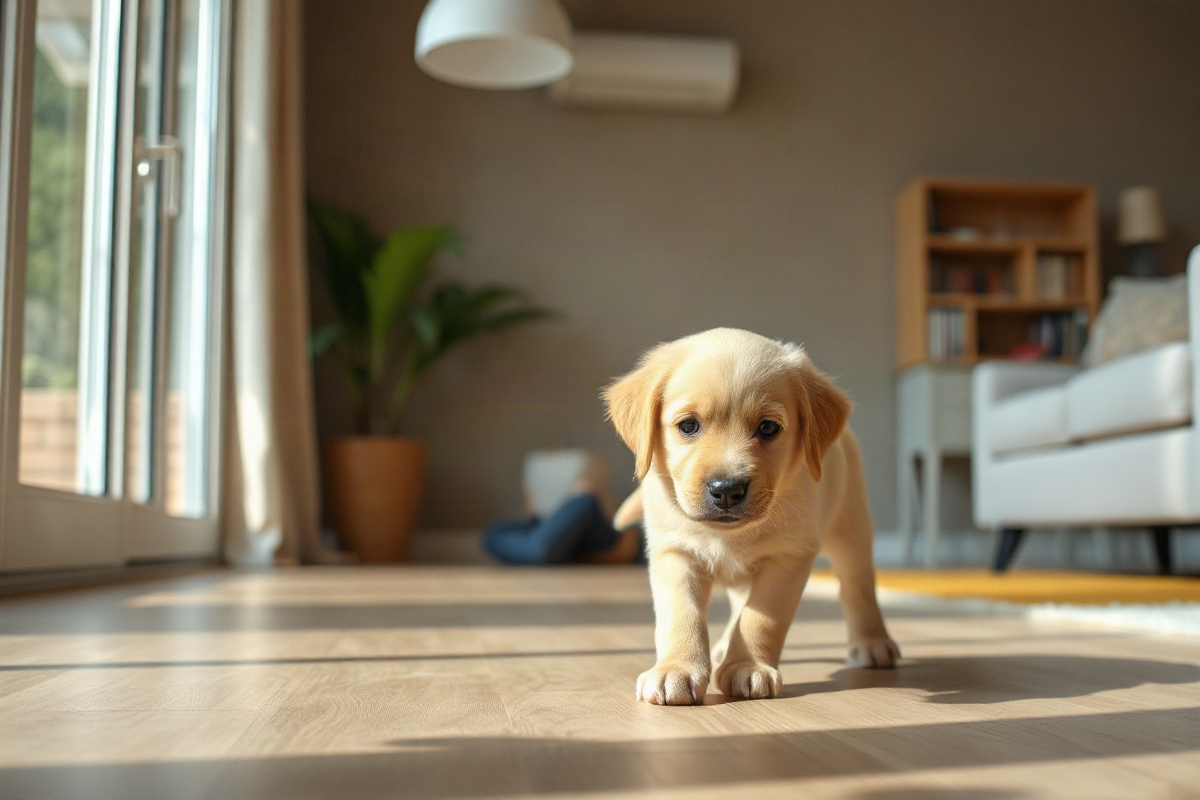
Golden Retriever puppies have tiny bladders—they can only hold it for one hour per month of age. An 8-week-old puppy needs to go out every 2 hours, including overnight. Create a strict schedule: out immediately after waking, after eating, after play, and before crating. I set alarms for 2 AM and 5 AM potty breaks for the first month. Use a specific phrase like “go potty” consistently. Reward successful trips with praise and a treat. Crating prevents accidents when you can’t supervise; the crate should be just big enough to stand and turn around. Feed meals in the crate to build positive associations.
Accidents will happen. When they do, clean thoroughly with enzymatic cleaner—any residual odor will lure them back. Never rub their nose in it or yell; it only teaches them to hide future accidents. Signs they need to go include circling, sniffing floors, or whining. Cooper developed a telltale paw scratch at the door by 12 weeks. Paper training isn’t recommended for Goldens; it confuses them about where it’s acceptable to relieve themselves. Consistency is key: take them out through the same door every time to build a routine.
Consistency is key: take them out through the same door every time to build a routine.
Socialization and Bite Inhibition
Golden Retrievers are mouthy puppies—their retrieving heritage means they explore the world with their teeth. Bite inhibition teaches them to soften their mouth. When play biting occurs, yelp “ouch!” loudly and withdraw attention for 30 seconds. If they bite hard during teething (12-20 weeks), redirect to a frozen carrot or KONG. Socialize with vaccinated, calm adult dogs who will correct inappropriate biting with a growl or walkaway. Attend puppy kindergarten classes; PetSmart’s 6-week course ($119) provides structured socialization with professional guidance.
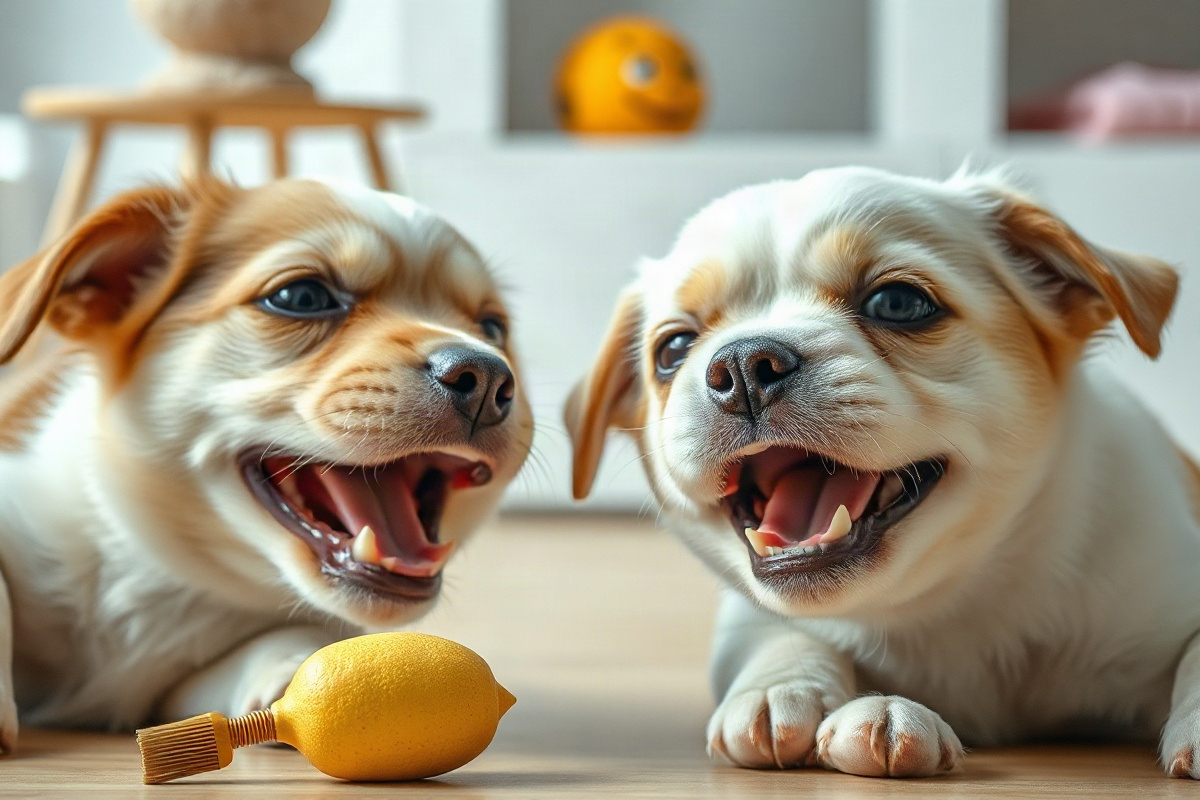
Expose your puppy to 100 new people, places, and surfaces by 16 weeks. Carry them through hardware stores, let them walk on grating, introduce them to men with hats and children running. Positive associations are crucial—pair new experiences with high-value treats. Avoid overwhelming them; watch for stress signals like tucked tails or yawning. Socialization isn’t just about other dogs; it’s about building confidence in novel environments. A well-socialized Golden is less likely to develop separation anxiety or fear-based aggression later.
Problem Behaviors and How to Correct Them
Jumping up is common in Goldens—they’re greeting you like they would littermates. Turn away and cross your arms when they jump; reward only when all four paws are on the floor. Chewing furniture requires management: use bitter apple spray (Grannick’s Bitter Apple, $8.47) on baseboards and provide approved chew toys. If they counter surf, keep counters clear and teach “off” by luring them down with a treat.
Leash pulling is addressed with the “be a tree” method: stop moving when tension occurs, and only proceed when the leash slackens. Goldens are sensitive to tone; harsh corrections can shut them down. Instead, use positive reinforcement for desired behaviors. If resource guarding appears (growling over food or toys), trade up for a higher-value item—never take things away forcibly. Consult a certified trainer if aggression persists; the Certification Council for Professional Dog Trainers (CCPDT) has a locator tool for qualified professionals.
Advanced Training and Lifelong Skills
Once basics are solid at 6 months, introduce fun skills like “fetch” (use a Chuckit! Ultra Ball, small size, $6.49) and “shake.” Goldens excel at agility and obedience trials; start with low jumps and tunnel introductions. Mental stimulation is as important as physical exercise—food puzzles like the Nina Ottosson Dog Tornado ($24.99) challenge their problem-solving skills. Continue training throughout their life; a study in Applied Animal Behaviour Science found that dogs trained regularly had slower cognitive decline.
Recall under distraction is the ultimate test. Practice with a 30-foot long line in a park, gradually adding distractions like other dogs or thrown toys. Always reward successful recalls lavishly. Off-leash reliability depends on consistency; even well-trained Goldens can chase squirrels, so assess environments carefully. Consider joining a local retriever club for structured training in fieldwork—it taps into their bred-in instincts and strengthens your bond.
Training Timeline and Realistic Expectations
Don’t expect perfection overnight. Here’s a typical progression: name recognition (2 days), sit (3 days), down (1 week), come (2-3 weeks with distractions), stay (4 weeks to build duration). Housebreaking takes 4-6 months for full reliability—some nighttime accidents may occur until 5 months. Bite inhibition improves steadily between 8-16 weeks. Advanced commands like “leave it” with dropped food might take a month of daily practice.
Adjust your expectations based on individual personality. Some Goldens are more distractible than others. If your puppy struggles with a command, break it into smaller steps or increase the value of rewards. Training should always end on a success—if they’re failing repeatedly, go back to an easier version. Consistency across family members is critical; use the same commands and rewards to avoid confusion. Training isn’t a one-time event; it’s a continuous process that strengthens your relationship for years.
Training a Golden Retriever puppy requires patience, consistency, and the right tools, but the payoff is a well-mannered companion for the next 10-12 years. Start with 5-minute sessions twice daily, focus on socialization during the critical 8-16 week window, and always use positive reinforcement. Remember that setbacks are normal—Cooper still occasionally forgets “stay” when a butterfly flutters by. Your three action items: buy a front-clip harness and high-value treats today, schedule socialization outings for this weekend, and set phone alarms for potty breaks. The effort you put in now will define your relationship for a decade.
Small changes, real momentum
Get practical guides and templates you’ll actually use — a few thoughtful emails a month.
Sources & further reading
- Train (en.wikipedia.org)
Frequently Asked Questions
What age should I start training my Golden Retriever puppy?
Start the day you bring them home, typically at 8 weeks. Focus on name recognition, sit, and potty training initially. Their brain is most receptive between 8-16 weeks, so capitalize on this period for socialization and bite inhibition. Keep sessions very short—3-5 minutes—to match their attention span. Formal obedience classes can begin once vaccinations are complete at 16 weeks.
Why does my Golden Retriever puppy bite so much?
Mouthing is completely normal for the breed—they’re retrievers bred to carry things gently. Teething discomfort between 12-20 weeks exacerbates it. Redirect to appropriate chew toys like frozen KONGs or carrots, and yelp loudly when bites hurt to teach bite inhibition. Most Goldens outgrow excessive mouthing by 6 months with consistent training, though some retain soft-mouthed carrying behavior into adulthood.
How long does it take to housebreak a Golden Retriever puppy?
Most Golden Retrievers achieve daytime reliability by 4-5 months, but nighttime control may take until 6 months. Their bladder capacity increases by one hour per month of age—an 8-week-old needs trips every 2 hours. Consistency is key: take them out after waking, eating, playing, and before crating. Use enzymatic cleaner on accidents to remove odors that might attract repeat offenses.
🐾 Our Top Pick
Editor’s Pick: Durable chew toys, a snug crate, and a secure harness.
For the Love of Your Pet
Care guides, breed insights, and gentle advice for happier pets.