Introduction: Why Your Apartment Doesn’t Have to Limit Your Dog Ownership Dreams
You’ve finally found the perfect apartment—good light, decent square footage, and a landlord who doesn’t hate pets—but now you’re stuck wondering if your lifestyle can actually accommodate a dog without turning your living room into a disaster zone. The good news is that hundreds of thousands of apartment dwellers successfully raise happy, well-adjusted dogs, and the secret isn’t just about size—it’s about matching the right breed to your specific living constraints.
Disclosure: This post contains affiliate links. If you click through and make a purchase, we may earn a small commission at no extra cost to you. Thank you for supporting this site!
In this dog breed comparison, we’re cutting through the fluff and giving you a practical, no-nonsense breakdown of the best small breeds for apartments. Whether you’re a dog breed comparison beginners looking for your first canine companion or someone who’s made the dog breed comparison vs other pet options and decided a dog is right for you, this guide will help you make an informed decision that actually works in real life—not just in a breed encyclopedia.
—
What Makes a Good Apartment Dog? The Five Non-Negotiable Traits
Before we dive into specific breeds, you need a framework for evaluating any dog against your living situation. Not every small dog is automatically apartment-friendly, and some medium-sized breeds actually adapt better than their tiny counterparts. Here’s what matters most:
1. Energy Level and Exercise Needs
Your apartment doesn’t have a backyard. That means every ounce of exercise your dog needs must come from walks, trips to the park, or indoor play. Low-to-moderate energy breeds are your sweet spot. A breed that requires two hours of high-intensity running daily will become destructive and anxious in 700 square feet.
2. Barking Tendency
Thin walls, close neighbors, and shared hallways mean a yappy dog can turn you into the most hated person in the building. Some breeds are naturally more vocal—terriers and certain toy breeds top that list. Look for breeds known for being quiet or selectively vocal.
3. Size and Space Requirements
Smaller is generally better, but there’s nuance. A 5-pound Chihuahua can live happily in a studio, while a 25-pound French Bulldog needs a bit more floor space. The key is matching the dog’s activity radius to your home’s layout.
4. Independence vs. Clinginess
Apartment dogs often spend time alone while you’re at work. Breeds with severe separation anxiety (looking at you, Velcro dogs) can bark nonstop or destroy furniture. You want a dog that’s affectionate but not desperate when left alone for reasonable hours.
5. Shedding and Allergen Load
Small spaces concentrate pet dander and hair. If you or a roommate have allergies, you’ll want to prioritize low-shedding or hypoallergenic breeds. Even without allergies, less hair means less vacuuming in tight quarters.
—
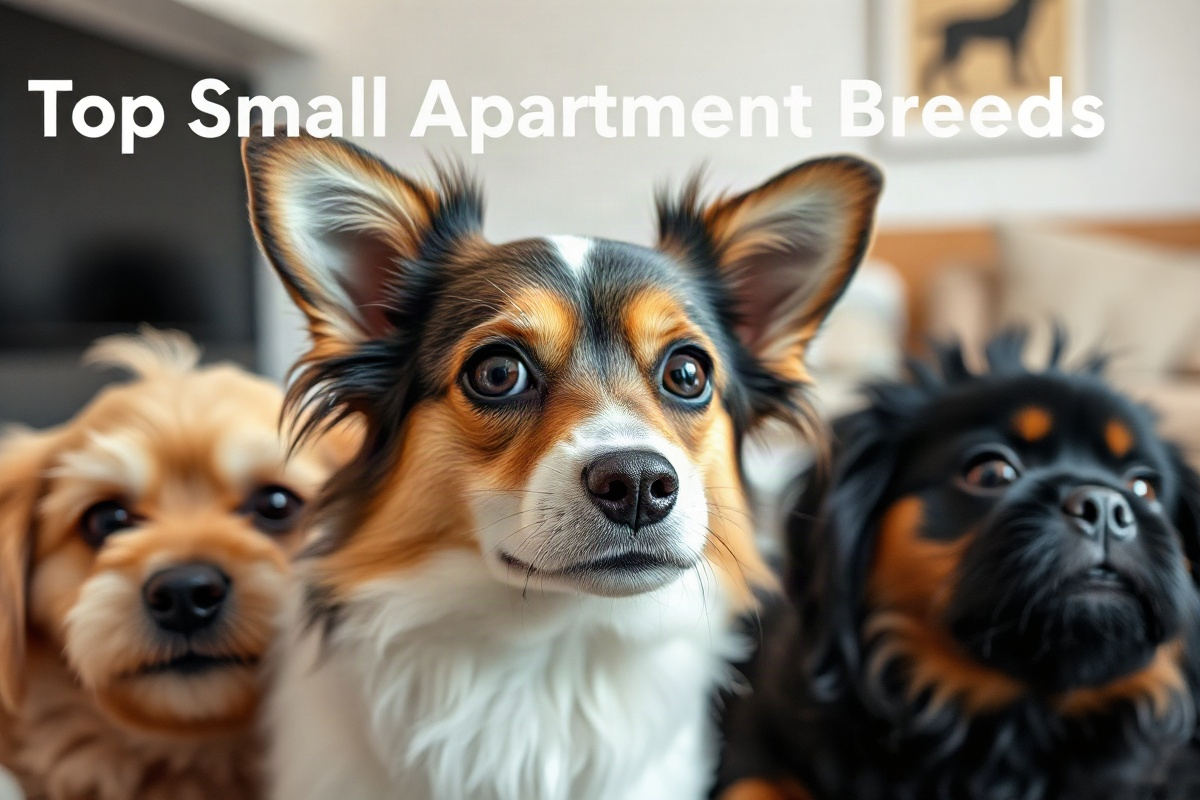
Top Small Apartment Breeds: A Detailed Dog Breed Comparison
We’ve selected six breeds that consistently outperform others in apartment settings. Each profile includes real-world considerations, not just textbook breed standards. Here’s your dog breed comparison beginners checklist:
| Breed | Weight | Energy Level | Barking | Shedding | Trainability | Apartment Score |
|---|---|---|---|---|---|---|
| French Bulldog | 16–28 lbs | Low-Moderate | Low | Moderate | Medium | 9/10 |
| Cavalier King Charles Spaniel | 13–18 lbs | Moderate | Low | Moderate | High | 9/10 |
| Shih Tzu | 9–16 lbs | Low | Low-Moderate | Low (hair, not fur) | Medium | 8.5/10 |
| Boston Terrier | 12–25 lbs | Moderate | Low | Low | High | 8.5/10 |
| Pug | 14–18 lbs | Low-Moderate | Low | High | Medium | 8/10 |
| Havanese | 7–13 lbs | Moderate | Moderate | Very Low | High | 8/10 |
French Bulldog: The Apartment Icon
The Frenchie is the poster child for apartment living for good reason. They’re compact, quiet, and content with a 20-minute walk followed by a four-hour nap. Their brachycephalic (flat-faced) structure means they tire quickly, so you won’t need to run marathons to satisfy them. The trade-off? They snore like a lumberjack, overheat easily, and can be stubborn during training. Real talk: If you work from home and want a constant companion who won’t demand much, this is your breed. Just budget for potential respiratory or skin issues—vet bills for Frenchies can run $500–$1,500 annually.
product recommendation: Invest in a cooling mat for summer months. The Green PetCool Pet Cooling Mat (around $35–$45 on Amazon) gives your Frenchie a cool spot without cranking the AC.
Cavalier King Charles Spaniel: The People-Pleaser
If you want a dog that’s equally happy on a long walk or curled up on the couch, the Cavalier is your match. They’re exceptionally trainable—eager to please and responsive to positive reinforcement. Their moderate energy means they need about 30–45 minutes of activity daily, but they’re not destructive if they miss a day. Watch out for separation anxiety; this breed bonds intensely and doesn’t love being left alone for 9-hour workdays. A dog walker or daycare is strongly recommended.
Cost note: Cavaliers are prone to mitral valve disease and syringomyelia. Pet insurance for this breed typically runs $30–$60/month. Don’t skip it.
Shih Tzu: The Low-Energy Lap Dog
The Shih Tzu was literally bred to be a companion dog for Chinese royalty—they have zero prey drive, minimal exercise needs, and a calm demeanor that fits small spaces like a glove. They’re hypoallergenic because they have hair, not fur, which cuts down on dander. The downside is grooming commitment: you’ll need professional grooming every 4–6 weeks (around $50–$80 per session) or learn to do it yourself. They can also be stubborn about house training, so crate training from day one is non-negotiable.
Boston Terrier: The Clean, Low-Shedding Alternative
Often called the “American Gentleman” for their tuxedo coat, Bostons are smart, clean, and low-shedding—a killer combo for apartments. They have short coats that don’t trap dirt, and they’re generally fastidious about self-grooming. Energy-wise, they’re playful but not hyperactive; a game of fetch in the hallway or a 30-minute walk does the trick. One catch: they’re prone to gas (bloating and flatulence), so you’ll want a high-quality, easily digestible food to keep your apartment smelling fresh.
Food recommendation: Try Hill’s Science Diet Sensitive Stomach & Skin Small Breed (around $28 for a 15-lb bag). It reduces gas and supports coat health.
Pug: The Comedian Who Rarely Barks
Pugs are notorious for their lack of interest in barking. They’re more likely to snort, snore, and follow you around than announce every delivery truck. Their low energy level makes them ideal for apartments, but they shed significantly—those short hairs get woven into carpet and upholstery. A good robot vacuum (like the iRobot Roomba j7+, around $600) is practically mandatory. Pugs also struggle with heat and obesity, so you’ll need to monitor food intake and avoid midday walks in summer.
Havanese: The Hypoallergenic Entertainer
The Havanese is the only breed on this list with a truly hypoallergenic coat (non-shedding, low dander). They’re small, adaptable, and surprisingly sturdy for their size. They have a moderate energy level but can entertain themselves with toys, which is a huge plus for apartment living. The trade-off? They’re moderate barkers—not constant, but they’ll alert you to noises in the hallway. Early training to curb alarm barking is essential. Also, their long, silky coat needs daily brushing and professional grooming every 6–8 weeks.
—
Dog Breed Comparison vs: French Bulldog vs. Cavalier King Charles Spaniel
If you’re stuck between these two top contenders, here’s a direct dog breed comparison vs breakdown to help you decide:
| Factor | French Bulldog | Cavalier King Charles Spaniel |
|---|---|---|
| Daily exercise | 20–30 minutes | 30–45 minutes |
| Training difficulty | Stubborn, needs consistency | Eager to please, easier |
| Alone time tolerance | Moderate (3–5 hours) | Low (2–4 hours max) |
| Noise level | Quiet, but snores loudly | Quiet, but occasional barking |
| Health issues | Respiratory, skin allergies, joint problems | Heart disease, neurological issues |
| Annual vet costs (estimate) | $1,000–$2,000 | $800–$1,500 |
| Recommended for first-time owners? | Yes, with caveats (health complexity) | Yes, ideal for beginners |
The verdict: Choose the French Bulldog if you want a lower-energy, more independent companion and you’re prepared for potential health expenses. Choose the Cavalier if you want a trainable, affectionate dog and you can commit to not leaving them alone for long stretches. For dog breed comparison beginners, the Cavalier is generally the safer bet due to its trainability and fewer extreme health risks.
—
Training and Socialization for Apartment Living: What Actually Works
Having the right breed is step one. Step two is making sure your dog doesn’t become a menace to your neighbors. Here are actionable strategies that work in small spaces:
Potty Training Without a Yard
You can’t just open a door and let your dog out. Use a consistent schedule: take your dog out first thing in the morning, after every meal, after naps, and before bed. For small breeds with tiny bladders, consider a fresh patch or pee pad system for emergencies. The Fresh Patch Real Grass Pad for Dogs (around $25–$35 per patch) is a game-changer for balcony potty training—it’s real grass delivered to your door, and it absorbs odor much better than artificial pads.
Managing Barking in Shared Walls
Start desensitization training early. Record common hallway noises (footsteps, doors closing, elevator dings) and play them at low volume while giving your dog treats. Gradually increase the volume. This is called counter-conditioning, and it works. Also, a white noise machine—like the LectroFan High Fidelity White Noise Machine ($35–$50)—masks hallway sounds and reduces triggers.
Indoor Exercise Hacks
Bad weather or late nights mean you need home workouts. A flirt pole (like the Outward Hound Tail Teaser Dog Flirt Pole, around $20–$30) lets your dog chase a lure in circles without needing much space. Ten minutes of flirt pole is equal to a 30-minute walk for most small breeds. For mental stimulation, use a snuffle mat—it mimics foraging and tires them out faster than physical exercise.
—
Essential Gear for Your Small Apartment Dog
Don’t waste money on stuff that doesn’t work. Here’s what you actually need, with prices:
- Best crate for small apartments: MidWest Homes for Pets iCrate Fold & Carry (around $40–$70). It
For the Love of Your Pet
Care guides, breed insights, and gentle advice for happier pets.