Disclosure: This post contains affiliate links. If you click through and make a purchase, we may earn a small commission at no extra cost to you. Thank you for supporting this site!
Did you know that the average puppy owner spends $2,500 on training and behavior-related costs in the first year, according to a 2023 Rover survey? I learned this the hard way when my first dog, a clever Australian Shepherd named Finn, developed a barking habit I couldn’t break, costing me hundreds in private lessons. The problem wasn’t his intelligence—it was my timing, my consistency, and a handful of common mistakes I didn’t even know I was making. This guide will walk you through the five most common puppy training errors of 2026, rooted in modern behavioral science, and give you the specific, actionable fixes that will save you money, frustration, and your favorite pair of shoes.
7 min read
In This Article
- Mistake #1: Inconsistency in Rules and Commands
- Mistake #2: Punishing Accidents Instead of Managing the Environment
- Mistake #3: Neglecting Mental Stimulation and Nose Work
- Mistake #4: Misunderstanding and Mishandling Bite Inhibition
- Mistake #5: Failing to Socialize Properly (It’s Not Just About Dog Parks)
- Building a Training Foundation That Lasts
Key Takeaways
- Mistake #1: Inconsistency in Rules and Commands
- Mistake #2: Punishing Accidents Instead of Managing the Environment
- Mistake #3: Neglecting Mental Stimulation and Nose Work
- Mistake #4: Misunderstanding and Mishandling Bite Inhibition
Mistake #1: Inconsistency in Rules and Commands
This is the silent killer of good puppy behavior. Inconsistency isn’t just about forgetting a training session; it’s about letting your puppy jump on you when you’re wearing sweatpants but scolding them when you’re in work clothes. Dogs are pattern-seeking creatures, and mixed signals create confusion and anxiety. A 2024 study published in the Journal of Veterinary Behavior found that inconsistent reinforcement schedules increased stress-related behaviors like whining and pacing by over 40% in puppies under six months.
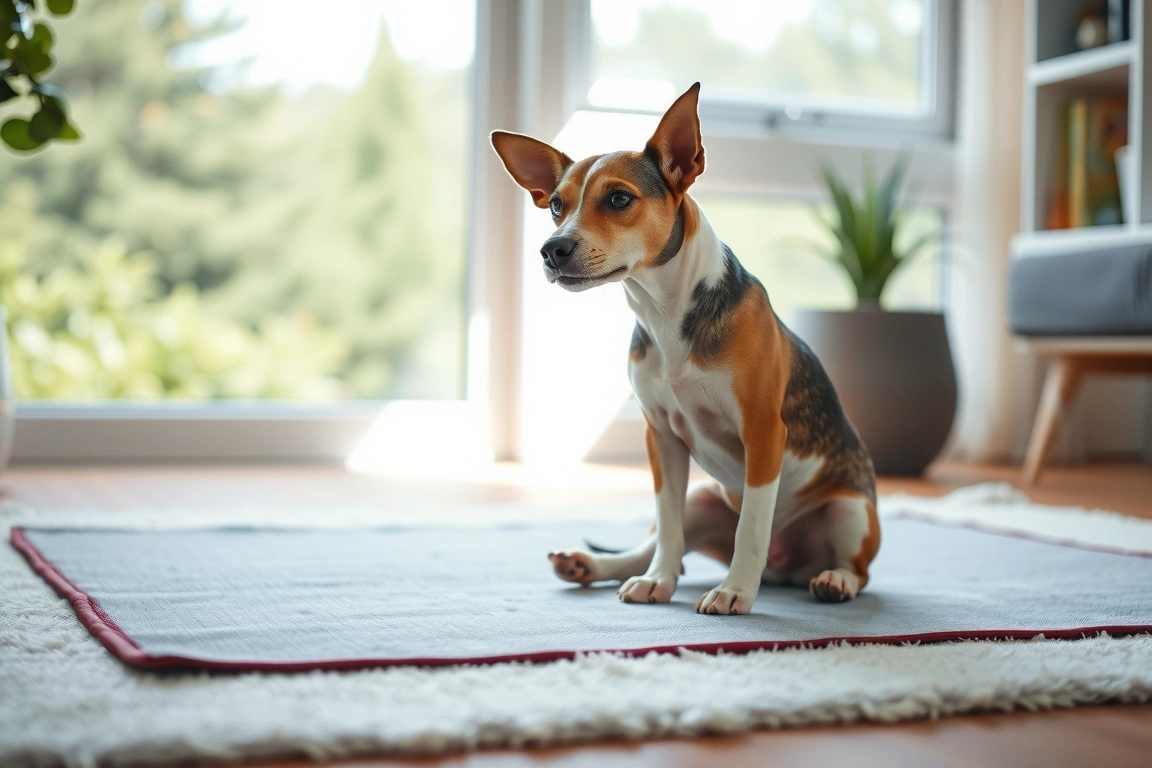
The fix is to create a unified family command list and a clear set of house rules. Sit down with everyone in the household and decide on exact verbal cues and hand signals. For “down,” will it mean “lie down” or “get off the couch”? Pick one. Write it down and post it on the fridge. Use the same marker word for success—”yes!” or a click from a product like the Starmark Pro-Training Clicker ($7.99)—every single time. I use a shared note on my phone with my partner to log training wins and rule reminders. Consistency also applies to schedule: aim for short, 5-minute sessions, 2-3 times a day, rather than one exhausting 30-minute weekly marathon.
Consistency also applies to schedule: aim for short, 5-minute sessions, 2-3 times a day, rather than one exhausting 30-minute weekly marathon.
Mistake #2: Punishing Accidents Instead of Managing the Environment
Rubbing a puppy’s nose in a potty accident or scolding them after the fact is not just ineffective; it’s counterproductive. Puppies have very poor bladder control and associative memory. Punishment after the fact only teaches them to fear you or to hide when they need to go. The real issue is almost always a management failure on the human’s part.
The modern fix for 2026 is proactive confinement and a hyper-vigilant schedule. Use a properly sized crate or a puppy-proofed pen like the MidWest Homes for Pets Exercise Pen (starting at $65 for a 24-inch tall, 8-panel model) to limit access when you can’t supervise directly. The golden rule: take your puppy out to eliminate immediately after they wake up, after they eat or drink, and after a play session. For an 8-week-old puppy, that’s roughly every 45 minutes. I set phone alarms religiously for the first month. When accidents happen (and they will), clean them with an enzymatic cleaner like Nature’s Miracle Stain & Odor Remover ($14.99 for 32 oz) to fully eliminate the scent marker. Reward heavily with a high-value treat like Zuke’s Mini Naturals ($6.99 for a 16 oz bag) the moment they finish going in the correct spot outside.
Mistake #3: Neglecting Mental Stimulation and Nose Work
Most new owners focus intensely on physical exercise but forget that a tired brain is just as important as a tired body. A bored puppy is a destructive puppy. Breeds with high working intelligence, like Border Collies, Poodles, or even curious mixed breeds, can require 30-45 minutes of dedicated mental work daily to prevent them from inventing their own “jobs,” like shredding your couch.
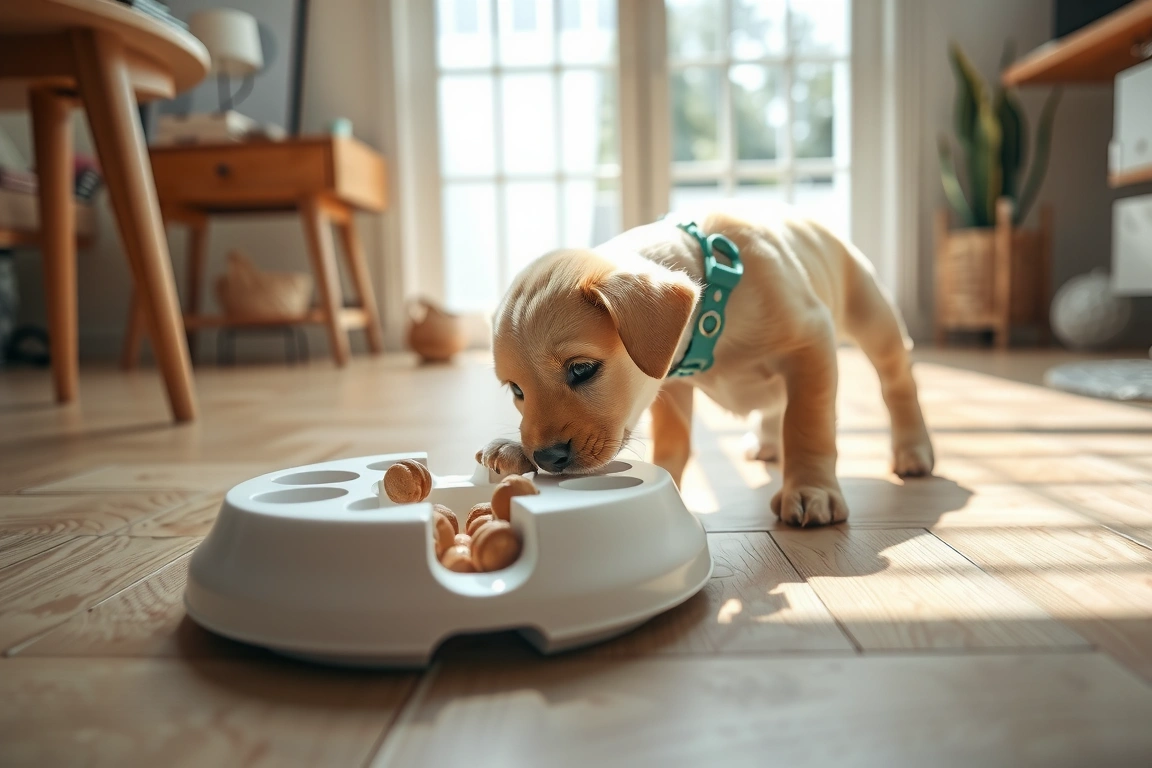
The fix is to integrate food puzzles and simple scent games into your daily routine. Start with a basic puzzle feeder like the Outward Hound Hide-A-Squirrel ($14.99) or a Kong Wobbler ($19.99). As your puppy masters these, upgrade to more complex puzzles like the Nina Ottosson Dog Brick ($29.99). For nose work, which taps into a dog’s most natural instinct, simply scatter a handful of kibble in a grassy area or a snuffle mat. I dedicate 10 minutes of my puppy’s lunch to a “find it” game in the backyard, which tires him out more effectively than a 20-minute walk. This mental drain directly reduces problematic behaviors like excessive barking and nipping.
This mental drain directly reduces problematic behaviors like excessive barking and nipping.
Mistake #4: Misunderstanding and Mishandling Bite Inhibition
Puppy biting is normal, but how you respond dictates whether it becomes a gentle mouth or a painful habit. The biggest mistake is jerking your hand away quickly (which turns it into a fun game) or yelling “no!” (which can excite or frighten some puppies). Neither teaches the puppy how much pressure is acceptable.
The correct fix, supported by veterinary behaviorists, is a consistent “ouch and off” protocol. When your puppy bites too hard, let out a high-pitched “OUCH!”—startlingly similar to the yelp of a littermate—and immediately stop all play and interaction for 15-30 seconds. Stand up, turn away, and be boring. This teaches that hard bites make the fun disappear. For persistent biting, redirect to an appropriate chew toy like a Benebone Wishbone ($12.99) or a frozen, wet washcloth. I found that my Shepherd responded best when I paired the “ouch” with offering a bully stick instead. Remember, the goal isn’t to eliminate mouthing entirely by 12 weeks, but to teach control by 5-6 months.
Mistake #5: Failing to Socialize Properly (It’s Not Just About Dog Parks)
Socialization is often misunderstood as simply introducing your puppy to as many other dogs as possible. In reality, improper dog park visits before full vaccination (around 16 weeks) and before mastering basic cues can lead to fear, over-excitement, or even trauma. True socialization is about creating positive associations with the myriad sights, sounds, and surfaces of the human world.

The 2026 approach is controlled, positive exposure. Carry your puppy (if they’re small enough) or take them to quiet parking lots, storefronts, and parks to watch the world go by from a safe distance. Reward calm observation with treats. Introduce them to novel surfaces: grates, tile, wood, gravel, and a wobble board. Invite friends over, including people wearing hats, using canes, or with deep voices. The key is to keep every experience positive and below their fear threshold. I used a “100 People Before 4 Months” checklist, rewarding my pup for calm interactions. For puppy classes, choose a force-free facility that requires proof of vaccination and focuses on controlled play sessions. This builds a confident, adaptable adult dog.
Building a Training Foundation That Lasts
Avoiding these five mistakes sets the stage, but lasting success requires a solid foundation built on the right tools and mindset. Invest in a well-fitting harness, like the Blue-9 Balance Harness ($39.95), which gives you control without pressure on the neck. Use a 6-foot leash for training, not a retractable one, which teaches constant pulling. Most importantly, track your progress. Use a simple app like the Pupford Training Tracker or even a notebook to log what you worked on, what worked, and what didn’t. Training isn’t linear; you’ll have setbacks. When I hit a wall with Finn’s leash skills, I went back to basics in a distraction-free hallway for three days, and it broke the cycle. Your patience and consistency are the most powerful tools in your kit.
To fix puppy training mistakes for good, start with these three actions today. First, hold a 10-minute family meeting to standardize your commands for “sit,” “stay,” and “off.” Second, order a food puzzle toy and commit to using it for one meal tomorrow. Third, block out 15 minutes this week for a “socialization field trip” to a quiet bench outside a coffee shop, armed with high-value treats to reward calm behavior. Training isn’t about achieving perfection by next month; it’s about building clear communication and trust every single day. The puppy chewing your baseboard right now is counting on you to lead the way.
FAQ
What is the single most important thing to focus on with a new puppy?
Without a doubt, it’s building a reliable potty training routine through consistent scheduling and confinement management. Success here prevents a huge amount of frustration and sets the tone for all other training. For the first two weeks, take your puppy out every 45-60 minutes during the day, immediately after any nap, meal, or play session. Use a crate or pen when you can’t directly supervise. This intense focus for a short period establishes lifelong good habits far more effectively than trying to correct accidents for months on end.
My puppy only listens when I have treats. How do I fix this?
This is a classic fading error. You need to move from a continuous reward schedule (a treat every time) to a variable schedule. Once your puppy reliably performs a command like “sit” in a low-distraction environment, start rewarding only every 2nd or 3rd successful attempt with a treat, while still praising every time. Also, start using “life rewards”—ask for a “sit” before opening the door for a walk, giving a meal, or throwing a toy. This teaches your puppy that compliance with cues is simply how to get good things in life, not just how to get a cookie from your pocket.
Is it too late to fix these mistakes if my dog is already 6 months or older?
It is absolutely not too late, but it requires more patience. Adolescent dogs have longer attention spans but also more established habits. The principles are identical: manage the environment to prevent rehearsal of bad behaviors, be incredibly consistent with your new rules, and use higher-value rewards (like real chicken or cheese) to motivate change. You may need to temporarily increase management tools like baby gates or leashes indoors. The key is to understand that you are not “untraining” but “retraining”—building new, stronger neural pathways through repetition and positive reinforcement.
Small changes, real momentum
Get practical guides and templates you’ll actually use — a few thoughtful emails a month.
🐾 Our Top Pick
Editor’s Pick: A complete puppy training book and essential supplies kit.
For the Love of Your Pet
Care guides, breed insights, and gentle advice for happier pets.