Disclosure: This post contains affiliate links. If you click through and make a purchase, we may earn a small commission at no extra cost to you. Thank you for supporting this site!
Back-to-school season often means a flurry of activity for families, but for many, it also heralds the arrival of a new puppy. It’s a fantastic time to integrate a furry friend into your routine, especially with the structured schedule that fall brings. However, many new owners underestimate the financial commitment beyond the initial adoption fee. Did you know that the average cost of professional obedience training for a dog can range from $300 to over $1,000, depending on the breed’s inherent temperament and the intensity of the program? This isn’t just about teaching Fido to sit; it’s about setting up a foundation for a well-behaved companion, which is crucial for busy households. We’re going to break down the expected costs, focusing on how breed type influences these expenses, and cover essential gear like crates and leashes. Let’s get your new pup ready for success without breaking the bank.
11 min read
In This Article
Key Takeaways
- The Trainability Spectrum: How Breed Impacts Cost
- Group Classes vs. Private Lessons: Which is Right for Your Pup?
- Essential Gear: Crate Training and Leash Setup Costs
- Budgeting for Different Puppy Personalities
The Trainability Spectrum: How Breed Impacts Cost
When we talk about “trainability,” we’re not just assigning a subjective label; it’s rooted in a breed’s history and purpose. Dogs bred for complex tasks, like herding or retrieving, often possess a natural eagerness to please and a strong drive to learn, making them quicker learners in a formal setting. For instance, breeds like the Border Collie or the Poodle typically excel in obedience classes with minimal repetition needed. This often translates to fewer sessions required to master commands, potentially saving you money. A standard 6-week group obedience course for these breeds might cost around $150-$250, and you might find your dog is ready for the next level after just one or two such courses.
On the other hand, breeds known for their independent nature or stubborn streaks, such as Beagles or some terriers, might require a more patient and persistent approach. These dogs aren’t unintelligent; they simply have a different motivation system. They might question commands or be easily distracted by their own interests, necessitating more one-on-one attention or advanced training techniques. For these breeds, you might find yourself needing to book additional private lessons, which can cost anywhere from $60 to $150 per hour. A typical training plan for a more independent breed could easily involve 10-15 private sessions over several months, pushing the total training cost upwards of $600 to $1,500, not including group classes.
It’s also important to consider breeds that were historically bred for guarding or protection. While highly intelligent, their instincts can sometimes manifest as territoriality or a strong prey drive, which requires specific training strategies. These might involve specialized classes focusing on socialization and impulse control, which are often more expensive than basic obedience. For example, an introductory course in “canine good citizen” might be a prerequisite, costing around $200, followed by specialized sessions that could add another $300-$500 to your budget. Always research a breed’s historical working role; it’s a significant predictor of their training needs and associated costs.
Always research a breed’s historical working role; it’s a significant predictor of their training needs and associated costs.
Group Classes vs. Private Lessons: Which is Right for Your Pup?
For most puppies, especially those of breeds known for general eagerness, a group obedience class is an excellent starting point. These classes, typically offered by local pet stores, veterinary clinics, or dedicated training facilities, provide structured learning environments. You’ll usually find programs like “Puppy Kindergarten” or “Basic Obedience” that cover fundamental commands like sit, stay, come, and leash manners. The cost for a 6-week session generally falls between $150 and $250. My own Golden Retriever, Buddy, thrived in a group setting; the social interaction with other puppies actually helped him focus better on the trainer, as he was eager to impress and learn alongside his peers. These classes are also invaluable for socialization, allowing your puppy to interact with different breeds and people in a controlled setting, which is critical for developing a well-adjusted dog.
However, if your puppy exhibits specific behavioral challenges, such as excessive barking, fearfulness, or reactivity, private lessons might be a more effective, albeit more expensive, route. A private trainer can assess your dog’s individual needs and tailor a training plan accordingly. This personalized approach can address issues that a group class, with its broader curriculum, might not be able to tackle. For instance, a German Shepherd I worked with who had a severe fear of loud noises required a specialized desensitization program, which was only feasible through one-on-one sessions. The cost for private training typically ranges from $60 to $150 per hour, and you might need anywhere from 4 to 12 sessions to see significant improvement, potentially leading to a total expenditure of $240 to $1,800 for this type of specialized training.
The decision often hinges on your puppy’s temperament and your specific goals. If you’re aiming for basic manners and good socialization, a group class is usually sufficient and cost-effective. If you’re dealing with more complex issues or have a breed with a strong working drive that needs advanced direction, private lessons offer the necessary depth. Some families opt for a hybrid approach: starting with a group class for socialization and basic cues, then supplementing with a few private sessions to fine-tune specific behaviors or address any emerging problems. This balanced strategy can often be the most effective, ensuring your puppy gets the best of both worlds without overspending. For example, a 6-week group class ($200) followed by three private sessions ($300) offers a comprehensive, yet manageable, training package.
For example, a 6-week group class ($200) followed by three private sessions ($300) offers a comprehensive, yet manageable, training package.
Essential Gear: Crate Training and Leash Setup Costs
Crate training is a cornerstone of puppy management, offering a safe den-like space for your dog and aiding in house-training. The cost of a suitable crate can vary significantly. For a medium-sized puppy, a wire crate typically ranges from $40 to $80, while a more durable, aesthetically pleasing plastic or composite crate might cost $70 to $150. It’s advisable to purchase a crate that your puppy can comfortably stand up, turn around, and lie down in. Many owners buy a larger crate with a divider, allowing it to grow with the puppy, saving you the expense of buying a second, larger crate later. For example, a 36-inch wire crate with a divider might cost around $60, and you can adjust the divider as your puppy matures from 15 pounds to a full adult weight of 50-60 pounds.
Beyond the crate itself, you’ll want to invest in a comfortable bed or padding for the bottom, which can add another $20 to $50. Some owners also find a waterproof liner or a specific “crate mat” useful, especially during the early potty-training stages, adding another $15-$30. Remember, the goal is to make the crate a positive, inviting space, not a punishment area. Treats, puzzle toys like the Kong Classic ($10-$15), and a soft blanket can all contribute to a positive association. Ensuring the crate is the right size is paramount; too large and it can be used as a potty area, defeating the purpose of house-training. A good rule of thumb is that the dog should have just enough room to stand up, turn around, and lie down comfortably.
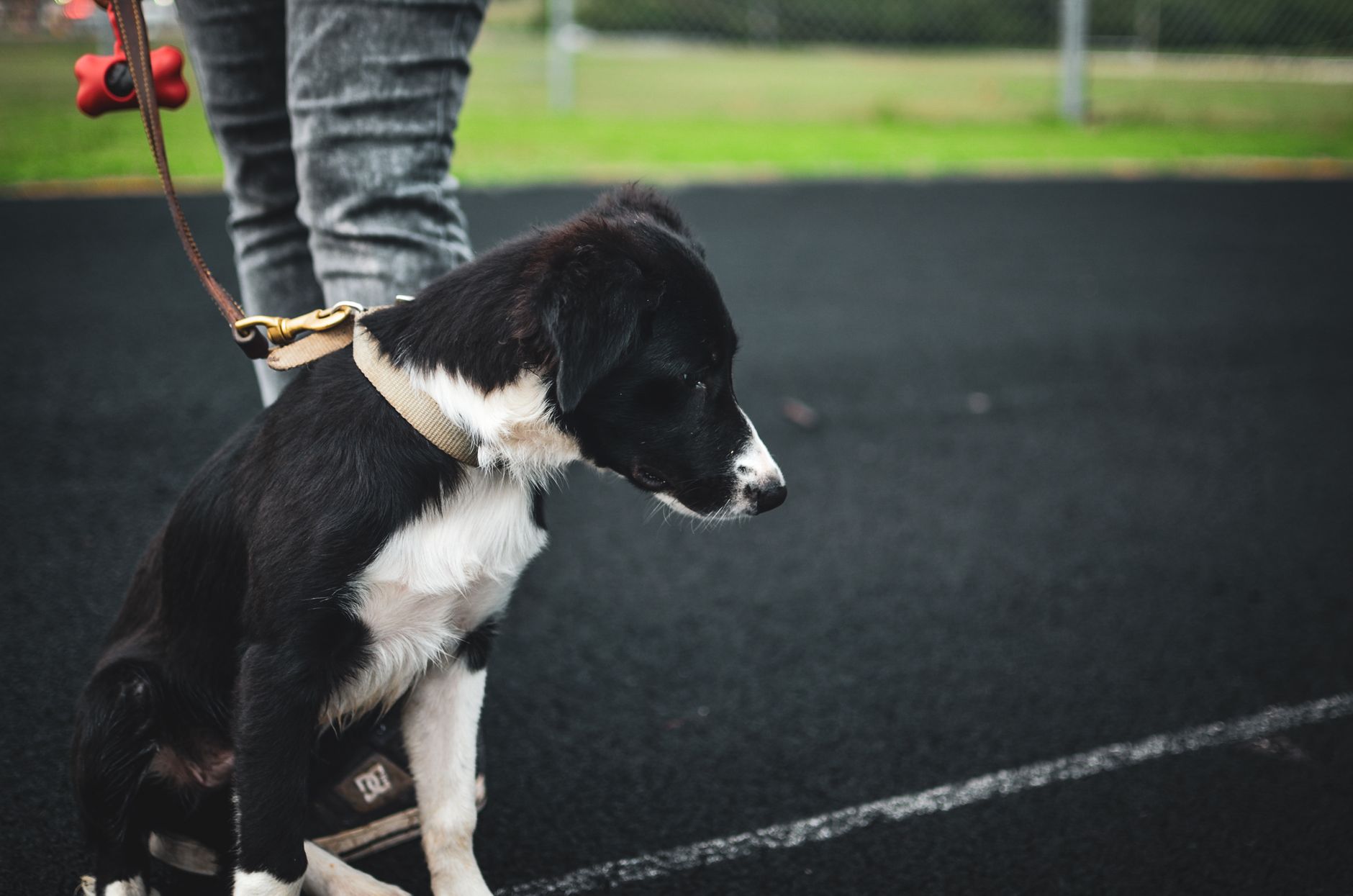
When it comes to leash and collar/harness, the investment is typically more modest but still important. A basic nylon collar or harness can cost between $10 and $30, while a good quality leather collar might be $25 to $50. For a puppy, a lightweight harness is often recommended to avoid putting undue pressure on their developing neck and trachea. A comfortable, adjustable puppy harness might range from $20 to $40. For the leash, a standard 6-foot nylon or leather leash is usually sufficient and costs between $15 and $35. Avoid retractable leashes for training purposes; they offer less control and can teach dogs to pull. In total, a good starter set of collar/harness and leash will likely set you back between $35 and $75. Some owners also invest in a training clicker ($5-$10) and small, high-value training treats ($5-$15 for a pouch), which are crucial for positive reinforcement training.
In total, a good starter set of collar/harness and leash will likely set you back between $35 and $75.
Budgeting for Different Puppy Personalities
Let’s look at some hypothetical budget scenarios for different puppy personalities entering your home this fall. For a typically eager-to-please breed like a Labrador Retriever, you might plan for one 6-week group obedience class ($200). Add to this a medium wire crate with a divider ($60), a comfy crate pad ($30), a nylon collar and 6-foot leash ($30), and a few Kong toys and training treats ($30). Your total estimated initial outlay for training and core gear would be around $350. This assumes no major behavioral issues arise and the puppy progresses smoothly through basic training within the 8-12 week timeframe.
Now, consider a more independent breed, perhaps a Shiba Inu or a Basset Hound. In addition to the gear costs ($120 for crate, pad, collar, leash, toys), you might opt for one group class ($200) followed by four private sessions ($300-$600) to address any stubbornness or specific challenges. This brings your estimated budget for training and gear to $620-$920. The extra investment in private lessons is key here, providing the tailored guidance needed to overcome potential training hurdles more efficiently and prevent ingrained unwanted behaviors. Remember, early intervention with private sessions can often be more cost-effective in the long run than trying to correct significant issues later.
Finally, for a breed with strong protective or guarding instincts, like a Doberman Pinscher puppy, the budget might be higher from the outset. Beyond the standard gear costs ($120), you might enroll in a “Puppy Socialization” class ($250) followed by a “Canine Good Citizen” prep course ($300). Depending on the puppy’s individual drive and confidence, you might then add 2-3 private sessions ($120-$450) to focus on specific impulse control or resource guarding prevention. This scenario could push your total training and gear budget to $790-$1,120. Investing in these specialized classes and potential private sessions early on is crucial for managing these powerful instincts and ensuring your dog becomes a well-behaved member of society.
Common Pitfalls and How to Avoid Them
One of the biggest mistakes new owners make is underestimating the time commitment involved in training, especially with breeds that require more patience. They might sign up for a 6-week class and expect miracles, only to be frustrated when their independent-minded puppy isn’t performing perfectly by week three. This often leads to skipping sessions or giving up prematurely, which is a disservice to both the dog and the owner. My advice? Commit to a training plan for at least 3-6 months, understanding that consistency is far more important than intensity. If you miss a session, try to practice the relevant exercises at home, or ask your trainer for homework. For example, if your puppy is struggling with leash manners, dedicating 5-10 minutes, three times a day, to practicing loose-leash walking exercises at home can be more beneficial than one hour-long session per week.
Another pitfall is not properly preparing the training environment. Expecting a puppy to focus on commands in a chaotic household with constant distractions is setting them up for failure. This is where crate training and management become essential. Ensure your puppy has a quiet, safe space to rest and decompress. When you do training sessions, start in a low-distraction area, like a quiet room in your house, before gradually introducing more challenging environments. For example, if your puppy masters “sit” in the living room, try practicing it in the backyard, then a quiet park. This graduated exposure helps solidify the command and build confidence. Many owners try to rush this process, leading to inconsistent results and the mistaken belief that their dog isn’t learning.
Lastly, many owners fall into the trap of comparing their puppy’s progress to others, often fueled by social media. Every dog learns at its own pace, and breeds have vastly different learning styles and motivations. Obsessing over whether your puppy can do a “complex trick” by 10 weeks when another dog can is counterproductive. Focus on your dog’s individual journey and celebrate small victories. Did your fearful Beagle finally take a treat from a stranger? That’s a monumental step! Did your high-energy Border Collie hold a “down-stay” for 30 seconds? Fantastic! By setting realistic expectations and focusing on positive reinforcement, you build a stronger bond and a more confident, well-adjusted dog, regardless of breed or how quickly they “master” a command. Remember, a happy, well-behaved dog is the ultimate goal, not just a list of tricks performed by a certain age.
Small changes, real momentum
Get practical guides and templates you’ll actually use — a few thoughtful emails a month.
Frequently Asked Questions
How much does puppy training cost on average per month?
The average monthly cost for puppy training can fluctuate significantly based on breed and training intensity. If you’re doing a 6-week group class that costs $200, spread over two months, that’s $100 per month. However, if you opt for weekly private sessions at $100 each for three months, your monthly training expense jumps to $300. Many families find a balanced approach, perhaps one group class followed by occasional private sessions, averages out to about $50-$150 per month for the first 4-6 months of ownership. This doesn’t include the initial gear purchase, which might be a one-time expense of $100-$200.
Are more expensive training classes better?
Not necessarily. While premium pricing can sometimes indicate more experienced trainers, smaller class sizes, or specialized facilities, it’s not a guarantee of superior results. The “best” class is one that fits your puppy’s needs and your budget, taught by trainers who use positive reinforcement methods. Look for trainers certified by reputable organizations like the Certification Council for Professional Dog Trainers (CCPDT) or the Karen Pryor Academy. Read reviews, ask for references, and ideally, observe a class before enrolling. Sometimes, a highly effective, affordable class is offered by a local humane society or rescue group, costing as little as $150 for a 6-week program.
When should I start obedience training with my puppy?
You can and should start basic obedience training as soon as your puppy settles into your home, typically around 8 to 10 weeks old, provided they have received their initial vaccinations. “Puppy Kindergarten” or socialization classes are ideal during this period, usually starting after the first round of vaccinations. This early start is crucial for socialization and establishing good habits before potentially problematic behaviors can form. For example, teaching “come” and “sit” can begin immediately with positive reinforcement. More formal obedience classes often recommend completion of the vaccination series, usually around 12-16 weeks of age, but foundational training can and should happen sooner.
When planning for a new puppy this fall, remember that training is an investment, not just an expense. By understanding how breed type influences trainability and costs, and by budgeting for essential gear, you can set yourself up for success. For eager learners like Labs or Goldens, a solid group class and basic equipment might suffice, costing around $350-$450 initially. For more independent or instinct-driven breeds, be prepared for a higher investment, potentially $600-$1,100, to cover specialized classes and private sessions. The key takeaway is to research your chosen breed thoroughly and allocate funds accordingly, focusing on positive reinforcement methods. Don’t forget to factor in the ongoing costs of treats and potentially advanced training down the line. A well-trained dog is a happy dog, and the effort you put in now will pay dividends for years to come.
🐾 Our Top Pick
Editor’s Pick: Dog breed encyclopedia. Essential for balancing your training budget and understanding specific puppy needs.
For the Love of Your Pet
Care guides, breed insights, and gentle advice for happier pets.