
Disclosure: This post contains affiliate links. If you click through and make a purchase, we may earn a small commission at no extra cost to you. Thank you for supporting this site!
Did you know that despite their similar elegant, pointed coats, the Birman and Balinese cats come from entirely different genetic lineages and have temperaments as distinct as their origins? I learned this firsthand after fostering a Balinese named Sasha while owning my Birman, Jasper, for eight years. While both are vocal and affectionate, Jasper’s serene, almost dog-like loyalty contrasts sharply with Sasha’s acrobatic, mischievous intelligence—a difference that dictates everything from your daily playtime routine to the type of cat tree you’ll need to buy. Choosing between these two breeds isn’t just about color preference; it’s about committing to a specific energy level, grooming regimen, and even vet budget. This vet-reviewed comparison breaks down the real-world differences with specific costs, time commitments, and product recommendations so you can match the right cat to your lifestyle.
8 min read
In This Article
Key Takeaways
- Breed Snapshot & Origins
- Temperament & Personality Comparison
- Grooming & Maintenance Requirements
- Health & Lifespan Considerations
Breed Snapshot & Origins
The Birman, often called the “Sacred Cat of Burma,” traces its roots to temple cats in Myanmar, with the modern breed standard solidified in France in the 1920s. They are a distinct, natural breed characterized by their color-point coats, white-gloved paws, and robust, medium-to-large build, typically weighing 10-12 pounds for males and 6-10 pounds for females. In contrast, the Balinese is a long-haired variety of the Siamese, developed in the United States in the 1940s through selective breeding. They share the Siamese’s svelte, tubular body type and striking blue eyes but with a silky, medium-length coat that lacks the downy undercoat of a Birman. An adult Balinese typically weighs 6-10 pounds, with a more delicate bone structure.
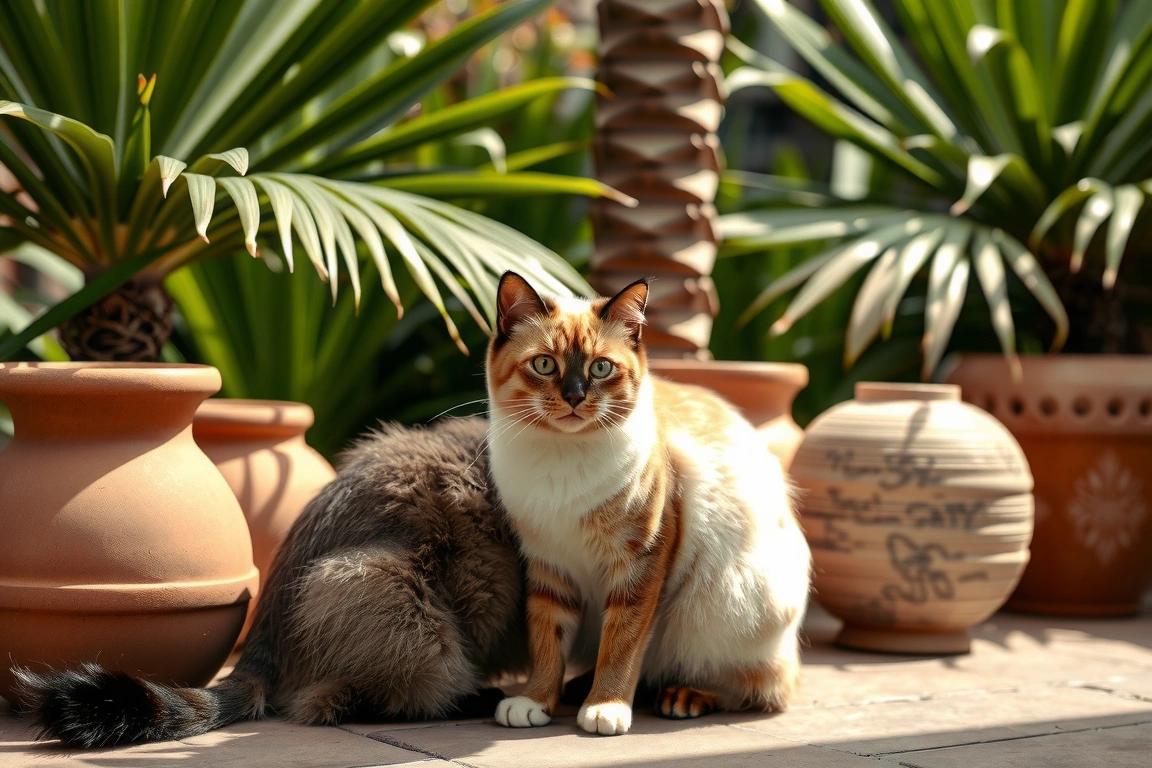
When I first brought Jasper home, his sturdy, substantial feel was immediately apparent compared to the Balinese I’d met—he felt like a solid, comforting presence on my lap, whereas Sasha was all light, graceful energy. This physical difference extends to their lifespan: Birmans generally live 12-16 years, while Balinese, benefiting from hybrid vigor from outcrossing, often reach 15-18 years. Both breeds are recognized by all major cat registries, but their genetic backgrounds mean health testing priorities differ significantly for responsible breeders.
An adult Balinese typically weighs 6-10 pounds, with a more delicate bone structure.
Temperament & Personality Comparison
Having lived with both, the temperamental divide is the most decisive factor for owners. Birmans are famously gentle, calm, and deeply devoted. Jasper follows me from room to room, not with demanding meows but with a quiet, persistent presence. He’s a classic “lap cat” who enjoys being held and is remarkably patient with children and other pets. His play style is subdued; a 15-minute session with a wand toy like the GoCat Da Bird is enough to satisfy him for the day. He’s vocal, but his meow is a soft, melodic chirp used for communication, not constant conversation.

Sasha, the Balinese, was his polar opposite. She possessed the classic Siamese curiosity and vocal nature, often delivering loud, opinionated meows about her food bowl or a closed door. Her intelligence was breathtaking—she learned to open lever-style doors and solve puzzle feeders like the Trixie Activity Strategy Game in minutes. She required at least 45 minutes of active, engaging play daily to prevent boredom-induced mischief, such as unraveling entire rolls of toilet paper. She was affectionate but on her own terms, often preferring to perch on my shoulder rather than curl on my lap. This high-energy, dog-like personality means Balinese thrive in active households but can be a poor fit for someone seeking a quiet, low-maintenance companion.
Grooming & Maintenance Requirements
Despite both being long-haired, their coat care differs drastically due to texture. The Birman’s single-layer, silky coat is surprisingly low-maintenance. It resists matting far better than many long-haired breeds. I brush Jasper twice a week with a Chris Christensen Big G Slicker Brush, which glides through his fur without tugging, and that’s sufficient to keep him tangle-free and reduce shedding. He only needs a bath with a gentle shampoo like Earthbath Oatmeal & Aloe every 2-3 months.

The Balinese coat, while also single-coated, is finer and can be more prone to tangling, especially behind the ears and under the legs. Sasha required brushing every other day with a fine-toothed comb like the Greyhound Comb to prevent knots. During her two seasonal sheds per year, daily brushing was necessary to manage the loose hair. Neither breed is considered hypoallergenic, but the Balinese may produce slightly less of the Fel d 1 protein simply because they tend to groom themselves less obsessively than some breeds, spreading less saliva on their fur.
- Birman: Brush 2x/week. Bath every 8-12 weeks. Low matting risk.
- Balinese: Brush 3-4x/week (daily during shed). Bath every 6-8 weeks. Moderate matting risk in friction areas.
Health & Lifespan Considerations
Reputable breeders screen for breed-specific issues, and the potential health problems differ. Birmans are generally robust but have a predisposition to hypertrophic cardiomyopathy (HCM), a form of heart disease. Responsible breeders will perform annual echocardiograms on their breeding stock. They can also be prone to corneal dermoids, a congenital eye condition. A yearly vet check-up, costing around $80-$120, is essential for monitoring heart health.

Balinese, being closely related to Siamese, share a propensity for certain genetic conditions. These include progressive retinal atrophy (PRA), which can lead to blindness, and amyloidosis, a liver disease. They can also be more susceptible to dental issues, making annual dental cleanings ($300-$700) a likely part of their healthcare routine. Both breeds benefit from a high-quality diet to support their overall health; I’ve had success with Royal Canin Persian dry food for Jasper (for hairball control) and Royal Canin Siamese for Sasha (for her finer coat and energy needs).
Pet insurance is a wise investment for either breed. A policy from a provider like Lemonade can cost $25-$40 monthly and can mitigate the cost of unexpected conditions like HCM, where treatment can run into the thousands.
Pet insurance is a wise investment for either breed.
Ideal Living Environment
Your home setup needs to adapt to the breed’s personality. For a Birman, a cozy home with plenty of comfortable perches is ideal. Jasper’s favorite spot is a wide, padded window perch like the K&H Kitty Sill, which supports his larger frame. He’s content in an apartment and doesn’t require access to a catio, though he enjoys supervised time on a secure balcony. A sturdy, wide-based cat tree like the Frisco 72-in. Cat Tree & Condo is perfect for his size.
A Balinese needs a more enriched environment to burn mental and physical energy. Sasha required a tall, complex cat tree with multiple levels and sisal posts for climbing, such as the Armarkat Cat Tree. Puzzle feeders were non-negotiable to keep her brain engaged. She would have greatly benefited from a secure catio for safe outdoor stimulation. Without these outlets, a Balinese is far more likely to develop destructive behaviors out of boredom.
Cost of Ownership Breakdown
The initial purchase price from a reputable breeder is the first major cost difference. A pet-quality Birman kitten typically costs between $1,200 and $2,000. A Balinese kitten, due to the more complex breeding for specific coat and type, often ranges from $1,500 to $2,500. Always ensure the breeder provides health clearances for the relevant genetic issues for each breed.
Ongoing annual costs also vary. For my Birman, Jasper, annual costs run about $800: $400 for high-quality food, $120 for an annual vet visit, $150 for litter (I use Dr. Elsey’s Ultra), and the remainder for toys and preventative care. For Sasha, the annual cost was closer to $1,100. Her food budget was higher due to her metabolism ($500), and I budgeted for an additional $300 for puzzle toys, more frequent replacement of wand toys she destroyed, and a more expensive dental-care additive for her water.
Potential owners should also budget for startup costs: a high-quality litter box (like the Litter-Robot 4 for $650), carrier, scratching posts, and initial vet visits for vaccinations and spay/neuter, which can add $500-$800 in the first year.
Who Is The Right Breed For You?
Choose a Birman if you seek a serene, affectionate shadow that thrives on quiet companionship. They are ideal for first-time cat owners, families with calm children, and those living in smaller spaces like apartments. Their lower exercise and grooming needs make them a less time-intensive commitment. You’re signing up for a loyal, gentle friend who will be a constant, comforting presence.
Choose a Balinese if you want an interactive, entertaining, and highly intelligent partner. They are perfect for experienced cat owners or active individuals/families who can provide ample playtime and mental stimulation. If you enjoy the personality of a Siamese but prefer a longer coat, the Balinese is your match. Be prepared for a vocal, energetic cat that will demand to be part of everything you do.
Ultimately, your lifestyle is the deciding factor. If your evenings are spent reading on the couch, a Birman will happily curl up beside you. If you’re looking for a feline to engage with during play sessions and don’t mind a running commentary on your life, a Balinese will fit right in. Visit reputable breeders, spend time with adult cats of both breeds, and be brutally honest about the daily time commitment you can offer. Both are incredible companions, but they serve different roles in a home.
Small changes, real momentum
Get practical guides and templates you’ll actually use — a few thoughtful emails a month.
Frequently Asked Questions
Are Birman and Balinese cats good with dogs?
Both breeds can coexist well with dog-friendly dogs, but their approaches differ. My Birman, Jasper, was cautiously accepting of my sister’s calm Golden Retriever, preferring to observe from a distance before eventually tolerating its presence. His calm demeanor prevents conflict. A Balinese, with its bolder Siamese heritage, is more likely to actively engage with a dog, potentially trying to initiate play or assert itself. Success depends entirely on the dog’s temperament; a high-prey-drive dog would be a dangerous match for either breed. Always introduce them slowly and under controlled conditions.
How much do these cats shed?
Both are moderate shedders, but the volume and management differ. The Birman’s longer, single coat sheds in clumps that are easy to gather with regular brushing. I find a quick pass with a ChomChom Roller on the couch twice a week manages his fur well. The Balinese has a finer coat that sheds more like a powder; the individual hairs are smaller and can weave into fabrics more easily. During her biannual heavy sheds, Sasha’s fur required daily vacuuming to keep up. Neither is a low-shedding breed, so be prepared for regular fur maintenance on your clothing and furniture.
Which breed is more prone to separation anxiety?
The Balinese is significantly more prone to developing separation anxiety due to its intensely social and people-oriented nature. Sasha would vocalize distress when left alone for more than a few hours and would often get into trouble (e.g., knocking things off shelves) out of boredom and anxiety. We mitigated this with puzzle feeders left around the house and leaving the TV on for background noise. The Birman forms deep bonds but is generally more independent and secure when alone. Jasper might wait by the door but is content to sleep until I return. For owners who work long hours, a Birman is often the less stressful choice.
For the Love of Your Pet
Care guides, breed insights, and gentle advice for happier pets.