Disclosure: This post contains affiliate links. If you click through and make a purchase, we may earn a small commission at no extra cost to you. Thank you for supporting this site!
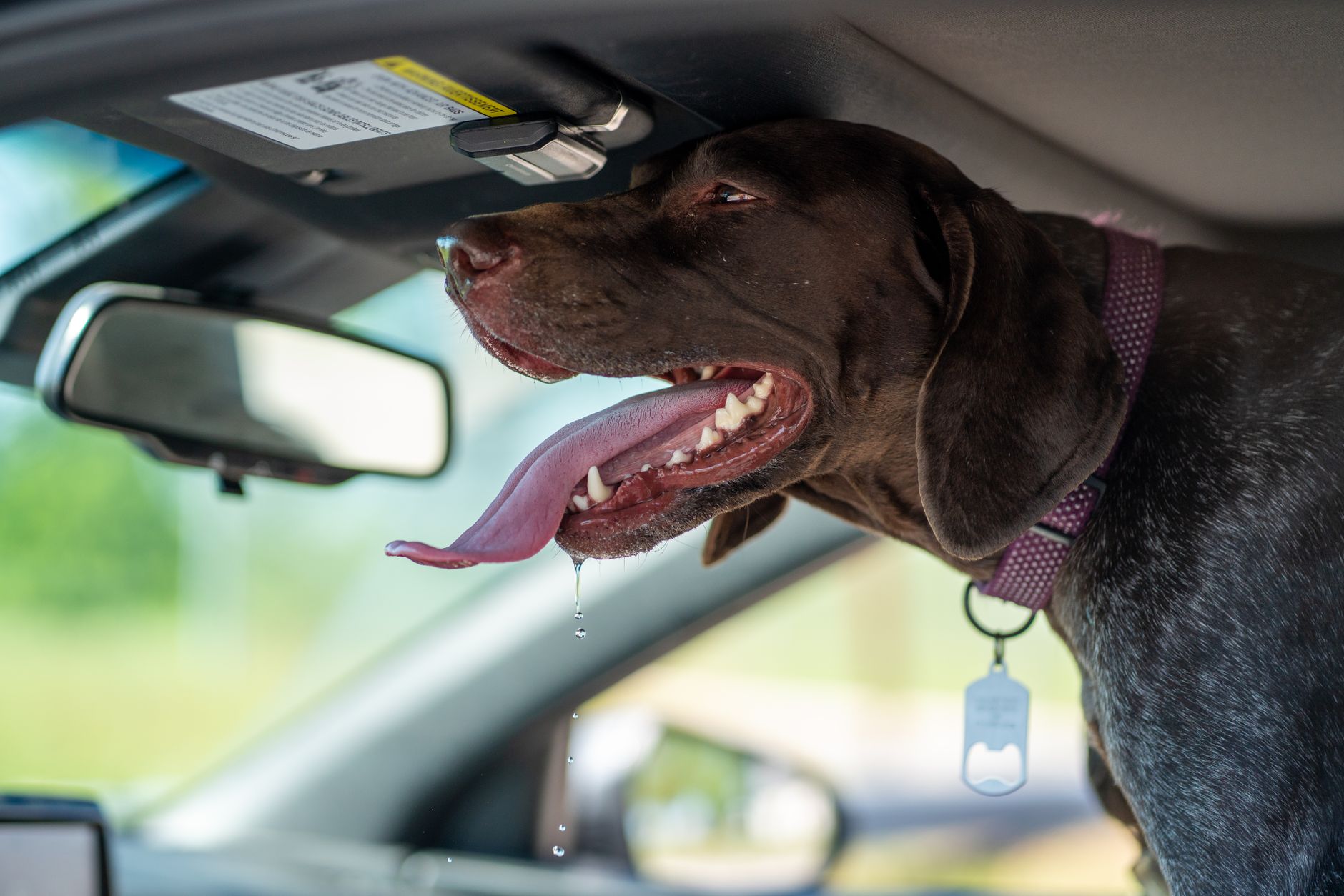
Did you know that keeping your dog cool in summer can cost upwards of $100 a month, and that’s *before* any unexpected vet bills? For breeds genetically predisposed to overheating, like the adorable but brachycephalic Bulldog or the perpetually panting Pug, summer isn’t just an inconvenience; it’s a genuine health hazard. These dogs, with their shortened muzzles and often stockier builds, struggle to dissipate heat effectively through panting. This means owners must invest significantly more in climate control, specialized cooling gear, and be hyper-vigilant about the signs of heatstroke. While a Golden Retriever might happily snooze under a shady tree, a Frenchie might need a dedicated portable air conditioner unit running full blast just to stay comfortable. This isn’t about coddling; it’s about understanding breed-specific needs and the financial commitment that comes with them. We’re going to break down exactly which breeds are the biggest summer heat drains on your wallet and your peace of mind.
9 min read
In This Article
- The Brachycephalic Burden: Why Flat Faces Cost More
- Terriers and the Temperature Tightrope
- Beyond Brachycephalics: Other High-Cost Summer Breeds
- The Hidden Costs: Vet Bills and Emergency Preparedness
- Smart Cooling Strategies: Investing Wisely
- Conclusion: Prioritizing Health Over Hype
- Frequently Asked Questions
Key Takeaways
- The Brachycephalic Burden: Why Flat Faces Cost More
- Terriers and the Temperature Tightrope
- Beyond Brachycephalics: Other High-Cost Summer Breeds
- The Hidden Costs: Vet Bills and Emergency Preparedness
The Brachycephalic Burden: Why Flat Faces Cost More
If you own or are considering a brachycephalic breed – think Pugs, Bulldogs (English, French, American), Shih Tzus, Boxers, and Boston Terriers – you’re already signing up for a higher baseline of care, and summer amplifies these needs dramatically. Their anatomical structure, characterized by shortened muzzles and narrowed airways (stenotic nares), severely compromises their ability to pant efficiently, which is a dog’s primary cooling mechanism. This means that even on moderately warm days, say 75°F (24°C) with high humidity, these dogs can be at risk. For instance, a study published in the *Veterinary Record* in 2018 highlighted that brachycephalic breeds are up to 6 times more likely to suffer from heat-related emergencies than non-brachycephalic breeds. This isn’t just about comfort; it’s a critical health issue that translates directly into higher operational costs.
The most immediate cost is, of course, climate control. While most dog owners might set their thermostats to a comfortable 72-75°F (22-24°C) in summer, brachycephalic breeds often require a cooler environment, consistently around 68-70°F (20-21°C). This increased demand on your air conditioning system can add an estimated 15-25% to your monthly electricity bill during peak summer months. For a typical US household’s electricity bill, which averages around $150-$200 per month, this could mean an extra $20-$50 tacked on *each month*. Beyond the AC, you’ll likely find yourself investing in specialized cooling products. I’ve personally seen owners buy multiple cooling mats (like the popular “Coolaroo” or “KingCoo” brands, which can range from $30-$80 depending on size) and portable pet cooling fans ($25-$50) for different rooms, just to ensure their dog has a safe spot to rest. The goal is to create a “cool zone” wherever the dog spends their time, a necessity rather than a luxury for these breeds.
The goal is to create a “cool zone” wherever the dog spends their time, a necessity rather than a luxury for these breeds.
Terriers and the Temperature Tightrope
While not as universally heat-sensitive as brachycephalic breeds, many terrier breeds still require careful management in the summer heat, often due to their high energy levels and sometimes dense coats. Breeds like the Jack Russell Terrier, Scottish Terrier, and Miniature Schnauzer are typically very active, and this activity level combined with higher ambient temperatures can quickly lead to overheating. Their drive to play and explore means they might not readily seek out shade or rest on their own, putting the onus entirely on the owner to manage their exercise. A brisk 30-minute game of fetch that a Labrador might handle with ease could be pushing the limits for a terrier on a 70°F (21°C) day if humidity is high.
The increased risk for terriers lies less in inherent anatomical limitations and more in their behavioral tendencies and physical makeup. Their thicker coats, even if short, can trap heat, and their persistent nature means they often don’t know when to quit. This can lead to unexpected veterinary visits. Heat exhaustion symptoms – excessive panting, drooling, lethargy, vomiting – can escalate rapidly to heatstroke, which is a life-threatening emergency. A single emergency vet visit for heatstroke can cost anywhere from $500 to $1,500, depending on the severity and required treatments like IV fluids and intensive monitoring. To mitigate this, owners often invest in cooling vests or bandanas (priced between $20-$40) that can be soaked in water. These require re-soaking every 30-60 minutes during outdoor activity, adding an extra layer of planning to any excursion. Furthermore, you might find yourself needing to invest in specialized grooming. Regular professional grooming, which can cost $60-$100 per session, becomes more critical to thin out their undercoat and keep them cooler, potentially requiring more frequent appointments during the summer months.
Furthermore, you might find yourself needing to invest in specialized grooming.
Beyond Brachycephalics: Other High-Cost Summer Breeds
It’s not just flat-faced dogs and high-energy terriers that can present summer cost challenges. Certain breeds with thick double coats, like Siberian Huskies, Alaskan Malamutes, and even some breeds with darker coats that absorb more heat, require significant owner vigilance and investment. While these breeds are often thought of as cold-weather dogs, their thick fur is insulated, meaning it can also trap heat. Their body temperature regulation is geared towards cold climates, and they can struggle significantly when temperatures climb above 75°F (24°C), especially with prolonged exposure or high humidity. For example, a Husky can experience heat stress after just 15-20 minutes of moderate exercise in 70°F (21°C) weather if they are not acclimated or if the humidity is high.
The primary cost for these breeds is often preventative care and specialized products designed to aid their natural cooling. This can include more frequent professional grooming to thin out their undercoat, which might add $20-$40 per session on top of regular grooming fees, or require an extra session every 6-8 weeks during summer. Many owners also invest in cooling beds or mats, similar to those for brachycephalic breeds, ranging from $40-$100. There’s also the psychological cost for the owner; the constant worry. I’ve spoken with owners of Malamutes who admit to constantly checking their dog’s panting rate and willingness to engage, often cutting short walks or activities they’d normally enjoy. This vigilance can be exhausting and often means foregoing typical summer activities like long hikes or beach days unless specific cooling strategies are employed, like swimming in dog-friendly lakes or providing access to cool, tiled indoor spaces. The cost here is also tied to potential health issues: ear infections can be more common if dogs swim frequently, adding another $100-$200 for a vet check and medication if an infection arises.
There’s also the psychological cost for the owner; the constant worry.
The Hidden Costs: Vet Bills and Emergency Preparedness
Regardless of breed, any dog owner faces the potential for summer-related veterinary expenses, but certain breeds drastically increase this probability. As mentioned, heatstroke is a severe emergency that can lead to organ damage, neurological issues, and even death. The initial emergency room visit for heatstroke can range from $500 to $1,500, but the follow-up care can be substantial. This might include diagnostic tests like blood work ($100-$300) and urinalysis ($50-$150), medications for secondary infections or organ support ($50-$200), and potentially even hospitalization for a few days, which can add another $1,000-$3,000. For breeds that are inherently heat-sensitive, proactive measures are not just about comfort, but about mitigating these potentially devastating financial and emotional burdens.
This is where investing in preventative cooling measures becomes critical. While a good quality cooling vest might cost $30-$50, it could prevent a $1,000+ vet bill. Similarly, ensuring your home is always a safe temperature, potentially with an additional window AC unit for a dedicated “cool room” ($200-$400 upfront cost plus electricity), can be a wise investment. Owners of high-risk breeds often carry pet insurance, which is an additional monthly cost ($30-$70 depending on coverage and breed) but can offer peace of mind. However, it’s crucial to read the policy carefully, as some pre-existing conditions or breed-specific predispositions might have limitations or higher deductibles. Being prepared also means having a dog-specific first-aid kit that includes items like a rectal thermometer (dogs’ normal temperature is 101-102.5°F or 38.3-39.2°C), electrolyte solutions, and a cooling spray. These aren’t typically covered by insurance and represent an upfront cost of $50-$100.
Smart Cooling Strategies: Investing Wisely
The good news is that you don’t have to break the bank to keep your dog safe and comfortable in the heat, even with a heat-sensitive breed. The key is smart, targeted investment. For brachycephalic breeds, a good quality portable air conditioner unit for the room they spend the most time in can be a worthwhile investment, ranging from $150-$300 for a smaller unit. This is often more energy-efficient than trying to cool your entire house to their preferred temperature. Investing in one or two high-quality cooling mats (e.g., the “Gel Pet Cooling Mat” from brands like Arf Pets or Green Pet Shop, typically $40-$70) can provide a cool surface for them to lie on without requiring electricity. Remember to check reviews, as some cheaper versions can overheat or not hold their cooling effect for long.
For active breeds prone to overheating during exercise, like terriers or huskies, focus on timing and hydration. Schedule walks for the coolest parts of the day – early morning and late evening. Always carry plenty of fresh water and a collapsible bowl (a set of two lightweight bowls can be found for $15-$25). Consider investing in a cooling vest or bandana ($20-$40) if you engage in moderate outdoor activity, but remember these are temporary aids and need re-wetting. For breeds with thick coats, regular brushing at home can significantly help, reducing the need for expensive frequent professional grooming. A good slicker brush and an undercoat rake can be purchased for $30-$50 and used weekly. Swimming is also an excellent, low-impact way for many breeds to cool down, but ensure your dog is comfortable with water and that you have a way to dry them thoroughly afterward to prevent skin issues.
Conclusion: Prioritizing Health Over Hype
When it comes to summer heat, the cost of keeping certain dog breeds cool and healthy is a significant factor that prospective owners must consider. Brachycephalic breeds, active terriers, and those with dense double coats face the highest risks and therefore demand the most investment in climate control, specialized cooling products, and vigilant care. Expect to spend an additional $50-$150 per month on utilities and cooling accessories for high-risk breeds during peak summer, on top of regular care. Furthermore, the potential for emergency veterinary visits due to heatstroke can range from $500 to over $3,000, a cost that is much higher for breeds genetically predisposed to overheating. The most important takeaway is to prioritize your dog’s health and safety above all else. This means researching breeds thoroughly, understanding their specific needs, and budgeting realistically for the ongoing costs associated with their well-being, especially during warmer months.
Small changes, real momentum
Get practical guides and templates you’ll actually use — a few thoughtful emails a month.
Frequently Asked Questions
What are the cheapest breeds to keep cool in summer?
Generally, breeds with short coats, slender builds, and a lower energy level are less prone to overheating and thus cheaper to keep cool. Think of breeds like the Greyhound, Whippet, or even a Dachshund (though they still need supervision). These dogs typically don’t require extreme climate control, specialized cooling gear, or frequent grooming to manage heat. Their natural body type allows for more efficient heat dissipation, meaning a standard comfortable home temperature and access to shade are usually sufficient. While they still need water and shouldn’t be left in hot cars, the ongoing financial commitment for cooling is significantly lower compared to breeds with thick coats or breathing difficulties.
How much extra can I expect to spend on electricity for a heat-sensitive dog?
For breeds that genuinely struggle with heat, like Bulldogs or Pugs, you might see an increase of 15-25% on your monthly electricity bill during summer. If your average summer electricity bill is $200, this could translate to an extra $30-$50 per month. This is to maintain a consistently cooler home environment, perhaps around 68-70°F (20-21°C), which is often necessary for their comfort and health. This estimate doesn’t include the upfront cost of additional cooling devices like fans or portable AC units, which are separate investments.
Are there any natural ways to cool down my dog without expensive products?
Absolutely. The most effective natural method is ensuring your dog has access to plenty of fresh, cool water and always has a shaded, cool resting spot, ideally indoors with air conditioning or a fan. Wetting down their coat with cool (not ice-cold) water, especially on their belly and paws, can help. For active dogs, consider water-based activities like swimming in a safe lake or kiddie pool if they enjoy it. Avoiding strenuous exercise during the hottest parts of the day is paramount. Simply offering frozen treats like plain frozen yogurt or ice cubes (in moderation) can also provide some relief and engagement.
Keep reading
For the Love of Your Pet
Care guides, breed insights, and gentle advice for happier pets.