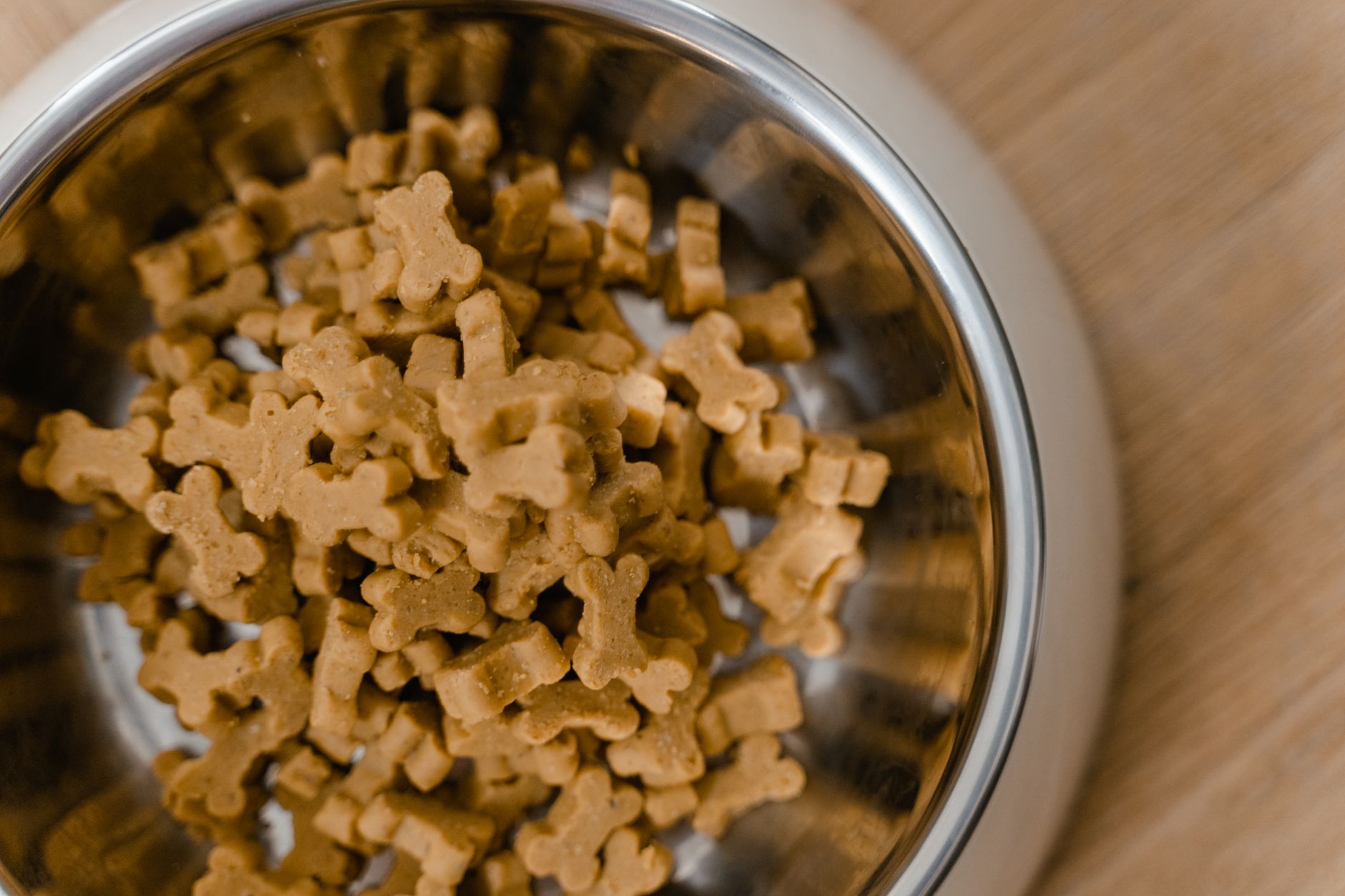
Your senior Labrador’s kibble and your 12-year-old Chihuahua’s kibble should look nothing alike—yet most pet owners grab whatever’s on sale and call it a day. The truth is brutal: a large-breed senior requires roughly 30% fewer calories than a young adult Lab, while a tiny senior needs even more dramatic downsizing to avoid obesity. Miss this math, and you’re feeding your aging dog straight into joint disease, metabolic dysfunction, and a shorter lifespan. The difference between a mediocre senior formula and one tailored to your dog’s size and age isn’t subtle; it’s the gap between a comfortable final decade and one spent limping, overweight, and mentally foggy. In this guide, we’ll decode exactly what to look for on a kibble bag—ingredient order, calorie density, joint support additives, and cognitive boosters—so you can actually compare formulas side by side instead of trusting marketing fluff.
Why Senior Nutrition Isn’t Just “Adult Food Lite”
The moment your dog hits their senior years—roughly age 7 for large breeds like Labs, age 10 for tiny breeds like Chihuahuas—their metabolism shifts. Metabolic rate drops by 20-30% compared to adults, which means the same kibble that kept them lean at five years old will pile on fat by age nine. Excess weight accelerates joint degradation, increases insulin resistance, and loads extra stress on an aging heart. A 70-pound overweight Lab isn’t just uncomfortable; they’re medically screwed without intervention.
But here’s where it gets counterintuitive: senior-specific formulas aren’t just lower-calorie versions of adult food. They contain different ratios of micronutrients. Phosphorus and sodium levels drop (to ease kidney workload), L-carnitine bumps up (to preserve lean muscle mass as dogs naturally lose it), and glucosamine and chondroitin concentrate (to slow cartilage wear). A quality senior formula for a 6-pound Chihuahua looks chemically different from one formulated for an 85-pound Labrador, because their aging bodies age at different speeds and face different injury risks.
Breaking Down the Bag: What Those Numbers Actually Mean
Open any kibble bag and flip to the guaranteed analysis panel. You’ll see percentages for protein, fat, fiber, and ash. Most people stop there. Smart senior dog owners go further—they calculate the calorie density per cup and cross-reference ingredient quality. Here’s what matters for aging dogs of all sizes:
- Protein (minimum 18-20%): Large-breed seniors retain muscle better on moderate protein (18-20%), while small-breed seniors often do well on 20-25%. Too high (over 28%) can stress aging kidneys; too low (under 16%) accelerates muscle wasting. Look for named sources: “chicken meal” or “beef” beats generic “meat meal” or “poultry by-products.”
- Fat (8-12% for seniors): Senior formulas typically run 8-12% fat, versus 15-18% in adult formulas. For a 5-pound Chihuahua eating 250 calories daily, 10% fat means roughly 2.5g fat per day—enough for skin health without excess calories. For an 80-pound Lab eating 1,600 calories daily, the same 10% fat provides 16g daily.
- Fiber (6-8%): Older dogs have slower GI transit; slightly elevated fiber (6-8%, versus 4-6% in adult formulas) helps with digestion without causing bloating. Soluble fibers like beet pulp ease transitions; insoluble fibers from brown rice support regularity.
- Calories per cup: This is the hidden killer. A “light” formula might contain 350 kcal/cup, while a standard adult formula runs 450 kcal/cup. A 10-pound Chihuahua fed two cups daily of the high-calorie formula is eating 900 calories—well above their 300-400 calorie daily need. Use the feeding guide on the bag as a starting point, then weigh your dog every 4 weeks and adjust.
Here’s a concrete example: Hill’s Science Diet Senior (Large Breed) contains 18% protein, 8% fat, and 325 kcal/cup. Royal Canin Chihuahua 8+ contains 26% protein, 11% fat, and 405 kcal/cup. Both are senior formulas, but the macro split is wildly different because large-breed seniors risk obesity faster and have higher absolute joint stress, while tiny seniors need concentrated nutrition in smaller portions.
Ingredient Quality: How to Spot the Difference Between “Okay” and “Actually Good”
Ingredient lists are ordered by weight, so the first five ingredients matter most. For a senior kibble, you want this hierarchy: named meat or meat meal first, then vegetables or grains, then supplements. Avoid anything that lists “corn,” “soybean meal,” or “meat by-products” in the top three slots—these are cheap fillers with weak nutritional density and higher allergen risk in aging dogs with sensitive stomachs.
Real example comparison: Purina Pro Plan Senior (all life stages formula) starts with chicken, chicken by-products meal, corn germ meal, soybean meal. Versus Merrick Grain-Free Senior (for small breeds) starts with beef, beef meal, sweet potato, peas. Both companies are reputable, but Merrick commits more upfront to named meat sources, while Purina uses by-products and grain fillers to manage cost. Merrick runs $65-75 for a 22-pound bag (about $2.95/pound); Purina Pro Plan runs $45-55 for a 30-pound bag (about $1.50-1.83/pound). That price gap tells you something about ingredient sourcing, though it doesn’t automatically mean Merrick is “better”—depends on your dog’s tolerance and your budget.
For large-breed seniors especially, look for glucosamine and chondroitin listed explicitly in the ingredient panel or on the back (not just “joint support blend”). A typical therapeutic dose is 250mg glucosamine + 200mg chondroitin per 25 pounds of body weight daily. A 70-pound Lab needs roughly 700mg glucosamine daily. If the kibble provides 300mg per cup and the dog eats two cups, they’re getting 600mg—close but slightly low. You might add a joint supplement powder to bridge the gap (we’ll cover that below).
Calorie Math for Large vs. Small Seniors: Why Portion Size Is Everything
This is where most owners catastrophically fail. They use the feeding guide on the bag without adjusting for their dog’s actual activity level or age. A 70-pound Labrador Retriever at age 8, sitting in the house most days, needs roughly 1,200-1,400 calories daily. The same Lab at age 3, exercised for an hour, needs 1,800-2,000. That 500-calorie difference explains why your senior Lab gradually gets chunky even though you swear you’re feeding “the same amount as always.”
Small-breed seniors are even trickier because a 6-pound Chihuahua’s baseline metabolism is roughly 250-300 calories daily—so a single extra treat or a few extra kibbles means a 10-15% daily calorie surplus, which translates to 0.5-1 pound of weight gain monthly. Over a year, that’s 6-12 pounds of extra weight on a 6-pound frame. A 10-year-old Chihuahua carrying even 2 extra pounds is, proportionally, as overweight as an 80-pound Lab carrying 26 extra pounds.
Use this rule of thumb: senior large breeds (Labs, German Shepherds, Goldens) need roughly 1,200-1,500 calories daily depending on activity. Senior small breeds (Chihuahuas, Yorkies, Maltese) need 200-350 calories daily. Then test for 4-6 weeks: weigh your dog weekly, and if weight isn’t stable (within 0.5-1 pound), adjust portions by 10-15%. A 70-pound Lab loses 1-2 pounds monthly on correct portions; a 6-pound Chihuahua should lose 0.25-0.5 pounds monthly (slower loss for tiny dogs, to preserve muscle).
Joint Health Supplements: What’s Actually in the Kibble vs. What You’ll Need to Add
No kibble—no matter the price—contains therapeutic doses of all the joint-support compounds aging dogs need. Kibble is shelf-stable, which means heat processing destroys or denatures some compounds. So manufacturers include lower levels than you’d find in a targeted supplement. For a senior Lab or Chihuahua, expect to supplement.
Start with glucosamine and chondroitin. These are naturally derived from animal cartilage (usually shellfish or bovine). A large-breed senior should get 500-1,000mg glucosamine daily; a small-breed senior needs 150-300mg daily (scaled by body weight). A kibble might provide 200-400mg per serving; a dedicated supplement (like Cosequin, roughly $0.60-0.80 per dose) gives 300mg glucosamine + 250mg chondroitin in a single capsule or sprinkle powder. Merrick Grain-Free Senior, for example, includes glucosamine at 250mg per cup—a 70-pound Lab eating 2 cups gets 500mg, which is on the low end of therapeutic range. Adding Cosequin Daily sprinkle (which costs about $18-25 for a 60-count pouch) covers the gap.
Beyond glucosamine, consider omega-3 fatty acids. A high-quality senior kibble includes 0.5-1.5% omega-3 by weight, translating to 150-400mg per cup. But therapeutic doses for joint health and cognitive support run 300-500mg daily for a large dog, 50-150mg for a small dog. Most kibble undershoots this. Fish oil supplements (like Nordic Naturals Omega-3 Pet, about $20-30 per bottle) add the gap. A 70-pound Lab benefits from 1,000-1,500mg omega-3 daily; add a fish oil supplement if kibble alone provides less than 300mg per day.
Green-lipped mussel (GLM) is a newer addition to senior formulas. It contains chondroitin naturally, plus glycosaminoglycans (GAGs) that reduce inflammation. Some senior kibbles now include GLM (Ziwi Peak Air-Dried formulas, for instance), but it’s expensive—expect to pay $80-120 for a 22-pound bag. If your kibble doesn’t include it and your senior shows early arthritic signs, a standalone GLM supplement (like Mobilityflora, about $30-40 for a month’s supply) is worth testing for 6-8 weeks.
Cognitive Support: Ingredients That Actually Slow Mental Decline in Aging Dogs
Canine cognitive dysfunction (CCD)—the dog equivalent of Alzheimer’s—hits roughly 50% of dogs over age 11, and large breeds show signs earlier than small breeds. The hallmarks are disorientation, disrupted sleep, housebreaking failure, and anxiety. Nutrition can’t reverse it, but specific compounds slow progression noticeably. Look for these on a senior kibble’s ingredient label:
- Antioxidants (vitamins E, C, selenium): Protect neurons from oxidative damage. Minimum levels: 150 IU vitamin E per 1,000 kcal, 100ppm selenium. Most senior formulas hit this; verify on the guaranteed analysis.
- Medium-chain triglycerides (MCTs): Offer an alternative fuel source for aging brains. Some formulas (like Hill’s b/d, specifically designed for cognitive support) include MCT oil. It costs $10-15 more per bag, but dogs on b/d show measurably better cognitive scores on standardized tests after 8 weeks.
- Arginine and carnitine: Support neurotransmitter production and energy metabolism in the brain. A senior kibble should contain at least 0.5% arginine and 400ppm L-carnitine by guaranteed analysis.
- DHA (docosahexaenoic acid): An omega-3 fatty acid crucial for brain function. Found in fish oil; look for kibbles listing “fish meal” in the top five ingredients or explicitly adding fish oil. A 70-pound senior Lab should consume 200-300mg DHA daily from all sources (kibble + supplements).
Real example: Purina Pro Plan Senior 7+ (for large breed) lists fish oil, added antioxidants, and carnitine on the label. Royal Canin Mature Large Dog includes fish oil, taurine, and an antioxidant blend. Neither explicitly advertises “cognitive support,” but both have the ingredients. Hill’s Science Diet Senior Large Breed doesn’t list MCT oil, but Hill’s Prescription Diet b/d (a specialized cognitive-support formula, vet-recommended) explicitly includes MCT and costs about $4-5 more per pound. If your senior Lab shows early confusion or sleep disruption, the b/d upgrade is worth a trial period (8-12 weeks, roughly $150-200 total cost).
Size-Specific Aging Challenges: Large Breeds vs. Tiny Breeds
A 70-pound Labrador and a 6-pound Chihuahua age entirely differently, which means their nutritional priorities diverge sharply. Understanding these differences changes which kibble you buy.
Large-breed seniors (Labs, Goldens, German Shepherds): Face catastrophic orthopedic failure earlier. Hip dysplasia, elbow dysplasia, and degenerative myelopathy strike large breeds faster and harder than tiny breeds. Excess weight becomes a death sentence—every extra pound stresses joints exponentially. A 70-pound Lab at healthy weight versus 80 pounds is the difference between pain-free walking and visible limping by age 10. Nutritional priority: controlled calories, joint support, and muscle preservation. These dogs need moderate protein (18-22%), lower fat (8-10%), and maximum glucosamine/chondroitin. They also face higher kidney disease risk, so phosphorus should be capped at 0.4-0.5% by weight.
Best kibble profile for large-breed seniors: Royal Canin Large Dog Senior (400 kcal/cup, 18% protein, 8% fat, 0.4% phosphorus, includes glucosamine at 300mg per cup), or Hill’s Science Diet Senior Large Breed (325 kcal/cup, 18% protein, 8% fat, similar mineral balance). Both run $45-65 per 30-pound bag.
Small-breed seniors (Chihuahuas, Yorkies, Maltese, Pomeranians): Rarely face severe orthopedic issues—their joints just don’t carry enough load to fail like large dogs. But they face different hazards: dental disease (poor jaw structure), collapsed trachea (pressure from obesity), and kidney disease (metabolic predisposition). They also tend to be pickier eaters, so palatability matters. Nutritional priority: nutrient density (concentrated calories and micronutrients per cup), dental support, and organ preservation. Small-breed seniors need higher protein (22-26%) because they’re smaller and naturally lose muscle faster. Fat can run 10-12% because the absolute amount per meal stays tiny. They need lower phosphorus and sodium, but slightly higher potassium and taurine.
Best kibble profile for small-breed seniors: Royal Canin Chihuahua 8+ (405 kcal/cup, 26% protein, 11% fat, high palatability, lower phosphorus/sodium), or Merrick Grain-Free Small Breed Senior (390 kcal/cup, 25% protein, 11% fat, includes glucosamine/chondroitin). Both run $65-85 per 22-pound bag. The higher price reflects denser nutrition in smaller portions.
Related from our network
- Voice Control for Seniors: The Easiest Smart Speakers to Set Up and Use (smarthomewizards)
- The Rise of Small Language Models: When Bigger Isn’t Better (aidiscoverydigest)
- Seniors’ Guide to Smart Home Security: Top 5 Systems Compared (theconnectedhaven)