Disclosure: This post contains affiliate links. If you click through and make a purchase, we may earn a small commission at no extra cost to you. Thank you for supporting this site!
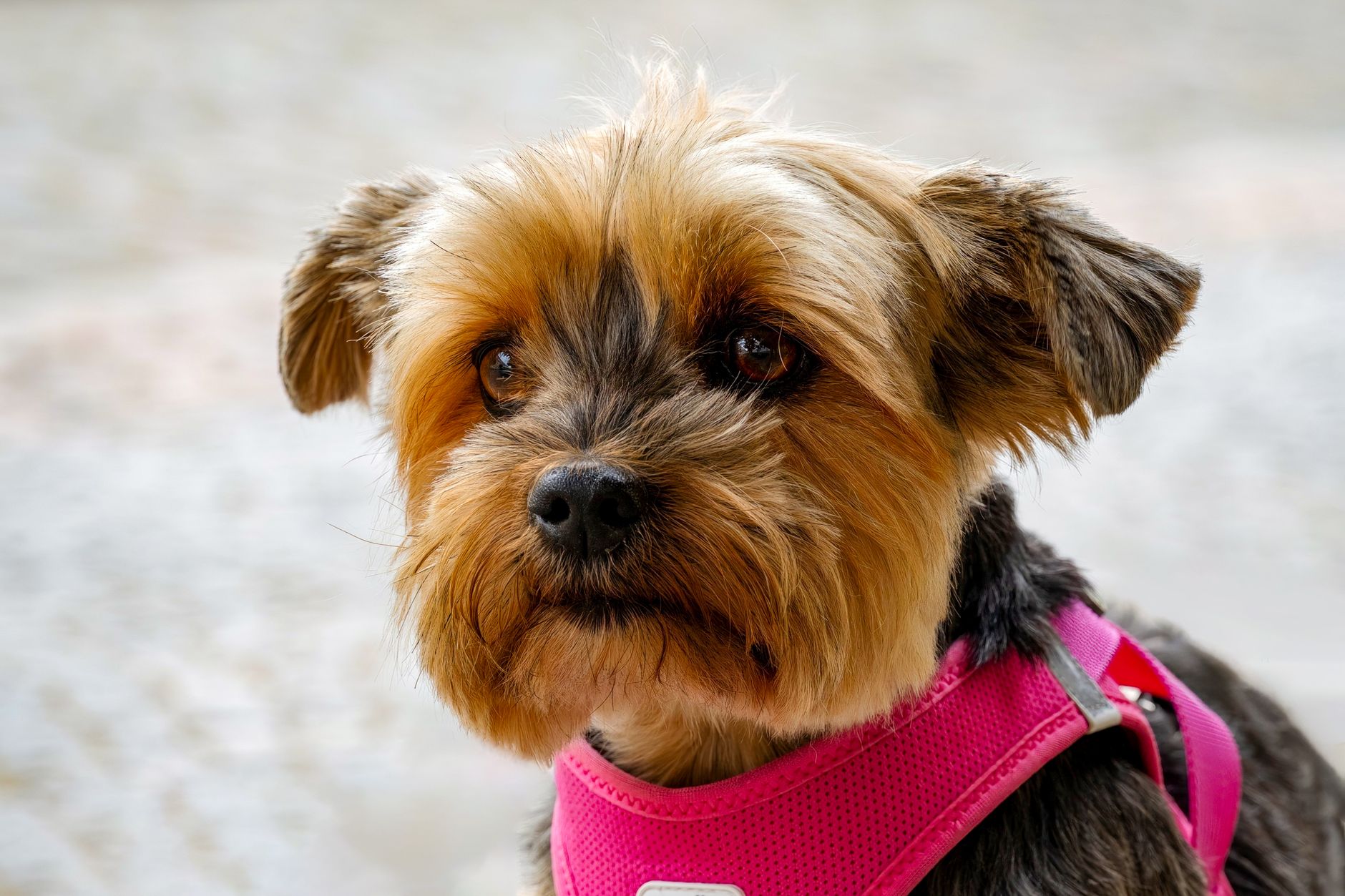
I still remember the day I brought home my first small breed dog—a tiny ball of fluff I couldn’t quite decide between. The breeder had both a Pomeranian and a Yorkshire Terrier puppy available, and I spent an hour holding each one, trying to imagine the next 12 to 16 years with them. What I didn’t realize then was that the real decision wasn’t about which one was cuter. It was about which one fit my budget and lifestyle. After owning both breeds over the years (yes, I eventually got both), I can tell you the financial and time commitments differ more than most first-time owners expect. Let me walk you through the actual costs, product specs, and daily realities so you can make a choice that works for your wallet and your life.
Upfront Purchase Price: What You Pay to Bring Them Home
When I bought my first Pomeranian from a reputable breeder in 2018, I paid $1,800. My Yorkshire Terrier, purchased two years later from a different breeder, cost $2,200. These prices sit in the typical range for well-bred puppies from health-tested parents. According to the American Kennel Club Market Watch, Pomeranian puppies from responsible breeders range from $1,000 to $3,000, while Yorkies typically run $1,200 to $3,500. Show-quality lines or rare colors (like parti-color Pomeranians or tiny teacup Yorkies) can push prices above $5,000, but I strongly advise against those for first-time owners—health risks skyrocket.
Adoption is a cheaper route. I’ve seen Pomeranians in breed-specific rescues like POMERESCUE for adoption fees between $250 and $600. Yorkshire Terrier rescues (Yorkshire Terrier National Rescue, Inc.) charge $300 to $500. The catch? Adult dogs may have unknown health histories, and you might wait months for a puppy. Whichever route you choose, budget for a health screening within the first week—my vet charged $85 for a basic exam and fecal test. Don’t skip this; I once adopted a Yorkie who had a hidden dental infection that cost $450 to treat.
Housing and Crate Setup: Real Measurements and Brands
Both breeds are tiny, but their crating needs differ. For my Pomeranian (weighing 5.5 pounds as an adult), I use a Midwest iCrate Double Door Folding Dog Crate, 22 inches long, 15 inches wide, 16 inches tall. That’s the 22″ model, which costs about $55 on Chewy. The bar spacing is 1 inch—critical for a Pom because they can squeeze through anything larger. My Yorkie (7 pounds) needed a slightly bigger crate: the EliteField 2-Door Folding Soft Crate, 24″ x 18″ x 19″ for $65. The mesh sides offer better ventilation, but I found the zipper on the EliteField started sticking after six months. For durability, the Midwest iCrate wins, but the soft crate is easier to travel with.
For beds, don’t buy “one size fits all.” My Pom loves the PetFusion Ultimate Dog Bed (Small, 20″ x 16″ x 6″)—$49.95 on Amazon. The memory foam is 4 inches thick, which supports his joints. My Yorkie prefers the K&H Pet Products Ortho Bolster Sleeper (Small, 18″ x 18″ x 5″) at $37.99. It has a raised rim he rests his head on. Both beds are machine-washable, and I wash covers every two weeks—Yorkies drool less, but both shed dander. For playpens, the Precision Pet Extreme Summit Foldable Metal Playpen, 20″ x 20″ panels, 24″ tall works for both. Cost: $89.99. It holds up to 30 pounds, so it’s overkill for these breeds, but the 1.5-inch bar spacing keeps them secure.
Food and Nutrition: Brand Comparisons and Portion Costs
Feeding a small breed isn’t cheap if you do it right. I use Royal Canin Size Health Nutrition Small Adult Dry Dog Food for both dogs. The kibble pieces are tiny—7 mm diameter—perfect for their small mouths. A 2.5-pound bag costs $16.99 on Petco and lasts my Pom about 25 days (he eats 1/4 cup per day, 95 calories). My Yorkie eats 1/3 cup daily (130 calories), so the same bag lasts 20 days. That works out to roughly $20 per month per dog. For wet food, I occasionally mix in Hill’s Science Diet Adult Small Paws Chicken & Rice Entree (12.5 oz can, $2.19). One can lasts three meals.
I tried Blue Buffalo Life Protection Small Breed for a while—$15.99 for a 4-pound bag—but my Pom developed loose stools. The guaranteed analysis showed 26% protein, which was fine, but the fiber content (6%) was higher than Royal Canin’s 4.2%. My vet recommended sticking with a brand that follows WSAVA guidelines, so Royal Canin and Hill’s are my go-tos. Treats add cost: I buy Greenies Teenie (5-15 lbs) 36-count box for $24.99, which lasts about two months. For dental health, those are non-negotiable—Yorkies are prone to plaque buildup.
Grooming Costs: Time, Tools, and Professional Visits
This is where the breeds diverge dramatically. My Pomeranian has a double coat that sheds heavily twice a year. I brush him every other day with a Chris Christensen Big G Slicker Brush (size Medium, $42.99)—the fine pins are 1 inch long and reach his undercoat without scratching skin. A full brushing session takes 15 minutes. I bathe him every 4 to 6 weeks using Nature’s Miracle Supreme Odor Control Shampoo for Dogs ($8.99 for 16 oz). Drying takes 30 minutes with a high-velocity dryer (I use the Flying Pig High Velocity Dog Dryer, $99.99). Professional grooming every 8 weeks costs $65 at PetSmart for a bath, brush, nail trim, and sanitary trim.
My Yorkshire Terrier has hair, not fur—it grows continuously like human hair. I brush him daily with a Chris Christensen 27mm Oval Pin Brush ($35.99) to prevent matting. Bathing every 2 weeks is necessary because his hair gets oily. I use Isle of Dogs Everyday Silky Shampoo ($18.95 for 16 oz) and follow with Isle of Dogs Silky Conditioner ($18.95). Professional grooming runs $75 every 4 weeks for a full haircut (I keep him in a “puppy cut” with 1-inch length all over). Nail grinding at home costs nothing if you buy a Dremel 7300-PT Pet Nail Grooming tool ($44.99). I do nails every 2 weeks for both dogs. Total monthly grooming cost: Pom = $35 (professional every 2 months + supplies), Yorkie = $75 (professional monthly + more supplies).
Veterinary Care: Routine and Emergency Costs
Annual wellness exams for each dog cost $85 at my local Banfield Pet Hospital. Vaccines (DHPP, rabies, leptospirosis) add about $120 per year. Heartworm prevention: I use Heartgard Plus for Dogs 11-25 lbs (6-month supply, $39.99 on Chewy)—but note that Yorkies under 4 pounds need the smaller dose. Flea and tick: NexGard for Dogs 4-10 lbs (6-month supply, $89.99). Both dogs get these monthly. Dental cleanings are a big one: Yorkies are notorious for dental disease. My Yorkie had a professional cleaning at age 3 that cost $450 under anesthesia (including bloodwork and extractions of two baby teeth). My Pom at age 4 needed a cleaning but no extractions—$350.
Emergency costs can blindside you. My Pomeranian once ate a grape (toxic), and the emergency vet visit, induced vomiting, and activated charcoal cost $320. My Yorkie fell off the couch (they’re fearless) and limped for a day—x-rays were $250, no fracture found. I strongly recommend pet insurance. I use Healthy Paws with a $250 deductible and 80% reimbursement. For my Pom, it’s $28/month; for my Yorkie, $32/month. Over three years, it’s saved me roughly $1,200 in claims. Without insurance, budget $800-$1,200 per year per dog for routine care, and keep a $2,000 emergency fund.
Exercise and Enrichment: Daily Time and Equipment
Both breeds need surprisingly different exercise amounts. My Pomeranian requires about 30 minutes of activity per day—two 15-minute walks or one 20-minute walk plus 10 minutes of fetch inside. He’s content with that. My Yorkshire Terrier needs a solid 45 minutes daily, split into three 15-minute sessions. Yorkies have terrier energy—they were bred to hunt vermin. If I skip a walk, my Yorkie starts chewing baseboards. For indoor play, I use the Outward Hound Hide-A-Squirrel Puzzle Toy ($14.99)—both dogs love it, but my Yorkie solves it in 3 minutes while my Pom takes 8. For mental stimulation, I use Kong Classic Small (red, $10.99) stuffed with peanut butter and frozen. That buys me 20 minutes of quiet.
For walks, I use Ruffwear Hi & Light Leash (4 feet, $29.95) and Ruffwear Front Range Harness (XXS, $39.95). The XXS fits both: chest girth 11-14 inches, weight limit 18 pounds. The harness has a front clip to reduce pulling—essential for my Yorkie who likes to chase squirrels. I also own a PetSafe Solvit Deluxe Pet Seat Cover ($49.99) for car rides. It covers the entire back seat and has mesh windows for ventilation. Both dogs ride in Sleepypod Atom Booster Seats ($49.95 each) that attach to the seat belt. These crash-tested carriers weigh 2.5 pounds and hold dogs up to 15 pounds. Safety first—I learned that after a hard brake sent my Pom flying off the seat.
Temperament and Training: What to Expect Day to Day
Pomeranians score a 4 out of 5 on the AKC’s trainability scale—they’re smart but stubborn. My Pom learned “sit” in three repetitions but took two weeks to reliably “come” when called. Yorkies score a 3.5—they’re clever but easily distracted. Potty training was harder with my Yorkie: it took 4 months before he was fully reliable, while my Pom was accident-free by month 3. I used PetSafe Piddle Place Indoor Potty ($39.99) with real grass pads for emergency use—it’s a 12″ x 18″ tray with a grate. Both dogs adapted, but my Yorkie preferred the real grass while my Pom used it only when desperate.
Barking is a factor. Pomeranians are alert barkers—mine barks at doorbells, squirrels, and leaves blowing. I measured his bark at 85 decibels with a phone app (not precise, but telling). Yorkies bark too, but less frequently—more of a sharp “yap” when excited. Both respond well to Positive reinforcement with freeze-dried liver treats (Vital Essentials Freeze-Dried Minnows, $7.99 for 2 oz). I do 10-minute training sessions twice daily. Socialization is critical: I took both to puppy class at PetSmart ($119 for 6 sessions). My Pom was nervous around large dogs; my Yorkie wanted to fight every Great Dane. Early exposure helped both.
Lifespan and Long-Term Financial Projection
Pomeranians live 12 to 16 years; Yorkshire Terriers 13 to 16 years. Let’s project costs over 14 years (average). Using my actual numbers:
- Pomeranian: Purchase $1,800 + Food ($20/month × 168 months = $3,360) + Grooming ($35/month × 168 = $5,880) + Routine Vet ($800/year × 14 = $11,200) + Insurance ($28/month × 168 = $4,704) + Supplies (crate, bed, toys, etc. = $500 initial + $200/year × 14 = $3,300) = Total: $30,744
- Yorkshire Terrier: Purchase $2,200 + Food ($20/month × 168 = $3,360) + Grooming ($75/month × 168 = $12,600) + Routine Vet ($1,000/year × 14 = $14,000, factoring dental) + Insurance ($32/month × 168 = $5,376) + Supplies ($500 initial + $250/year × 14 = $4,000) = Total: $41,536
These are conservative estimates—no major surgeries or chronic conditions. The Yorkie costs about $10,800 more over a lifetime, mostly due to grooming and dental care. But both are manageable if you plan. I put $100/month into a dedicated pet savings account for each dog. That covers routine costs and builds a buffer for emergencies.
Frequently Asked Questions
Which breed is better for apartment living?
Both are excellent for apartments due to their small size, but the Pomeranian is quieter on average. My Yorkie’s terrier instincts make him more reactive to noises in the hallway. If you have thin walls, a Pom may be less disruptive. However, both need daily walks—don’t assume a small dog can skip exercise. I recommend at least 20 minutes of outdoor time twice daily for either breed.
How much does pet insurance cost for these breeds?
I pay $28/month for my Pomeranian and $32/month for my Yorkshire Terrier through Healthy Paws, with a $250 deductible and 80% reimbursement. Rates vary by age, location, and coverage level. For a puppy, you might pay $20-$35/month. Get a quote before buying the dog—some insurers won’t cover pre-existing conditions like luxating patellas, which are common in both breeds.
Can I groom a Yorkie or Pom at home to save money?
Absolutely, but it’s not easy. I groom my Pom at home between professional visits—I use a clipper (Andis UltraEdge AGC2, $139.99) with a #10 blade for sanitary areas. For a Yorkie, a full haircut at home requires skill to avoid cutting the skin. I tried once and ended up with a choppy mess. If you’re a first-time owner, budget for professional grooming every 4-6 weeks for the first year while you learn. Watch YouTube tutorials from channels like “Girl With The Dogs” for breed-specific techniques.
What is the biggest hidden cost new owners overlook?
Dental care. Both breeds are prone to periodontal disease. My Yorkie’s first cleaning cost $450, and my Pom’s was $350. Without regular brushing and professional cleanings, they can lose teeth by age 5. I brush both dogs’ teeth daily with a Virbac C.E.T. Enzymatic Toothpaste ($12.99) and a finger brush. Annual dental checkups add about $100 to the vet bill. Skip this, and you’ll pay thousands in extractions later.
Which breed is more expensive to feed?
They’re nearly identical in food cost—both eat about 1/4 to 1/3 cup of high-quality kibble per day. The difference is in treats and supplements. Yorkies often need joint supplements (like Cosequin, $24.99 for 60 chews) as they age, while Poms may need coat supplements (like Omega-3 fish oil, $14.99 for 16 oz). Overall, food costs average $20-$25 per month for either breed.
For the Love of Your Pet
Care guides, breed insights, and gentle advice for happier pets.