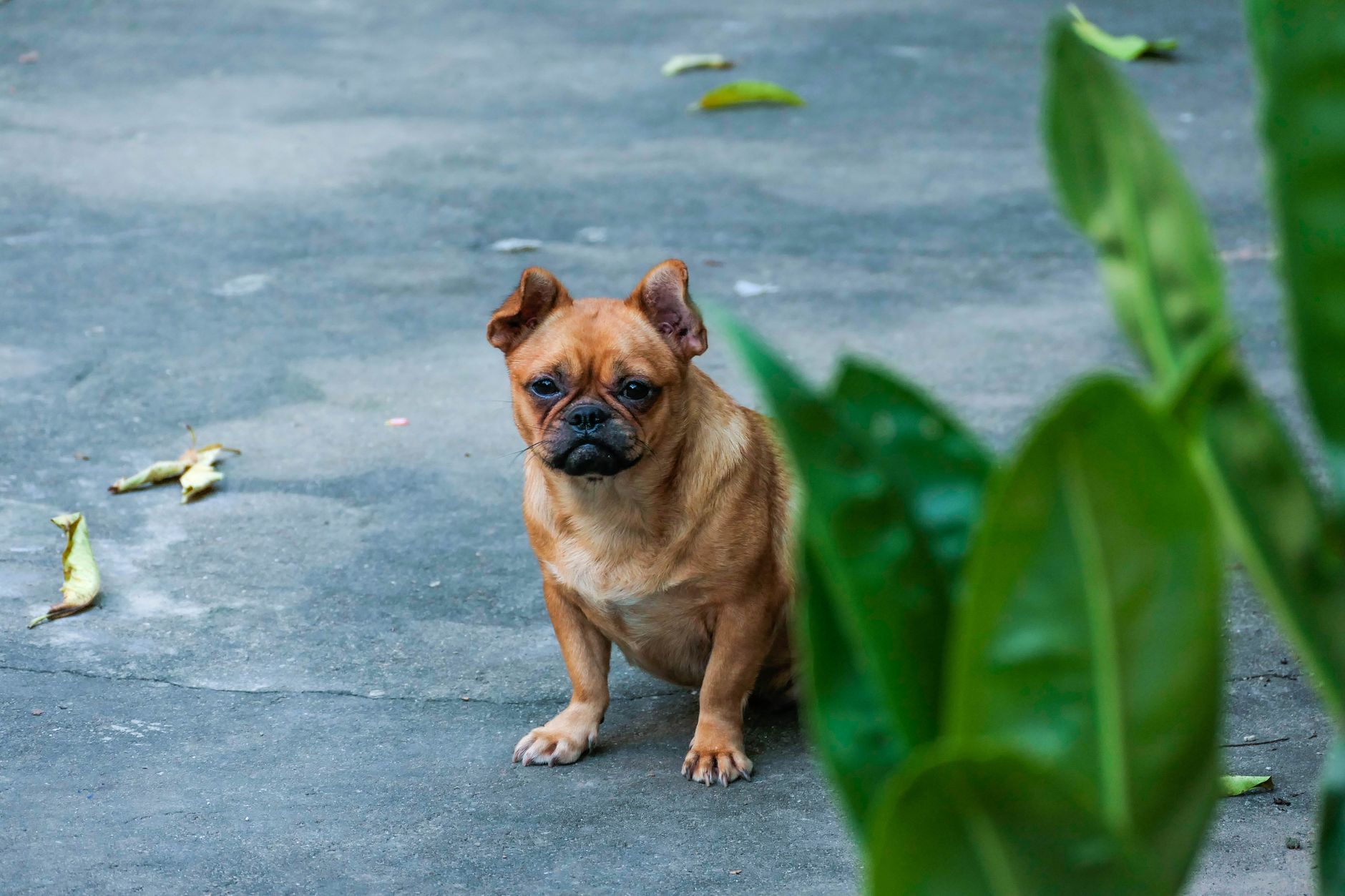
When I first considered bringing a brachycephalic breed into my home, I was charmed by the wrinkled faces and comical personalities of both the Bulldog and the Pug. They’re undeniably adorable, with a certain clownish appeal that melts even the most stoic heart. But beneath those endearing snorts and snuffles lies a complex reality regarding their health. These aren’t breeds you can adopt without a serious discussion about potential medical issues and the associated costs. I learned this firsthand when researching my own potential adoption, and the numbers were eye-opening. While both breeds share some common challenges due to their flat faces, the specifics and the financial implications can differ significantly. Understanding these differences is crucial for any prospective owner who wants to provide the best possible care and avoid unexpected heartbreak and financial strain. This isn’t just about aesthetics; it’s about a deep commitment to a dog’s well-being, which often comes with a hefty price tag for specialized veterinary care.
Understanding Brachycephalic Airway Syndrome (BAS)
Both Bulldogs and Pugs fall under the umbrella of “brachycephalic” breeds, meaning they have short muzzles and flattened skulls. This distinctive facial structure, while cute, is the root cause of Brachycephalic Airway Syndrome (BAS), a collection of respiratory abnormalities. BAS can include elongated soft palates, stenotic nares (narrow nostrils), and everted laryngeal saccules. In my experience, even mild cases can lead to noisy breathing, especially during excitement or heat. Severe cases can result in significant breathing difficulties, exercise intolerance, and even collapse. For Bulldogs, the severity of BAS can be particularly pronounced due to their generally larger size and more extreme facial features compared to Pugs. I’ve seen Bulldogs struggle to keep up on even short walks, panting heavily after minimal exertion, whereas a Pug might manage a bit more but still show clear signs of respiratory compromise.
The diagnostic process for BAS typically involves a thorough physical examination by a veterinarian, often under sedation to assess the airway structures accurately. Treatments can range from lifestyle management (avoiding strenuous activity, keeping the dog cool) to surgical interventions. Surgery to correct stenotic nares or trim an elongated soft palate can cost anywhere from $500 to $2,500, depending on the complexity and the veterinary clinic’s location. For instance, a procedure at a specialized veterinary surgical center might be at the higher end of this range. It’s important to budget for this possibility, as it’s not a matter of if but when many brachycephalic dogs will benefit from surgical correction to improve their quality of life. My own research indicated that early intervention, even before severe symptoms manifest, can often lead to better outcomes and potentially lower long-term costs by preventing secondary complications.
Skin Fold Dermatitis: A Common Culprit
The characteristic wrinkles and folds on a Bulldog’s and Pug’s face and body are adorable but also create perfect breeding grounds for bacteria and yeast. This leads to a common condition known as skin fold dermatitis. These folds trap moisture, food particles, and debris, creating a warm, humid environment ideal for microbial growth. In my Pug, Chester, I had to clean his facial folds daily with a veterinarian-approved antiseptic wipe, like Vetericyn Plus Antimicrobial Pet Wound & Skin Care Spray (available in 3oz, 8oz, and 16oz bottles, with prices ranging from $15 to $35 depending on size and retailer). Even with diligent daily cleaning, flare-ups could occur, requiring medicated shampoos and topical treatments. The cost of these specialized cleaning supplies and medicated treatments can add up quickly, often totaling $30-$50 per month. For Bulldogs, the folds can be even deeper and more numerous, particularly around the face, tail, and even limbs, increasing the likelihood and severity of dermatitis.
Treating active skin fold dermatitis often involves a combination of topical and sometimes oral medications. Antibiotics or antifungals may be prescribed, and these can cost between $40 and $100 for a course of treatment, depending on the medication and dosage. Recurring infections can lead to chronic inflammation and thickening of the skin, making it even harder to manage. Some owners opt for surgical removal of excess skin folds, particularly in severe or persistent cases, which can be a significant surgical cost, similar to airway surgery, ranging from $500 to $2,000. It’s a constant battle to keep these areas clean and dry, and owners must be prepared for a lifelong commitment to hygiene. I found that using a soft, absorbent towel to gently dry the folds after cleaning was just as important as the cleaning agent itself, preventing moisture buildup.
Eye Issues: More Than Just Tear Stains
The prominent, large eyes of both Bulldogs and Pugs make them susceptible to a variety of eye conditions. Protruding eyeballs are more easily injured. Conditions like cherry eye (prolapsed nictitating membrane), entropion (inward rolling of the eyelid), ectropion (outward rolling of the eyelid), and corneal ulcers are relatively common. Cherry eye surgery, for example, typically costs between $300 and $800 per eye. Entropion and ectropion often require surgical correction as well, with similar cost ranges. I’ve seen owners struggle with constant tear staining, which, while primarily cosmetic, can sometimes indicate underlying irritation or infection. Cleaning these tear stains requires specialized solutions and gentle wipes, adding another recurring cost of about $10-$20 per month. For a Pug like mine, I used a gentle tear stain remover, like Angel Eyes Tear Stain Wipes for Dogs (available in 50-count tubs for around $15), to keep the area clean and reduce the risk of secondary infections.
Corneal ulcers, which can be caused by minor scratches or even chronic irritation from ingrown eyelashes or eyelids, can be particularly painful and require prompt veterinary attention. Treatment can involve antibiotic eye drops (ranging from $20-$50 per bottle) and pain medication. In severe cases, surgery might be necessary to repair the ulcer, which can cost upwards of $1,000. Bulldogs, with their deep-set eyes often partially obscured by heavy facial folds, can be particularly prone to irritation and injury from these folds rubbing against the cornea. This can lead to chronic discomfort and increased risk of ulcers. Regular eye checks by your veterinarian are essential, and you should be prepared for the possibility of needing specialized eye medications or procedures throughout their lives.
Orthopedic Concerns: Hip Dysplasia and More
While often associated with larger breeds, hip dysplasia can also affect Bulldogs and Pugs. This condition occurs when the hip socket doesn’t fit snugly around the head of the thigh bone. It can cause pain, lameness, and arthritis. Diagnosis involves X-rays, which can cost $150-$300. Treatment options range from pain management and joint supplements (which can cost $30-$60 per month) to surgery, such as total hip replacement, which can be extremely expensive, often exceeding $4,000-$8,000 per hip. I’ve seen owners manage mild cases with careful weight management, controlled exercise, and supplements, but severe cases significantly impact a dog’s mobility and quality of life. The cost of managing arthritis long-term, including medication and physical therapy, can also be substantial.
Beyond hip dysplasia, Bulldogs, in particular, are prone to other orthopedic issues like luxating patellas (dislocating kneecaps) and intervertebral disc disease (IVDD), a condition affecting the spine. IVDD can cause pain, paralysis, and requires intensive treatment, including surgery, which can cost $3,000-$7,000 or more. Pugs can also suffer from IVDD, though it might be less common than in Bulldogs. Both breeds can benefit from regular, moderate exercise to maintain muscle mass supporting their joints. However, care must be taken not to over-exert them, especially during hot weather or if they have respiratory issues. I always ensured Chester had a comfortable, orthopedic bed like the Big Barker Orthopedic Dog Bed (available in sizes like L: 30″x48″x7″, XL: 48″x72″x7″, with prices around $300-$600) to provide extra support for his joints, especially as he aged.
Dental Health: A Hidden Challenge
The short muzzles of Bulldogs and Pugs often result in overcrowding of their teeth, leading to a higher incidence of dental disease. Misaligned teeth are harder to clean naturally through chewing, making them prone to plaque and tartar buildup. This can lead to gingivitis, periodontal disease, and eventually tooth loss. Regular professional dental cleanings under anesthesia are crucial. These cleanings can cost anywhere from $300 to $800, depending on the extent of work needed and the veterinary clinic. I found that brushing Chester’s teeth daily with a dog-specific toothpaste, like Virbac C.E.T. Enzymatic Dog Toothpaste (available in 70g tubes for about $10), was essential, but it couldn’t entirely prevent the need for professional cleanings. Without regular cleanings, the risk of painful infections and systemic health problems linked to poor dental hygiene increases significantly.
In addition to regular brushing and professional cleanings, owners might need to provide dental chews or specialized dental diets. While these can help, they are not a substitute for proper oral care. Some dogs may even require tooth extractions if disease is advanced, which adds to the cost of dental procedures, potentially increasing the total by several hundred dollars per tooth. It’s a good idea to start dental care early, from puppyhood, to get them accustomed to brushing. I noticed that Pugs, with their slightly less extreme facial structure than some Bulldogs, might have marginally better natural tooth cleaning, but the overcrowding issue remains a significant concern for both breeds. Investing in good dental care early can prevent more costly and painful problems down the line.
Veterinary Care Costs: The Bottom Line
When comparing the overall veterinary care costs, both Bulldog and Pug ownership demands a significant financial commitment. However, Bulldogs, due to their generally larger size and predisposition to more severe orthopedic and respiratory issues, can sometimes incur higher costs. For example, a complex airway surgery for a Bulldog might be more expensive than for a Pug due to the larger scale of the procedure. My own experience suggests that annual wellness exams, vaccinations, and parasite prevention for either breed will likely fall in the $300-$600 range. However, this is just the baseline. Add in potential costs for dental cleanings ($300-$800 annually or bi-annually), skin fold treatments ($30-$50 monthly for supplies and medications), and potential eye or orthopedic issues, and the annual total can easily climb to $1,500-$3,000 or much higher in years with significant medical events.
Pet insurance is a highly recommended consideration for these breeds. Premiums for a Bulldog or Pug can range from $40 to $90 per month, depending on the provider, coverage level, and the dog’s age. While this seems like a significant monthly expense, it can save owners tens of thousands of dollars in the event of major surgery or chronic illness. For instance, a single orthopedic surgery can cost more than several years of insurance premiums. I always recommend getting quotes from multiple reputable pet insurance providers, such as Nationwide, Trupanion, or Healthy Paws, and carefully reading the policy details, including deductibles, co-pays, and coverage limits. Considering that many owners spend over $5,000 on unexpected veterinary bills for their brachycephalic dogs within their lifetime, insurance can provide invaluable peace of mind and financial stability. It’s not just about the initial purchase price; it’s about the ongoing commitment to their health and well-being.
Conclusion and Recommendations
Choosing between a Bulldog and a Pug involves understanding their shared brachycephalic challenges and their breed-specific vulnerabilities. Both require diligent care for skin folds, eyes, and airways, and both are prone to dental and orthopedic problems. Bulldogs may face more severe respiratory and orthopedic issues due to their size and structure, potentially leading to higher lifetime veterinary costs. Pugs, while generally smaller, still face significant health risks, particularly with their airways and eyes. My advice is to prepare for annual veterinary costs ranging from $1,500 to $3,000, not including unexpected emergencies or surgeries. Investing in pet insurance from a reputable provider like Trupanion (with policies often starting around $50/month for a young Pug or Bulldog) is almost non-negotiable for these breeds.
When making your decision, I strongly suggest:
- Prioritize Health Testing: When getting a puppy, ask breeders for health clearances for common issues like hip dysplasia (OFA certification), patellar luxation, and eye conditions (CERF certification). This can help identify potential risks early.
- Budget for Specialized Care: Beyond routine care, set aside funds specifically for potential surgeries related to BAS, skin fold dermatitis, or orthopedic issues. A conservative estimate for these could be $3,000-$5,000 per incident.
- Commit to Daily Maintenance: Be prepared for daily cleaning of skin folds, regular teeth brushing, and careful monitoring of breathing and activity levels, especially in warm weather. This daily commitment is as vital as financial preparedness.
Ultimately, the joy these breeds bring is immense, but it’s a joy best experienced when you’re fully prepared for the unique care and financial responsibilities they entail. Both breeds are wonderfully affectionate companions, but their journey with you will likely involve more trips to the vet and more specialized care than many other breeds.
Frequently Asked Questions
What is the average lifespan for a Bulldog and a Pug?
The average lifespan for an English Bulldog is typically between 8 to 10 years. Pugs, on the other hand, tend to live a bit longer, with an average lifespan of 13 to 15 years. These ranges can be influenced by genetics, diet, exercise, and the quality of veterinary care they receive throughout their lives. Regular check-ups and prompt treatment of any health issues can help maximize their lifespan and ensure they live happy, healthy lives.
Are Bulldogs or Pugs more expensive to own overall?
While both breeds are costly due to their health predispositions, Bulldogs may edge out Pugs in overall expense. This is primarily due to their larger size, which can increase costs for food, medication dosages, and potentially more complex surgeries. Bulldogs are also more prone to severe orthopedic issues and may require more extensive respiratory interventions. However, a Pug with significant health complications could easily match or exceed a Bulldog’s veterinary bills.
Can Bulldogs and Pugs live comfortably in apartments?
Yes, both Bulldogs and Pugs can adapt well to apartment living, provided their exercise needs are met. They are not typically high-energy dogs and are content with shorter, moderate walks. Their primary limitation is their respiratory system; they should not be over-exerted, especially in hot or humid conditions. Ensuring they have adequate ventilation and are kept cool is crucial for apartment dwellers with these breeds. A comfortable, climate-controlled environment is key.
How often should I clean my Bulldog’s or Pug’s skin folds?
Skin folds should ideally be cleaned daily to prevent infections. This involves gently wiping the folds with a veterinarian-approved antiseptic solution or a specialized pet wipe. After cleaning, it’s important to ensure the folds are thoroughly dried with a soft towel or cotton pad to prevent moisture buildup, which can exacerbate skin issues. Consistency is key; missing even a few days can lead to irritation and potential infection.
Related from our network
- Blood Pressure Smartwatch Full Breakdown: Top 5 Devices Compared (wearablegearreviews)
- Business Leaders Evaluate Enterprise AI Solutions: Implementation Costs and ROI Analysis (aidiscoverydigest)
- Ring vs Nest Doorbell Comparison 2025: Which Smart Doorbell Wins? (smarthomegearreviews)
🐾 Our Top Pick
For the Love of Your Pet
Care guides, breed insights, and gentle advice for happier pets.