Disclosure: This post contains affiliate links. If you click through and make a purchase, we may earn a small commission at no extra cost to you. Thank you for supporting this site!
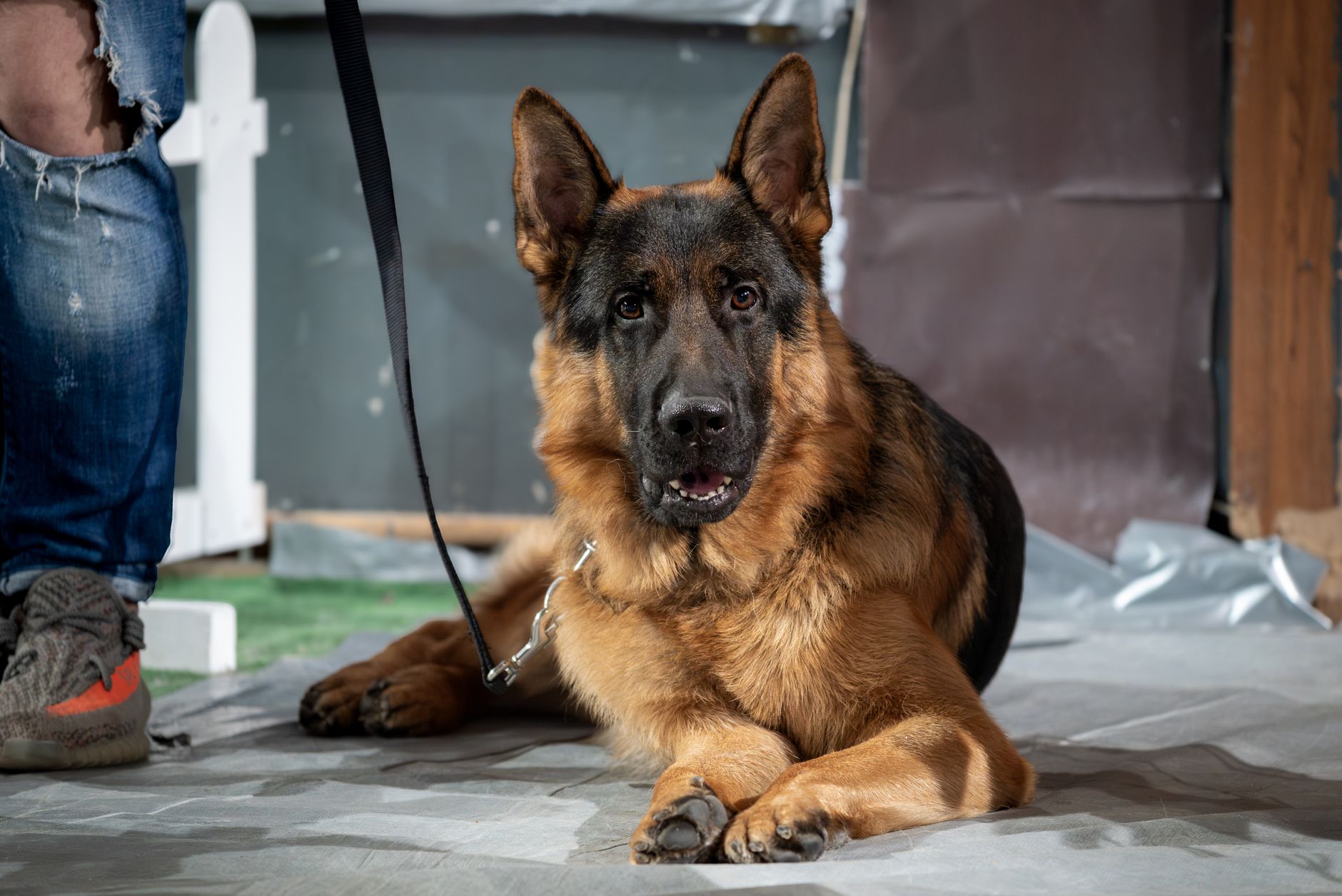
You know the German Shepherd is smart, loyal, and protective. But what does it actually take to keep one thriving in 2026, beyond the basics of food and walks? The reality is, caring for this breed is a dynamic, lifelong project that requires adapting to new health knowledge, training philosophies, and lifestyle trends. Having raised two GSDs over the last decade, I’ve learned that the difference between a good dog and a truly great companion lies in the details of daily care. This isn’t just about surviving puppyhood; it’s about proactively building a resilient, happy, and healthy dog for their entire 9-13 year lifespan. Let’s move past the generic advice and focus on the seven essential, actionable care pillars that modern owners need to master.
7 min read
In This Article
- 1. Redefining Exercise: It’s About Mental Miles, Not Just Physical
- 2. Advanced Joint & Hip Care From Day One
- 3. Mastering the GSD Grooming Cycle (It’s More Than Brushing)
- 4. Nutrition: Decoding the 2026 Ingredient List
- 5. Proactive Veterinary Partnership & Health Screening
- 6. Structured Socialization & Ongoing Training
- 7. Creating a GSD-Specific Home Environment
Key Takeaways
- 1. Redefining Exercise: It’s About Mental Miles, Not Just Physical
- 2. Advanced Joint & Hip Care From Day One
- 3. Mastering the GSD Grooming Cycle (It’s More Than Brushing)
- 4. Nutrition: Decoding the 2026 Ingredient List
1. Redefining Exercise: It’s About Mental Miles, Not Just Physical
Every guide tells you German Shepherds need a lot of exercise, but “a lot” is vague and can lead to creating an athlete with endless stamina. The goal for 2026 is balanced enrichment: tiring the brain is just as critical as tiring the body. Aim for a minimum of 90-120 minutes of dedicated activity daily, split between physical and mental work. A simple two-mile walk won’t cut it for most adult GSDs. You need structured sessions.

Break down that 120 minutes. Thirty minutes could be a brisk walk or jog. Another thirty should be dedicated to skill-based training—obedience drills, new tricks, or nose work. The remaining time is for active play. I learned this the hard way with my first GSD, Max; just running him more made him fitter but no less prone to destructive boredom. Incorporating a 20-minute daily scent-tracking session in the backyard using a simple tracking harness (like the Nonstop Dogwear Line Harness, $65) transformed his calmness at home. Modern tools like treat-dispensing puzzle toys (the Outward Hound Hide-A-Squirrel, $25) or a Kong Wobbler ($25) turn mealtime into a 15-minute mental workout. The metric for success isn’t a panting dog, but a dog who settles contentedly after an activity session, not looking for the next job.
The metric for success isn’t a panting dog, but a dog who settles contentedly after an activity session, not looking for the next job.
2. Advanced Joint & Hip Care From Day One
You’ve heard about hip dysplasia, but in 2026, care starts the day you bring your puppy home, not when symptoms appear at age 5 or 6. According to the Orthopedic Foundation for Animals (OFA), roughly 20% of German Shepherds are dysplastic. Proactive management is non-negotiable. This means controlling growth, supplementing strategically, and managing impact.
First, keep your puppy lean. Follow your vet’s body condition score, not the often-generous feeding guides on food bags. For adult dogs, a study from the Purina PetCare Center showed that maintaining an ideal body condition can add up to 1.8 years to a dog’s life. Second, invest in a high-quality joint supplement with proven ingredients. After consulting with my vet, I use Dasuquin with MSM (Large Breed, ~$80 for a 150-count tub) which contains glucosamine, chondroitin, and avocado/soybean unsaponifiables (ASU). Third, environmental management is key. Provide traction on slippery floors with runners or area rugs. Use a ramp (like the PetSTEP Original Folding Ramp, $140) for car access instead of letting them jump. Limit high-impact activities like repetitive ball chasing on hard surfaces, especially before age 2.
3. Mastering the GSD Grooming Cycle (It’s More Than Brushing)
German Shepherds have a double coat that sheds—constantly. They also have “blow” their undercoat typically twice a year, in spring and fall, where shedding becomes a part-time job for you. A quick weekly brush won’t suffice. You need a strategic tool arsenal and a schedule.
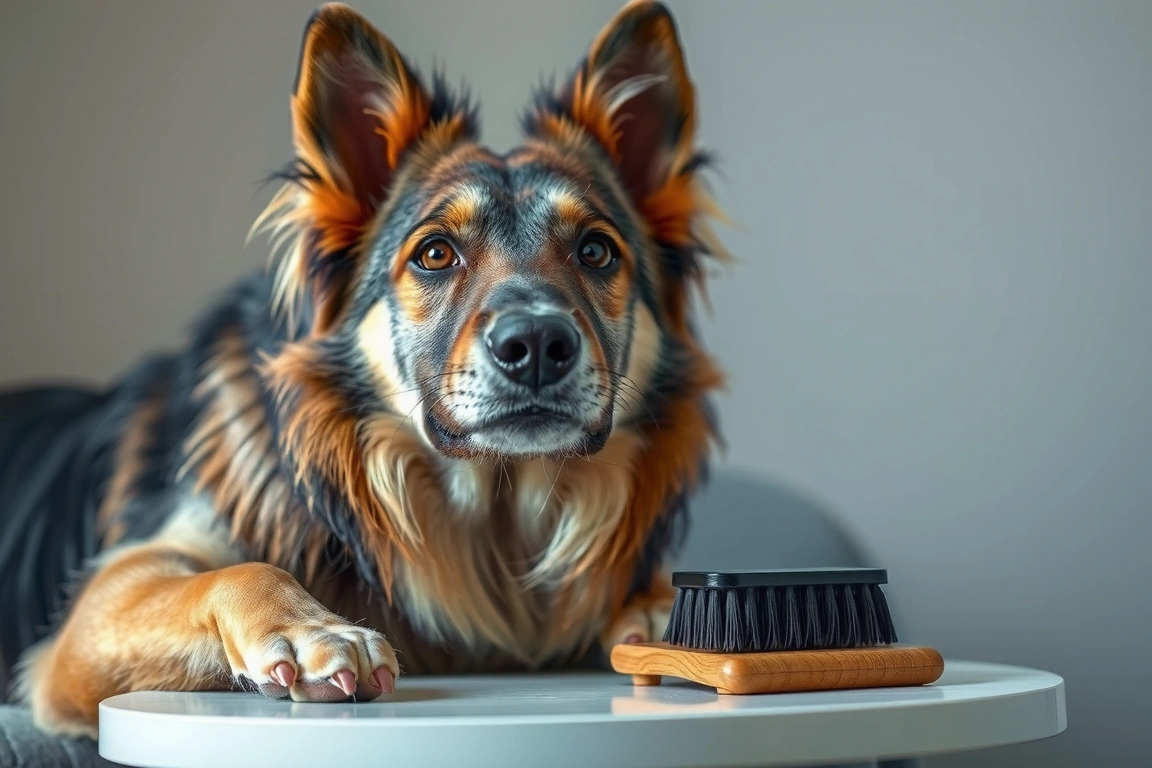
For the weekly de-shedding session (30-45 minutes), you need two tools: an undercoat rake and a slicker brush. The Furminator Undercoat Deshedding tool for Large Dogs ($45) is popular, but use it cautiously to avoid damaging the topcoat. I prefer a long-toothed rake like the Safari Undercoat Rake ($18). Follow this with a Chris Christensen Big G Slicker Brush (~$50) to smooth the topcoat. During the 3-4 week “coat blow,” plan on 20-minute brushing sessions every other day. Bathing should be infrequent—every 2-3 months unless they get dirty—using a moisturizing, oatmeal-based shampoo to protect their skin’s natural oils. Don’t forget nail trims every 3-4 weeks; long nails alter gait and stress joints.
Don’t forget nail trims every 3-4 weeks; long nails alter gait and stress joints.
4. Nutrition: Decoding the 2026 Ingredient List
Food is your primary healthcare tool. With so many brands and trends, choosing a diet can be paralyzing. Focus on science-backed nutrition for a large, active breed prone to sensitive stomachs. Look for foods that meet WSAVA (World Small Animal Veterinary Association) guidelines, which typically come from brands that employ veterinary nutritionists and conduct feeding trials.
Key specifications for a GSD diet: a large-breed puppy formula for the first 12-18 months to control growth rate, then an adult formula with a protein level between 22-28% from named meat sources (e.g., chicken meal, lamb). Fat should be between 12-16% for energy. Crucially, ensure the calcium content is appropriate for large breeds (around 0.8-1.2% for adults). I feed my current GSD, Koda, Purina Pro Plan Large Breed Sensitive Skin & Stomach Salmon & Rice Formula (~$75 for a 37.5 lb bag). It has proven probiotics and omega fatty acids. Another excellent, research-backed option is Royal Canin German Shepherd Adult Dry Food (~$95 for a 35 lb bag), which is kibble shaped for their long muzzle. Avoid grain-free diets unless specifically recommended by a vet for a diagnosed allergy, as they have been linked to an increased risk of dilated cardiomyopathy (DCM) in some dogs.
5. Proactive Veterinary Partnership & Health Screening
Annual check-ups are the bare minimum. For a German Shepherd, you need a vet who understands the breed and you need to be an advocate for preventative screening. Build a relationship with a veterinarian you trust and plan for predictable costs.

Beyond vaccines, discuss these annual checks: a thorough orthopedic exam, a thyroid panel (hypothyroidism is common), and a complete blood count. At around age 2, consider getting baseline OFA hip and elbow X-rays, even if you don’t plan to breed. This gives you a reference point. Budget for recurring costs: annual wellness visits ($250-$400), monthly preventatives for heartworm and fleas/ticks (e.g., Simparica TRIO, ~$25/month), and dental cleanings under anesthesia every 1-2 years ($500-$1000). Start a dedicated savings account for your dog and contribute $75-$100 monthly; an emergency surgery for a torn ACL (common in active GSDs) can cost $3,000-$5,000. This financial planning is as critical as any training.
6. Structured Socialization & Ongoing Training
Socialization isn’t just for puppies, and it doesn’t mean meeting every person and dog. For a German Shepherd, it’s about teaching calm, confident neutrality in a variety of environments throughout their life. Their natural wariness means poor socialization can lead to fear-based reactivity.
Puppy socialization (before 16 weeks) should involve controlled exposure to sights, sounds, and surfaces. But for the adult GSD, “socialization” becomes “environmental exposure.” Practice the “engage-disengage” game in moderately busy areas. Take your dog to sit outside a cafe, rewarding them for calm observation. Enroll in a ongoing obedience or sport class (like rally or nosework) to keep their mind engaged and reinforce your bond. I make it a point to take Koda to a new, safe location—a quiet hardware store, an empty school parking lot—once a week to practice simple commands. This prevents the “only behaves at home” syndrome. Training should be consistent, positive-reinforcement based, and integrated into daily life for 10-15 minutes a day.
7. Creating a GSD-Specific Home Environment
Your home setup can prevent problems. German Shepherds need defined spaces for rest, play, and eating. They are large (65-90 lbs), strong, and curious, so your home needs to be both welcoming and secure.
Invest in a high-quality, orthopedic bed for their joints. The Big Barker Orthopedic Dog Bed ($300 for the 50″ size) comes with a 10-year guarantee against flattening and is worth the investment for a dog that will spend many hours on it. Provide a designated, quiet “off-switch” area like a crate or a mat in a low-traffic room. For containment and safety, ensure your fencing is at least 6 feet tall and secure at the bottom—GSDs can be climbers and diggers. Inside, manage access with baby gates to prevent counter-surfing or accidents when unsupervised. Finally, have a dedicated station for their gear: leashes (I recommend a 6-foot biothane leash for everyday use), a well-fitted harness for walks, and a sturdy crate for transport and rest.
Caring for a German Shepherd in 2026 is about embracing a proactive, holistic mindset. It’s the daily commitment to mental exercise, the financial planning for their health, and the deliberate shaping of their environment and experiences. Start this week by auditing one area: are you brushing effectively with the right tools? Is your dog’s food backed by solid science? Have you had a conversation with your vet about breed-specific screening? Implement one change from this list, master it, then move to the next. Your reward won’t just be a well-behaved dog, but a resilient, healthy companion whose loyalty is matched by their vitality for all their years.
FAQ
How much does it cost per month to own a German Shepherd?
Expect a baseline of $200-$350 per month for a healthy adult, excluding major vet emergencies. This breaks down to high-quality food ($70-$100), preventatives ($25-$40), insurance or savings fund ($50-$100), treats/toys ($30), and grooming supplies (averaged out to $20). Initial startup costs in the first year (puppy, supplies, vet visits, spay/neuter, training) are significantly higher, often ranging from $3,000 to $5,000.
Are German Shepherds good with children and other pets?
They can be excellent with proper training and socialization, but their herding instinct and size require supervision. A well-bred, well-socialized GSD raised with children is often a gentle guardian. However, their instinct to “herd” can include nipping at running children or other pets. Early, positive exposure and teaching children how to interact respectfully with the dog are absolutely critical. They often do best as the only pet or with pets they are raised with from a young age.
What is the biggest mistake first-time German Shepherd owners make?
Underestimating the need for consistent, ongoing mental stimulation and structured training. Many owners focus solely on physical exercise, creating a dog with incredible endurance but a bored, frustrated mind. This leads to destructive behaviors like chewing, digging, and excessive barking. The second biggest mistake is not prioritizing socialization during the critical puppy window (8-16 weeks) or misunderstanding it as simply meeting other dogs, rather than building positive associations with a wide variety of people, places, and experiences.
Small changes, real momentum
Get practical guides and templates you’ll actually use — a few thoughtful emails a month.
For the Love of Your Pet
Care guides, breed insights, and gentle advice for happier pets.