Disclosure: This post contains affiliate links. If you click through and make a purchase, we may earn a small commission at no extra cost to you. Thank you for supporting this site!
Thinking about bringing a German Shepherd into your life? Fantastic! They’re incredible dogs – loyal, intelligent, and protective. But before you fall head over heels for those soulful eyes and noble stance, let’s get brutally honest about the financial commitment. Many prospective owners underestimate the true cost, assuming it’s just kibble and the occasional vet visit. I’ve seen too many well-meaning families struggle when unexpected bills pile up, or worse, when they have to rehome a beloved pet due to costs. This isn’t about scaring you off; it’s about empowering you with the real numbers. Owning a German Shepherd is a significant investment, not just in time and love, but in cold, hard cash. We’re talking about a monthly outlay that can easily rival a car payment, and annual expenses that can feel like a small vacation budget. Let’s break down exactly what you’ll be spending your hard-earned money on, from the daily essentials to the inevitable surprises. By the end of this, you’ll have a clear picture of the financial reality, allowing you to make an informed decision and budget effectively, ensuring both you and your future canine companion thrive.
11 min read
In This Article
- The Daily Grind: Food and Treats
- Veterinary Care: The Essential Investment
- Training and Socialization: Building a Well-Behaved Companion
- Grooming: Keeping That Coat Magnificent
- Gear and Supplies: The Necessities
- The Unexpected: Emergencies and Miscellaneous Costs
- Putting It All Together: The Annual Price Tag
- Frequently Asked Questions
Key Takeaways
- The Daily Grind: Food and Treats
- Veterinary Care: The Essential Investment
- Training and Socialization: Building a Well-Behaved Companion
- Grooming: Keeping That Coat Magnificent
The Daily Grind: Food and Treats
German Shepherds are large, active dogs, and their dietary needs reflect that. They require high-quality food to support their energy levels, muscle mass, and overall health. Skimping here is a false economy; cheap food often leads to more health problems down the line, including skin issues, digestive upset, and joint problems, which are already predispositions for the breed. I learned this the hard way with my first GSD, Buster. I tried a budget brand, and within months, he was constantly scratching and had terrible gas. Switching to a premium, veterinarian-recommended brand like Purina Pro Plan Large Breed Adult (around $60-$80 for a 30-lb bag) or Royal Canin German Shepherd Adult (typically $70-$90 for a 30-lb bag) made a world of difference. Buster’s coat improved dramatically, and his energy levels were consistently high. You’ll likely go through about 30-40 pounds of food per month, depending on the specific brand’s calorie density and your dog’s activity level and age. This translates to a monthly food budget of roughly $70 to $150.
Don’t forget treats! Training a German Shepherd is a marathon, not a sprint, and treats are essential motivators. High-value training treats, dental chews, and the occasional jerky strip can add up. A good rule of thumb is to budget an extra $20-$40 per month for treats. I personally prefer to use a portion of their daily kibble for training to manage calorie intake, supplemented with small, healthy options like Zuke’s Mini Naturals (around $8-$10 for a 6oz bag) or Blue Buffalo’s Blue Bits (similarly priced). For dental health, a good quality chew like a Nylabone DuraChew (around $10-$15) or Greenies Large (around $25-$35 for a pack) can be a worthwhile addition, though these might not be a daily purchase. Factor in these extras; they’re crucial for engagement and health.
Factor in these extras; they’re crucial for engagement and health.
Veterinary Care: The Essential Investment
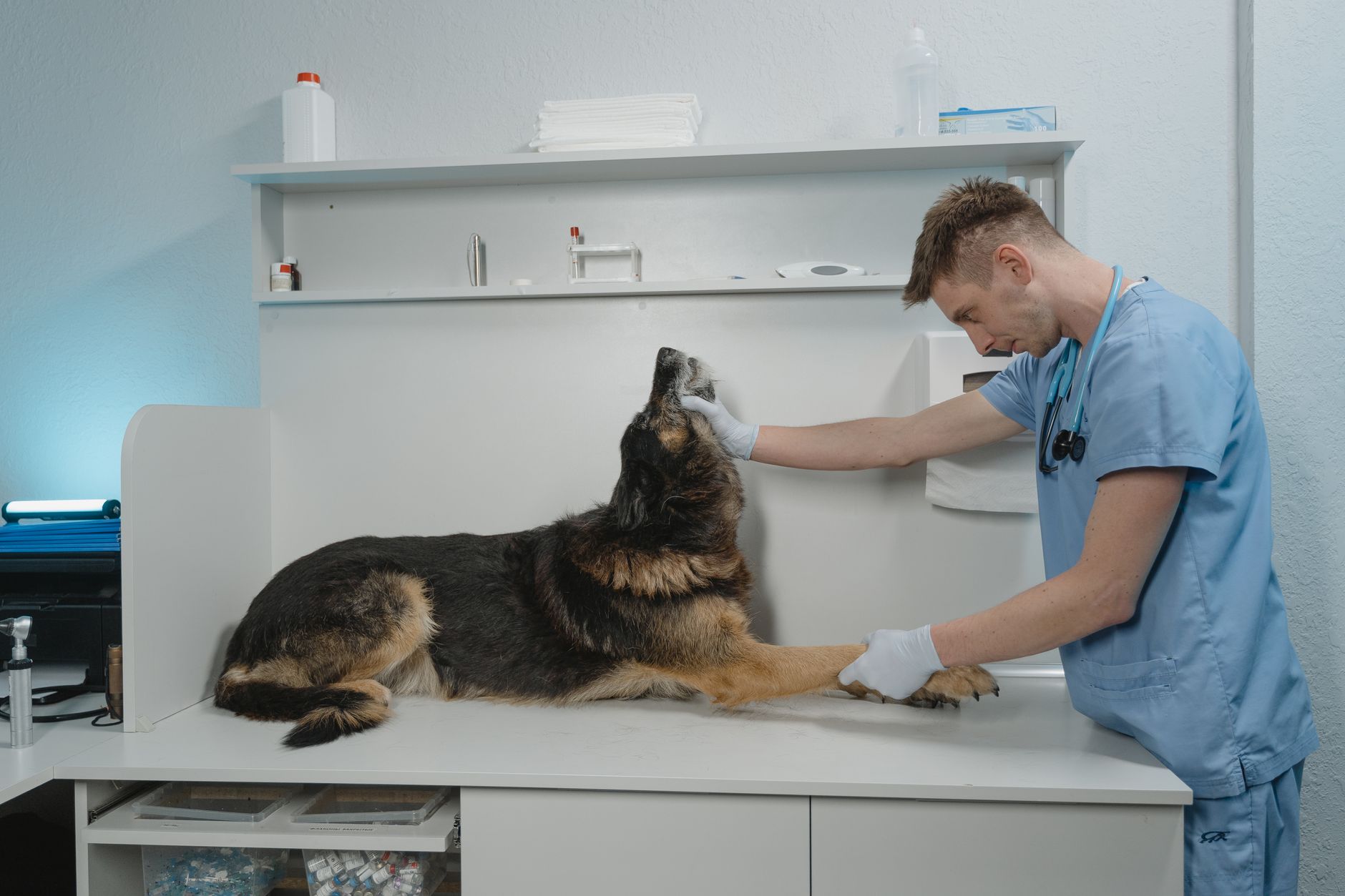
This is arguably the most significant and often unpredictable cost. Routine veterinary care is non-negotiable. Annual check-ups, vaccinations, and parasite prevention (flea, tick, and heartworm) are standard. For a large breed like a German Shepherd, expect annual wellness visits to cost between $150 and $300. This typically includes a physical exam, core vaccinations (like rabies, distemper, parvovirus), and potentially a fecal test. Heartworm and flea/tick prevention medication can add another $20-$50 per month, or $240-$600 annually, depending on the brand and whether you buy monthly topicals or chewables. Brands like NexGard Spectra (around $50-$70 for a 3-month supply) or Simparica Trio (similar pricing) are popular choices, but always consult your vet for the best option for your dog’s specific needs and your geographic location.
Beyond routine care, German Shepherds are prone to specific health issues that can lead to substantial veterinary bills. Hip and elbow dysplasia are common genetic conditions requiring diagnosis (X-rays can cost $200-$500) and potentially surgery. Surgical procedures for dysplasia can range from $3,000 to $7,000 per hip or elbow, sometimes requiring bilateral treatment. Bloat (Gastric Dilatation-Volvulus or GDV) is another life-threatening emergency common in deep-chested breeds like the GSD. Emergency surgery for bloat can cost anywhere from $2,500 to $5,000. Other potential issues include degenerative myelopathy, allergies, and ear infections. While you can’t predict every illness, having a dedicated emergency fund or pet insurance is crucial. Pet insurance premiums for a German Shepherd can range from $40 to $80 per month, depending on the provider, coverage level, and your location. Companies like Healthy Paws, Trupanion, or Embrace offer various plans. I personally opted for insurance after Buster’s unexpected ear surgery ($1,200 bill!) which was partially covered. Weigh the monthly premium against the potential for massive, unexpected bills; for me, it was a no-brainer.
Training and Socialization: Building a Well-Behaved Companion
German Shepherds are incredibly intelligent and eager to please, but they require consistent training and early socialization to become well-adjusted adults. Puppy socialization classes are vital, typically running in 6-8 week sessions costing $150-$300. These classes help your puppy learn crucial social skills around other dogs and people in a controlled environment, preventing future behavioral issues. Basic obedience classes are also highly recommended, costing around $200-$400 for a similar duration. These sessions focus on commands like ‘sit,’ ‘stay,’ ‘come,’ and ‘heel,’ which are essential for managing a strong, energetic dog.
For a breed as capable and intelligent as the German Shepherd, consider advanced training or specialized activities. Agility training, Schutzhund (IPO/IGP) training, or scent work can provide mental stimulation and strengthen your bond. These specialized programs can cost anywhere from $300 to $1,000 or more, depending on the facility and the intensity of the training. Even if you plan to do most training yourself, investing in a good set of training tools is wise. This might include a sturdy martingale or flat collar ($15-$30), a high-quality leash ($20-$40), a treat pouch ($15-$25), and perhaps a clicker ($5-$10). If professional help is needed for specific behavioral challenges, private training sessions can cost $75-$150 per hour. I found that even after basic obedience, a few private sessions to refine my dog’s leash manners made a huge difference in our daily walks. Budgeting $300-$600 annually for training, including classes and occasional private sessions, is a realistic starting point.
Budgeting $300-$600 annually for training, including classes and occasional private sessions, is a realistic starting point.
Grooming: Keeping That Coat Magnificent
German Shepherds are famous for their beautiful double coats, but this also means they shed – a lot! Proper grooming is essential not just for aesthetics but also to manage shedding and keep their skin healthy. Daily brushing is ideal, especially during shedding seasons (typically spring and fall), when they “blow” their coat. You’ll need a good set of grooming tools. A high-quality slicker brush (like the Furminator DeShedding tool for Large Dogs, around $30-$40) and an undercoat rake (like the Hertzko Self-Cleaning Slicker Brush, around $20-$30) are excellent investments. Regular brushing prevents mats, distributes natural oils, and reduces the amount of hair that ends up on your furniture and clothes. I found that investing in a good quality vacuum cleaner, like a Dyson Animal model (upwards of $400-$700), was almost as important as the grooming tools themselves!
While many owners groom their GSDs at home, professional grooming sessions can be beneficial, especially for deep cleaning and de-shedding treatments. A full groom for a large breed like a German Shepherd can cost between $70 and $150 per session. Many owners opt for professional grooming every 6-8 weeks. If you choose this route, factor in an additional $420-$1,125 annually. Beyond brushing, you’ll need to trim their nails regularly. If you’re not comfortable doing this yourself (clipping too close can cause bleeding and pain), a vet or groomer can do it for $15-$30 per session. Ear cleaning supplies (like Virbac Epi-Otic Advanced Ear Cleanser, around $15-$20) and dog-specific shampoo (like Burt’s Bees for Dogs, around $10-$15) are also recurring costs. Overall, a reasonable annual budget for grooming, assuming you do most of it yourself with quality tools, might be around $100-$200 for supplies, potentially doubling if you include professional grooming.
Gear and Supplies: The Necessities
Beyond food and grooming tools, there’s a range of essential gear and supplies. A sturdy, comfortable collar and leash are paramount. For a large, strong dog like a German Shepherd, investing in durable options is key. A good quality nylon or leather leash might cost $25-$50, and a sturdy collar $20-$40. A harness can also be beneficial for walks, particularly if your dog pulls, with options like the Ruffwear Front Range Harness costing around $50-$60. You’ll also need food and water bowls – stainless steel bowls are durable and easy to clean, typically costing $15-$30 for a pair. A comfortable, supportive bed is crucial for joint health, especially as they age. A large orthopedic dog bed can range from $70 to $200, depending on size and quality. I learned that cheap beds don’t last; investing in a durable one like a Casper Dog Bed (around $130-$200 for a large) saved me money in the long run.
Don’t forget toys! German Shepherds need mental stimulation. Durable chew toys like Kongs (around $15-$25) or Nylabones ($15-$30) are essential to prevent destructive chewing. Puzzle toys that dispense treats can provide hours of engagement, costing $20-$40. You’ll also need waste bags ($15-$25 for a year’s supply), potentially a crate for training or travel ($100-$250), and cleaning supplies for accidents ($20-$40 annually). Think about ID tags ($10-$20), and perhaps a GPS tracker if you live in an area with potential risks ($50-$150 initial cost plus a monthly subscription). While many of these are one-time or infrequent purchases, their cumulative cost adds up quickly. A realistic annual budget for gear and supplies, after the initial setup, might be $150-$300, assuming you replace toys and bedding as needed.
A realistic annual budget for gear and supplies, after the initial setup, might be $150-$300, assuming you replace toys and bedding as needed.
The Unexpected: Emergencies and Miscellaneous Costs
This category is all about preparedness. Even with the best planning, life happens. A sudden illness, an accident, or even damage to your home (chewed furniture, anyone?) can lead to unexpected expenses. This is where that emergency fund or pet insurance really shines. Beyond major medical emergencies, consider smaller but still significant costs. If you travel, boarding your German Shepherd can cost $40-$80 per night. Pet-sitting services might be similar or slightly higher. If your dog requires specialized care, like physical therapy after an injury, sessions can cost $50-$100 each. Unexpected damage to your home or car could also occur. I once had to replace a car seat cover after a muddy GSD decided it was a great place to shake off after a rainy hike – a $100 lesson learned!
It’s also worth considering the cost of potential lifestyle adjustments. If you have a small apartment, you might need to invest more in dog walkers or daycare to ensure your GSD gets enough exercise and mental stimulation. This could add $200-$500 per month to your budget. If you plan to breed your dog (which comes with its own massive set of responsibilities and costs, including health testing, stud fees, whelping supplies, and puppy care), that’s a whole other financial universe. For the average owner, a buffer of at least $500-$1,000 annually for miscellaneous and emergency expenses is a wise precaution. This isn’t about doom-scrolling; it’s about being a responsible owner who anticipates the unpredictable. When I adopted my current GSD, I made sure my savings account had a dedicated “dog fund” of $2,000 before she even came home.
Putting It All Together: The Annual Price Tag
Let’s tally it up. Based on the ranges discussed, here’s a realistic annual cost estimate for owning a German Shepherd, excluding initial purchase or adoption fees:
- Food: $840 – $1,800 (based on $70-$150/month)
- Treats: $240 – $480 (based on $20-$40/month)
- Routine Vet Care (annual exam, vaccines, parasite prevention): $390 – $900 (combining annual visit and monthly prevention)
- Pet Insurance (optional but recommended): $480 – $960 (based on $40-$80/month)
- Training & Socialization: $300 – $600 (annual classes/sessions)
- Grooming Supplies/Services: $100 – $1,125 (ranging from DIY supplies to professional grooming)
- Gear & Supplies (beds, toys, bowls, etc.): $150 – $300 (annual replacement/new items)
- Miscellaneous/Emergency Fund: $500 – $1,000
Adding these up, the total annual cost for a German Shepherd can realistically fall between $3,000 and $7,000+. This doesn’t include the initial cost of acquiring the dog, which can range from $500-$2,000 for a reputable breeder, or adoption fees ($300-$600). The higher end of the spectrum accounts for potential health issues, premium food brands, regular professional grooming, or extensive training. It’s crucial to remember that these are averages. Your costs might be lower if your dog remains exceptionally healthy and you do all grooming yourself, or significantly higher if unexpected medical emergencies arise. My own experience shows that the vet bills can easily push you into the upper ranges, even with insurance.
So, what’s the takeaway? Owning a German Shepherd is a rewarding experience, but it demands a significant financial commitment. Before you bring one home, ensure you can comfortably afford these ongoing costs. Consider setting up a dedicated savings account specifically for your dog’s needs. If the numbers seem daunting, explore breeds with lower maintenance requirements or consider adopting an older dog whose initial training and vetting may already be completed, potentially lowering upfront costs. Responsible ownership means being prepared for the financial reality, not just the joyful moments. My final recommendation? If you can budget $500-$600 per month consistently, you’re likely in a good position to provide a German Shepherd with the life they deserve. Don’t just dream about the perfect dog; plan for their perfect life, financially speaking.
Small changes, real momentum
Get practical guides and templates you’ll actually use — a few thoughtful emails a month.
Frequently Asked Questions
What is the average lifespan of a German Shepherd?
German Shepherds typically have a lifespan of 9 to 13 years. This range is influenced by genetics, diet, exercise, and overall health care. Providing a high-quality diet, regular veterinary check-ups, and appropriate exercise can help your GSD live a longer, healthier life. Remember that the costs outlined in this article are spread across this lifespan, so consider the total financial commitment over the years.
Are German Shepherds expensive to insure?
Yes, German Shepherds can be relatively expensive to insure compared to smaller breeds. Their predisposition to certain health conditions like hip and elbow dysplasia, bloat, and degenerative myelopathy means they are considered a higher risk by insurance companies. Premiums can range from $40 to $80 per month, and sometimes higher, depending on the provider, the level of coverage chosen, your location, and your dog’s age and health history at enrollment. Always compare quotes from multiple providers and read the policy details carefully.
How much should I budget for initial costs when getting a German Shepherd?
Beyond the ongoing monthly expenses, the initial costs of acquiring a German Shepherd can be substantial. If purchasing from a reputable breeder, expect to pay between $500 and $2,000. Adoption fees from shelters or rescues typically range from $300 to $600. In addition to the purchase/adoption fee, you’ll need to budget for essential supplies like a crate, bed, bowls, leash, collar, initial vaccinations, microchipping, and a first vet visit. A conservative estimate for these initial setup costs would be $500 to $1,500, on top of the dog’s purchase price.
Can I afford a German Shepherd on a lower budget?
While German Shepherds are a significant financial commitment, it might be possible to manage on a slightly lower budget with careful planning and compromises. This could involve opting for a less expensive, but still high-quality, food brand, doing all grooming yourself, relying on free training resources (like online guides and community parks for socialization), and building a robust emergency fund instead of purchasing pet insurance. However, it’s crucial not to cut corners on essential veterinary care or high-quality food, as these can lead to greater expenses in the long run. If the budget is extremely tight, consider breeds with lower food, grooming, or potential health costs, or look into adopting an adult dog that may have fewer initial expenses.
Keep reading
🐾 Our Top Pick
Editor’s Pick: Durable orthopedic dog bed saves on long-term vet costs.
For the Love of Your Pet
Care guides, breed insights, and gentle advice for happier pets.