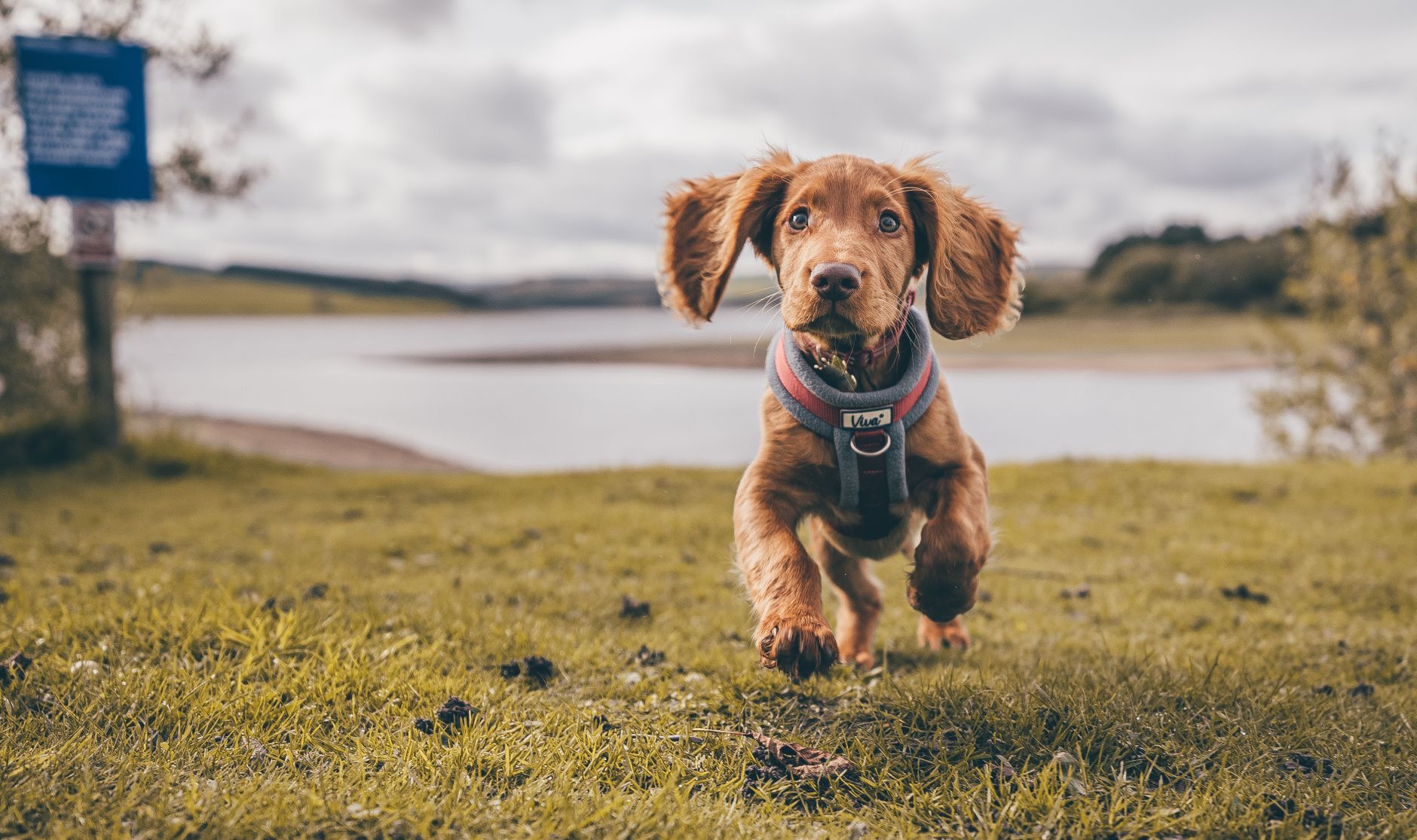
Why Your Next Running Partner Should Have Four Legs
You’ve laced up your running shoes and hit the pavement, but your furry companion is already pulling ahead, panting with frustration because they can’t match your pace. The secret to a seamless running partnership isn’t just training—it’s choosing a dog breed genetically built for endurance, speed, and recovery. Whether you’re a casual jogger or a marathoner logging 50 miles a week, the right breed turns every run into a shared adventure instead of a battle of wills.
Disclosure: This post contains affiliate links. If you click through and make a purchase, we may earn a small commission at no extra cost to you. Thank you for supporting this site!
In this dog breed comparison, we break down the best breeds for active owners, rank them by energy and athleticism, and give you the practical gear and training advice you need to hit the trails together. If you’re a dog breed comparison beginner, don’t worry—we’ve made it simple to see which breed fits your pace, distance, and lifestyle.
What Makes a Good Running Dog?
Not every high-energy dog is a great running partner. You need a breed that combines stamina, joint health, temperature tolerance, and the right temperament. Here are the non-negotiable traits to look for:
- High stamina and endurance: A dog that can sustain a steady pace for 30+ minutes without overheating or requiring constant breaks.
- Sound joint structure: Breeds with deep chests, strong toplines, and well-angled hips reduce injury risk on hard surfaces.
- Low-to-moderate grooming needs: Long, heavy coats can cause overheating; short, double coats or wiry coats are ideal for varied weather.
- Strong prey drive management: You want a dog that can focus on you, not every squirrel or cyclist—trainability is key.
- Appropriate size: Small dogs can run well if built for it (e.g., Jack Russell Terriers), but larger dogs (70+ lbs) may struggle with joint stress over long distances.
For a dog breed comparison vs other activity levels, remember that “active” means different things. A daily 5K runner needs a different dog than an ultramarathoner. We’ll cover both ends of the spectrum.
Top 5 Dog Breeds for Running and Active Lifestyles
1. Weimaraner – The Ultimate Running Machine
If stamina had a mascot, it would be the Weimaraner. Bred for hunting large game over miles of European forests, these dogs have uncanny endurance and a graceful, efficient gait. They thrive on distance and can easily handle 10–15 mile runs without tiring.
- Energy level: 5/5 – Needs at least 90 minutes of vigorous exercise daily.
- Ideal running distance: 6–15 miles per session.
- Size: 55–85 lbs, males taller than females.
- Coat: Short, sleek – minimal grooming but consider a dog jacket in cold weather.
- Temperament: Velcro dogs; they’ll stick by your side, but can be anxious if left alone too long.
Practical tip: Weimaraners are prone to bloat (GDV). Avoid running within one hour after a meal, and consider a slow-feeder bowl for meals.
2. Vizsla – The Ultimate Distance Partner
Often called the “Velcro Vizsla,” this Hungarian pointer is a lean, muscular athlete built for endurance. They excel in speedwork and long, steady runs, and their short coat makes them ideal for warm-weather runners.
- Energy level: 5/5 – Require 60–90 minutes of intense exercise daily.
- Ideal running distance: 5–12 miles per session.
- Size: 45–65 lbs.
- Coat: Short, rust-gold – easy maintenance but susceptible to sunburn (use dog-safe sunscreen on noses and ears).
- Temperament: Affectionate, sensitive – positive reinforcement only; harsh corrections can shut them down.
Gear recommendation: For long runs with a Vizsla, use a hands-free leash like the Ruffwear Roamer Leash ($39.95) to keep your hands free for water bottles or navigation.
3. Australian Cattle Dog – The Endurance Beast
Don’t let the medium size fool you—this breed can outrun many larger dogs. Bred to herd cattle across vast Australian outback terrain, they have grit, agility, and a tireless work ethic. They’re perfect for runners who want a smart, independent partner that still respects your lead.
- Energy level: 5/5 – Requires at least 2 hours of active work or running daily.
- Ideal running distance: 5–10 miles, but can go longer if conditioned.
- Size: 35–50 lbs – compact and durable.
- Coat: Short double coat – sheds heavily twice a year, but otherwise low-maintenance.
- Temperament: Alert, loyal, and sometimes stubborn. Early training is non-negotiable.
Actionable tip: ACDs are prone to hip dysplasia. Keep them on soft surfaces (trails, grass) for long runs, and provide joint supplements like Cosequin Maximum Strength Plus MSM ($54.99 for 132 chews) from age 3 onward.
4. Labrador Retriever – The All-Around Athlete
The classic family dog is also a phenomenal running partner—if you keep them lean. Labs are built for swimming and retrieving, but with proper conditioning they make excellent distance runners. Their easygoing nature makes them great for beginners who want a forgiving, low-maintenance running buddy.
- Energy level: 4/5 – High but not extreme; they need 60–90 minutes of activity.
- Ideal running distance: 3–8 miles per session (shorter for stocky lines).
- Size: 55–80 lbs – be careful with obesity; a running Lab should have a visible waist.
- Coat: Short, dense double coat – sheds year-round; a Furminator deShedding tool ($18.99) is a lifesaver.
- Temperament: Friendly, eager to please, and highly trainable—perfect for novice runners.
Gear recommendation: For hot runs, a cooling vest like the Swamp Cooler Cooling Dog Vest ($39.99) helps Labs regulate temperature due to their dense coat.
5. Border Collie – The Speedster
If you want a dog that can keep up with sprint intervals and also handle long, steady miles, the Border Collie is unmatched. They’re the most athletic herding breed, with explosive acceleration and the endurance to work all day. However, their high intelligence means they need mental engagement on every run.
- Energy level: 5/5 – Needs 2+ hours of intense physical and mental exercise.
- Ideal running distance: 4–10 miles per session (can go longer with training).
- Size: 30–55 lbs – light and agile.
- Coat: Medium-length double coat (rough or smooth) – weekly brushing required.
- Temperament: Intense, focused, and sometimes obsessive. Training impulse control is essential before running in stimulating environments.
Practical tip: Border Collies are prone to obsessive behaviors (chasing cars, shadows). Teach a strong “leave it” command and practice on trails with minimal distractions before moving to urban routes.
Dog Breed Comparison: Running Companions at a Glance
To help you make an apples-to-apples dog breed comparison vs other active breeds, here’s a table that rates key traits for each of the five top contenders:
| Breed | Stamina (1-5) | Speed (1-5) | Trainability | Heat Tolerance | Cold Tolerance | Best For |
|---|---|---|---|---|---|---|
| Weimaraner | 5 | 4 | Medium | Low | Low | Long-distance road running, cool climates |
| Vizsla | 5 | 5 | High | High | Medium | Distance running in warm weather |
| Aussie Cattle Dog | 5 | 4 | Medium-High | Medium | High | Trail running, off-leash work |
| Labrador Retriever | 4 | 3 | Very High | Medium | High | Mixed-pace running (jogging + sprints) |
| Border Collie | 5 | 5 | Very High | Low-Medium | High | Speedwork, technical trails, agility-minded runners |
This dog breed comparison beginner table shows that while all five are excellent, your climate, desired speed, and training experience will tilt the scales.
How to Choose the Right Running Dog for Your Lifestyle
Selecting a breed is only the first step. You need to match the dog’s needs to your actual running habits. Ask yourself these questions:
- How many miles do you run per week? If you’re under 15 miles/week, a Labrador or Border Collie is fine. Over 30 miles/week, look at Weimaraners or Vizslas.
- What’s your typical running surface? Road running is hard on joints; choose lighter breeds (Vizsla, Border Collie). Trail running is more forgiving, so heavier breeds (Lab, Weim) work well.
- Do you run in extreme temperatures? Cold climate? Choose a double-coated breed (Aussie Cattle Dog, Border Collie). Hot climate? Vizslas and short-coated breeds excel.
- Are you a beginner runner or dog owner? Labrador Retrievers are the most forgiving for new owners. Weimaraners and Border Collies require experienced handling.
Pro tip: Adopt an adult dog from a breed-specific rescue. Puppies shouldn’t run long distances until their growth plates close (12–18 months). An adult dog with a known energy level is a safer bet for immediate running.
Essential Gear for Running with Your Dog
You can’t just grab a collar and go. The right gear keeps both of you safe and comfortable. Based on thousands of miles of experience, here are my top recommendations with real prices:
Harnesses
- Ruffwear Front Range Harness ($49.95) – Two leash attachment points; ideal for dogs that pull. Widely adjustable, machine washable.
- Non-stop Dogwear Free Motion Harness ($89.95) – Lightweight, ergonomic, perfect for long runs. Velcro handle for quick grabs.
Leashes
- Ruffwear Roamer Leash ($39.95) – Convertible hands-free belt or standard leash; shock-absorbing bungee reduces arm fatigue.
- Kurgo Quantum Six-Function Leash ($24.99) – Six configurations (hands-free, short, long, etc.). Budget-friendly and durable.
Hydration
- Ruffwear Quencher Collapsible Bowl ($12.95) – Lightweight, packs flat. Carry in your hydration vest.
- HydraPak Stow 500ml Dog Bottle ($19.95) – Squeeze-to-dispense cap and integrated bowl; no fumbling.
Protection
- Musher’s Secret Paw Wax ($14.99 for 4 oz) – Protects pads from hot pavement, ice, and rough terrain.
- Ruffwear Swamp Cooler Dog Vest ($49.95) – Evaporative cooling; soak in water and wring out for 2-3 hours of relief.
- Noxgear LightHound LED Vest ($49.99) – Essential for early morning or evening runs. 360-degree visibility, rechargeable.
Training Tips for Running with Your Dog
Even the best breed needs proper conditioning. Follow these actionable steps to build a safe, enjoyable running routine:
- Start with the 10% rule: Increase weekly mileage by no more than 10% to avoid overuse injuries. Just like human runners, dogs need to build bone and ligament strength.
- Teach “easy” and “hustle” cues: Use distinct commands for different paces. “Easy” = walk/jog slow; “Hustle” = speed up. This prevents pulling and pacing issues.
- Practice leash manners on sidewalks first: Before hitting trails, ensure your dog can walk loose-leash next to your left leg. Use a harness and reward for checking in with you.
- Schedule rest days: Dogs need 24-48 hours of recovery between hard runs. Mix in swimming or low-impact hiking on off days.
- Monitor paw pads: After every run, check for cuts, blisters, or wear. Apply paw wax if running on hot pavement or rough terrain. Consider booties (e.g., Ruffwear Grip Trex Boots ($79.95)) for extreme conditions.
Frequently Asked Questions
Can small dog breeds be good running partners?
Yes, but choose wisely. Breeds like Jack Russell Terriers, Miniature Pinschers, and Corgis can handle 3–5 mile runs if they have proper conformation. Avoid brachycephalic dogs (Pugs, Bulldogs)
For the Love of Your Pet
Care guides, breed insights, and gentle advice for happier pets.