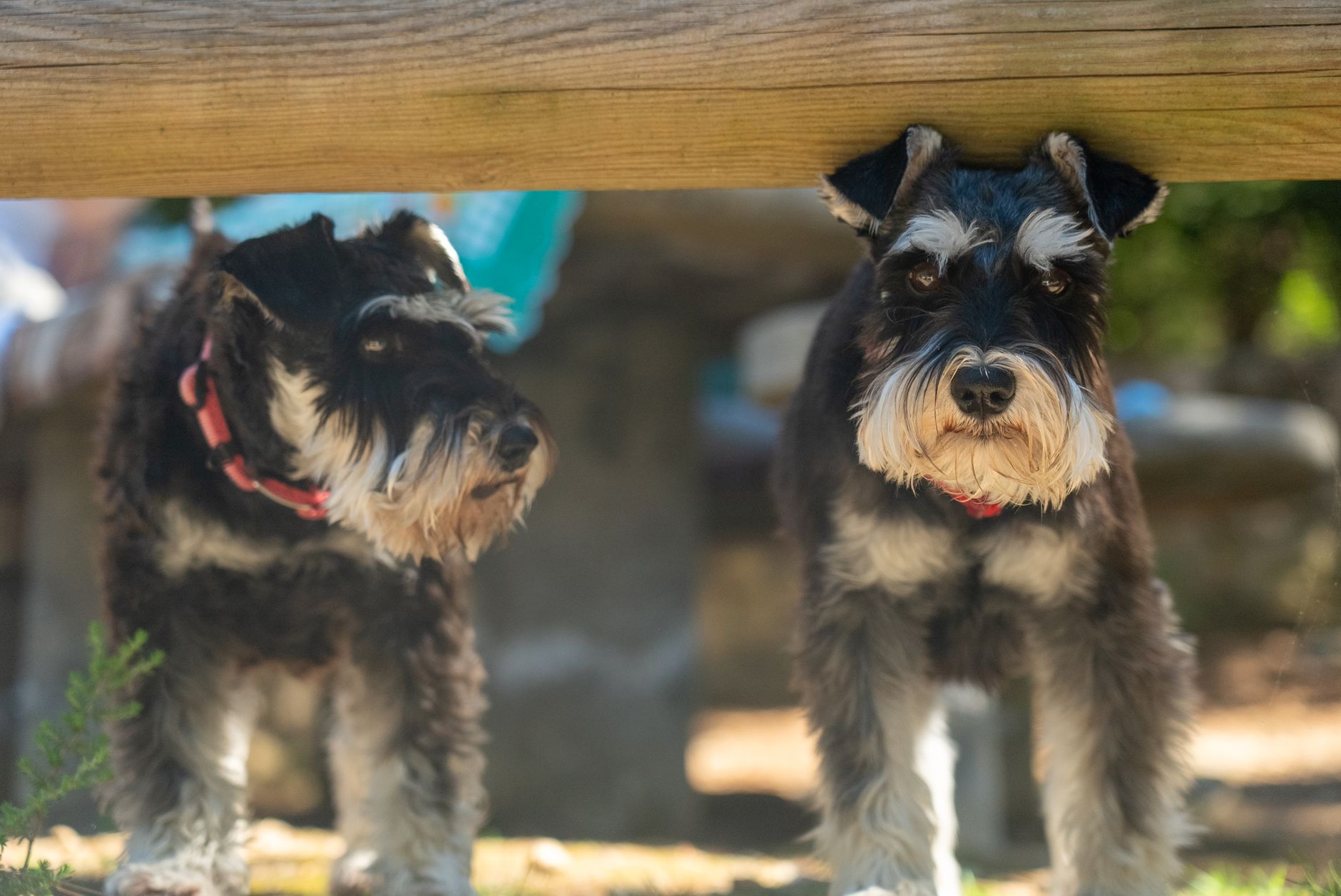
So, you’re looking for a small dog, but the sheer variety is making your head spin? We get it. Miniature Schnauzers, French Bulldogs, and Cavalier King Charles Spaniels are three of the most popular small breeds, and for good reason. Each offers a unique blend of personality and companionship. But which one is the *right* fit for *your* life? Forget the generic breed descriptions you’ve seen everywhere else. We’re diving deep, armed with real-world experience and hard numbers, to help you make an informed decision. We’ll look at everything from their energy levels (and how much time you *really* need to commit) to their potential health quirks and, yes, the unavoidable cost of ownership. Let’s cut through the fluff and find your perfect pint-sized pal.
16 min read
In This Article
- Breed Snapshot: Miniature Schnauzer vs. French Bulldog vs. Cavalier King Charles Spaniel
- Temperament Scores: What to Expect from Each Breed
- Exercise Needs: How Much Activity Do They Really Need?
- Grooming Requirements: Keeping Them Looking and Feeling Their Best
- Health Issues: What to Watch Out For
- Living Space: Apartment Living vs. A House with a Yard
- Cost of Ownership: Beyond the Initial Purchase Price
- Ideal Owner Profile: Who is Each Breed Best For?
Key Takeaways
- Breed Snapshot: Miniature Schnauzer vs. French Bulldog vs. Cavalier King Charles Spaniel
- Temperament Scores: What to Expect from Each Breed
- Exercise Needs: How Much Activity Do They Really Need?
- Grooming Requirements: Keeping Them Looking and Feeling Their Best
Breed Snapshot: Miniature Schnauzer vs. French Bulldog vs. Cavalier King Charles Spaniel
Let’s get down to brass tacks with these three fantastic breeds. The Miniature Schnauzer, with its distinctive beard and eyebrows, is a spirited terrier at heart. They’re known for being alert, intelligent, and surprisingly robust for their size, typically weighing between 11-20 pounds and standing about 12-14 inches tall. Their lifespan is generally a healthy 12-15 years. Next up, the French Bulldog, with those iconic bat ears and a compact, muscular build. They’re less about boundless energy and more about being a charming, laid-back companion, usually weighing under 28 pounds and standing 11-13 inches tall. Their lifespan is a bit shorter, typically 10-12 years, often due to their brachycephalic (short-nosed) nature. Finally, the Cavalier King Charles Spaniel, a true lapdog at heart, is known for its silky coat, expressive eyes, and gentle demeanor. They’re a bit lighter, usually 13-18 pounds and 12-13 inches tall, with a lifespan of 9-14 years. Each breed has its own distinct look and general vibe, but we need to dig deeper than just appearances.
When I was helping a friend choose between a Mini Schnauzer and a Frenchie, the biggest differentiator wasn’t just looks; it was the sheer *drive* of the Schnauzer. My friend lived in a small apartment and wanted a dog that was happy to cuddle on the couch. The Frenchie was a clear winner there. The Schnauzer, while loving, would have been a bit restless without a dedicated outlet for its terrier energy. Conversely, for someone who enjoys long walks and a dog that can keep up with an active lifestyle, the Schnauzer is a much better fit. The Cavalier sits somewhere in the middle, happy with moderate activity but also perfectly content to be a devoted shadow.
Here’s a quick comparison table to get you started:
| Feature | Miniature Schnauzer | French Bulldog | Cavalier King Charles Spaniel |
|---|---|---|---|
| Average Weight | 11-20 lbs (5-9 kg) | Under 28 lbs (13 kg) | 13-18 lbs (6-8 kg) |
| Average Height | 12-14 inches (30-36 cm) | 11-13 inches (28-33 cm) | 12-13 inches (30-33 cm) |
| Lifespan | 12-15 years | 10-12 years | 9-14 years |
| Energy Level | Medium-High | Low-Medium | Medium |
| Grooming Needs | High (stripping/clipping) | Low | Medium |
| Trainability | High | Medium | High |
| Barking Tendency | Moderate to High | Low to Moderate | Low |
Temperament Scores: What to Expect from Each Breed
Temperament is arguably the most crucial factor when choosing a dog. You want a companion that meshes with your household dynamics. Let’s break down how these three breeds generally stack up, keeping in mind that individual dogs can vary. Miniature Schnauzers are intelligent, spirited, and often quite alert. They were originally bred as farm dogs and rat catchers, so that terrier instinct for vigilance and a bit of stubbornness is baked in. We’d give them an ‘Alertness’ score of 8/10 and an ‘Independent Streak’ score of 6/10. They can be very loyal and affectionate with their families but might be a bit wary of strangers initially, making early socialization key. Their intelligence means they pick up training quickly, but their terrier nature means they can also be a bit cheeky if they aren’t consistently guided.
French Bulldogs, on the other hand, are the quintessential clowns of the dog world. They thrive on human companionship and are generally very good-natured, playful, and adaptable. Their ‘Sociability’ score is a solid 9/10, and their ‘Playfulness’ score is also around 8/10. They aren’t known for excessive barking, earning a ‘Barking Tendency’ score of 3/10. However, their desire to please can sometimes be overshadowed by a stubborn streak, particularly when it comes to things they don’t want to do, like enduring hot weather or excessive exercise. They are not high-energy dogs and are perfectly content with short walks and plenty of couch time. We rate their ‘Energy Level’ at 4/10.
Cavalier King Charles Spaniels are renowned for their sweet, gentle, and affectionate nature. They are bred primarily as companions and excel at it. Their ‘Affection’ score is a perfect 10/10, and their ‘Sociability’ score is also a high 9/10, as they tend to get along well with children, other dogs, and even strangers. They are eager to please and highly trainable, making them a joy to work with. We give them a ‘Trainability’ score of 9/10. While generally not prone to excessive barking, they can be sensitive to being left alone for long periods, which is something to consider if your lifestyle involves extensive time away from home. Their ‘Independence’ score is a low 3/10.
Their ‘Independence’ score is a low 3/10.
Exercise Needs: How Much Activity Do They Really Need?
This is where many potential owners underestimate their commitment. A dog’s exercise needs aren’t just about burning energy; they’re about mental stimulation, preventing boredom-related behaviors, and maintaining physical health. A Miniature Schnauzer, despite its size, is a terrier and needs a good amount of daily activity. We’re talking at least 45-60 minutes of dedicated exercise per day. This shouldn’t just be a quick trot around the block. A brisk walk, a game of fetch in a securely fenced yard, or even a session of agility training will be much more beneficial. Without sufficient physical and mental stimulation, they can become restless, prone to excessive barking, and may even develop digging habits. I once knew a Mini Schnauzer named Gus who, when his owner traveled for a week, managed to dig a hole large enough to bury a small dog bed in the backyard out of sheer boredom. That’s the terrier spirit!
French Bulldogs are decidedly less demanding when it comes to exercise. Their primary need is companionship, and they are happy with shorter bursts of activity. Aim for around 30 minutes of moderate exercise per day. This could be two 15-minute walks or a short play session in the house or yard. It’s crucial to remember that Frenchies are prone to overheating due to their brachycephalic structure. You must avoid strenuous exercise during hot weather or even on moderately warm days. Overexertion can quickly lead to heatstroke, which is a serious emergency. Always monitor your Frenchie closely for signs of distress like excessive panting, drooling, or lethargy. Their exercise needs are definitely on the lower end of the spectrum for small dogs.
Cavalier King Charles Spaniels fall into the moderate exercise category. They need about 40-50 minutes of daily activity. This can be a combination of walks, play, and perhaps some gentle training sessions. Cavaliers enjoy being active with their owners but aren’t built for marathon running. They appreciate a good sniffari on a walk and a game of fetch, but they also love a good nap. Their exercise needs are well-balanced, making them adaptable to various lifestyles, provided their owners are committed to meeting those needs consistently. They are generally happy with a good romp in the park followed by quality time on the sofa.
They are generally happy with a good romp in the park followed by quality time on the sofa.
Grooming Requirements: Keeping Them Looking and Feeling Their Best
Grooming is a significant consideration, especially with small breeds where grooming costs can add up. Miniature Schnauzers have a distinctive double coat that requires regular maintenance. Their wiry topcoat and soft undercoat need to be either hand-stripped (a traditional method that preserves coat texture, usually done by a professional groomer every 6-8 weeks) or clipped (a more common method that is less labor-intensive but can soften the coat). Professional grooming for a Mini Schnauzer typically costs between $70-$150 per session, depending on your location and the groomer. Beyond professional grooming, they need regular brushing at home, ideally several times a week, to prevent matting, especially around their legs and beard. Their facial hair also needs daily attention to keep it clean and free of food debris. Eye and ear cleaning are also important weekly tasks to prevent infections.
French Bulldogs are considerably lower maintenance in the grooming department. Their short, smooth coat requires minimal brushing, perhaps once a week with a slicker brush or grooming mitt to remove loose hair and distribute natural oils. This typically takes less than 15 minutes. Their biggest grooming challenge comes from their facial wrinkles. These folds need to be cleaned regularly, ideally daily, with a damp cloth or specialized pet wipes to prevent moisture buildup, which can lead to skin infections (dermatitis). Ear cleaning and nail trims are also standard weekly or bi-weekly tasks, similar to most breeds. Overall, the time commitment for a Frenchie is low, and the cost is minimal, primarily for supplies like wipes and occasional nail trims if you don’t do them yourself.
Cavalier King Charles Spaniels have a beautiful, medium-length, silky coat that requires regular brushing to keep it free of tangles and mats. Aim for brushing at least 3-4 times a week for about 20-30 minutes each session. Pay special attention to the feathering on their ears, legs, and tail. While they don’t require professional clipping like a Schnauzer, a good groomer can help with tidying up their coat and trimming their nails and ears if needed, costing around $50-$100 per session every 6-8 weeks. Regular ear cleaning is essential, as their long, floppy ears can be prone to infections. Weekly ear checks and cleaning are recommended. Nail trims should be done every 2-3 weeks. Overall, their grooming needs are moderate, falling between the low-maintenance Frenchie and the high-maintenance Schnauzer.
Overall, their grooming needs are moderate, falling between the low-maintenance Frenchie and the high-maintenance Schnauzer.
Health Issues: What to Watch Out For
No breed is entirely free from potential health concerns, and it’s crucial to be aware of what you might face. Miniature Schnauzers are generally a healthy breed, but they can be prone to certain genetic conditions. Pancreatitis is a concern, often linked to diet, so maintaining a healthy weight and feeding a balanced diet is vital. They can also be susceptible to eye issues like cataracts and progressive retinal atrophy (PRA), as well as urinary stones. Responsible breeders will screen their breeding stock for these conditions, but it’s still something to be mindful of. Skin allergies can also be an issue for some individuals. We’ve seen owners spend upwards of $500-$1,000 annually on vet visits and medications for chronic allergies or recurring urinary tract infections in their Mini Schnauzers. Early detection and management are key.
French Bulldogs, due to their brachycephalic (flat-faced) structure, are predisposed to several health problems. Breathing difficulties, known as Brachycephalic Obstructive Airway Syndrome (BOAS), are common and can range from mild snoring to severe respiratory distress. They are also prone to eye conditions like cherry eye and entropion, as well as skin fold dermatitis, hip dysplasia, and intervertebral disc disease (IVDD). Because of these potential issues, Frenchie owners often face higher veterinary bills. Surgeries to correct BOAS can cost $1,500-$3,000 or more. Regular vet check-ups are non-negotiable, and pet insurance is highly recommended. A study published in the journal *Veterinary Record* in 2023 identified French Bulldogs as having the highest risk of health problems among all dog breeds, with over 70% experiencing at least one health condition in a year.
Cavalier King Charles Spaniels are unfortunately known for a few significant inherited health issues. Mitral valve disease (MVD) is very common, with many Cavaliers developing heart murmurs by middle age; it can progress rapidly and requires lifelong cardiac management. Syringomyelia (SM), a neurological condition where fluid-filled cavities form in the spinal cord, is also prevalent and can cause significant pain and neurological deficits. They can also be prone to hip dysplasia, luxating patellas, and certain eye conditions like PRA. The cost of managing MVD can be substantial, with medications and specialized vet care potentially running $300-$600 annually, not including diagnostic tests like echocardiograms which can cost $400-$700. Responsible breeding practices that include health testing for heart conditions and SM are essential when choosing a Cavalier.
Responsible breeding practices that include health testing for heart conditions and SM are essential when choosing a Cavalier.
Living Space: Apartment Living vs. A House with a Yard
When considering your living situation, think about how each breed adapts to different environments. Miniature Schnauzers can adapt to apartment living, but it requires a significant commitment from the owner. Because they are energetic terriers with a tendency to bark when alerted, they need owners who can provide ample daily exercise and mental stimulation. If you live in an apartment, you’ll need to be diligent about those 45-60 minutes of exercise daily, plus opportunities for mental engagement like puzzle toys or training games. A securely fenced yard is a definite bonus, providing a safe space for them to burn off energy. Without this outlet, they can become bored and vocal, which might not be ideal for apartment dwellers or their neighbors.
French Bulldogs are exceptionally well-suited for apartment living. Their low exercise requirements and generally quiet nature make them ideal urban companions. They don’t need a large yard to be happy, though a small outdoor space for potty breaks and a bit of fresh air is always appreciated. Their primary need is to be close to their people, making them content with life indoors. However, their sensitivity to heat means they must be kept cool, so air conditioning is a must during warmer months, and outdoor excursions should be limited. They are not dogs that can be left alone for extended periods in a hot environment. Their compact size and minimal exercise needs make them a top choice for city living.
Cavalier King Charles Spaniels are also excellent candidates for apartment living, provided their moderate exercise needs are met. They thrive on companionship and are happy to share smaller living spaces as long as they are included in family activities. Their gentle nature means they aren’t typically prone to excessive barking, making them good neighbors. While a small yard is nice for convenience, they don’t require vast outdoor space. Their main requirement is not being left alone for too long. If you have a lifestyle that allows you to be home for a good portion of the day, or you can arrange for midday walks or doggy daycare, a Cavalier will likely adapt very well to apartment life. They are adaptable as long as they have their people.
Cost of Ownership: Beyond the Initial Purchase Price
Let’s talk dollars and cents. The initial purchase price is just the tip of the iceberg. For a Miniature Schnauzer from a reputable breeder, expect to pay anywhere from $1,500 to $3,000. Beyond that, consider annual costs. Food for a 15-20 lb dog might run $40-$70 per month, so $480-$840 per year. Professional grooming, as we discussed, can add $70-$150 every 6-8 weeks, totaling $540-$1,160 annually. Routine vet care (check-ups, vaccinations, flea/tick/heartworm prevention) typically costs $300-$600 per year. Then there are potential unexpected medical expenses, toys, treats, bedding, and training classes. Over a 12-15 year lifespan, a Mini Schnauzer could easily cost $15,000-$25,000 or more.
French Bulldogs often come with a higher initial price tag, typically ranging from $2,500 to $5,000 or even more for desirable colors or bloodlines. Their lower grooming needs save on that front, perhaps $50-$100 annually for brushes and wipes. Food costs are similar to the Mini Schnauzer, around $480-$840 per year. However, their potential health issues can significantly drive up veterinary costs. Routine vet care might be $300-$600 annually, but emergency visits, specialist consultations, or surgeries for conditions like BOAS or IVDD can easily add thousands of dollars. Pet insurance for a Frenchie can be costly, ranging from $40-$80 per month ($480-$960 annually), but it’s often a worthwhile investment given their health predispositions. Their lifetime cost, factoring in potential medical emergencies, could range from $18,000-$30,000+.
Cavalier King Charles Spaniels typically range from $1,800 to $3,500 from a reputable breeder. Food costs are similar to the other two breeds, around $480-$840 annually. Grooming costs are moderate, perhaps $50-$100 per month if you use a professional groomer for tidying up, or less if you do it yourself. Routine vet care might be $300-$600 annually. However, their predisposition to heart conditions like MVD and neurological issues like SM means potential long-term medical expenses. Managing heart disease can involve medications that cost $50-$100 per month ($600-$1,200 annually), plus regular cardiology check-ups. The lifetime cost for a Cavalier, especially one requiring ongoing cardiac or neurological care, could easily fall within the $17,000-$28,000 range, potentially higher if complications arise.
Ideal Owner Profile: Who is Each Breed Best For?
The Miniature Schnauzer is best suited for an active individual or family who enjoys outdoor activities and has the time and patience for consistent training and grooming. If you’re looking for a dog that can join you on hikes, play fetch with enthusiasm, and act as an alert watchdog, the Mini Schnauzer is a great choice. They do best in homes where they receive plenty of attention and mental stimulation. Owners should be prepared for regular grooming appointments or be willing to learn hand-stripping or clipping techniques. They are not ideal for first-time owners who may be overwhelmed by their terrier tenacity or for those who are away from home for more than 8-10 hours a day without arrangements for midday exercise. They thrive with structure and clear guidance.
The French Bulldog is an excellent companion for individuals or families living in apartments or smaller homes, especially those with a less active lifestyle. They are perfect for people who want a dog that is happy to be a lap warmer, enjoys short strolls, and doesn’t require extensive grooming. Frenchies thrive on human interaction and can suffer from separation anxiety if left alone for too long. They are a good fit for first-time dog owners because of their generally agreeable nature, but owners must be educated about their specific health needs, particularly regarding heat sensitivity and potential respiratory issues. If you’re looking for a devoted, charming, and relatively low-maintenance (in terms of exercise and grooming) companion, the Frenchie might be your match.
The Cavalier King Charles Spaniel is ideal for gentle, loving individuals or families who desire a devoted and affectionate companion. They are well-suited for first-time owners due to their eager-to-please nature and moderate energy levels. Cavaliers thrive in homes where they can be close to their people, making them excellent companions for those who work from home, are retired, or have children who can spend quality time with them. While they need daily walks and playtime, they are not overly demanding. Owners should be prepared for regular brushing and ear cleaning, and crucially, be aware of and financially prepared for potential long-term health issues, particularly cardiac and neurological conditions, which may require ongoing veterinary care.
So, where does that leave you? If you’re an active person who doesn’t mind a bit of a grooming commitment and wants an intelligent, spirited dog, the Miniature Schnauzer might be your pick. For the urban dweller seeking a charming, low-energy companion who’s happy to be your shadow, the French Bulldog is hard to beat, provided you’re mindful of their health. And if a sweet, affectionate lapdog who’s eager to please is what you’re after, the Cavalier King Charles Spaniel offers that in spades, with the caveat of potential health concerns. My personal recommendation? For a well-rounded, adaptable small dog that balances affection with a bit of spunk, and assuming you’re prepared for the grooming, the Miniature Schnauzer often offers incredible value and a robust personality. However, if your priority is a pure companion dog with minimal exercise demands, and you’ve factored in the health risks and costs, the French Bulldog is a solid choice. Ultimately, the best dog is the one that fits *your* lifestyle and that you are fully prepared to care for, both physically and financially, for their entire life.
Frequently Asked Questions
Can a Miniature Schnauzer live happily in an apartment?
Yes, a Miniature Schnauzer can live happily in an apartment, but it requires a dedicated owner. These dogs have terrier energy and need at least 45-60 minutes of vigorous exercise daily, plus mental stimulation. Without enough activity, they can become bored and vocal. Owners must commit to daily walks, playtime, and potentially puzzle toys or training sessions to keep them content and prevent nuisance barking. A securely fenced yard is a significant advantage, but not strictly essential if exercise needs are met elsewhere.
Are French Bulldogs healthy dogs, or do they have too many issues?
French Bulldogs are unfortunately prone to a number of health issues, largely due to their brachycephalic (flat-faced) structure. Common problems include breathing difficulties (BOAS), skin fold dermatitis, eye conditions, and spinal issues. While they can live happy lives, potential owners must be aware of these predispositions and be prepared for potentially higher veterinary costs. Responsible breeding practices that screen for known issues can help, but vigilance and proactive care are essential. A 2023 study in *Veterinary Record* highlighted their high prevalence of health conditions.
Which of these breeds is the easiest to train?
Both the Miniature Schnauzer and the Cavalier King Charles Spaniel are generally considered highly trainable, scoring around 9/10 for trainability. Cavaliers are eager to please and respond well to positive reinforcement, making them excellent for first-time owners. Miniature Schnauzers are intelligent and learn quickly, but their terrier independence means consistency and patience are key to overcoming any stubbornness. French Bulldogs are also trainable but can sometimes be more stubborn, requiring extra motivation and understanding. For sheer ease and eagerness, the Cavalier often takes the lead.
What is the biggest difference in grooming needs between these three breeds?
The biggest difference lies in the Miniature Schnauzer’s need for professional grooming or regular stripping/clipping of its wiry coat, which can be costly ($70-$150 per session every 6-8 weeks) and time-consuming. French Bulldogs have very low grooming needs, requiring only weekly brushing and regular cleaning of their facial wrinkles. Cavalier King Charles Spaniels fall in the middle, needing regular brushing (3-4 times a week) to maintain their silky coat and prevent tangles, plus occasional professional tidying up ($50-$100 per session). The Schnauzer is by far the most demanding in terms of coat maintenance.
Small changes, real momentum
Get practical guides and templates you’ll actually use — a few thoughtful emails a month.
Keep reading
🐾 Our Top Pick
Editor’s Pick: An interactive dog feeder for clever schnauzers and energetic cavaliers.
For the Love of Your Pet
Care guides, breed insights, and gentle advice for happier pets.