Disclosure: This post contains affiliate links. If you click through and make a purchase, we may earn a small commission at no extra cost to you. Thank you for supporting this site!
Did you know that some dogs shed so much, you could knit a small sweater every week? While we adore our furry companions, the reality of owning a high-shedding breed often comes with a hidden cost. It’s not just about the daily sweep-ups; it’s about the cumulative expenses that can sneak up on even the most prepared pet parent. We’re talking about professional grooming bills that can reach $150 per session, specialized vacuum cleaners costing upwards of $400, and even unexpected veterinary visits for skin issues exacerbated by heavy shedding. This isn’t about shaming breeds; it’s about equipping you with the financial foresight to truly enjoy your shedding superstar without breaking the bank. Let’s break down the real costs involved, so you can budget wisely and keep both your home and your dog happy.
9 min read
In This Article
Key Takeaways
- The True Cost of Daily De-Shedding: Beyond the Broom
- Professional Grooming: An Investment, Not a Luxury
- Vet Bills Linked to Matting and Skin Issues
- De-Shedding Tools: DIY vs. Professional
The True Cost of Daily De-Shedding: Beyond the Broom
Forget your standard upright vacuum. For breeds like the Siberian Husky, German Shepherd, or even a fluffy Golden Retriever, you need a machine built for battle. I’ve personally tested a few, and the Dyson Ball Animal 3, often retailing around $500, is a workhorse. It boasts strong suction and specialized tools for pet hair, which are crucial. However, even the best vacuums have a lifespan, and with heavy shedding, you’re looking at a replacement cycle of maybe 3-5 years, adding another $100-$150 annually to your budget, depending on how often you need to replace filters or parts. Don’t underestimate the wear and tear; I’ve seen brush rolls get clogged within months in homes with particularly hairy residents.
Beyond vacuuming, consider the sheer volume of hair. If your dog sheds moderately year-round, you might get away with twice-weekly vacuuming. But during peak shedding seasons—typically spring and fall—you could be looking at daily vacuuming for 4-6 weeks. This intense period means increased electricity costs, faster wear on your vacuum cleaner, and a constant battle against tumbleweeds of fur. My neighbor with two Bernese Mountain Dogs swears by running their industrial-grade shop vac almost daily during these months, and their electricity bill sees a noticeable spike of about 15-20% for those periods.
The initial investment in a quality vacuum is significant, but it’s the ongoing maintenance and potential replacement that truly add up. Think about replacement bags or filters for bagless models; these can cost $30-$50 annually. If your current vacuum isn’t up to the task, you might be tempted by cheaper models, but I’ve found they often fail within a year or two when faced with persistent pet hair, costing you more in the long run. Prioritizing a model specifically designed for pet hair, like the Shark Stratos Upright Vacuum ($350-$450), can save you money and sanity over time.
Prioritizing a model specifically designed for pet hair, like the Shark Stratos Upright Vacuum ($350-$450), can save you money and sanity over time.
Professional Grooming: An Investment, Not a Luxury
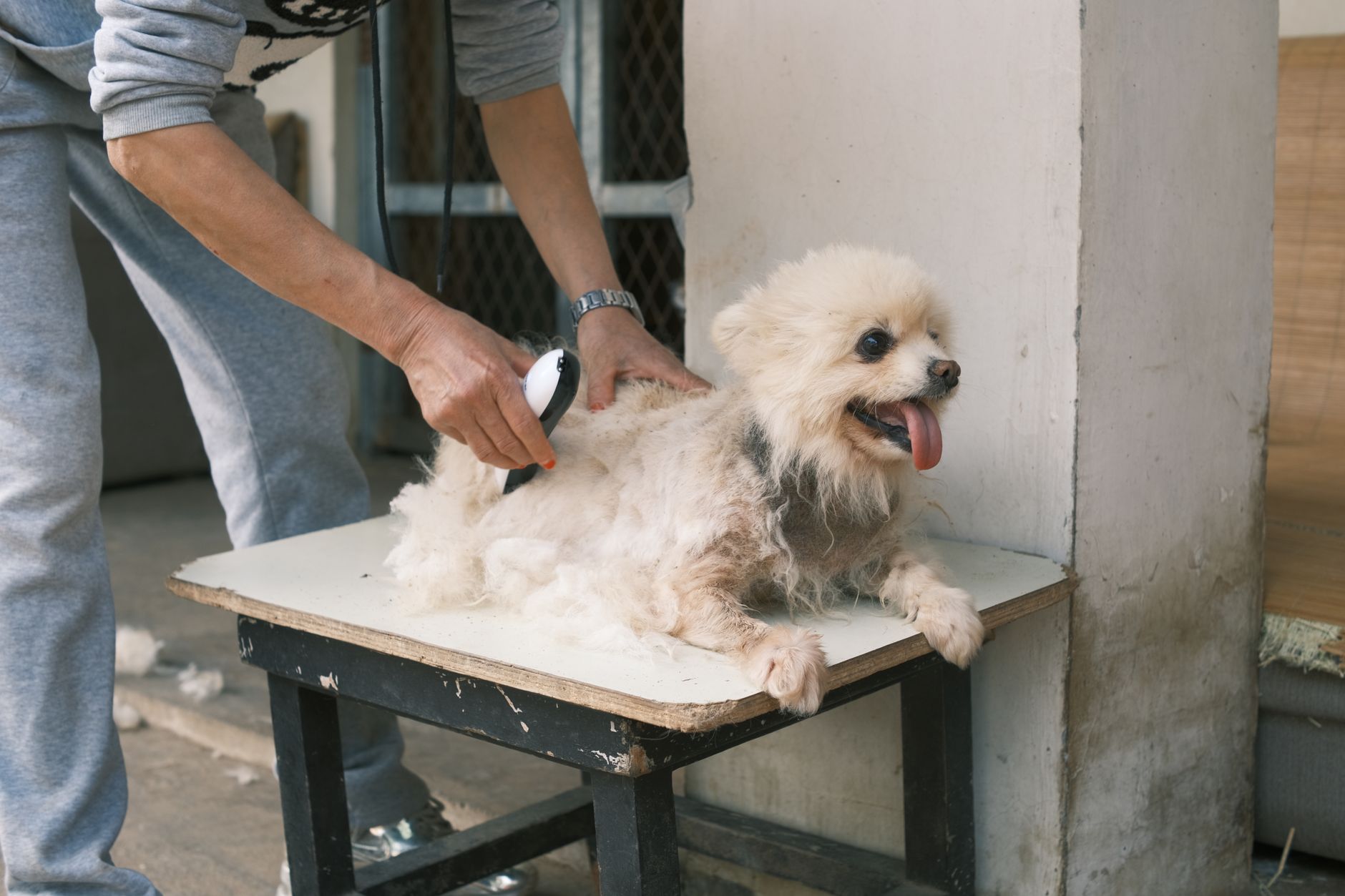
For breeds with thick double coats, like the Alaskan Malamute or Australian Shepherd, professional grooming isn’t just about aesthetics; it’s essential for their health and comfort. A professional groomer with de-shedding expertise can cost anywhere from $80 to $200 per session, depending on the dog’s size, coat condition, and your geographic location. If your dog requires de-shedding every 6-8 weeks during peak seasons, you could easily spend $400-$1000 annually on professional treatments alone. I’ve seen firsthand how a skilled groomer can remove an astonishing amount of undercoat, leaving the dog noticeably lighter and more comfortable, and reducing the hair that ends up on your furniture.
The process often involves specialized tools like high-velocity dryers, slicker brushes, and de-shedding rakes, which many pet owners don’t own or know how to use effectively. These tools, when used incorrectly, can damage the coat or skin. A professional de-shedding treatment typically includes a thorough bath with a specialized de-shedding shampoo (often containing ingredients like omega fatty acids), followed by extensive brushing and drying. Some salons even offer add-ons like paw balm or blueberry facials, which can increase the total cost by $15-$30 per visit.
Consider the time commitment as well. A professional grooming session can take anywhere from 2 to 4 hours for a large, double-coated dog. If you factor in travel time to and from the groomer, it’s a significant chunk of your day. While DIY de-shedding is possible, it requires consistent effort and the right tools. Investing in a good set of de-shedding brushes, like the FURminator ($30-$50), and dedicating 20-30 minutes daily during shedding season can make a difference, but it rarely achieves the same results as a professional clean-out.
While DIY de-shedding is possible, it requires consistent effort and the right tools.
Vet Bills Linked to Matting and Skin Issues
Heavy shedding, especially if not managed properly, can lead to matting. Mats are dense tangles of fur that can form close to the skin. For breeds with long or dense fur, like the Old English Sheepdog or Afghan Hound, mats can become severe very quickly. These aren’t just unsightly; they can be incredibly painful for your dog. When mats tighten, they pull on the skin, causing irritation, redness, and even open sores. I’ve treated dogs where mats were so tight, they restricted movement and caused significant discomfort, leading to behavioral changes like lethargy or aggression.
The cost of treating severe matting often involves a veterinary visit. In mild cases, a vet might prescribe medicated shampoos or topical treatments, costing around $50-$100. However, if the matting is extensive, sedating the dog to shave it out might be necessary. This procedure, combined with a post-treatment check-up and any necessary wound care, can easily run into several hundred dollars, typically $300-$700. The key here is prevention. Regular brushing, especially during shedding seasons, is paramount. If you can’t commit to daily brushing for your long-haired breed, professional grooming every 4-6 weeks becomes a necessity, not just a convenience.
Beyond matting, excessive shedding can sometimes be a symptom of underlying health issues. Allergies (environmental or food-related), parasites like fleas or mites, hormonal imbalances, or even stress can cause a dog to shed more than usual. A vet visit to diagnose and treat these conditions can range from $100 for a basic check-up and flea treatment to $500-$1000 or more if allergy testing or specialized treatments are required. For example, allergy testing can cost $300-$600, and ongoing allergy medication might be $50-$150 per month. Monitoring your dog’s coat and skin for changes is crucial; a sudden increase in shedding, bald patches, or excessive scratching warrants a professional opinion.
For example, allergy testing can cost $300-$600, and ongoing allergy medication might be $50-$150 per month.
De-Shedding Tools: DIY vs. Professional
When it comes to managing shedding, you have two main paths: the DIY route with specialized tools or outsourcing to professionals. On the DIY side, a significant investment can be made in high-quality de-shedding tools. Brands like FURminator offer a range of brushes and combs designed to reach the undercoat and remove loose hair effectively. A good de-shedding tool can cost between $30 and $60. Add to that a specialized de-shedding shampoo and conditioner, which can set you back another $20-$40 for a good quality set. If you’re committed to daily or every-other-day brushing for 20-30 minutes, these tools can significantly reduce the amount of hair in your home.
However, the effectiveness of DIY de-shedding depends heavily on consistency and technique. Many owners, myself included when I first started, can over-brush, leading to skin irritation, or under-brush, failing to remove enough of the dense undercoat. For breeds with very thick or dense coats, like a Norwegian Elkhound or a Keeshond, achieving a truly thorough de-shed at home can be incredibly time-consuming, often taking over an hour for a single session. This is where professional groomers often shine. They have the experience, the specialized equipment (like high-velocity dryers that blow out loose hair), and the sheer manpower to do a comprehensive job in a few hours.
The cost comparison is stark. A professional de-shedding session can range from $80 to $200. If you have a dog that sheds heavily for two 6-week periods a year, that’s potentially 12 weeks of intense shedding. Even if you only opt for a professional groom every 2 months during these periods, that’s 6 sessions per year, costing $480-$1200 annually. While this is more expensive upfront than buying tools, it saves you significant time and effort, and often achieves a deeper clean. Consider your own time availability and tolerance for dog hair when making this decision. If you dread brushing or find it a chore, the professional route is likely a more sustainable and less stressful option.
The Unexpected Costs: Beyond Hair
While the most obvious costs of high shedding are grooming and cleaning supplies, there are other, less predictable expenses to consider. For instance, the sheer volume of hair can clog household drains and pipes, leading to plumbing issues. I’ve heard stories from friends with particularly hairy dogs where they’ve had to call a plumber to snake their drains, costing anywhere from $150 to $400 for a service call. This is especially true if you bathe your dog at home and some of the loose undercoat washes down the drain.
Another area to consider is the impact on your home’s HVAC system. All that airborne hair and dander can put a strain on your air filters, requiring more frequent replacements. Standard HVAC filters might need changing every 1-3 months, costing $10-$20 each. However, in a high-shedding household, you might need to change them monthly, or even bi-monthly, doubling or tripling that cost annually. Some people opt for more expensive, high-efficiency filters, which can cost $30-$50 each but last longer and trap more allergens. I’ve also seen homeowners invest in air purifiers, which can range from $100 to $500, to help manage airborne dander, adding another recurring cost for filter replacements, typically $30-$60 annually.
Finally, don’t forget the potential for accelerated wear and tear on your furniture and flooring. While not a direct bill, the constant shedding can mean replacing carpets or upholstery sooner than you might otherwise. Professional carpet cleaning, which can be necessary every 6-12 months for pet owners, can cost $100-$300 per room. Upholstery cleaning is similar. Over a decade, these costs can add up significantly, impacting your home maintenance budget in ways you might not initially associate with your dog’s shedding.
Small changes, real momentum
Get practical guides and templates you’ll actually use — a few thoughtful emails a month.
Frequently Asked Questions
How often should I professionally groom a high-shedding dog?
For breeds known for heavy shedding, like Huskies, German Shepherds, or Golden Retrievers, professional grooming for de-shedding is typically recommended every 6 to 8 weeks, especially during their peak shedding seasons in spring and fall. However, this can vary based on your dog’s specific coat type and how well you manage their grooming at home. If you notice significant matting, increased shedding, or your dog seems uncomfortable, it’s a good indicator to book an appointment sooner. Consistent professional grooming helps remove the dense undercoat, reduces shedding in your home, and keeps your dog’s skin healthy.
Are there specific vacuum cleaners that are better for pet hair?
Absolutely. Look for vacuums specifically designed for pet hair, often featuring powerful suction, tangle-free brush rolls, and specialized attachments for upholstery and crevices. Brands like Dyson (e.g., Ball Animal 3, $500), Shark (e.g., Stratos Upright, $350-$450), and Miele (e.g., Complete C3 Cat & Dog, $900-$1000) are frequently recommended for their effectiveness. These models are built to handle the volume and stubbornness of pet hair, often including HEPA filters to trap dander and allergens. While they represent a significant upfront investment, their durability and performance can save you money and frustration in the long run compared to cheaper, less effective alternatives.
What are the signs that my dog’s shedding is a health issue?
While seasonal shedding is normal, excessive shedding, especially if it’s sudden or accompanied by other symptoms, can indicate a health problem. Look for bald patches, thinning fur, skin irritation, redness, excessive scratching, or changes in coat texture (brittleness or oiliness). These can be signs of allergies, parasites (fleas, mites), hormonal imbalances, nutritional deficiencies, stress, or underlying illnesses. If you notice any of these symptoms, it’s crucial to consult your veterinarian for a proper diagnosis and treatment plan. Ignoring these signs can lead to more severe health complications and higher vet bills down the line.
Managing a high-shedding dog involves more than just grabbing a lint roller. The real costs extend to specialized cleaning equipment, consistent professional grooming, and potential veterinary care for matting or related skin issues. Prioritizing a high-quality vacuum designed for pet hair, like a Dyson Ball Animal 3 ($500), can save you money and sanity in the long run. Budgeting for professional de-shedding treatments every 6-8 weeks during peak seasons, which can cost $80-$200 per session, is also a wise investment in your dog’s comfort and your home’s cleanliness. Lastly, be aware that mats can lead to painful skin issues, potentially costing $300-$700 in vet bills to resolve, underscoring the importance of consistent grooming. Be prepared for these expenses, and you’ll find managing your furry friend’s shedding is a manageable, even enjoyable, part of dog ownership.
For the Love of Your Pet
Care guides, breed insights, and gentle advice for happier pets.