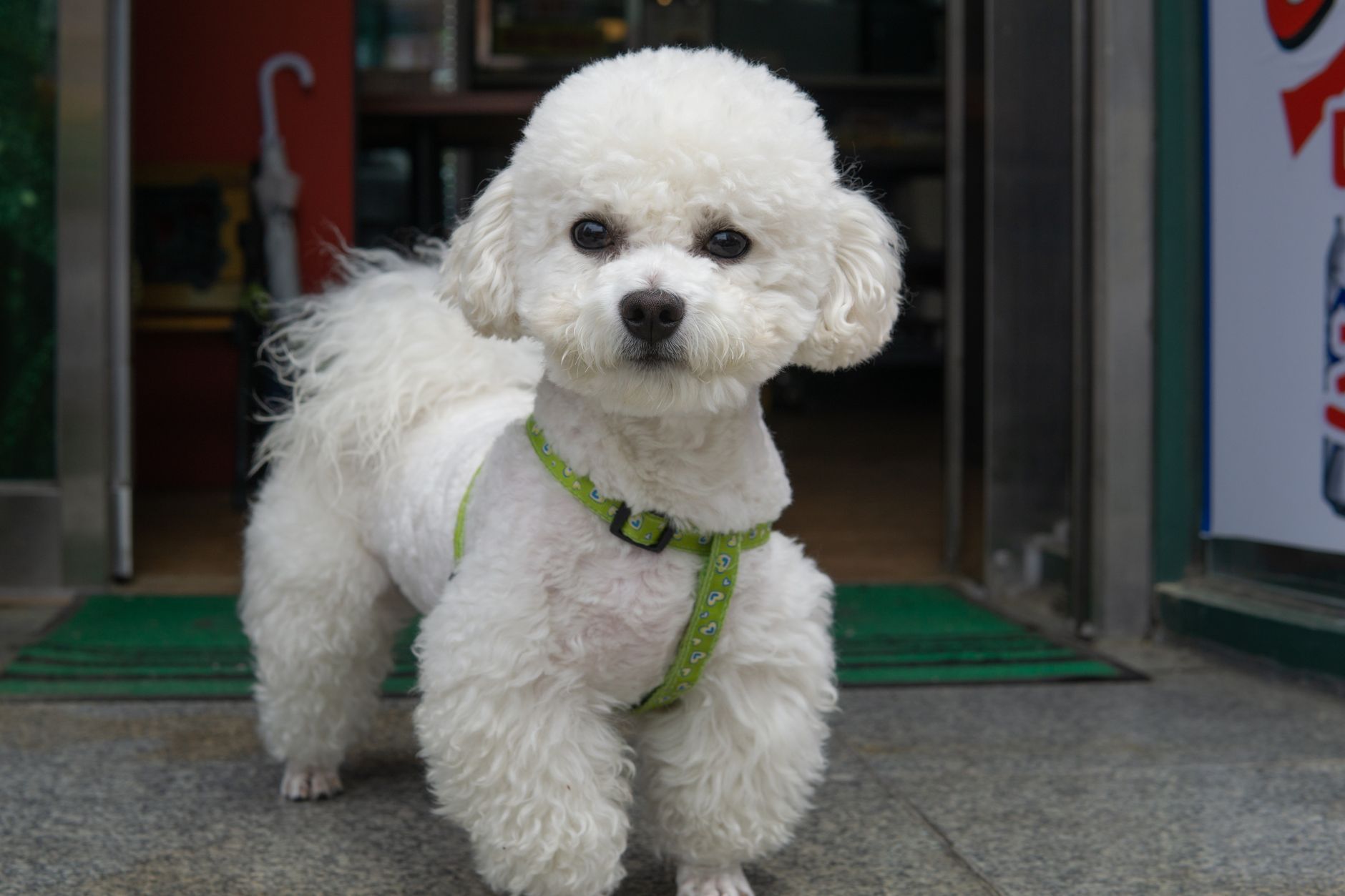
Here’s a question that stumps a lot of prospective dog owners: if both Poodles and Bichon Frises are small, fluffy, and allegedly “hypoallergenic,” why does grooming for one feel like a second mortgage while the other seems more manageable? The truth is far messier than breed marketing suggests. Yes, both dogs have similar coat types—a dense, curly texture that doesn’t shed like a Golden Retriever—but the grooming demands, health profiles, and training curves are dramatically different. A Standard Poodle (45–70 pounds) requires professional grooming every 4–6 weeks and daily brushing at $75–$150 per session, while a Bichon Frise (12–18 pounds) can sometimes stretch to 8 weeks between appointments and costs closer to $50–$90. That’s not a minor difference when you’re planning your household budget for the next 12–15 years. This article cuts through the noise. You’ll learn exactly what grooming entails for each breed, which health problems actually matter, and whether your lifestyle can realistically support either dog. By the end, you’ll know which breed suits your commitment level—or if neither does.
The Grooming Reality: Why Poodles and Bichons Are Not Interchangeable
The biggest trap owners fall into is assuming “curly coat” means “same maintenance.” It doesn’t. Poodles come in three sizes—Toy (under 10 lbs), Miniature (10–15 lbs), and Standard (45–70 lbs)—and all require identical grooming frequency despite their size difference. A Standard Poodle’s coat grows roughly 1/2 inch per month, meaning you’re looking at 4–6 weeks maximum between professional appointments before matting becomes a serious risk. Bichons grow coat at a similar rate, but their coat structure is slightly different: it’s finer and more prone to tangling rather than dense matting. This matters because a Bichon can technically go 6–8 weeks without professional grooming if you’re brushing daily, whereas a Poodle simply cannot stretch that timeline without consequence.
The actual cost difference over a year is substantial. A Standard Poodle owner spending $100 per grooming session, visiting every 5 weeks, will pay approximately $1,040 annually just for professional work—before home maintenance supplies. Add in a high-quality slicker brush ($25–$40), conditioning spray ($15–$25), and grooming clippers if you want to learn hand-stripping ($200–$400 for quality equipment), and you’re looking at $1,300–$1,500 per year for a Standard Poodle. A Bichon Frise owner with similar grooming standards (same frequency) pays roughly $55–$75 per session, bringing annual costs to around $550–$750 before supplies. That’s nearly $600–$750 less per year. For a Miniature Poodle, the gap narrows: expect $60–$80 per session, or $600–$800 annually, still 20–30% cheaper than a Standard because less surface area means less time under the dryer.
Home maintenance is where your actual time commitment shows up. Both breeds require daily brushing to prevent matting, but Poodle coats reward you differently. If you skip a day, you’re fighting tangles. Skip two days on a Standard Poodle, and you’re risking the groomer needing to shave your dog down to the skin because the mats are too severe to detangle safely—a $150–$200 “sanitary cut” that takes an hour and leaves your dog looking completely different. Bichons are more forgiving: they’ll tangle, but the damage is rarely irreversible after 3–4 days of missed brushing. That’s a meaningful difference if your life gets hectic. I’d recommend blocking out 15–20 minutes daily for a Poodle and 10–15 minutes for a Bichon if you want to avoid emergency visits.
One thing most articles won’t tell you: Poodles and Bichons respond differently to humidity and water. Poodles tend to “bloom” in their curls during humid weather and after baths—their coat actually becomes fuller and curlier, which looks beautiful but tangles more easily. Bichons, especially newly groomed ones, develop a characteristic “powder puff” shape, but their tangles tend to be surface-level. If you live in a humid climate like Florida or the Pacific Northwest, the Bichon’s coat will genuinely require less babying. Poodle owners in those climates often invest in air dryers ($300–$600) to manage coat texture after baths, whereas Bichon owners can often get away with a standard handheld dryer.
Coat Types and Shedding: The “Hypoallergenic” Myth Unpacked
Both breeds are marketed as hypoallergenic, and both are wrong in the same way: they don’t shed traditional fur, but they still produce dander, saliva, and urine—the actual allergens that bother people. A 2011 study published in the American Journal of Rhinology & Allergy comparing allergen levels in Poodle homes versus non-Poodle homes found negligible difference in airborne Can f 1 (the primary dog allergen). Neither breed is “safe” for severe allergies, though some people with mild allergies report fewer symptoms. The real advantage is this: you’ll never find dog hair on your couch, car seats, or clothes. That’s genuinely valuable for people who hate vacuuming, even if your allergies don’t improve.
The structural difference between their coats explains why grooming differs. Poodles have a single coat made of continuously growing hair with a tightly coiled texture—each strand twists back on itself, which is why they mat so easily. The hair never sheds naturally; it stays on the dog until cut away professionally. Bichons also have curly hair, but their coat has a bit more width and less extreme curl, plus they have a dense undercoat underneath that single layer. This dual-layer structure means Bichon hair can trap loose undercoat between those layers. During grooming, you might see bits of loose hair that’ve been trapped—this isn’t the same as shedding, but it means you’ll occasionally find small tufts. Neither breed leaves the kind of constant hair fallout you’d get from a Labrador or Golden Retriever.
If you’re genuinely allergic and considering either breed, test your reaction by spending time with the specific individual dog before adopting. Allergen response varies hugely by dog: some Poodles produce less dander than others, and the same applies to Bichons. Visiting a breeder, foster home, or shelter dog for 2–3 hours will give you a real sense of whether that particular dog’s coat and dander affect you. Don’t rely on breed reputation alone. Also note: if you already have a Poodle or Bichon at home and your allergies get worse over time, it’s often because the dog’s coat isn’t being maintained—bacteria and mold build up in matted or dirty coats, amplifying allergen levels. Consistent grooming and bathing (every 4–6 weeks for both breeds) keeps allergen levels lower than you’d expect.
Poodle Health: The Breed-Specific Issues You Actually Need to Know
Poodles are generally healthy dogs, but three conditions show up repeatedly in breed health surveys: hip dysplasia, progressive retinal atrophy (PRA), and bloat. Hip dysplasia affects about 5–7% of the breed depending on size; Standard Poodles are slightly more prone than Miniatures. PRA is a genetic eye disease that causes progressive vision loss, eventually leading to blindness. The Poodle Club of America recommends annual eye exams via the Canine Eye Registration Foundation (CERF), and responsible breeders screen parent dogs before breeding. If you’re buying from a breeder, ask for CERF clearance going back 2–3 generations—this should be provided without hesitation. Bloat, or gastric dilatation-volvulus (GDV), is less common in Standard Poodles than in deep-chested breeds like Great Danes, but it’s more prevalent than in Bichons due to the Poodle’s deeper chest cavity. Bloat can kill a dog in 4–6 hours, so learning the early signs—restlessness, distended abdomen, inability to vomit—is critical for any Poodle owner.
Ear infections plague Poodles more than Bichons, a direct result of their ear structure. Poodles have hair that grows inside the ear canal—this is a defining breed trait, not a flaw—and it traps moisture and debris. If that ear hair isn’t regularly plucked during grooming (a task most professional groomers charge an extra $10–$20 for), infections develop quickly. I’ve watched owners get surprised by recurring ear infections costing $150–$300 each in vet bills, then frustrated when vets recommend regular ear cleaning—they didn’t realize that was a routine maintenance item, not a treatment. Plan on weekly ear checks and monthly ear cleaning with a veterinary-approved solution like Otic Clear or Zymox. Some owners also ask groomers to pluck ear hair monthly rather than quarterly. Miniature Poodles’ ear canals are narrower, so they’re actually more prone to infections than Standards, contrary to what you’d expect.
Sebaceous adenitis, an autoimmune skin condition, affects about 1–2% of Poodles. It causes hair loss and scaly skin, often starting on the back and spreading outward. It’s not contagious or life-threatening, but it requires ongoing management: antibacterial shampoos, omega-3 supplements (like fish oil), and sometimes immunosuppressive medication. Genetic testing for this condition isn’t yet available, so responsible breeders select against it by only breeding dogs with clear skin health in their lineage. Ask your breeder if any family history exists. Addison’s disease (hypoadrenocorticism) also occurs in Poodles at slightly elevated rates—roughly 0.2–0.5% of the breed. It’s manageable with daily medication once diagnosed, but owners should know the symptoms: lethargy, loss of appetite, vomiting, and diarrhea that come and go.
Bichon Frise Health: What Separates Real Risks from Noise
Bichons are smaller and generally face different health pressures than Poodles. The breed’s most prevalent concern is luxating patella (knee dislocation), which affects roughly 8–10% of the breed. This is a genetic condition where the kneecap slips out of its groove, usually in the hind leg. Mild cases cause intermittent hopping; severe cases require surgery ($2,000–$4,000 per leg). Responsible breeders screen for this via PennHIP or OFA evaluations. When shopping, ask to see orthopedic clearances on both parents. Unlike Poodles, Bichons don’t carry the same ear-infection risk because their ears don’t have hair growing inside the canal—they have a standard ear structure. Monthly ear cleaning is still smart (all dogs benefit), but it’s maintenance, not crisis prevention.
Allergies and skin infections run surprisingly high in Bichons: roughly 10–15% develop atopic dermatitis or food allergies within their lifetime. This isn’t a specific Bichon problem—it’s common across small breeds—but it’s worth flagging. If your Bichon starts excessive scratching, licking paws, or developing red patches, suspected allergies will require an elimination diet ($300–$600 over 8–12 weeks of prescription food) or allergy testing ($200–$400). Many Bichon owners discover their dogs do better on limited-ingredient diets: brands like Royal Canin Hydrolyzed Protein or Hill’s z/d run $40–$70 per bag and manage symptoms in about 60% of affected dogs. Some vets also recommend adding omega-3 supplements to reduce inflammation: fish oil pills (like Nordic Naturals) at roughly 3–6 capsules daily, depending on dog size.
Bichons face an elevated risk of bladder stones (uroliths), particularly struvite Crystals. This affects roughly 5–7% more often than random dog breeds. Males are slightly more prone than females. Prevention centers on diet and hydration: low-magnesium foods and ensuring your dog drinks consistently. If stones develop, dietary management (prescription urinary diets from Royal Canin or Hill’s) works about 70% of the time; the other 30% require surgical removal ($1,500–$3,000). Ask your breeder if urinary issues run in the family. Heart conditions, particularly mitral valve disease, show up in older Bichons (usually after age 7–8), but this is a common age-related issue, not a breed-specific genetic problem.
One advantage Bichons have: eye disease is less common than in Poodles. Progressive retinal atrophy (PRA) occurs at very low rates in the breed, and cataracts are manageable if they develop. That said, annual vet eye exams are still smart for any dog past age 6. Bichon lifespans average 12–15 years, same as Miniature Poodles, but sometimes longer—I’ve known several that lived to 17 or 18 with proper care.
Training, Temperament, and Daily Living Differences
This is where the breeds diverge most noticeably. Poodles are ranked as the second-most intelligent dog breed (after Border Collies) by Stanley Coren’s work on dog intelligence, which included 200+ breed rankings. They were originally bred as water retrievers, which selected for problem-solving, obedience, and focus. A Poodle doesn’t just follow commands; they anticipate what you want and think about why they should do it. This makes them excellent for advanced training: agility competitions, tricks, even service work. But it also means they get bored and frustrated quickly. A Poodle with insufficient mental stimulation will develop destructive behaviors—not out of anxiety, but out of sheer boredom and frustration. Owners often describe training a Poodle like arguing with a smart teenager: they’ll do what you ask, but they’ll also question whether it makes sense.
Bichons are intelligent—they rank around 45th in Coren’s study, which places them solidly in the “above average” category—but they’re more biddable and less prone to independent thinking. They were bred as companion lap dogs for European nobility, so they’ve evolved to please people without overthinking. They respond well to positive reinforcement (treats, praise) and take naturally to obedience training. The trade-off is that they’re sometimes stubborn in a different way: if they decide something isn’t interesting, they won’t engage, regardless of what you’re offering. A Bichon might refuse a sit-stay if they’d rather sniff something else. They’re not defiant; they’re just less intrinsically motivated by human commands. For first-time dog owners or people who want a dog that listens without needing constant mental puzzle-solving, Bichons are less demanding.
Both breeds are social and bond strongly to their families, but their neediness differs. Standard Poodles often develop a “velcro” attachment to one person and can struggle with separation anxiety if left alone regularly. A Poodle left alone for 8+ hours, several days a week, will get destructive—not spiteful, but genuinely distressed. Bichons also prefer company but are generally more flexible. A Bichon can handle a day alone occasionally, whereas most Poodles actively suffer. If you work full-time outside the home, a Bichon is the safer choice unless you have doggy daycare or a dog walker on your budget (roughly $15–$30 per visit, $300–$600 per month for regular care).
Barking is another important difference. Bichons were bred to be alert companion dogs, and they inherited a tendency to bark at noises, visitors, and pretty much anything mildly interesting. It’s not aggressive barking; it’s more like a small, enthusiastic alarm system. Training reduces it but rarely eliminates it entirely. Poodles bark less frequently overall, though they’re perfectly capable of nuisance barking if bored or anxious. In terms of aggression, both breeds are naturally friendly and rarely show food guarding or territorial aggression. Both do well with other dogs, cats, and children when properly socialized.
Exercise Needs: More Similar Than You’d Think
Size would suggest that
Related from our network
- Siamese Cat Breed Guide: Temperament, Care Requirements, and Health Issues (featherden)
- ChatGPT vs Claude: Which AI Tool Suits You Best (aiinactionhub)
- Twenty Twenty-Five vs Classic Themes: Which is Better for Blogs?” – comparison, uses theme name, blog focus. Length: “Twenty Twenty-Five vs Classic Themes: Which is (thedreamfiles)
For the Love of Your Pet
Care guides, breed insights, and gentle advice for happier pets.