Disclosure: This post contains affiliate links. If you click through and make a purchase, we may earn a small commission at no extra cost to you. Thank you for supporting this site!
Thinking about bringing a Poodle into your life, but the thought of those hefty professional grooming bills makes your wallet tremble? You’re not alone. Many potential Poodle parents are daunted by the prospect of maintaining that iconic, curly coat, which, let’s be honest, can look like a walking cotton ball if neglected. But here’s a secret the groomers might not shout from the rooftops: you can absolutely master Poodle coat care at home, saving a significant chunk of change without sacrificing your dog’s comfort or appearance. I’ve spent countless hours testing tools and techniques, and I can tell you with certainty that with the right, budget-friendly investments and a little bit of practice, you can keep your Poodle looking dapper and feeling fantastic. This guide is your roadmap to becoming a DIY grooming pro, focusing on the essential tools that offer the best bang for your buck.
11 min read
In This Article
- The Poodle’s Coat: Why It Demands Attention
- Essential Brushing Tools: Your First Line of Defense
- The Art of the Bath: Shampoo, Conditioner, and Drying
- Trimming and Clipping: The Finishing Touches
- The Cost Breakdown: What to Expect
- Building Your Routine: Consistency is Key
- Conclusion: Empowering Your Poodle Parenthood
- Frequently Asked Questions
Key Takeaways
- The Poodle’s Coat: Why It Demands Attention
- Essential Brushing Tools: Your First Line of Defense
- The Art of the Bath: Shampoo, Conditioner, and Drying
- Trimming and Clipping: The Finishing Touches
The Poodle’s Coat: Why It Demands Attention
Poodles are famous for their hypoallergenic, non-shedding coats, which is a huge plus for allergy sufferers and for keeping your home fur-free. However, this unique coat type comes with a significant responsibility: it grows continuously and, crucially, it tangles. Unlike shedding breeds whose loose hairs fall out, a Poodle’s dead hairs get caught in the surrounding coat, forming mats. These mats aren’t just unsightly; they can be incredibly painful for your dog, leading to skin irritation, infections, and even restricting movement. A severely matted coat can require shaving down to the skin, which is stressful for the dog and can damage the hair follicles, affecting future coat growth. This is why consistent, proper grooming isn’t a luxury for Poodles; it’s a necessity for their health and well-being. Regular brushing, bathing, and trimming are non-negotiable, and understanding the ‘why’ behind it all is the first step to successful at-home care.
The Poodle’s coat is a single layer of dense, curly hair. This means it lacks the undercoat found in many other breeds, which is why it sheds so minimally. While this is a fantastic trait for cleanliness and allergies, it also means that every single hair that dies stays in the coat, waiting to tangle with its neighbors. Think of it like a very fine, very curly wool sweater – if you don’t brush it regularly, it will felt and mat. This constant growth and potential for matting is the primary driver behind the need for frequent grooming. Many owners opt for professional grooming every 4-6 weeks, which can easily cost $75-$150 per session, depending on your location and the size of your Poodle. For a Standard Poodle, this annual cost can easily exceed $1,000, and for Miniature or Toy Poodles, it’s still a significant expense. Investing in a few key tools upfront can dramatically reduce this ongoing financial burden.
Investing in a few key tools upfront can dramatically reduce this ongoing financial burden.
Essential Brushing Tools: Your First Line of Defense
When it comes to preventing mats, brushing is your absolute best friend. For Poodles, you need tools that can penetrate that dense, curly coat without causing undue stress to their skin. My go-to setup for effective, budget-friendly brushing involves two main items: a slicker brush and a metal comb. For a slicker brush, I highly recommend the Hertzko Self-Cleaning Slicker Brush. Reviewers have tested numerous slicker brushes, and this one stands out for its effective bristle design and, more importantly, its self-cleaning button. With a Poodle, you’ll be pulling out a surprising amount of loose hair, and the ability to retract the bristles and clear the brush with a single click is a genuine time-saver and frustration-reducer. It costs around $20-$25, which is a steal for the daily convenience it offers. Look for one with fine, flexible pins that are angled to reach the undercoat without scratching the skin. Avoid brushes with stiff, widely spaced pins, as these won’t do an adequate job of detangling.
Complementing the slicker brush is a good quality metal comb. A 7-inch greyhound comb is the industry standard, and for good reason. I prefer combs with both wider and finer teeth. The wider teeth are excellent for initial detangling and working through slightly matted areas, while the finer teeth are perfect for getting down to the skin to ensure there are no hidden tangles or starting mats. My personal favorite is the Chris Christensen Big G Slicker Brush (yes, it’s a slicker, but the name is confusingly applied to their combs too – the one I mean has the metal teeth). However, for a budget-friendly option that performs admirably, the Andis Pet Grooming Comb (around $10-$15) is fantastic. It’s sturdy, has both wide and fine teeth, and feels balanced in your hand. This comb is crucial for the “comb test” – after brushing, you should be able to run the comb from the skin to the tips of the hair without encountering any resistance. If you hit a snag, it means there’s a tangle that needs more attention. This comb is also invaluable for checking ears and face for debris or mats.
The Art of the Bath: Shampoo, Conditioner, and Drying
Bathing your Poodle is another critical step, and using the right products can make a world of difference. For Poodles, you absolutely need a high-quality, moisturizing shampoo and a conditioner. Their coats can become dry and brittle, making them more prone to breakage and tangles. I strongly advise against using human shampoos or generic “dog” shampoos that are overly harsh or strip natural oils. A fantastic, yet reasonably priced, option is the Nature’s Specialties Quicker-Clean Shampoo (around $20 for a 32oz bottle). It’s a concentrated formula, meaning a little goes a long way, and it effectively cleans without stripping the coat. For conditioner, the Isle of Dogs Everyday Conditioner (around $15-$20 for a 16oz bottle) is excellent. It helps to detangle, add moisture, and leave the coat soft and manageable. Never skip the conditioner; it’s your second line of defense against matting and dryness, working hand-in-hand with your brushing routine.
Drying your Poodle after a bath is just as important as the washing itself. A Poodle’s coat holds a lot of water, and if you let them air dry, especially in cooler weather, they can get chilled, and their coat can become a tangled mess. You have two main options: a high-velocity dryer or a good quality human hairdryer with a cool setting. While professional groomers use high-velocity dryers that blast water off, these can be expensive ($150-$300+) and noisy for home use. A more budget-friendly and quieter alternative is a powerful human hairdryer. Look for one with multiple heat settings and a cool shot button. Brands like Conair or Revlon often have models around $40-$60 that pack enough power. Crucially, always use the lowest heat setting or the cool setting to avoid burning your dog’s skin. You’ll also want a slicker brush or a pin brush to gently brush the coat as you dry it, helping to detangle and fluff it up. For drying, I always recommend starting with the feet and working your way up, ensuring each section is completely dry before moving on. This systematic approach prevents damp spots that can lead to mats. A good drying session can take anywhere from 30 minutes to over an hour, depending on the size of your Poodle and the power of your dryer.
A good drying session can take anywhere from 30 minutes to over an hour, depending on the size of your Poodle and the power of your dryer.
Trimming and Clipping: The Finishing Touches
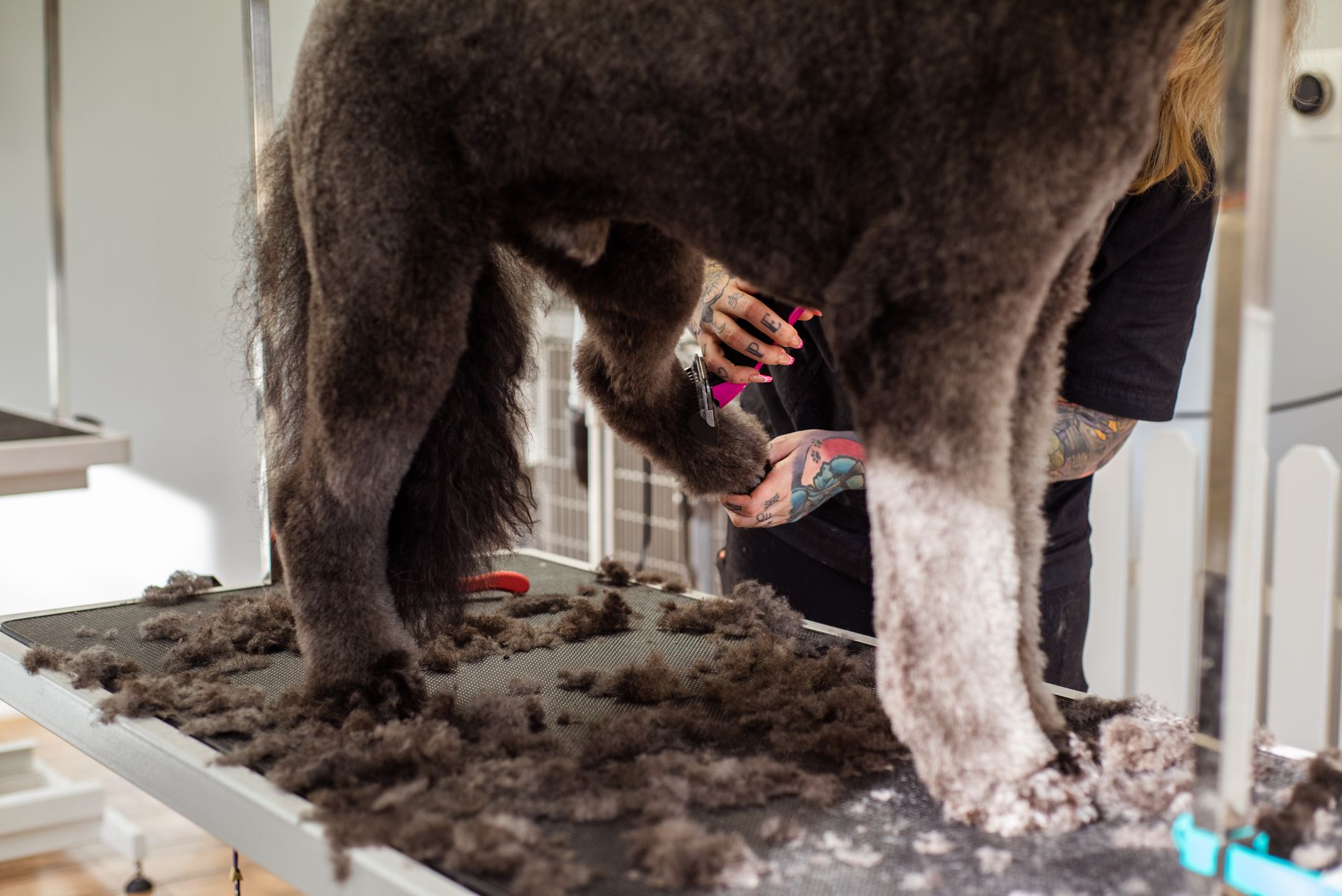
While you might not be ready to tackle a full Poodle clip like the famous “pompom” style right away, basic trimming is essential for comfort and hygiene. This includes tidying up the feet, face, and sanitary areas. For these precise areas, you’ll need a good pair of grooming shears and possibly a small, quiet trimmer. For shears, I recommend investing in a decent pair of curved or straight grooming scissors. While professional shears can cost hundreds, you can find reliable options for around $30-$50. Look for stainless steel blades and comfortable finger loops. Brands like PetEd or Andis offer good entry-level shears. For beginners, curved shears are often easier to use for shaping the feet and around the eyes. Straight shears are good for general tidying. Always use these shears with extreme caution, pointing them away from the skin and using the tips for precision work.
For the sanitary trim and around the face, a small, quiet cordless trimmer can be a lifesaver. These are much safer than scissors for sensitive areas like the groin and around the anus, and they prevent hair from getting into the eyes. The Wahl Arco Cordless Pet Clipper Kit is a popular choice, often found for around $70-$90. While this is a larger investment, it’s invaluable for hygiene and comfort. If that’s still outside your budget, focus on using your shears very carefully around these areas. Another area to consider is the “feet trim” – clipping the hair between the paw pads to prevent matting and improve traction. This is where a small trimmer can be very useful. For the face, you’ll want to trim the hair around the eyes so it doesn’t obstruct vision or cause irritation. This is often done with scissors, carefully snipping away the longer hairs. Remember, when in doubt, err on the side of caution. It’s better to leave a little hair than to accidentally cut your dog’s skin. Many owners start by just doing these basic trims and gradually work their way up to more complex styling as they gain confidence.
The Cost Breakdown: What to Expect
Let’s talk numbers. Investing in quality tools upfront can save you hundreds, if not thousands, of dollars annually. Here’s a realistic breakdown of essential, budget-friendly tools and their approximate costs:
- Slicker Brush: Hertzko Self-Cleaning Slicker Brush – ~$25
- Metal Comb: Andis Pet Grooming Comb – ~$15
- Shampoo: Nature’s Specialties Quicker-Clean Shampoo (32oz) – ~$20
- Conditioner: Isle of Dogs Everyday Conditioner (16oz) – ~$18
- Hair Dryer: Powerful Human Hair Dryer (with cool setting) – ~$50
- Grooming Shears: Entry-level Stainless Steel Shears (curved or straight) – ~$40
- Optional Trimmer: Wahl Arco Cordless Clipper Kit – ~$80 (This is a significant investment, but highly recommended for hygiene and ease)
The total for a comprehensive starter kit, including the trimmer, would be around $248. If you opt to skip the trimmer initially and rely solely on shears (with extreme caution), you can get started for under $170. Compare this to the average annual cost of professional grooming for a Poodle, which can range from $500 for a Toy Poodle to over $1,000 for a Standard Poodle, and the savings become incredibly clear. Even just one or two professional grooming sessions can pay for your entire DIY toolkit. Remember, these are initial investments. Most of these tools, if cared for properly, will last you for years.
It’s also important to factor in consumables. Shampoo and conditioner bottles will need replenishing, typically every 6-12 months depending on how often you bathe your dog and the concentration of the product. You might also want to consider investing in grooming loops or a grooming table for safety and stability, especially if you have a larger Poodle. A basic grooming table can be found for around $60-$100. While not strictly essential for a beginner, it significantly improves the grooming experience and safety. For those on a tighter budget, a sturdy non-slip mat on a stable table or even the floor can suffice initially. The key is to gradually build your toolkit as your confidence and skills grow. Don’t feel pressured to buy everything at once. Start with the brushing and bathing essentials, and then add trimmers and shears as you feel more comfortable.
Start with the brushing and bathing essentials, and then add trimmers and shears as you feel more comfortable.
Building Your Routine: Consistency is Key
The most effective DIY grooming strategy for a Poodle is consistency. You can’t just brush your Poodle once a month and expect to avoid mats. Aim for brushing sessions at least 3-4 times a week, ideally daily. Even 10-15 minutes of thorough brushing each session can make a massive difference. Make it a positive experience for your dog by offering treats and praise. Start with short sessions and gradually increase the duration. When brushing, work in sections, lifting the hair and brushing from the skin outwards. Pay special attention to areas prone to matting, such as behind the ears, under the ‘armpits,’ the groin area, and the tail. The goal is to ensure your brush or comb glides smoothly through the entire coat down to the skin. If you encounter a tangle, don’t yank or force it. Use your fingers to gently tease it apart, or apply a bit of conditioner or detangling spray to help it loosen, then use your comb.
Bathing should ideally occur every 2-4 weeks, depending on your dog’s lifestyle and how quickly their coat gets dirty. Over-bathing can strip natural oils, so finding a balance is important. Always brush your Poodle thoroughly *before* bathing. Bathing a matted dog is a recipe for disaster, as the water tightens mats, making them much harder to remove and potentially causing painful pulling on the skin. After the bath, ensure your Poodle is completely dry using the methods discussed earlier. Regular trims of the feet, face, and sanitary areas should be done weekly or bi-weekly, even if you’re not doing a full groom. These small, frequent maintenance tasks prevent bigger problems down the line. Think of it like this: daily brushing prevents tangles, bi-weekly trims keep things tidy, and monthly baths keep them clean and healthy. This consistent approach is far more effective and less stressful for both you and your Poodle than waiting for a major grooming crisis.
Conclusion: Empowering Your Poodle Parenthood
Mastering Poodle coat care at home is not only achievable but incredibly rewarding, both financially and in terms of bonding with your dog. By investing wisely in a few key, budget-friendly tools – a good slicker brush, a quality metal comb, moisturizing shampoo and conditioner, a reliable hairdryer, and careful trimming shears – you’re setting yourself up for success. Remember, consistency is your greatest ally. Aim for frequent brushing, regular baths, and routine trimmings to keep your Poodle comfortable, healthy, and mat-free. Don’t be afraid to start small; even basic maintenance can prevent costly professional grooming sessions. My final recommendation? Start with the brushing essentials and work your way up. Invest in the Hertzko slicker brush and the Andis comb first, practice daily brushing, and you’ll see a noticeable difference. As you gain confidence, add the shampoo, conditioner, and dryer. You’ve got this, and your Poodle will thank you for it with happy wags and a beautiful, healthy coat!
Small changes, real momentum
Get practical guides and templates you’ll actually use — a few thoughtful emails a month.
Sources & further reading
- Poodle Dog Breed Information (akc.org)
- Poodle (simple.wikipedia.org)
- POODLE (en.wikipedia.org)
- Observation of the rare $B^0_s\toμ^+μ^-$ decay from the combined analysis of CMS and LHCb data (arxiv.org)
Frequently Asked Questions
How often should I brush my Poodle?
For a Poodle, daily brushing is ideal, or at least 3-4 times per week. Their curly, non-shedding coat is prone to matting, and consistent brushing is the most effective way to prevent tangles from forming and becoming painful mats. Even 10-15 minutes of thorough brushing, ensuring you reach the skin, can make a significant difference in maintaining coat health and reducing the need for expensive professional grooming.
What’s the biggest mistake beginners make with Poodle grooming?
The most common and damaging mistake is bathing a Poodle before brushing them thoroughly. Water tightens existing tangles, turning minor knots into severe mats that can be incredibly painful and may require shaving the dog down to the skin. Always ensure your Poodle is completely tangle-free before any bath. Another frequent error is using dull or poor-quality tools, which can snag the coat and skin, making the grooming process unpleasant for both owner and dog.
Can I use a regular human hairbrush on my Poodle?
No, a regular human hairbrush is generally not suitable for a Poodle’s coat. Poodle hair is dense, curly, and grows continuously, requiring specialized tools like slicker brushes with fine, flexible pins and metal combs with varying tooth widths to effectively penetrate the coat and detangle it down to the skin without causing breakage or irritation.
For the Love of Your Pet
Care guides, breed insights, and gentle advice for happier pets.