Disclosure: This post contains affiliate links. If you click through and make a purchase, we may earn a small commission at no extra cost to you. Thank you for supporting this site!
Did you know that despite their similar “retriever” label, a Golden and a Labrador can have first-year grooming costs that differ by over $300? I learned this the hard way after adopting my Labrador, Duke, and helping a friend with her Golden, Sunny. While everyone talks about their friendly temperaments, the real financial and time commitment lies in managing their vastly different coats. A Golden’s long, flowing double coat requires a specific toolkit to prevent mats, while a Lab’s shorter, denser coat demands a relentless battle against a constant drizzle of hair. This isn’t just about brush preference; it’s about understanding the true investment in tools, professional services, and your own time to keep these popular breeds healthy and your home relatively fur-free.
7 min read
In This Article
- The Core Difference: It’s All About the Undercoat
- Essential Grooming Toolkit: A Side-by-Side Investment
- Professional Grooming: Frequency and Annual Cost Breakdown
- Seasonal Shedding: The Twice-Yearly Furpocalypse
- At-Home Maintenance: The Real Time Commitment
- First-Year Ownership Budget: A Realistic Comparison
- Which Breed’s Grooming Needs Fit Your Lifestyle?
- Frequently Asked Questions
Key Takeaways
- The Core Difference: It’s All About the Undercoat
- Essential Grooming Toolkit: A Side-by-Side Investment
- Professional Grooming: Frequency and Annual Cost Breakdown
- Seasonal Shedding: The Twice-Yearly Furpocalypse
The Core Difference: It’s All About the Undercoat
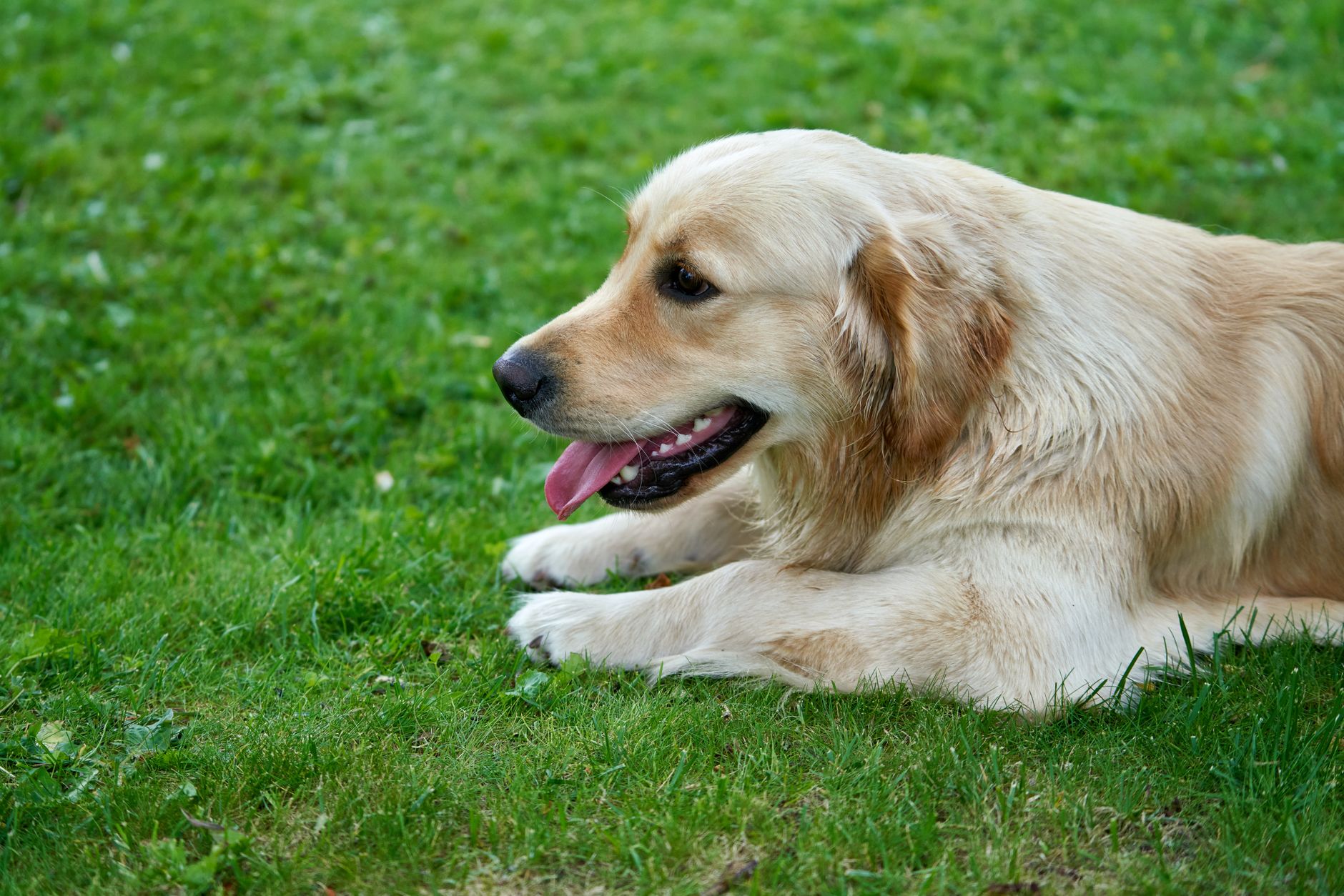
Both breeds possess a double coat, but the structure is where the grooming paths diverge dramatically. A Labrador Retriever’s coat is short, straight, and incredibly dense, with a water-resistant undercoat that sheds moderately year-round and heavily during seasonal changes. The individual hairs are stiff and tend to embed themselves in upholstery like tiny needles. In contrast, a Golden Retriever’s coat is longer, wavy or straight, and features a soft, fluffy undercoat. This luxurious topcoat is prone to tangling and matting, especially behind the ears, in the “pants” (the feathering on the hind legs), and around the neck. The Golden’s shedding is often more visually obvious because the long hairs form tumbleweeds, but the Lab’s shorter hairs are often harder to remove from fabrics.
The grooming challenge for a Lab is primarily de-shedding. You’re trying to pull out the dead undercoat before it ends up on your black pants. For a Golden, the mission is twofold: de-shedding the undercoat *and* detangling the topcoat to prevent painful mats from forming close to the skin. This fundamental difference dictates every tool you’ll buy and how often you’ll use it. Neglecting a Golden’s coat can lead to skin infections under mats within a matter of weeks, while ignoring a Lab’s coat mainly results in a home that’s perpetually coated in a fine layer of fur.
This fundamental difference dictates every tool you’ll buy and how often you’ll use it.
Essential Grooming Toolkit: A Side-by-Side Investment
Your initial investment in tools will vary significantly between the two breeds. For a Labrador, your arsenal can be simpler but needs to be heavy-duty. The absolute non-negotiable tool is a high-quality undercoat rake. At around $60, it’s a significant but worthwhile purchase. Pair this with a sturdy slicker brush, like the Chris Christensen Big G Slicker Brush (approximately $75), for a final pass to catch loose topcoat.
A Golden Retriever requires a more specialized and typically more expensive kit. You’ll need a slicker brush as your primary weapon against tangles. The Chris Christensen Big K Slicker Brush is the gold standard for a reason—its long, fine pins gently work through mats without scratching the skin, and it costs about $80. Next, a long-toothed metal comb is critical for checking your work and detangling feathering. The JW Pet Gripsoft Double-Row Undercoat Rake (around $25) is gentler on the Golden’s skin than a Furminator-style tool for regular undercoat removal. Finally, a de-shedding tool like the EquiGroomer ($20) is excellent for safely removing loose undercoat without damaging the topcoat.
- Labrador Starter Kit Cost: ~$155 (Furminator, Slicker Brush)
- Golden Retriever Starter Kit Cost: ~$125 (Slicker Brush, Comb, Undercoat Rake, EquiGroomer)
While the Golden’s kit seems cheaper initially, the tools wear out faster due to the higher friction and hair volume. A high-quality slicker brush for a Golden may need replacement every 12-18 months with regular use, adding to the long-term cost.
Professional Grooming: Frequency and Annual Cost Breakdown
This is where the budget impact becomes most apparent. Most Labrador owners can manage with a professional groomer visit every 3-4 months, primarily for a thorough de-shedding treatment, nail trim, and ear cleaning. A basic “shed-less” package at a reputable groomer in a metropolitan area typically runs between $75-$100 per session. This puts the annual professional grooming cost for a Lab at approximately $300-$400.
A Golden Retriever, however, benefits greatly from more frequent professional attention. To maintain coat health and prevent matting, a visit every 6-8 weeks is ideal. A full groom for a Golden—including bath, blow-dry, brush-out, sanitary trim, nail trim, and ear cleaning—usually costs between $90-$130. This frequency results in an annual cost of roughly $780-$1040. That’s a difference of nearly $700 per year. When my friend opted for bi-monthly grooms for her Golden, the reduction in at-home brushing time and the complete absence of mats made the higher cost justifiable for her lifestyle.
Seasonal Shedding: The Twice-Yearly Furpocalypse
Both breeds “blow” their undercoats, typically in the spring and fall, but the experience is different. A Labrador’s shedding intensifies for about 2-3 weeks, during which you’ll need to brush daily. During this period, I commit to 15-minute daily sessions with Duke using the undercoat rake, which easily removes enough fur to form a small animal each time. The fur is fine and tends to float in the air.
A Golden Retriever’s coat blow is a more prolonged event, often lasting 3-4 weeks. The sheer volume of long, fluffy undercoat can be overwhelming. It requires near-daily brushing with a slicker brush and comb to prevent the loose undercoat from tangling with the remaining coat, which would quickly lead to mats. This seasonal demand often necessitates an extra professional grooming session during these periods, adding another $100 or so to the annual cost for Golden owners.
The sheer volume of long, fluffy undercoat can be overwhelming.
At-Home Maintenance: The Real Time Commitment
Beyond the financial cost, the time investment is substantial. For a Labrador, a thorough brushing session of 15-20 minutes, 2-3 times per week, is usually sufficient to manage non-shedding-season fur. The process is straightforward: rake, then slicker brush. The fur is easy to clean up with a rubber broom or a powerful vacuum like a Dyson Animal.
A Golden Retriever demands more frequent and meticulous attention. A minimum of 20-30 minutes of brushing every other day is recommended to stay ahead of tangles. This isn’t a quick once-over; it’s a section-by-section process, using the slicker brush followed by the comb to ensure no small knots are missed. Skipping a session can mean spending an hour or more detangling a few days later. The time commitment is a significant factor that many prospective owners underestimate.
First-Year Ownership Budget: A Realistic Comparison
Let’s add up the numbers for the first year, which includes initial tool purchases and grooming costs. This assumes a puppy who starts grooming at 6 months old.
- Golden Retriever: Tools ($125) + 7 Professional Grooms (at $110 avg.) = $895
- Labrador Retriever: Tools ($155) + 3 Professional Grooms (at $85 avg.) = $410
The difference in the first year is approximately $485. This doesn’t account for potential costs for puppy-specific grooming introductions or emergency de-matting fees, which are far more common with Goldens. This financial reality is a crucial part of choosing the right breed for your budget.
Which Breed’s Grooming Needs Fit Your Lifestyle?
Choosing between these two wonderful breeds often comes down to your tolerance for fur and your available time. A Labrador is the better choice if you prefer a lower-maintenance grooming routine and are primarily concerned with controlling shed fur. Your investment will be in powerful vacuums and durable de-shedding tools.
A Golden Retriever is ideal for someone who enjoys the ritual of grooming and doesn’t mind dedicating significant time each week to coat care. The financial cost is higher, but the reward is a magnificent, healthy coat. If you have a busy schedule that makes consistent brushing difficult, the Labrador will be a much more manageable companion.
Before bringing home a retriever, be brutally honest about your available time and budget for grooming. Visit a professional groomer and ask to see the tools used for each breed. Feel the difference in the fur samples they have. The right choice isn’t about which dog is better, but which dog’s needs you can consistently meet for the next 10-12 years. Your future self—and your furniture—will thank you for doing this homework upfront.
Small changes, real momentum
Get practical guides and templates you’ll actually use — a few thoughtful emails a month.
Sources & further reading
- Gold (color) (en.wikipedia.org)
Frequently Asked Questions
Can I shave my Golden Retriever or Labrador to reduce shedding?
Never shave either breed. Their double coats are designed to regulate body temperature, insulating them from both heat and cold. Shaving can ruin the coat’s texture, leaving it patchy and compromising its insulating ability, and it doesn’t reduce shedding—you’ll just get shorter hairs. Proper brushing is the only effective way to manage shedding.
Are “de-shedding” shampoos worth the extra cost?
High-quality de-shedding shampoos and conditioners, like those from brands like Furminator or Earthbath, can be beneficial during seasonal sheds. They help loosen the dead undercoat when used in conjunction with a high-velocity dryer at a groomer’s salon. However, they are not a replacement for regular brushing. For at-home baths without a professional dryer, their effect is minimal.
What is the single most important tool for each breed?
For a Labrador, it’s an undercoat rake like the Furminator. For a Golden Retriever, it’s a high-quality slicker brush like the Chris Christensen Big K. Investing in the right primary tool from the start will save you immense frustration and make grooming sessions more effective and comfortable for your dog.
For the Love of Your Pet
Care guides, breed insights, and gentle advice for happier pets.