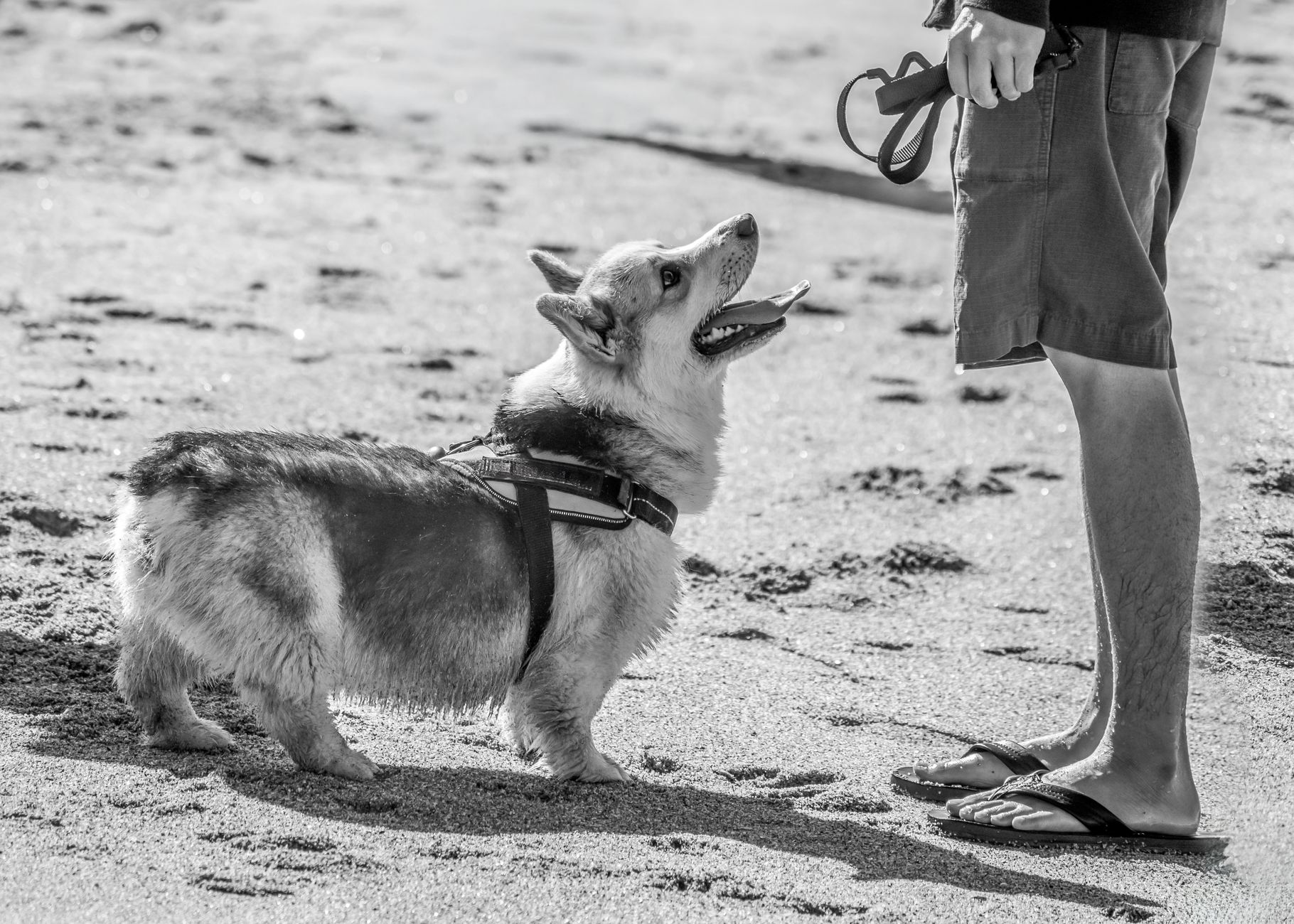
Introduction: The Short-Legged Showdown
Picture this: you’re scrolling through adoption sites or breeder directories, and two unmistakable silhouettes keep stealing your attention—a low-riding fluffy monarch with a heart-shaped rear, and a stretched-out earthdog with ears that could double as handkerchiefs. Choosing between a Corgi and a Dachshund is one of the toughest dog breed comparison decisions a pet parent can face, because both breeds pack massive personalities into pint-sized, short-legged bodies. By the time you finish this guide, you’ll know exactly which breed matches your lifestyle, energy levels, and budget—without any guesswork.
Disclosure: This post contains affiliate links. If you click through and make a purchase, we may earn a small commission at no extra cost to you. Thank you for supporting this site!
Whether you’re a dog breed comparison beginner or a seasoned owner looking for a dog breed comparison vs a familiar competitor, this complete breakdown covers origins, temperament, training, health, and real-world ownership costs. Let’s settle this once and for all.
Origins and Purpose: Why History Matters for Your Daily Life
The Corgi: Royal Herder with an Independent Streak
The Pembroke Welsh Corgi and the Cardigan Welsh Corgi both hail from Wales, where they were bred to drive cattle across open fields. That herding heritage means they are natural problem-solvers, bossy by instinct, and prone to nipping at heels (including yours) if they don’t get enough mental stimulation. Their intelligence ranks 11th among all dog breeds—they learn commands in under five repetitions, but they’ll also test your authority with stubborn glee if you’re inconsistent.
The Dachshund: Badger-Hunting Tenacity in a Small Frame
The Dachshund, or “wiener dog,” was purpose-bred in Germany to pursue badgers into their underground dens. That job required a dog with immense courage, a loud bark (to signal location), and a prey drive that still fires up around squirrels, rabbits, and even cats. Standard Dachshunds weigh up to 32 pounds—big enough to tangle with a badger—while Miniatures weigh 11 pounds or less. This hunting background explains why they’re notoriously hard to housetrain and why they dig like they’re drilling for oil.
Practical tip: If you have a yard, expect both breeds to dig. Install dig-proof fencing or designate a digging pit with sand and buried toys. A great option is the Coolaroo Raised Dog Bed for outdoor relief ($49.99 on Chewy)—it keeps them off hot ground and discourages digging beneath it.
Physical Characteristics and Size Comparison
At a glance, these breeds look similar—short legs, long bodies, and big ears. But the devil is in the details, especially when you’re considering space, exercise needs, and health risks.
| Characteristic | Corgi (Pembroke) | Dachshund (Standard) |
|---|---|---|
| Height at Shoulder | 10–12 inches | 8–9 inches |
| Weight Range | 25–30 lbs | 16–32 lbs |
| Coat Types | Double coat (medium) | Smooth, Longhaired, Wirehaired |
| Tail | Docked or natural (Pembroke); full fox-like brush (Cardigan) | Long, straight, carried in line with back |
| Ears | Bat-like, erect | Long, floppy, rounded |
| Body Shape | Compact, sturdy, fox-like | Elongated, low-to-ground, muscular |
| Life Expectancy | 12–15 years | 12–16 years |
| Shedding Level | High (especially spring/fall) | Low to moderate (varies by coat) |
What this means for you: A Corgi takes up more floor space than a Dachshund despite similar leg length. Their bone structure is heavier, and they require more food—expect to go through a 30-lb bag of quality kibble every 6–7 weeks for a Corgi versus 8–9 weeks for a Standard Dachshund.
Temperament and Personality: Which One Matches Your Energy?
Corgi: The Feisty Extrovert
Corgis are high-energy extroverts who thrive on interaction. They bark at delivery trucks, guests, squirrels, and sometimes their own shadow. They’re affectionate but not lapdogs—they’d rather herd you to the treat jar than curl up for a Netflix marathon. Corgis are also famously vocal: if you live in an apartment with thin walls, a Corgi will be the neighbor’s worst nightmare unless you invest in serious training early.
Dachshund: The Bold Cuddle Bug
Dachshunds are loyal to the point of being one-person dogs. They bond deeply and can become jealous if another pet gets attention. They’re brave to the point of foolishness—a Dachshund will challenge a dog three times its size without hesitation. That same tenacity makes them excellent watchdogs, but it also means they need careful socialization from puppyhood. The longhaired variety tends to be calmer; the wirehaired is often more clownish and extroverted; the smooth-coated is the most stubborn.
Real recommendation: If you want a dog that will alert you to every visitor but still settle down for the evening, the Dachshund edges ahead. For a dog that will keep you laughing with herding antics and demand constant engagement, pick the Corgi.
Exercise and Training: A Practical Daily Breakdown
Corgi: Mental Exercise Is Non-Negotiable
Corgis need at least 45–60 minutes of exercise daily, but physical activity alone won’t tire them out. Without mental challenges—puzzle toys, nose work, or obedience drills—they’ll invent destructive jobs like chewing baseboards or herding your ankles into bruises.
- Training approach: Use short, varied sessions (5–10 minutes, 3 times daily). Corgis get bored with repetition. Rotate commands and mix in tricks.
- Recommended toy: Outward Hound Nina Ottosson Dog Puzzle ($24.99 on Amazon) — this keeps their brain firing for 15–20 minutes per session.
- Leash tip: Use a front-clip harness like the PetSafe Easy Walk ($29.95 at Petco) to curb pulling, because Corgis love to lead the charge.
Dachshund: Low-Impact Activity Is Critical
Dachshunds need 30–45 minutes of exercise per day, but the emphasis is on low-impact. Jumping on and off furniture, running up stairs, or roughhousing with larger dogs puts them at high risk for intervertebral disc disease (IVDD)—a condition where spinal discs bulge or rupture. You must train a Dachshund to use ramps from day one.
- Training approach: Be patient with housebreaking. Dachshunds are notoriously difficult to potty train due to their independent hunting instincts. Crate training combined with a consistent schedule (every 2–3 hours at first) is your best bet.
- Recommended ramp: Top Paw Step-Up Ramp ($59.99 at PetSmart) — lightweight and foldable for beds, couches, and car access.
- Leash tip: Use a harness designed for long-backed dogs. The Ruffwear Front Range ($44.95) distributes pressure evenly and avoids neck strain.
Grooming, Health, and Long-Term Costs
Grooming Comparison
Corgi: You will vacuum daily during shedding season (spring and fall). Their double coat requires brushing 3–4 times per week with an undercoat rake. Professional grooming every 6–8 weeks runs $50–$75 per visit.
Dachshund: Smooth-coated Dachshunds need weekly wiping with a rubber brush. Longhaired require brushing 2–3 times per week and occasional trims around the feet. Wirehaired need hand-stripping every 3–4 months ($60–$80 at a groomer who knows the technique).
Health Risks You Can’t Ignore
Corgi: Hip dysplasia is common due to their heavy bone structure on short legs. Degenerative myelopathy (a spinal cord condition) is also a concern. Feed a large-breed puppy formula to control growth rate, and keep your Corgi lean—every extra pound stresses their joints.
Dachshund: IVDD is the #1 health threat. Up to 25% of Dachshunds will experience a disc issue in their lifetime. Invest in pet insurance early—Healthy Paws or Trupanion with a low deductible (around $200/year) can save you $3,000–$8,000 on emergency surgery. Also, watch for obesity: a fat Dachshund is a ticking time bomb for back problems.
Average Annual Costs (Realistic Budget)
| Expense Category | Corgi | Dachshund |
|---|---|---|
| High-Quality Kibble | $480–$600 | $360–$480 |
| Routine Vet Care | $300–$500 | $300–$500 |
| Pet Insurance | $250–$400 | $350–$550 (higher IVDD risk) |
| Grooming (professional) | $400–$600 | $0–$600 (depends on coat) |
| Toys, Treats, Supplies | $200–$400 | $200–$400 |
| Total Estimated Annual | $1,630–$2,500 | $1,210–$2,530 |
Prices based on medium-to-premium product choices as of 2025. Puppy first-year costs add $500–$1,500 for initial vet visits, spay/neuter, and basic training class.
Living Arrangements and Family Suitability
Apartment vs. House with Yard
Corgi: They can adapt to apartment life, but you must commit to 2–3 walks a day plus a trip to a dog park or play field. Without it, they bark excessively and become destructive. A yard is ideal, but not required if you’re active.
Dachshund: Better suited to apartments due to lower exercise needs and smaller size. However, their loud bark carries—invest in soundproofing curtains or use a white noise machine near shared walls. They also dig, so a yard with reinforced fencing is best if you have one.
Kids and Other Pets
Corgi: Good with older kids who know not to run or squeal, which triggers herding nipping. They can be bossy with other dogs, especially of the same sex. Early socialization is critical, and they may chase cats due to herding instinct.
Dachshund: Better with older, respectful kids. They are fragile and can snap if startled or mishandled. Dachshunds often get along with other Dachshunds but may be aggressive toward unfamiliar dogs due to their hunting background. They generally coexist with cats if raised together, but prey drive can kick in with small mammals like hamsters or rabbits.
Which Breed Is Best for Beginners?
In this dog breed comparison beginners section, the honest answer is: neither is a “beginner” breed, but one edges ahead. The Corgi is more trainable due to higher biddability (they want to work with you), but they require more exercise and mental stimulation. The Dachshund is more forgiving on exercise but is notoriously stubborn and harder to potty train.
Our recommendation: If you’re a first-time owner with time for daily walks and training, go with a Corgi. If you have less time for exercise but experience with stubborn dogs (or patience for potty training), choose a Dachshund.
Frequently Asked Questions
1. Which breed sheds more, a Corgi or a Dachshund?
A Corgi sheds significantly more—especially during seasonal coat blows in spring and fall. A smooth-coated Dachshund sheds very little; longhaired and wirehaired varieties are moderate shedders. If allergies are a concern, a Dachshund (smooth coat) is the better choice.
2. Are Corgis or Dachshunds better with cats?
It depends on the individual, but generally Dachshunds have a higher prey drive toward small animals due to their badger-hunting past. Corgis may try to herd cats rather than hunt them. Early socialization helps both breeds, but a cat-raised puppy of either breed stands the best chance.
3. Can I leave a Corgi or Dachshund alone for 8 hours while I work?
Neither breed tolerates extended alone time well, but an adult, well-exercised Dachshund can handle 6–8 hours with a potty break mid-day if you use an indoor grass patch. Corgis are more prone to separation anxiety and destructive behavior. Both need a midday dog walker or daycare if you work full-time outside the home.
4. Which breed lives longer?
Dachshunds have a slight edge with a lifespan of 12–16 years, while Corgis average 12–15 years. Smaller dogs within each breed (Miniature Dachshunds, smaller Corgis) often live closer to the upper end of the range.
5. Do Corgis and Dachshunds get along with each other?
They can, especially if raised together from puppyhood. However, both breeds are bossy and have strong prey/herding instincts. A Corgi might try to herd a Dachshund, and a Dachshund might challenge the Corgi’s authority. Supervised introductions and separate feeding areas are recommended.
Final Verdict: Which Breed Should You Choose?
After this deep dog breed comparison vs the competition, the decision comes down to your lifestyle, not just looks. If you want a trainable, active, and vocal partner who will push you to be more active and keep you laughing, the Corgi wins. If you prefer a cuddly, brave, lower-energy companion who fits into smaller spaces and doesn’t require marathon exercise, the Dachshund is your match.
Whichever you choose, both breeds demand early training, consistent boundaries, and a willingness to deal with stubborn streaks. You’re not getting a docile, low-maintenance dog—you’re getting a small body with a massive personality and a history of doing a job that required grit.
Ready to make your choice? Here’s your next step: If you’re leaning Corgi, join the
For the Love of Your Pet
Care guides, breed insights, and gentle advice for happier pets.