So, you’ve welcomed a fluffy bundle of joy into your home – congratulations! Now, before you get lost in those puppy-dog eyes and endless games of fetch, let’s talk about something crucial: their health. Many first-time owners think puppy care starts with squeaky toys and cozy beds, but the real foundation is built at the vet’s office. Did you know that a staggering 70% of puppies experience at least one minor health issue in their first year? That’s a big number, and it underscores why proactive health checks aren’t just recommended; they’re non-negotiable. I remember my own first puppy, a rambunctious Labrador named Buster. I thought I was doing everything right, but I nearly missed a subtle ear infection because I was too focused on house-training woes. That’s where this guide comes in. We’re going to cut through the noise and get you armed with the essential knowledge to keep your new best friend thriving, from their very first days with you through those critical early months. We’ll cover exactly what to expect at those initial vet visits, what to watch out for at home, and how to build a partnership with your veterinarian that lasts a lifetime.
9 min read
In This Article
- The Crucial First Vet Visit: More Than Just Shots
- Understanding the Puppy Vaccination Schedule
- Common Puppy Health Issues: What to Watch For
- The Importance of Socialization and Health
- Building a Long-Term Relationship with Your Vet
- Preparing for Vet Visits: Tips for Success
- Frequently Asked Questions
Key Takeaways
- The Crucial First Vet Visit: More Than Just Shots
- Understanding the Puppy Vaccination Schedule
- Common Puppy Health Issues: What to Watch For
- The Importance of Socialization and Health
The Crucial First Vet Visit: More Than Just Shots
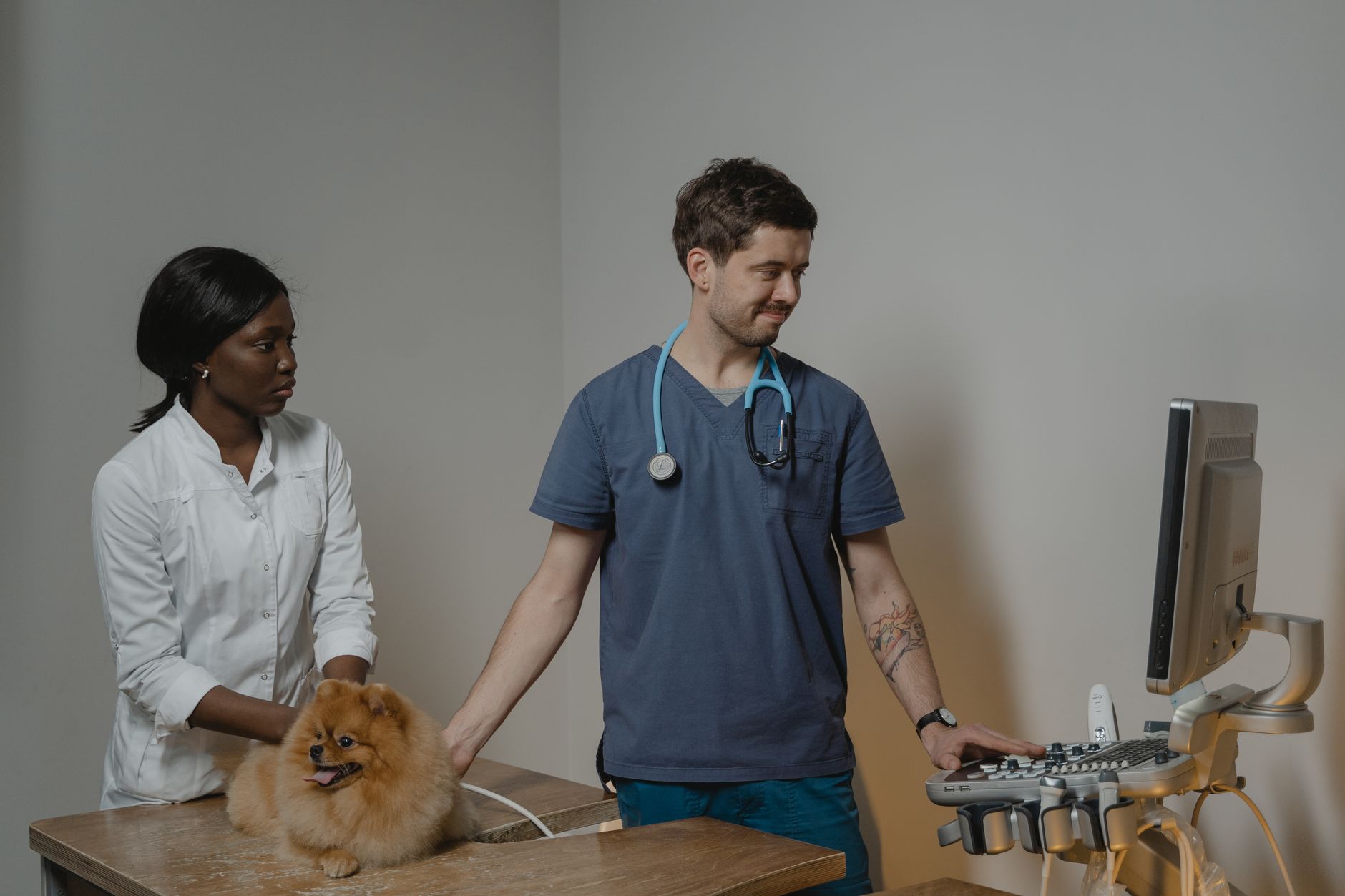
Your puppy’s first trip to the veterinarian is a really big deal, often happening within 72 hours of bringing them home, especially if they came from a breeder or rescue. This isn’t just about getting those initial vaccinations. Your vet will perform a comprehensive physical examination, checking everything from their eyes, ears, and nose to their heart, lungs, and abdomen. They’ll also assess your puppy’s weight, which for a typical 8-week-old Labrador puppy, might be around 15-20 pounds, and look for any congenital abnormalities. This thorough check-up is your best chance to catch any underlying health issues that might not be immediately apparent. Think of it as a baseline assessment – it establishes what’s normal for *your* puppy and helps detect deviations early on. I always advise new owners to bring any health records they received from the breeder or shelter, as this information is invaluable to the vet.
During this initial visit, expect a detailed discussion about parasite prevention. Your vet will likely recommend fecal testing to check for intestinal worms, a common issue in puppies. Based on the results and your geographical location, they’ll prescribe a deworming schedule, often involving medication given every two weeks for the first few months. Flea and tick prevention will also be a major topic. Products vary widely, from topical treatments like Frontline Plus to oral chews like NexGard. Your vet will guide you on the best choice for your puppy’s age, breed, and your lifestyle, considering factors like local tick prevalence. They might also discuss microchipping if it hasn’t already been done, a permanent form of identification that significantly increases the chances of a lost dog being reunited with its owner – a service that typically costs between $25 and $50.
Your vet will guide you on the best choice for your puppy’s age, breed, and your lifestyle, considering factors like local tick prevalence.
Understanding the Puppy Vaccination Schedule
Vaccinations are a cornerstone of puppy health, protecting them from serious, often fatal, diseases. The typical puppy vaccination series begins around 6-8 weeks of age and continues every 3-4 weeks until the puppy is about 16-20 weeks old. This multi-dose approach is critical because a puppy’s immunity from their mother’s colostrum wanes over time, and each vaccine dose builds upon the previous one to establish robust protection. The core vaccines, recommended for all puppies regardless of lifestyle, usually include Distemper, Adenovirus (Hepatitis), Parvovirus (often combined as DHPP or DAPP), and Rabies. Rabies vaccination is legally mandated in most areas and is typically given around 12-16 weeks of age, with a booster required a year later.
Beyond the core vaccines, your vet might recommend non-core vaccines based on your puppy’s specific risk factors. For example, if your puppy will be boarding, attending doggy daycare, or frequently interacting with other dogs in high-traffic areas like dog parks, vaccines for Bordetella bronchiseptica (kennel cough) and Leptospirosis might be advised. Leptospirosis, in particular, is a serious bacterial disease spread through the urine of infected animals and can be transmitted to humans; it’s prevalent in areas with wildlife or standing water. The cost of each vaccine dose can range from $15 to $35, so the full series can add up, but it’s a vital investment in your puppy’s long-term health. Keeping accurate records of all vaccinations is essential, as your vet will need them to certify your puppy as healthy for travel or boarding.
Keeping accurate records of all vaccinations is essential, as your vet will need them to certify your puppy as healthy for travel or boarding.
Common Puppy Health Issues: What to Watch For
Even with the best care, puppies can be prone to certain health issues. Parasites are a big one. Beyond intestinal worms, external parasites like fleas and ticks can cause significant discomfort and transmit diseases. Flea infestations can lead to anemia, especially in young puppies, and a severe infestation can be life-threatening. Signs of fleas include excessive scratching, visible small, dark specks (flea dirt) in the fur, and sometimes tapeworm segments around the anus. Ticks can transmit Lyme disease, ehrlichiosis, and anaplasmosis, so regular checks of your puppy’s skin, especially after outdoor excursions, are crucial. You should be able to feel for them, particularly around the ears, neck, and between toes.
Gastrointestinal upset is also very common. Puppies explore the world with their mouths, and they might ingest something they shouldn’t, or they could have a sensitivity to a new food. Diarrhea and vomiting can range from mild, self-limiting issues to signs of serious infections like Parvovirus, which is highly contagious and often fatal if untreated, especially in unvaccinated puppies. Symptoms of Parvovirus include severe vomiting, bloody diarrhea, lethargy, and loss of appetite. If your puppy exhibits these signs, immediate veterinary attention is critical; early treatment can significantly improve survival rates. Another common issue is ‘puppy strangles’ (juvenile cellulitis), a rare but serious inflammatory condition affecting puppies, typically between 3 weeks and 4 months of age. It presents as swelling of the face, muzzle, and eyelids, often accompanied by fever and lethargy. Prompt treatment with steroids or antibiotics is usually very effective.
Prompt treatment with steroids or antibiotics is usually very effective.
The Importance of Socialization and Health
While not a direct medical issue, proper socialization is intrinsically linked to your puppy’s overall health and well-being, and it’s something your vet will likely discuss. The critical socialization window for puppies is generally between 3 and 16 weeks of age. During this period, exposure to a wide variety of sights, sounds, people, and other animals in a positive and controlled manner helps them develop into confident, well-adjusted adult dogs. Poor socialization can lead to fear-based aggression and anxiety, which are significant behavioral health problems that can be incredibly challenging to manage and can impact their quality of life. A fearful or anxious dog may avoid social interactions, making vet visits, walks, and even living with family members stressful.
Your veterinarian can be a valuable resource in guiding your socialization efforts. They can advise you on safe ways to expose your puppy to new experiences, especially before they are fully vaccinated. For instance, they might recommend “puppy socialization classes” held in sterile environments, or suggest carrying your puppy to observe the world from a safe distance. They can also help you understand appropriate interactions with other dogs. For example, a healthy, vaccinated adult dog that you know well might be a safe playmate, but allowing your unvaccinated puppy to interact with unknown dogs in a public park carries significant risks of disease transmission. Balancing the need for socialization with the need for protection against infectious diseases is a delicate act, and your vet’s advice is paramount here.
Building a Long-Term Relationship with Your Vet
Choosing a veterinarian is a significant decision, akin to choosing a doctor for your child. You want someone knowledgeable, compassionate, and who communicates clearly. Don’t hesitate to “interview” a few clinics before you commit. Ask about their approach to preventative care, their emergency protocols, and their experience with your puppy’s breed. I personally prefer vets who are open to discussing alternative or complementary therapies if I have questions, and who make me feel like a partner in my dog’s care, not just a client. A good vet will listen to your concerns, explain diagnoses and treatment options in understandable terms, and empower you to make informed decisions.
Your vet is your primary partner in maintaining your puppy’s health throughout their life. Beyond the scheduled check-ups and vaccinations, they are your go-to resource for any concerns, from minor behavioral quirks to serious medical emergencies. Establishing this relationship early means your vet will have a comprehensive history of your dog, which is invaluable for diagnosing future issues. Many clinics now offer wellness plans or pet insurance options, which can help manage the costs of routine care and unexpected illnesses. For example, a comprehensive wellness plan might cover annual exams, vaccinations, and parasite prevention for a fixed monthly fee, often around $30-$60, making budgeting easier. Don’t be afraid to call your vet with questions between appointments; it’s far better to ask a “silly” question than to let a concern fester.
Preparing for Vet Visits: Tips for Success
Vet visits can be stressful for puppies and owners alike. To make them as smooth as possible, start preparing your puppy from day one. Get them accustomed to being handled: gently touch their paws, ears, and mouth regularly. Practice putting them in their carrier or crate for short periods, even if it’s just for a few minutes at a time, and associate it with positive reinforcement, like treats or praise. When it’s time for the actual visit, try to remain calm. Your puppy can pick up on your anxiety, which will only amplify theirs. Bring a favorite toy or blanket from home to provide comfort and familiar smells.
On the day of the appointment, try to keep your puppy from eating a large meal right before, especially if they are prone to motion sickness or if a procedure requiring sedation is planned. However, always ensure they have access to water. Bring a list of any questions or concerns you have compiled since your last visit. This ensures you don’t forget anything in the moment. If your puppy has specific triggers – like fear of the stethoscope or needles – communicate this to the vet staff beforehand so they can employ techniques to mitigate stress, such as using a calming pheromone spray or offering high-value treats. If your puppy is particularly fearful, consider scheduling appointments during less busy times of the day. A few minutes of preparation can make a world of difference in turning a potentially traumatic experience into a manageable one.
In summary, prioritizing your puppy’s health from day one through regular vet visits and diligent home care is the most loving thing you can do. Remember these key actions: Firstly, schedule that initial vet exam within 72 hours of bringing your puppy home to establish a baseline and start preventative care. Secondly, adhere strictly to the vaccination and deworming schedule your veterinarian outlines, understanding that this builds crucial immunity. Thirdly, be an observant owner by learning to recognize the signs of common puppy ailments, from parasites to gastrointestinal upset, and don’t hesitate to contact your vet if something seems off. Building a strong, trusting relationship with your veterinarian is paramount, so choose wisely and communicate openly. For a truly proactive approach, consider looking into pet insurance plans early on, as many have waiting periods before coverage begins, and they can significantly ease the financial burden of unexpected veterinary bills.
Small changes, real momentum
Get practical guides and templates you’ll actually use — a few thoughtful emails a month.
Frequently Asked Questions
How often should my puppy see the vet?
Your puppy will need to see the vet quite frequently during their first year. Typically, you’ll have an initial visit within 72 hours of adoption. Following that, they’ll need a series of booster shots every 3-4 weeks until they are about 16-20 weeks old. After that initial series, an annual check-up is standard for adult dogs. However, if you notice any signs of illness, behavioral changes, or have concerns about their development, you should contact your veterinarian immediately, regardless of the scheduled appointment. Early detection is always key for successful treatment.
What are the signs of Parvovirus in puppies?
Parvovirus is a serious and highly contagious disease that can be fatal in puppies. The most common signs include severe, often bloody, diarrhea, persistent vomiting, extreme lethargy, loss of appetite, and dehydration. Puppies may also exhibit a fever and abdominal pain. If you suspect your puppy has Parvovirus, it is a veterinary emergency. Immediate treatment, often involving hospitalization for fluid therapy, anti-nausea medication, and antibiotics, is critical for survival. Vaccination is the most effective way to prevent this devastating illness.
Is it safe for my puppy to go to the dog park before they are fully vaccinated?
Generally, it is not recommended for puppies to visit public dog parks until they have completed their full vaccination series, typically around 16-20 weeks of age. Dog parks are high-traffic areas where unvaccinated puppies can be exposed to a multitude of infectious diseases from other dogs, including Parvovirus, Distemper, and Bordetella. Your veterinarian can advise you on safe socialization opportunities, such as controlled playdates with known, healthy, fully vaccinated dogs or attending puppy socialization classes held in sterile environments, which can help your puppy develop crucial social skills without undue risk.
Keep reading
For the Love of Your Pet
Care guides, breed insights, and gentle advice for happier pets.