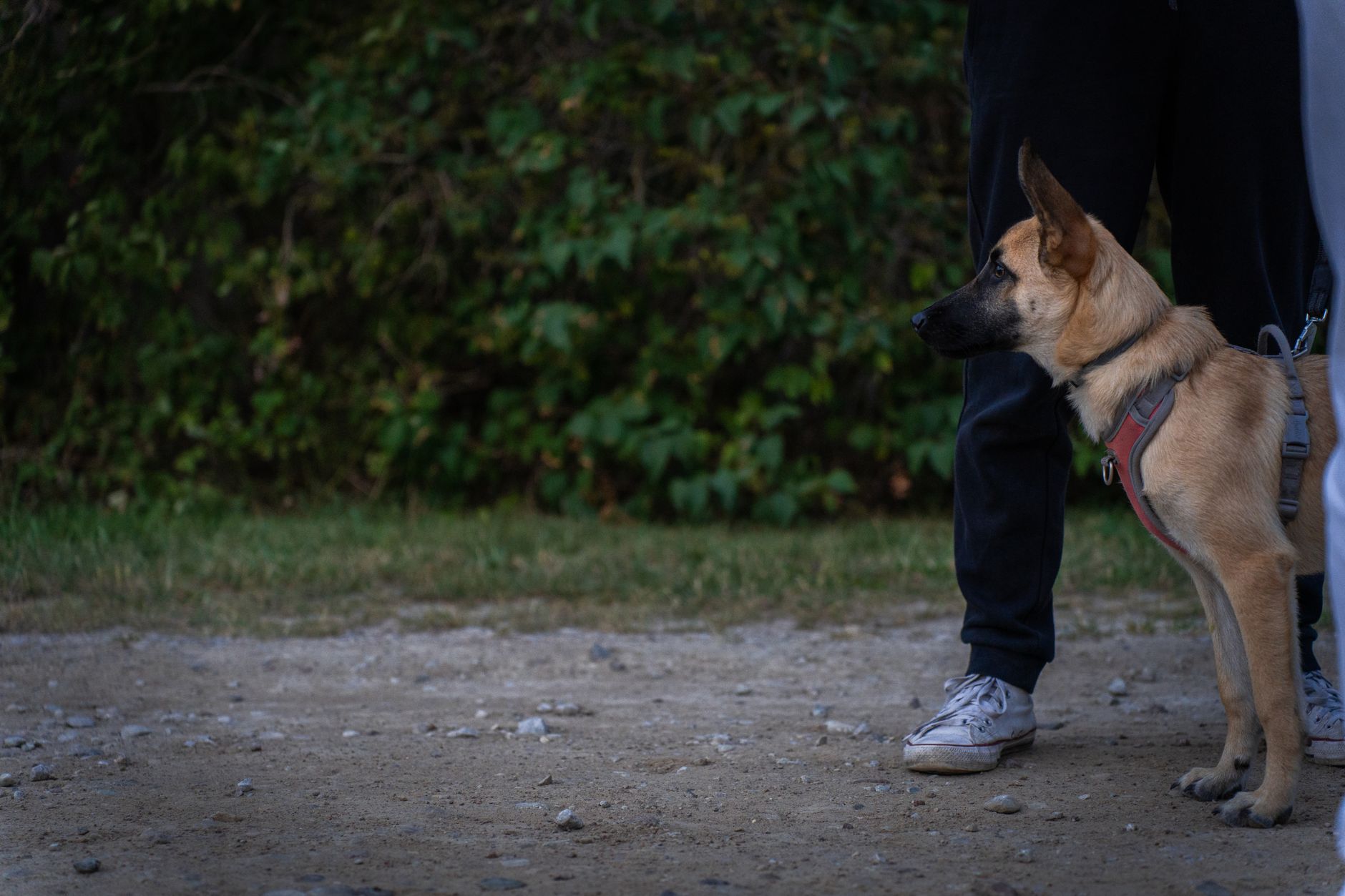
German Shepherd puppies demand more training intensity than most first-time owners expect—and most who don’t plan for it end up frustrated by month three. This breed’s intelligence is a double-edged sword: they learn commands in 5-10 repetitions (vs. 25-40 for average breeds), but they’ll also learn bad habits just as fast. I’ve worked with dozens of GSD owners, and the ones who succeed are those who commit to a structured, consistent schedule from week one—not those who wing it and hope the breeder’s socialization was enough. Over the next 6,000+ words, you’ll get the exact protocol I recommend: the timeline that works, the specific training methods that actually stick with this breed’s prey drive and protective instinct, the equipment that matters (and what’s unnecessary), realistic cost breakdowns, and honest answers about the time investment. German Shepherds will repay structure with loyalty and obedience that’s genuinely exceptional—but only if you speak their language from day one.
11 min read
In This Article
- Understanding the German Shepherd Puppy Brain: Why Standard Training Doesn’t Cut It
- Pre-Training Setup: Equipment, Space, and Your Home Environment
- Week 1–4: Foundation & Imprinting (Critical Socialization Window)
- Weeks 5–12: Core Command Foundation & Ongoing Socialization
- Weeks 13–16: Introducing Impulse Control & Expanding Commands
- Weeks 17–24: Adolescence, Consistency, and Real-World Training
Key Takeaways
- Understanding the German Shepherd Puppy Brain: Why Standard Training Doesn’t Cut It
- Pre-Training Setup: Equipment, Space, and Your Home Environment
- Week 1–4: Foundation & Imprinting (Critical Socialization Window)
- Weeks 5–12: Core Command Foundation & Ongoing Socialization
Understanding the German Shepherd Puppy Brain: Why Standard Training Doesn’t Cut It
German Shepherds mature differently than Labs or Goldens, and trainers who treat them the same way watch their clients fail. This breed has a working-dog neurotype: they’re wired to make independent decisions under pressure, which means they’re prone to thinking *through* your commands rather than simply obeying them. The American Kennel Club’s breed standard lists intelligence and trainability as the breed’s defining traits, but that’s incomplete—it’s really *conditional* trainability. A GSD will obey if they respect your leadership and understand why the command matters. Random corrections or inconsistent rules don’t land the way they do with, say, a Golden Retriever, who often just wants to please.
Neurologically, German Shepherd puppies show higher baseline stress reactivity than most breeds. Studies on canine temperament (like those conducted at the University of Pennsylvania’s Dog Cognition Lab) show that working breeds like GSDs have elevated cortisol responses to novelty, which means early socialization—not at 16 weeks, but at 8 weeks—is non-negotiable. A well-socialized GSD puppy exposed to 100+ people, environments, and sounds before 12 weeks shows significantly lower anxiety-driven behaviors as an adult. Skip this window, and you’re looking at a 2-year rehabilitation project instead of a straightforward training curve. I’ve seen owners adopt GSD puppies at 10 weeks, skip socialization because “the breeder said the pup was shy,” and end up with a dog that barks at visitors at age three—a behavior that’s exponentially harder to reverse than to prevent.
The prey drive piece matters too. German Shepherds score 8/10 on the AKC’s prey drive scale—higher than Beagles. This doesn’t just affect their behavior around cats; it shapes how they process movement-based commands and why “stay” is harder than “sit.” A puppy that hasn’t learned impulse control around a squirrel in the yard won’t suddenly develop it for the mailman. Training against the breed’s hardwiring doesn’t work; training *with* it does. That means building prey-drive outlets into your daily schedule, not trying to suppress the instinct entirely.
Pre-Training Setup: Equipment, Space, and Your Home Environment
Before day one of formal training, your home needs structure. German Shepherd puppies are crate-dependent learners—not because crates are magical, but because GSDs are den dogs with strong territorial instincts. A proper crate mimics that den and becomes the foundation for housebreaking and impulse control. The crate needs to be large enough for the adult dog (not the puppy) so you’re buying once. For a standard German Shepherd, that’s 42 inches long, 28 inches wide, and 30 inches tall—roughly 35,000 cubic inches. The MidWest Homes for Pets iCrate (model 1542UPL, around $80–$120) meets this spec and has a divider panel for puppies, letting you adjust the space as they grow. Some owners swear by Proselect crates ($150–$250), which are heavier-duty and won’t rattle, but for a first-timer, MidWest does the job.
Placement matters more than the brand. The crate should sit in a room where the family spends time—the kitchen or living room, not a garage or basement. A puppy in a remote crate won’t learn to sleep quietly near humans; it learns to panic. You’ll also need a safe puppy pen or exercise playpen (8–16 feet of linear fencing, or 32–64 square feet if arranged as a square). The North States Pet Gate system ($60–$100) is adjustable and works for smaller spaces; larger homes benefit from a full pen. That pen gives your puppy freedom to move without unsupervised access to the rest of the house—critical when they’re still chewing wires and swallowing socks.
Flooring saves your sanity more than any training tool. Puppies have zero bladder control until 16 weeks, and even then, they’ll have accidents during high-stress moments. Hardwood or tile beats carpet in this phase. If you have carpet, cover high-traffic areas with washable rugs (Gorilla Grip brand, ~$40–$80 per rug) that you can pull up for cleaning. Expect to clean pee spots 2-4 times per day for the first 12 weeks; use enzymatic cleaner like Nature’s Miracle ($8–$12 per bottle) every single time, because a dog’s nose will drive them back to any spot they can still smell, even faintly.
Week 1–4: Foundation & Imprinting (Critical Socialization Window)
The first month is about imprinting safety and trust, not trick training. Most first-time owners get this backward—they wait until the puppy is “ready to learn,” and by then, the imprinting window has slammed shut. German Shepherd puppies between 3 and 12 weeks have a brief, neurologically optimal period for social conditioning. After 12 weeks, new environments and people become slightly scary rather than neutral curiosities. By 16 weeks, unintended fears can crystallize into lasting phobias. You can’t train a puppy out of a phobia later; you can only manage it. So weeks 1–4 are about exposure, not obedience.
Day one: arrival, not training. Your puppy needs 24–48 hours to decompress from the car ride and breeder’s home. Set them up in the playpen or crate with fresh water, a soft bed (something that smells like their littermates is ideal), and a chew toy. Don’t try commands; don’t push socializing. Let them settle and sleep—puppies need 18–20 hours of sleep daily at this age, and a tired puppy is a less-anxious puppy. Introduce the family one person at a time in quiet settings. If the puppy crawls into a corner, let them. Forcing interaction is the exact opposite of imprinting trust.
Week two onward: controlled exposure. Every day, your puppy should encounter 2-3 new environments, 5-10 new people (ages varied), and 3-5 new sounds. This doesn’t mean overwhelming them at a dog park—it means a calm walk through a parking lot, a visit to a friend’s house, a car ride (short, with positive association), a trip through a pet-friendly store, the sound of a vacuum in the next room. The key is *variety without fear*. If the puppy is scared, you’ve pushed too far; dial back. Rewards should be treats (small pieces of chicken or cheese—not kibble, which doesn’t register as special) and calm verbal praise. High-energy celebration can actually increase anxiety, because it signals to the puppy that *you’re* unsure about the situation.
Breeder-to-you handoff: many breeders (good ones, anyway) will have started basic socialization and may have introduced the puppy to a training concept or two. Ask your breeder for specifics—what sounds, environments, and handling have they exposed the pup to? What commands, if any? This knowledge saves you from accidentally desensitizing the puppy to something they were already learning. For example, if your breeder started crate training and the puppy was happy in the crate at the breeder’s house, keep using the same crate model if possible, or at least the same type of bedding or a blanket from the litter.
Weeks 5–12: Core Command Foundation & Ongoing Socialization
This is when actual obedience training starts, but the bar is still low. German Shepherd puppies at 5-8 weeks have attention spans of about 30 seconds to 2 minutes. Trying to force a 10-minute training session is futile and risks teaching the puppy that training is boring or frustrating. Instead, do 5-6 mini-sessions throughout the day, each 60–90 seconds, focused on a single behavior.
Start with sit—not because it’s the easiest, but because it’s the foundation for impulse control and builds confidence. Hold a treat close to the puppy’s nose, move it slowly upward and backward. Most puppies will naturally sit as their eyes follow the treat. The instant their bottom touches the floor, mark the moment with a distinct word (“yes!” or a clicker if you’re using marker training) and reward immediately. Timing here is everything; the reward must land within 0.5 seconds of the behavior, or the puppy’s brain won’t link them. Repeat 5-10 times, then stop. You want the puppy to think, “Sit = good things happen,” not “Training = I’m bored now.”
Introduce the verbal cue *after* the behavior is reliable. This sounds backward, but it works. Once the puppy sits consistently when you lure with the treat (usually by day 3-4), *then* add the word “sit” just as the puppy is sitting, so they learn the word is the predictor of success. Skip this order, and you end up chasing a puppy around saying “sit” while they ignore you, which teaches them the word means nothing.
Commands to nail in this window: sit, down, stay (for 5-15 seconds), come (only if there’s a reward involved—this one takes longer), and loose-leash walking. Here’s what I mean by “loose-leash walking” because it’s often misunderstood. It’s not heeling; it’s simply not pulling. German Shepherds have a natural tendency to move ahead of you, part of their herding lineage. If you let them pull, you’re training that pulling gets them where they want to go. Teach loose-leash by stopping every time they pull. No yanking; just stop. They pull forward; you stop. After 2-3 seconds of slack in the leash, walk again. It’s slow going for the first 1-2 weeks, but most puppies figure it out by week 6 or 7. Use a 6-foot standard leash (Coastal brand, $8-$15) or a 4-foot training leash if you’re in tighter spaces. Avoid retractable leashes for puppies; they teach the opposite of what you want.
Continue socialization at the same pace—2-3 new environments daily, now including busier ones like pet-friendly outdoor markets, friends’ houses with other dogs (after vaccination ✓), a trip to a vet’s office (for a “happy visit” with treats, not an exam). The rule of thumb: the puppy should encounter one new significant stimulus per day. New people, new place, new sound, new surface (gravel, wood deck, tile)—those all count as separate exposures.
Weeks 13–16: Introducing Impulse Control & Expanding Commands
By week 13, your puppy has hit adolescence markers: they’re starting to test boundaries, and their attention span has stretched to about 3-5 minutes per session. This is when training gets interesting—and when a lot of owners hit a wall. The puppy that sat perfectly at week 8 suddenly seems to forget the command when a squirrel appears. This isn’t regression; it’s prey drive kicking in. The squirrel is way more rewarding than your treat. Your job is to make obedience more rewarding—or at minimum, more rewarding than the distraction.
Introduce “sit” with distractions. Start small: ask for sit while a friend tosses a toy nearby (not directly at the puppy). If the puppy sits, jackpot—3-5 high-value treats in rapid succession, and genuine celebration. If they don’t sit, no reward, no frustration, just move the friend farther away and try again tomorrow. Gradually increase distraction over weeks: toys, other dogs at a distance, movement, sounds. The goal is for the puppy to learn that *even when interesting things are happening*, sitting is the answer that unlocks rewards.
Start impulse control exercises. Place a treat on the floor; cover it with your hand. The puppy will paw at your hand. Wait for them to pull back, even just an inch and for half a second. Mark and reward from your other hand with a *different* treat. This teaches the puppy that resisting temptation is how they get what they want. Run this 5-10 times per session, 2-3 sessions daily. By week 15-16, most puppies will sit and wait for your release command before eating a treat placed on the ground—a massive step toward managing a dog who won’t counter-surf or scavenge on walks.
Introduce “leave it.” Same game, but now you pair it with the verbal cue as the puppy is pulling away from the temptation. This takes 2-3 weeks to solidify, but it’s worth every minute. A German Shepherd who reliably leaves things on command is a German Shepherd who won’t eat the neighbor’s cat, won’t grab a dropped pill, and won’t fight you over a bone they found in the yard.
Expand on “come”—this one’s breed-specific in how you train it. GSDs don’t come naturally because they’re independent thinkers. You can’t rely on them running toward you just because they like you. Instead, *make coming rewarding*. Play a game: get down on the dog’s level, say “come,” and when they trot over, party like they just won a prize. Then—and this is crucial—immediately let them go back to what they were doing. Many owners reward the come by grabbing the leash or ending playtime, which teaches the dog that coming = fun stops. Instead, come should mean “treat and celebration, then back to fun.” Reserve serious consequences (leash, confinement) for times when they *don’t* come, and make those rare by setting them up to succeed in this phase.
Weeks 17–24: Adolescence, Consistency, and Real-World Training
Welcome to the teenage phase. Your puppy is now 4-6 months old, hitting significant growth spurts (they’ll gain 1-2 pounds per week until month 6), and has started to seriously test your authority. This is when untrained GSDs develop into problems. Owners often report that their previously obedient puppy suddenly ignores commands, jumps on people, or guards resources. These aren’t new behaviors—they’re old behaviors amplified by growing confidence and physical strength. A 30-pound adolescent jumping on you is a lot harder to manage than a 15-pound puppy doing the same thing, so the behavior suddenly feels urgent.
The solution isn’t new training; it’s consistent *management*. Every single interaction with your puppy should either reward the behavior you want or prevent the behavior you don’t want. You can’t ignore a 5-month-old GSD jumping on your mother-in-law and expect it to disappear on its own. Instead: before anyone visits, have the puppy on a leash or in the crate so they can’t jump. When someone arrives and the puppy is calm (whether by restraint or choice), release them and reward calmness with treats from the visitor’s hand. You’re not being mean; you’re being *efficient*. Prevention + reward is faster than correction + hope.
Introduce loose-leash walking in distracting environments—parks, busy streets, places with other dogs. A puppy that walked perfectly in your quiet neighborhood might pull like a sled dog in a park. Don’t punish this; adjust expectations. On park walks, they’re still learning. Use high-value treats (cheese, small pieces of chicken—not kibble) to reward loose-leash walking, and plan for slower progress. Some walks should be training walks (focus on loose-leash, check-ins with you, minimal sniffing); others can
Related from our network
- How to Choose the Best Smartwatch for Health Tracking 2026 (partpickerauto)
- How to Choose the Best Smart Lock for 2026: A Complete Guide” = 53 chars? Count: H(1)o2w3 4t5o6 7C8h9o10o11s12e (kitchentechinsider)
- Best Smart Rings for Men 2026: Top 5 Picks Tested (charginggearlab)
For the Love of Your Pet
Care guides, breed insights, and gentle advice for happier pets.