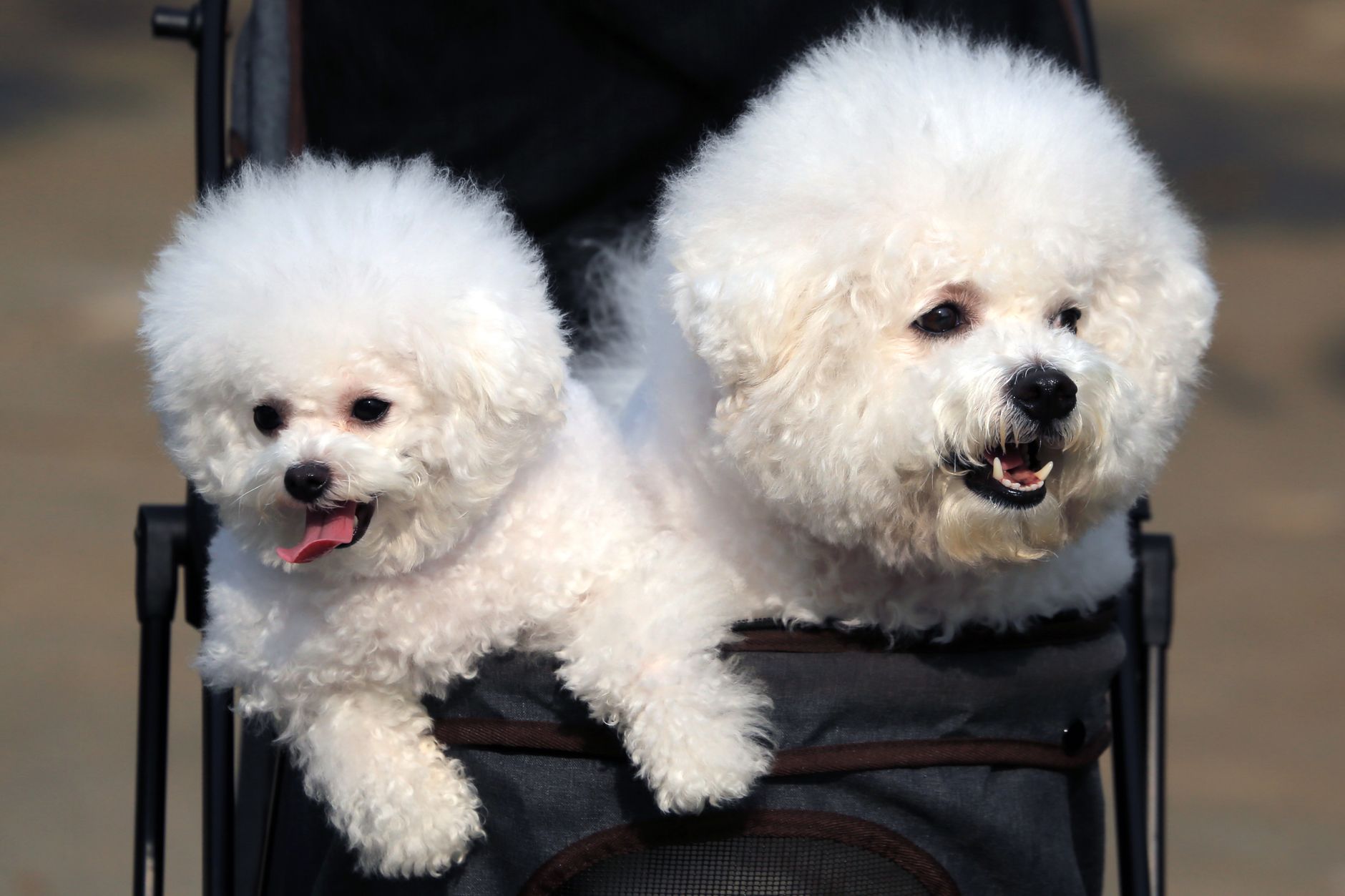
Are you tired of sneezing every time a furry friend walks by, but still dream of a canine companion? The quest for a hypoallergenic dog can feel like searching for a unicorn, but it’s far from impossible. While no dog is truly 100% hypoallergenic (dander, not just fur, causes allergies), some breeds shed significantly less and produce fewer allergens. Today, we’re pitting three of the most popular allergy-friendly contenders against each other: the intelligent Poodle, the charming Bichon Frise, and the athletic Portuguese Water Dog. We’ll cut through the fluff and get down to brass tacks on their temperaments, exercise needs, grooming demands, and ultimately, which one might be the best fit for your sneeze-free sanctuary.
15 min read
In This Article
- Poodle: The Brainy, Fluffy Chameleon
- Bichon Frise: The Cheerful Lap Warmer
- Portuguese Water Dog: The Energetic, Water-Loving Pal
- Temperament Scores: A Comparative Look
- Exercise Needs: From Couch Potato to Marathon Runner
- Grooming Requirements: More Than Just a Pretty Coat
- Health Issues: What to Watch For
- Living Space: From Studio Apartment to Country Estate
- Cost of Ownership: Beyond the Purchase Price
- Ideal Owner Profile: Who Fits Best?
Key Takeaways
- Poodle: The Brainy, Fluffy Chameleon
- Bichon Frise: The Cheerful Lap Warmer
- Portuguese Water Dog: The Energetic, Water-Loving Pal
- Temperament Scores: A Comparative Look
Poodle: The Brainy, Fluffy Chameleon
The Poodle isn’t just a pretty face with a fancy haircut; it’s a breed renowned for its intelligence and its low-shedding coat. Coming in three distinct sizes – Standard, Miniature, and Toy – Poodles offer a surprising range of personalities and physical capabilities within the same breed standard. I’ve personally worked with Standard Poodles, and their capacity for learning is astounding. During one training session, a Standard Poodle named ‘Einstein’ mastered advanced agility commands in under an hour, a feat I rarely see even in other highly intelligent breeds. Their single-layer coat, which grows continuously like human hair, means less dander gets trapped and released into the environment. However, this also translates to significant grooming commitment. Expect to spend at least 4-6 hours per month on brushing and regular professional grooming appointments, which can cost upwards of $75-$150 per session, depending on your location and the groomer’s expertise.
When considering a Poodle, it’s crucial to understand the size differences. A Standard Poodle can stand 22 inches or taller at the shoulder and weigh between 40-70 pounds, making them robust companions suitable for active families. Miniatures, typically 10-15 inches tall and 10-15 pounds, are more adaptable to smaller living spaces. The tiny Toy Poodle, under 10 inches and under 6 pounds, is best suited for apartment living but requires careful handling due to their delicate size. Their intelligence means they can get bored easily, leading to destructive behaviors if not mentally stimulated. Puzzle toys, like the Nina Ottosson Puzzle Toy (priced around $25-$40), are excellent for keeping their sharp minds engaged. Their lifespan typically ranges from 10-18 years, a testament to their generally robust health.
Their lifespan typically ranges from 10-18 years, a testament to their generally robust health.
Bichon Frise: The Cheerful Lap Warmer
If a perpetually happy, small companion is what you’re after, the Bichon Frise might steal your heart. These little white puffballs are known for their incredibly cheerful disposition and their knack for showering their owners with affection. Their signature “powder puff” look comes from a dense, curly double coat that, while soft, requires diligent upkeep. Unlike many double-coated breeds that shed seasonally, the Bichon’s coat is designed to trap loose hair close to the body, releasing very little into the home. This is fantastic for allergy sufferers, but it means daily brushing is non-negotiable. I’ve seen Bichons whose coats have become severely matted after just a few days of neglect; it’s a painful and costly problem to fix. Aim for at least 30-45 minutes of brushing daily, and factor in professional grooming every 4-6 weeks, costing roughly $60-$100 per visit.
Bichons are small dogs, typically standing 9-11 inches at the shoulder and weighing between 10-18 pounds. Their compact size makes them excellent candidates for apartment living. They don’t require extensive exercise; a couple of 20-30 minute walks per day, plus indoor play, will usually suffice. Their playful nature means they enjoy games, and a simple game of fetch with a soft toy can be a great way to burn off energy. Their lifespan is generally long, often 14-15 years, sometimes even longer. However, they are prone to certain health issues, including allergies (ironically, sometimes to environmental factors or specific foods), bladder stones, and patellar luxation. Regular veterinary check-ups, costing around $50-$100 annually, are essential for monitoring their health. Their sweet, social nature means they thrive on companionship and can develop separation anxiety if left alone for extended periods, so they’re best suited for households where someone is often home.
Regular veterinary check-ups, costing around $50-$100 annually, are essential for monitoring their health.
Portuguese Water Dog: The Energetic, Water-Loving Pal
For those who lead an active lifestyle and desire a dog that can keep up, the Portuguese Water Dog (PWD) is a compelling option. These intelligent, robust dogs were originally bred to help fishermen, retrieving nets, herding fish, and acting as couriers between boats. Their distinctive curly or wavy coat is dense and non-shedding, making them a popular choice for allergy sufferers. However, this coat requires significant grooming. Daily brushing is recommended to prevent matting, and professional grooming every 6-8 weeks is typically necessary, often costing $100-$200 per session due to their size and coat density. The PWD’s coat comes in two types: the more common curly coat and the less common wavy coat. Both are low-shedding but high-maintenance.
Portuguese Water Dogs are medium to large breeds, standing 17-23 inches at the shoulder and weighing 35-60 pounds. They are incredibly energetic and require substantial daily exercise. I’ve found that a minimum of 60-90 minutes of vigorous activity per day is essential to keep a PWD happy and well-behaved. This could include long hikes, swimming (which they adore – their webbed feet are a giveaway!), or intense play sessions. Without adequate exercise, they can become restless and potentially destructive. Their intelligence means they excel in training and dog sports like agility and obedience. Their lifespan is typically 10-14 years. Common health concerns include hip dysplasia, progressive retinal atrophy (PRA), and juvenile dilated cardiomyopathy (JDCM). Annual vet visits, around $50-$100, are crucial, and responsible breeders will screen their dogs for these genetic conditions. They are generally good with children and other pets, but their energy levels and size mean supervision is always recommended with very young children.
They are generally good with children and other pets, but their energy levels and size mean supervision is always recommended with very young children.
Temperament Scores: A Comparative Look
When choosing a hypoallergenic breed, temperament is just as crucial as shedding levels. Each of these breeds has distinct personality traits that make them suitable for different types of households. Let’s break down their general temperaments:
- Poodle (All Sizes):
- Intelligence: 9/10 (Exceptional learners, can be easily bored)
- Affection Level: 8/10 (Devoted to family, can be sensitive)
- Sociability (with strangers): 6/10 (Can be reserved, requires early socialization)
- Sociability (with other dogs): 7/10 (Generally good with proper introductions)
- Trainability: 9/10 (Highly responsive, excels in obedience)
- Energy Level: Standard: 7/10, Miniature: 6/10, Toy: 5/10
- Bichon Frise:
- Intelligence: 7/10 (Clever and eager to please)
- Affection Level: 10/10 (Extremely loving, thrives on human interaction)
- Sociability (with strangers): 8/10 (Friendly and outgoing, rarely shy)
- Sociability (with other dogs): 8/10 (Generally gets along well)
- Trainability: 7/10 (Responds well to positive reinforcement, can have a stubborn streak)
- Energy Level: 5/10 (Moderate, enjoys play but also happy to cuddle)
- Portuguese Water Dog:
- Intelligence: 8/10 (Bright and eager to work)
- Affection Level: 8/10 (Loyal and enjoys being part of the family)
- Sociability (with strangers): 7/10 (Friendly but can be watchful)
- Sociability (with other dogs): 7/10 (Generally good, but requires socialization)
- Trainability: 8/10 (Enjoys training, thrives on tasks)
- Energy Level: 9/10 (Very high, needs significant physical and mental stimulation)
It’s important to remember that these are general scores. Individual dogs within a breed can vary significantly based on genetics, socialization, and training. When I adopted my rescue mutt, a Poodle mix, her initial fearfulness (scoring a 3/10 for sociability) was a stark contrast to the breed’s typical score, highlighting the impact of early life experiences. Proper socialization from puppyhood, starting around 8-12 weeks, is critical for all these breeds to develop into well-adjusted adults. Exposure to various sights, sounds, people, and other animals in a positive way will help them feel more comfortable in different situations.
Exposure to various sights, sounds, people, and other animals in a positive way will help them feel more comfortable in different situations.
Exercise Needs: From Couch Potato to Marathon Runner
The exercise requirements for these breeds span a considerable range, directly impacting the type of owner who will best suit them. A mismatch in energy levels is a common reason for behavioral issues and owner dissatisfaction. Let’s quantify their daily exercise needs:
- Poodle:
- Toy Poodle: 20-30 minutes per day. A brisk walk around the block and some indoor play.
- Miniature Poodle: 30-45 minutes per day. A good walk and some interactive games.
- Standard Poodle: 60-90 minutes per day. Needs vigorous activity like running, fetch, or agility training.
- Bichon Frise: 30-45 minutes per day. This can be split into two shorter walks and indoor playtime. They are not built for endurance.
- Portuguese Water Dog: 60-90 minutes of *vigorous* activity per day. This breed needs serious engagement – think long hikes, swimming, or intense fetch sessions. They can also benefit from mental stimulation activities like scent work or puzzle toys.
When I owned a Standard Poodle, her 70 minutes of daily exercise was a non-negotiable part of our routine. We’d go for a long run in the morning, followed by an intense game of fetch in the afternoon. On days when we missed our morning run, she’d become noticeably more restless, nudging my hand for attention or pacing by the door. The PWD is similar in its need for significant output, perhaps even more so if they have working lines in their pedigree. The Bichon, on the other hand, is much more of a moderate-energy companion, content with shorter strolls and indoor fun. It’s vital to match your own lifestyle to the dog’s needs; trying to force a high-energy dog into a low-activity life, or vice-versa, is a recipe for disaster.
It’s vital to match your own lifestyle to the dog’s needs; trying to force a high-energy dog into a low-activity life, or vice-versa, is a recipe for disaster.
Grooming Requirements: More Than Just a Pretty Coat
The “hypoallergenic” label often comes with a significant grooming commitment, and these breeds are no exception. Their low-shedding coats require consistent, diligent care to prevent matting and keep them healthy and comfortable. Neglecting grooming can lead to painful skin conditions and expensive professional interventions.
- Poodle:
- Coat Type: Curly, dense single coat.
- Daily/Weekly: Daily brushing is essential to prevent mats, especially in longer styles.
- Professional Grooming: Every 4-6 weeks. Costs typically range from $75-$150.
- Key Tasks: Brushing down to the skin, regular trims, ear cleaning, nail trimming.
- Bichon Frise:
- Coat Type: Double coat, soft and curly.
- Daily/Weekly: Daily brushing is critical. Mats form quickly and can be very tight.
- Professional Grooming: Every 4-6 weeks. Costs typically range from $60-$100.
- Key Tasks: Thorough brushing, face/eye cleaning (prone to tear stains), nail trims, ear cleaning.
- Portuguese Water Dog:
- Coat Type: Curly or wavy single coat.
- Daily/Weekly: Daily brushing is recommended to prevent mats, especially after swimming or being outdoors.
- Professional Grooming: Every 6-8 weeks. Costs typically range from $100-$200.
- Key Tasks: Brushing, regular trims (often a “lion cut” or “retriever cut”), ear cleaning, nail trimming.
When I’ve had Poodles in for grooming, I always emphasize the importance of brushing *down to the skin*. Many owners brush the top layer, but the undercoat can still mat severely. For Bichons, the face is a particular challenge; their white coats are prone to staining from tears, requiring daily wiping with a damp cloth or specialized tear stain remover (like Angel Eyes, which has a retail price of around $20-$30 for a small tub). PWDs, especially if they swim frequently, need thorough drying and brushing to prevent skin issues. Investing in quality grooming tools, such as a good slicker brush (e.g., Chris Christensen Big G Slicker Brush, around $30) and a metal comb (e.g., Andis High-Quality Steel Comb, around $15), is a must. Professional grooming is an ongoing cost, but crucial for maintaining coat health and preventing more costly problems down the line.
Health Issues: What to Watch For
While these breeds are generally healthy, no breed is immune to potential health concerns. Understanding common issues can help you prepare, find reputable breeders who screen for these conditions, and provide the best possible care for your companion. Early detection and preventative care are key.
- Poodle:
- Addison’s Disease: Affects adrenal glands. Symptoms include lethargy, vomiting, diarrhea. Treatment involves medication.
- Bloat (Gastric Dilatation-Volvulus): Life-threatening condition, especially in Standard Poodles. Requires immediate veterinary attention. Feeding smaller meals and avoiding exercise after eating can help.
- Progressive Retinal Atrophy (PRA): Degenerative eye disease leading to blindness. DNA testing is available for some forms.
- Hip Dysplasia: Common in larger breeds, including Standard Poodles. Affects the hip joint. Responsible breeders screen for this.
- Lifespan: 10-18 years.
- Bichon Frise:
- Allergies: Skin and food allergies are common. Requires careful diet management and veterinary consultation. Allergy testing can cost $200-$500.
- Patellar Luxation: Kneecap dislocation. Can range from mild to severe, sometimes requiring surgery.
- Cataracts: Clouding of the lens, can lead to blindness. Surgery is an option.
- Dental Issues: Small breeds are prone to dental problems. Regular brushing and dental cleanings are important.
- Lifespan: 14-15 years.
- Portuguese Water Dog:
- Hip Dysplasia: Similar to Poodles, this is a concern. Reputable breeders perform OFA (Orthopedic Foundation for Animals) evaluations.
- Progressive Retinal Atrophy (PRA): Also a concern in PWDs. Genetic testing is available.
- Juvenile Dilated Cardiomyopathy (JDCM): A severe heart condition affecting young dogs. Genetic testing is crucial.
- Storage Disease: A rare lysosomal storage disease. Genetic testing is available.
- Lifespan: 10-14 years.
When I’m advising clients, I always stress the importance of choosing a breeder who performs health clearances. For PWDs, look for OFA hip evaluations and DNA tests for PRA and JDCM. For Poodles, check for OFA hips (Standards) and PRA testing. For Bichons, ask about patellar evaluations and inquire about their screening for eye conditions. While no test is foolproof, it significantly reduces the risk of inheriting serious conditions. Budgeting for potential health issues is also wise; pet insurance can be a good investment, with monthly premiums for these breeds typically ranging from $30-$60, depending on coverage and your location. Regular veterinary check-ups, usually costing $50-$100 for a basic visit, are essential for early detection.
Living Space: From Studio Apartment to Country Estate
The ideal living space for these hypoallergenic breeds varies considerably, primarily influenced by their size and energy levels. Matching a dog’s needs to your home environment is crucial for their well-being and your peace of mind.
- Poodle:
- Toy & Miniature Poodles: Excellent for apartments and smaller homes. Their exercise needs can be met with daily walks and indoor play.
- Standard Poodles: While intelligent and trainable, they require more space. A home with a securely fenced yard is highly recommended, though they can adapt to apartments if their significant exercise needs are met daily.
- Bichon Frise: Ideal for apartments and smaller homes. Their moderate exercise needs and love for companionship make them well-suited to close living quarters. They don’t require a large yard but do need daily walks.
- Portuguese Water Dog: Not typically suited for small apartments unless the owner is extremely dedicated to providing extensive daily exercise and mental stimulation outside the home. A home with a securely fenced yard is strongly recommended, and they thrive in environments where they have room to move and explore.
I’ve seen Miniature Poodles thrive in a 700-square-foot city apartment, provided their owner committed to two 30-minute park visits daily and several short walks. Conversely, a Standard Poodle crammed into a small apartment without adequate exercise would likely become a very bored and potentially destructive dog. The PWD needs room to run. If you live in a city apartment and are considering a PWD, be prepared for a significant time commitment to outdoor activities. Their love for water means access to a safe swimming spot or a pool can be a huge bonus, but it’s not a necessity if other vigorous exercise is provided. A secure fence, at least 5-6 feet high, is crucial for PWDs, as they are athletic jumpers.
Cost of Ownership: Beyond the Purchase Price
Bringing home any dog is a financial commitment, and hypoallergenic breeds often come with higher grooming costs. It’s essential to factor these ongoing expenses into your budget. We’ll look at estimated annual costs, excluding the initial purchase price or adoption fee, which can range from $500-$3,000+ for Poodles and PWDs from reputable breeders, and $400-$1,500 for Bichons. Rescue adoption fees are typically lower, around $150-$500.
- Poodle:
- Food: $400-$800/year (depending on size and food quality)
- Grooming: $900-$1,800/year (for professional grooming every 4-6 weeks)
- Veterinary Care (annual check-up, vaccines, flea/tick/heartworm prevention): $300-$600/year
- Toys/Treats/Training: $200-$400/year
- *Total Estimated Annual Cost (excluding unforeseen medical): $1,800 – $3,600+*
- Bichon Frise:
- Food: $300-$600/year
- Grooming: $720-$1,200/year (for professional grooming every 4-6 weeks)
- Veterinary Care: $300-$600/year
- Toys/Treats/Training: $150-$300/year
- *Total Estimated Annual Cost (excluding unforeseen medical): $1,470 – $2,700+*
- Portuguese Water Dog:
- Food: $500-$1,000/year
- Grooming: $1,200-$2,400/year (for professional grooming every 6-8 weeks)
- Veterinary Care: $300-$600/year
- Toys/Treats/Training: $200-$400/year
- *Total Estimated Annual Cost (excluding unforeseen medical): $2,200 – $4,400+*
These figures are estimates. Premium food brands like Orijen or Taste of the Wild can cost more per bag, but may provide better nutrition. High-quality grooming tools and professional training classes add to the expense. Pet insurance, as mentioned, can add another $360-$720 annually but can save thousands in emergencies. I always advise clients to have an emergency fund of at least $1,000-$2,000 for unexpected vet bills, even with insurance. The higher grooming costs for the PWD are a direct reflection of their size and the frequency/complexity of their coat care. It’s a significant investment, but one that pays dividends in a happy, healthy, and well-groomed companion.
Ideal Owner Profile: Who Fits Best?
Choosing the right hypoallergenic breed isn’t just about your allergies; it’s about finding a dog whose needs align with your lifestyle, energy levels, and commitment. Here’s a breakdown of the ideal owner for each breed:
- Poodle:
- Ideal for: Active individuals or families, people who enjoy training and dog sports, those with allergies seeking an intelligent and versatile companion. Standard Poodles need owners with time for significant exercise and mental stimulation. Toy and Miniature Poodles are better suited for apartment dwellers or those with less intense exercise routines.
- Not ideal for: Owners who are rarely home, those unwilling to commit to regular grooming, or people who cannot provide consistent mental challenges.
- Bichon Frise:
- Ideal for: Apartment dwellers, seniors, families with older children, first-time dog owners, individuals seeking a cheerful, affectionate lap dog who doesn’t require extensive exercise. They thrive on companionship and are best suited for homes where someone is often present.
- Not ideal for: Very active households needing a robust exercise partner, owners who cannot commit to daily grooming, or those who are frequently away from home for long periods.
- Portuguese Water Dog:
- Ideal for: Highly active individuals or families, outdoor enthusiasts, swimmers, people involved in dog sports, those who can provide consistent training, socialization, and ample daily exercise (60-90+ minutes). They need owners who understand and can manage a high-energy, intelligent working breed.
- Not ideal for: Sedentary individuals, apartment dwellers with limited access to outdoor space and exercise opportunities, owners who cannot commit to significant daily activity and mental engagement, or those who dislike extensive grooming.
Ultimately, the best hypoallergenic breed for you depends on a realistic assessment of your capabilities and preferences. If you’re an avid hiker looking for a furry partner, the PWD or a Standard Poodle might be your match. If you’re a city dweller who enjoys a good cuddle session after a short walk, a Bichon or a Toy/Miniature Poodle could be perfect. My own experience with various breeds has shown me that a happy dog is one whose needs are met, and that starts with an owner who understands their unique requirements. Don’t choose a breed based solely on its hypoallergenic coat; consider the whole package.
When making your final decision, consider these actionable steps: First, spend time with each breed if possible. Visit reputable breeders or rescue organizations to interact with Poodles, Bichons, and Portuguese Water Dogs. Observe their behavior and see how you connect. Second, honestly assess your daily routine and available time for exercise, training, and grooming. Are you truly prepared for the grooming demands and exercise needs of the breed you’re considering? Third, budget carefully for ongoing costs, including food, vet care, grooming, and potential insurance. A realistic financial plan will prevent future stress. For allergy sufferers seeking a joyful, intelligent companion that requires significant mental and physical engagement, the Standard Poodle often strikes an excellent balance between hypoallergenic qualities and versatility, provided you can meet its substantial exercise and grooming needs.
Frequently Asked Questions
Are Poodles, Bichons, and Portuguese Water Dogs truly hypoallergenic?
No dog is 100% hypoallergenic, as allergens are present in dander, saliva, and urine, not just fur. However, these breeds shed very little and their dander tends to get trapped in their continuously growing coats rather than dispersing into the environment. This makes them significantly better choices for individuals with allergies compared to heavy-shedding breeds. Regular grooming is key to minimizing allergen spread.
Which of these breeds is easiest to train?
Poodles are generally considered the easiest to train due to their exceptional intelligence and eagerness to please, scoring a 9/10 in trainability. Portuguese Water Dogs are also highly trainable, excelling in tasks and obedience, scoring an 8/10. Bichon Frises are intelligent and responsive but can sometimes exhibit a stubborn streak, scoring a 7/10 in trainability.
What is the biggest difference in grooming needs between these breeds?
While all require significant grooming, the Portuguese Water Dog often has the most demanding and expensive grooming due to its size and coat type, with professional sessions costing $100-$200 every 6-8 weeks. Poodles also require frequent professional grooming ($75-$150 every 4-6 weeks), especially Standards. Bichons need daily brushing and regular professional trims ($60-$100 every 4-6 weeks), with particular attention needed for their faces to prevent tear staining.
Which breed is best for a first-time dog owner with allergies?
For a first-time owner with allergies, a Bichon Frise or a Miniature or Toy Poodle would likely be the most manageable. Bichons have moderate exercise needs and are very affectionate, making them great companions. Miniature and Toy Poodles are also adaptable and intelligent, though they still require consistent grooming and mental stimulation. Standard Poodles and Portuguese Water Dogs are better suited for more experienced owners who can handle their higher energy and training demands.
Small changes, real momentum
Get practical guides and templates you’ll actually use — a few thoughtful emails a month.
Keep reading
🐾 Our Top Pick
Editor’s Pick: A machine-washable orthopedic dog bed with a removable cover.
For the Love of Your Pet
Care guides, breed insights, and gentle advice for happier pets.