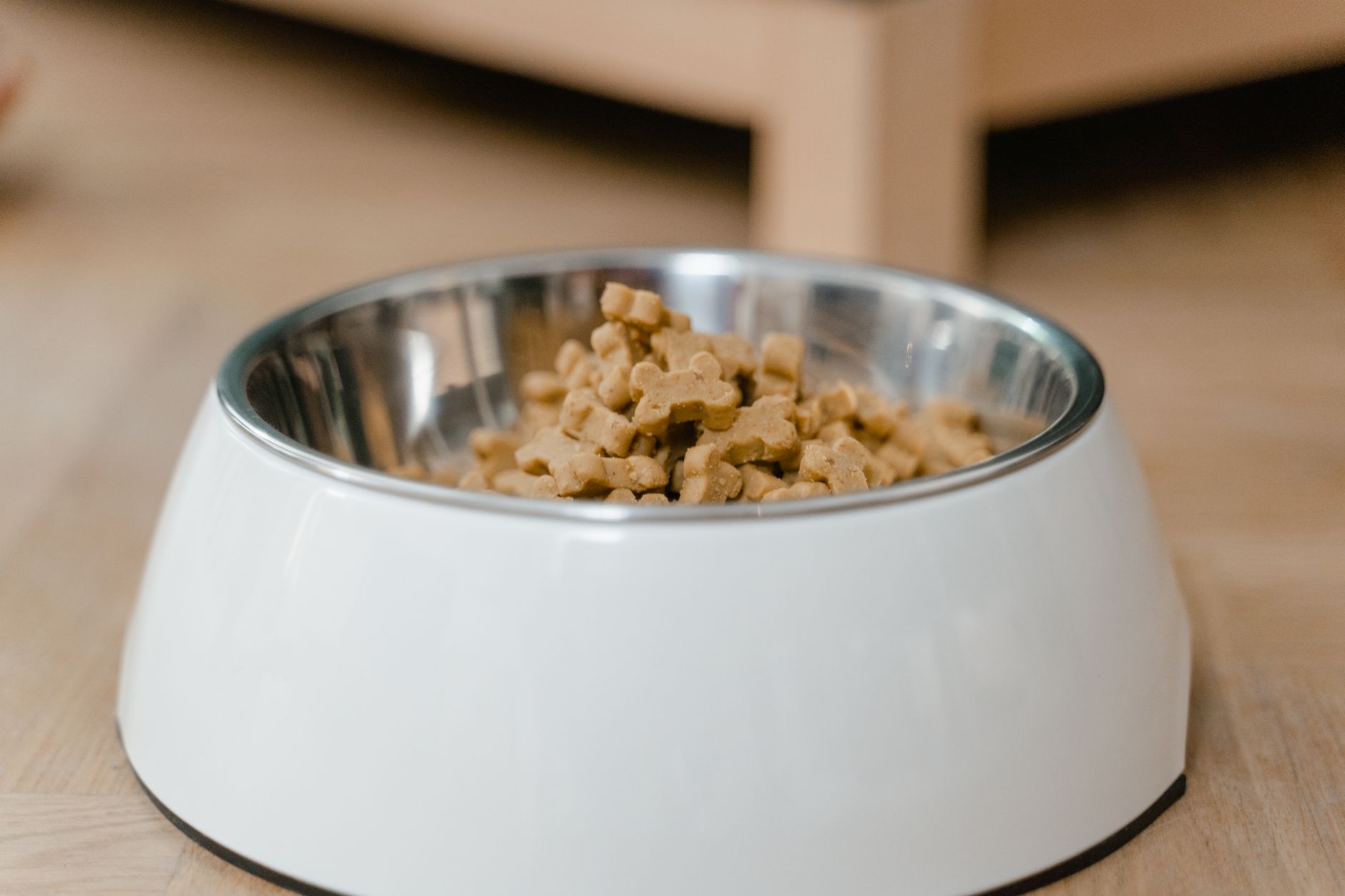
So, you’re thinking about feeding your Beagle raw? I get it. The idea of a “natural” diet, packed with fresh ingredients, sounds amazing, right? Many owners switch hoping for a shinier coat, better digestion, or fewer vet visits. And sure, some dogs thrive on raw. But before you toss out those kibble bags and start prepping those meaty meals, let’s talk about the stuff you *don’t* always hear about. We’re not just talking about the obvious stuff like potential contamination (though we’ll touch on that). I’m talking about the five unexpected downsides that can really trip you up. Trust me, I’ve seen it firsthand with my own pack, and I’ve talked to countless owners who jumped in headfirst without all the facts. This isn’t about scaring you away from raw; it’s about arming you with the honest truth so you can make the *right* decision for your specific Beagle. Let’s get into it.
11 min read
In This Article
- The Nutritional Tightrope: Balancing Act Required
- The Bacterial Battlefield: Risk of Contamination
- The Financial Fray: It’s Not Always Cheaper
- Digestive Distress: The Transition Turbulence
- The Bone Broth & Beyond: Understanding Bone Safety
- The Social Sacrifice: Potential for Behavioral Issues
- Frequently Asked Questions
Key Takeaways
- The Nutritional Tightrope: Balancing Act Required
- The Bacterial Battlefield: Risk of Contamination
- The Financial Fray: It’s Not Always Cheaper
- Digestive Distress: The Transition Turbulence
The Nutritional Tightrope: Balancing Act Required
Feeding raw isn’t as simple as just throwing meat, bones, and organs into a bowl. Your Beagle, like any dog, needs a carefully balanced diet. This means getting the right ratio of protein, fat, carbohydrates, vitamins, and minerals. Getting this wrong can lead to serious health problems down the line. For instance, an imbalance in calcium and phosphorus is a huge concern, especially for growing puppies and older dogs. Too little calcium can lead to rickets, while too much can cause bone issues. A common mistake I see is relying too heavily on muscle meat, which is often deficient in essential minerals like calcium and certain vitamins. A well-balanced raw diet typically follows a 80-10-10 rule: 80% muscle meat, 10% edible bone, and 10% organ meat (with half of that being liver). Deviating from this can cause problems. I remember a client whose dog developed severe dental issues because their raw diet was too soft and lacked the necessary bone content for natural teeth cleaning.
Furthermore, relying on pre-made commercial raw diets can also be a gamble. While convenient, not all brands are created equal. Some might not provide complete and balanced nutrition according to AAFCO (Association of American Feed Control Officials) standards, even if they claim to. A study published in the Journal of the American Veterinary Medical Association back in 2018 analyzed several popular commercial raw diets and found significant variations in nutrient profiles, with some falling short on key vitamins and minerals. If you’re going the DIY route, you’re essentially becoming a nutritionist for your dog. This requires extensive research, careful sourcing of ingredients, and often, consultation with a veterinary nutritionist. It’s a commitment that many owners underestimate, leading to deficiencies that can manifest as dull coats, lethargy, or even more severe skeletal problems over time. Are you prepared for that level of nutritional oversight?
Are you prepared for that level of nutritional oversight?
The Bacterial Battlefield: Risk of Contamination
This is probably the most talked-about downside, and for good reason. Raw meat, by its very nature, can harbor harmful bacteria like Salmonella, E. coli, and Listeria. For your Beagle, these bacteria can cause severe gastrointestinal upset, leading to vomiting, diarrhea, and dehydration. In some cases, it can even be life-threatening. But the risk isn’t just to your dog. Humans in the household can also become ill, especially young children, the elderly, or individuals with compromised immune systems. Think about it: preparing raw meat means handling it, and then your dog is eating it, potentially spreading bacteria through saliva, feces, or even just by licking surfaces. Proper hygiene is absolutely paramount, but even with meticulous cleaning, the risk is never zero. I’ve heard horror stories from people who thought they were being careful, only to have a family member get sick. It’s a constant battle to ensure food safety in a raw-fed household.
The FDA has also weighed in, issuing warnings and guidance on the risks associated with feeding raw pet food. They’ve conducted numerous recalls of commercial raw pet food products due to bacterial contamination. For example, between 2012 and 2019, the FDA recalled over 100 different raw pet food products due to contamination with Salmonella or Listeria. This isn’t just a theoretical risk; it’s a documented problem. Even if you source high-quality, human-grade ingredients, the raw food itself can become contaminated during processing or handling before it even reaches your kitchen. Freezing meat can kill some bacteria, but it’s not a foolproof method. I always recommend a strict regimen of washing hands thoroughly after handling raw food, disinfecting all surfaces, bowls, and utensils, and never allowing your dog to lick faces or share food directly from your plate. It’s a significant lifestyle change that requires constant vigilance. Are you ready for this level of sanitation?
Are you ready for this level of sanitation?
The Financial Fray: It’s Not Always Cheaper
Many people switch to raw food thinking it’s a cost-saving measure, especially compared to premium kibble. And sometimes, if you’re buying in bulk from a local butcher or raising your own livestock (which, let’s be honest, most of us aren’t!), it *can* be cheaper. However, for the average pet owner, feeding a high-quality, balanced raw diet can actually be significantly more expensive. Let’s break it down. A good quality commercial raw food diet can cost anywhere from $3 to $8 per pound, depending on the brand and ingredients. For a medium-sized Beagle, you might be feeding anywhere from 0.5 to 1 pound of food per day. That adds up quickly! If you’re feeding 0.75 pounds per day at $5 per pound, you’re looking at over $1,100 per year just for food. That’s more than many premium kibbles, which can often be found for $50-$70 for a 30-pound bag, lasting a month or more.
Even if you’re making your own raw food, the cost of sourcing specific cuts of meat, organ meats, and appropriate bone sources can be surprisingly high. You might need to buy larger quantities than you can use immediately, leading to spoilage or requiring significant freezer space. Then there’s the cost of supplements. As we discussed, achieving nutritional balance can be tricky, and you might find yourself needing to add specific vitamin or mineral supplements to ensure your Beagle is getting everything they need. These aren’t cheap. Add to that the potential for increased veterinary costs if something goes wrong due to nutritional deficiencies or bacterial infections, and the financial picture can shift dramatically. I’ve seen owners start on raw with the best intentions, only to be shocked by the monthly food bill, or worse, by unexpected vet expenses. It’s crucial to do a realistic cost analysis for your specific situation before making the switch. Have you factored in the potential for increased freezer costs or specialized equipment?
Have you factored in the potential for increased freezer costs or specialized equipment?
Digestive Distress: The Transition Turbulence
Switching your Beagle to a raw food diet isn’t usually a simple swap-out. Abruptly changing their food can lead to significant digestive upset. Think vomiting, diarrhea, and general tummy troubles. This is because their digestive system is accustomed to processing kibble, and introducing raw meat, bones, and organs requires a different set of enzymes and gut bacteria. A gradual transition is essential, typically taking anywhere from 7 to 14 days, sometimes longer. This involves slowly increasing the proportion of raw food while decreasing the kibble. Even with a slow transition, some dogs will experience loose stools or gas as their bodies adjust. This can be unsettling for both the dog and the owner. I recall a friend who tried to switch her Beagle cold-turkey. The poor dog was miserable for days, and she almost gave up entirely on raw feeding because she thought her dog just couldn’t handle it.
Beyond the initial transition, some dogs may simply not tolerate raw food well, regardless of how it’s introduced. Their digestive systems might be too sensitive, or they might have underlying health issues that make raw feeding inappropriate. Some owners report that their dogs experience more frequent bouts of pancreatitis or other digestive issues on a raw diet. This isn’t to say all dogs will have problems, but it’s a risk you need to be prepared for. It requires patience, careful observation, and a willingness to adjust the diet if your dog isn’t doing well. You might need to experiment with different protein sources, bone types, or even pre-digested supplements to find what works. This trial-and-error process can be frustrating and time-consuming. If your Beagle has a sensitive stomach currently, are you prepared for a potentially prolonged period of digestive upset?
The Bone Broth & Beyond: Understanding Bone Safety
While edible bones are a key component of many raw diets, providing essential calcium, phosphorus, and helping with dental health, they also present risks. Cooked bones are a definite no-go – they become brittle and can splinter, causing choking hazards or internal perforations in the digestive tract. Even raw bones, if not the right size or type, can be problematic. Large, dense bones can be too hard for a Beagle’s teeth, potentially leading to fractured teeth. I’ve seen this happen, and dental repairs can be incredibly expensive. Smaller, softer bones like chicken or turkey necks and wings are generally safer for Beagles, but supervision is still crucial. You don’t want your dog trying to swallow a whole bone or a large chunk of it.
Another concern is the risk of intestinal blockage. If a dog swallows too large a piece of bone, or if the bones are too dense for their digestive system to break down properly, it can cause a serious blockage requiring emergency surgery. This is a particularly concerning risk for smaller breeds or dogs that tend to gulp their food. Furthermore, the quality of the bone matters. Bones from diseased animals could potentially transmit diseases. While less common with commercially sourced bones, it’s something to be aware of. Many veterinary organizations, including the AVMA (American Veterinary Medical Association), advise caution regarding feeding raw bones due to these risks. They often recommend alternatives like dental chews or specific types of ground bone in commercial raw diets that have been processed for safety. Have you considered the specific types and sizes of bones that would be appropriate and safe for your Beagle’s jaw structure and chewing habits?
The Social Sacrifice: Potential for Behavioral Issues
This is a less frequently discussed, but very real, downside. Feeding raw, especially large raw meaty bones, can sometimes trigger or exacerbate resource guarding behaviors in dogs. Beagles, while generally friendly, can certainly develop possessive tendencies, and a high-value raw bone can become a prime target for guarding. Your dog might growl, snap, or even bite if another dog or a human gets too close while they’re enjoying their bone. This can create tension in the household and make interactions with other pets or even family members stressful. I’ve seen perfectly well-behaved dogs turn into little dragons over a prized raw bone. It requires careful management and training to mitigate this risk, and for some dogs, it might mean limiting access to certain types of raw food.
Resource guarding isn’t the only behavioral concern. Some owners report that their dogs become more “prey-driven” or intense when on a raw diet. This isn’t necessarily a bad thing for all dogs, but it can be a challenge if you’re looking for a calm companion. The increased protein and fat content, combined with the natural instinct to “hunt” and “tear” at food, can lead to a more driven and focused dog. For a Beagle, who already has a strong prey drive due to their scent-hound heritage, this can amplify their chasing instincts. This means more diligent training around squirrels, cats, and other small animals is often necessary. It’s not a guarantee, but it’s a potential side effect that requires awareness. Have you considered how your Beagle’s current temperament might be affected by a diet that taps into more primal instincts?
So, what’s the takeaway? Raw feeding for your Beagle isn’t a magic bullet, and it comes with a significant set of challenges that go beyond just preparing the food. The potential for nutritional imbalances, bacterial contamination, higher costs, digestive upset, bone-related injuries, and even behavioral changes are all very real considerations. Before you commit, I strongly recommend doing a deep dive into reputable resources like the FDA’s pet food safety pages and consulting with a veterinary nutritionist. If you decide raw is the path for you, start slow, be meticulous with hygiene, and monitor your Beagle like a hawk for any signs of trouble. My personal recommendation? For most Beagle owners, a high-quality, commercially produced kibble or gently cooked diet that is AAFCO-approved offers a safer, more balanced, and often more practical approach. It allows you to provide excellent nutrition without the significant risks and intensive management required for raw feeding. Always prioritize your dog’s health and your family’s safety above dietary trends.
Small changes, real momentum
Get practical guides and templates you’ll actually use — a few thoughtful emails a month.
Frequently Asked Questions
Is raw food always more expensive than kibble?
Not necessarily, but it often is for the average pet owner. While bulk purchasing or DIY sourcing *can* be cheaper, high-quality commercial raw diets typically cost $3-$8 per pound. For a Beagle, this can easily exceed $1,000-$1,500 annually, often surpassing the cost of premium kibble, which might cost $50-$70 for a 30-pound bag that lasts a month. Factor in potential supplement costs and increased freezer space, and the financial outlay can be substantial.
How do I prevent my Beagle from getting sick from raw food?
The key is rigorous hygiene and careful handling. This includes thorough handwashing after preparing or handling raw food, disinfecting all surfaces, bowls, and utensils, and preventing your dog from licking faces or sharing your food. Freezing meat can reduce bacterial load, but it’s not a complete solution. Always source your raw ingredients from reputable suppliers and be aware of potential recalls for commercial raw diets.
Can my Beagle’s digestive system handle raw food if they have a sensitive stomach?
This is a critical point. If your Beagle already struggles with digestive issues, transitioning to raw food can be particularly challenging and may exacerbate their problems. A slow transition over 7-14 days is crucial, but even then, some dogs may experience prolonged vomiting or diarrhea. It’s often best to consult with a veterinary nutritionist to assess if raw feeding is appropriate for a dog with a sensitive stomach, and if so, how to manage it safely.
Are there any breeds that shouldn’t eat raw food?
While specific breed contraindications are rare, dogs with compromised immune systems, very young puppies, or elderly dogs may be at higher risk from potential bacterial contamination. Dogs with pre-existing digestive issues or those prone to pancreatitis might also struggle with raw diets. It’s always best to discuss your dog’s individual health status with your veterinarian before making a significant dietary change.
What are the biggest risks of feeding raw bones?
The primary risks associated with feeding raw bones include choking hazards, fractured teeth (especially with hard, dense bones), and internal injuries like perforations or blockages in the digestive tract. Cooked bones are extremely dangerous as they splinter easily. Even with raw bones, constant supervision is essential, and selecting appropriate sizes and types of bones for your Beagle is critical to minimize these risks.
Keep reading
For the Love of Your Pet
Care guides, breed insights, and gentle advice for happier pets.