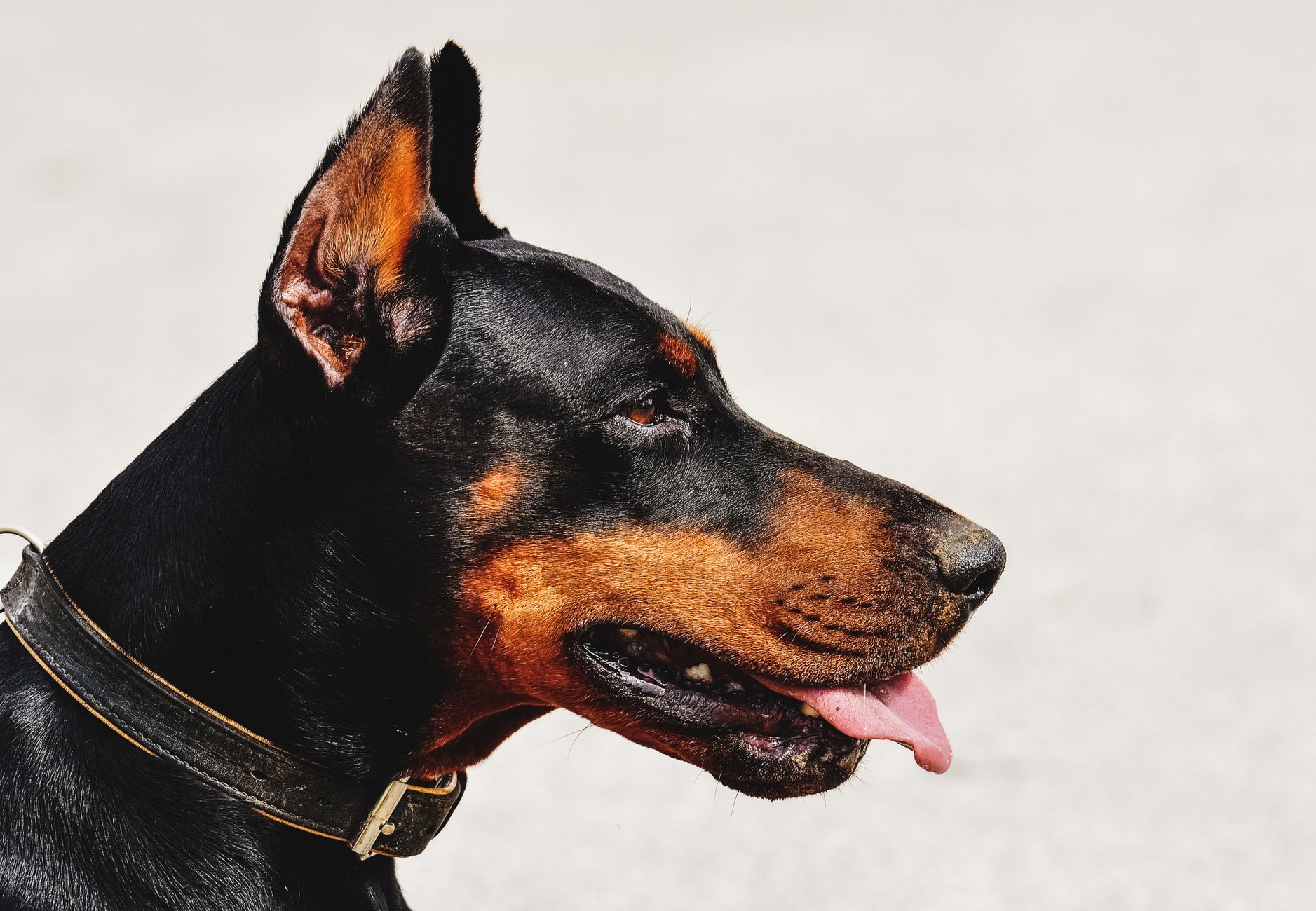
What Makes a Guard Dog Suitable for Families with Kids?
You want a dog that will protect your children with its life, but you also need a dog that won’t accidentally knock them over, snap at a toddler’s grab, or turn every visit from the neighbor’s kid into a high-stakes standoff. That’s the real challenge of finding a guard dog for a family — and most articles gloss right over it.
Disclosure: This post contains affiliate links. If you click through and make a purchase, we may earn a small commission at no extra cost to you. Thank you for supporting this site!
The truth is, the vast majority of guard dog breeds were developed to work alongside humans, not just sit in a kennel and look intimidating. The breeds that excel as family protectors share three non-negotiable traits: they are biddable (eager to follow your commands), stable in temperament (not overly reactive), and naturally gentle with children when properly socialized. A dog that’s too hard, too nervous, or too independent will fail as both a guard dog and a family pet.
Here’s the practical framework you need: a family guard dog must distinguish between a genuine threat and a delivery driver, between a playful wrestle and an attack, and between a stranger at the door and a stranger at the park. That requires intelligence, impulse control, and a handler (you) who commits to consistent training from day one.
This article gives you a candid, breed-by-breed comparison of the best guard dogs for families with kids. You’ll get specific breed profiles, a side-by-side comparison table, training tips that actually work, product recommendations with real prices, and answers to the questions that keep parents up at night. No fluff, no baby talk — just straight talk from someone who’s been in the kennel and on the training field.
Top Guard Dog Breeds for Families: At-a-Glance Comparison
Before we dive deep into each breed, here’s a quick-reference table so you can compare the most important factors side by side. Use this as your starting point, then read the detailed breakdown below to narrow your choice.
| Breed | Size (Weight) | Temperament | Trainability | Kid-Friendliness | Guard Instinct | Grooming Needs | Daily Exercise |
|---|---|---|---|---|---|---|---|
| German Shepherd | 50–90 lbs | Confident, loyal, alert | Excellent | High (with training) | Very High | High (sheds heavily) | 60–90 minutes |
| Golden Retriever | 55–75 lbs | Gentle, patient, friendly | Excellent | Very High | Moderate (alert, not aggressive) | High (sheds heavily) | 45–60 minutes |
| Boxer | 55–70 lbs | Energetic, playful, patient | Good | Very High | High | Low (short coat) | 60–90 minutes |
| Bullmastiff | 100–130 lbs | Calm, affectionate, fearless | Moderate | High | Very High | Low (short coat) | 30–45 minutes |
| Standard Poodle | 45–70 lbs | Smart, alert, versatile | Excellent | High | Moderate-High | High (professional grooming) | 45–60 minutes |
| Bernese Mountain Dog | 70–115 lbs | Calm, gentle, loyal | Good | Very High | Moderate (deep bark, low aggression) | High (sheds heavily) | 45–60 minutes |
Breed-by-Breed Breakdown: Which One Fits Your Family?
Every breed in the table above can work as a family guard dog, but they differ dramatically in energy level, training approach, and daily management. Here’s what you need to know before you choose.
German Shepherd
The German Shepherd is the gold standard for a reason. You get a dog that’s incredibly trainable, fiercely loyal, and naturally protective of its family. This breed consistently ranks as one of the most intelligent working dogs, which means it thrives when given a job — whether that’s guarding the backyard or learning complex obedience routines.
The upside for families with kids: German Shepherds are patient and gentle with children they’re raised with. They’re also highly aware of their surroundings, so they’ll position themselves between a child and a perceived threat without being told. This is not a breed that will ignore a stranger at the gate.
The real-world challenge: This breed requires a significant time investment. You need 60 to 90 minutes of focused exercise daily, plus mental stimulation like puzzle toys, scent work, or advanced training. Without it, you’ll get a destructive, anxious dog. German Shepherds also shed — a lot. Expect to vacuum every day and invest in a quality robot vacuum like the iRobot Roomba j7+ ($599) or at least a FURemover Pet Hair Remover ($14.99) for furniture.
Who it’s right for: Active families with older children (ages 6+) who have time for daily training sessions. First-time owners can succeed with this breed, but only if they commit to professional obedience classes.
Product recommendation: For training, use Zuke’s Mini Naturals Training Treats ($7.99 per bag) — they’re small, low-calorie, and perfect for frequent rewards during guard training exercises.
Golden Retriever
Yes, the Golden Retriever makes this list. Most people forget that a guard dog doesn’t have to be a lunging, snarling protection dog. A family guard dog’s primary job is to alert you to danger and, when necessary, physically intervene. Goldens do both, but they do it with a soft mouth and a wagging tail.
The upside for families with kids: Golden Retrievers are arguably the best all-around family dogs on the planet. They have an extraordinary tolerance for the chaos of children — the grabbing, the pulling, the loud noises. They’re also highly trainable and eager to please, which makes teaching reliable recall and “place” commands straightforward.
The real-world challenge: Goldens are too friendly for traditional guard work. They might alert you to a stranger, but they’ll probably also bring that stranger a tennis ball. Their guard instinct is more about alert barking than physical protection. If you want a dog that will actively deter an intruder, the Golden alone may not be enough.
Who it’s right for: Families with toddlers or babies who want a gentle, patient dog that will still bark at unusual noises. Pair a Golden with a good home security system if protection is your top priority.
Product recommendation: Invest in a Furbo 360 Dog Camera ($149.99) so you can see what your Golden is barking at when you’re not home — and toss treats remotely to reward calm behavior.
Boxer
The Boxer is a high-energy, playful breed that looks imposing but is famously patient with children. They were originally bred as working dogs and have a strong protective instinct, but they’re also known as the “Peter Pan” of dogs because they never fully grow up.
The upside for families with kids: Boxers are exceptionally tolerant of rough play and have a natural affinity for children. They’ll let a toddler climb on them, and they’ll still wag their tail the whole time. Their protective instinct is real — they’ll place themselves between a child and a stranger without hesitation.
The real-world challenge: Boxers are high-energy and need consistent exercise. They’re also prone to separation anxiety if left alone for long hours. This breed can be stubborn during training, so you need to be consistent and firm but never harsh. Boxers also have a relatively short lifespan (8–10 years) and are prone to cancer and heart conditions.
Who it’s right for: Active families with children ages 5 and up who want a playful, protective dog and have time for daily exercise. Not ideal for families who are away from home for 8+ hours a day.
Product recommendation: A Kong Classic Dog Toy ($12.99) stuffed with peanut butter is essential for keeping a Boxer mentally occupied. Freeze it for a longer challenge.
Bullmastiff
The Bullmastiff is the quiet guardian of the group. This breed was developed to silently track and pin poachers, not to bark endlessly. They’re massive, but they’re also calm, affectionate, and remarkably gentle with children when properly raised.
The upside for families with kids: Bullmastiffs have an incredibly low energy level for such a large dog. They’ll happily lounge around the house while kids crawl over them. Their protective instinct is deep and natural — a Bullmastiff doesn’t need to be trained to guard; it’s bred in. An intruder sees a 120-pound dog with a deep chest and a serious face, and they usually leave.
The real-world challenge: Size matters. A Bullmastiff can accidentally knock over a small child with a single tail wag. You also need to invest in proper training early to ensure they don’t become overly protective. This breed can be dog-aggressive if not socialized well. They also drool — a lot. Keep a towel handy at all times.
Who it’s right for: Families with older children (ages 8+) who have a big house and a securely fenced yard. Not for first-time owners. Bullmastiffs need a confident handler who can manage a dominant breed.
Product recommendation: You’ll need a heavy-duty crate like the MidWest iCrate Double Door Dog Crate in 48-inch ($129.99) to house a Bullmastiff safely. Also, stock up on Out! Pet Stain and Odor Remover ($8.99) for inevitable drool and slobber cleanup.
Standard Poodle
The Standard Poodle is the smartest dog in this list, and that intelligence makes it an exceptional family guard dog. Poodles were originally bred as water retrievers, but they’ve become versatile working dogs in therapy, service, and protection roles.
The upside for families with kids: Standard Poodles are highly trainable, alert, and naturally protective of their family. They’re also hypoallergenic, which is a huge advantage for families with allergies. Poodles are incredibly patient with children and have a playful, goofy side that kids love. They’ll bark to alert you to strangers, and they’re large enough to be a deterrent.
The real-world challenge: Poodles need significant mental stimulation. A bored Poodle can become destructive and neurotic. They also require professional grooming every 4–6 weeks, which costs $50–$90 per session. Their coat mats easily if not brushed daily.
Who it’s right for: Families with children of any age who want a highly trainable, hypoallergenic guard dog. Great for first-time owners who are willing to commit to training and grooming. Pair a Poodle with a Chris Christensen Big G Slicker Brush ($52.99) for daily coat maintenance.
Product recommendation: For mental stimulation, use the Nina Ottosson Dog Tornado Puzzle Toy ($34.99). It’s excellent for occupying a Poodle’s sharp mind.
Bernese Mountain Dog
The Bernese Mountain Dog is a gentle giant who
For the Love of Your Pet
Care guides, breed insights, and gentle advice for happier pets.