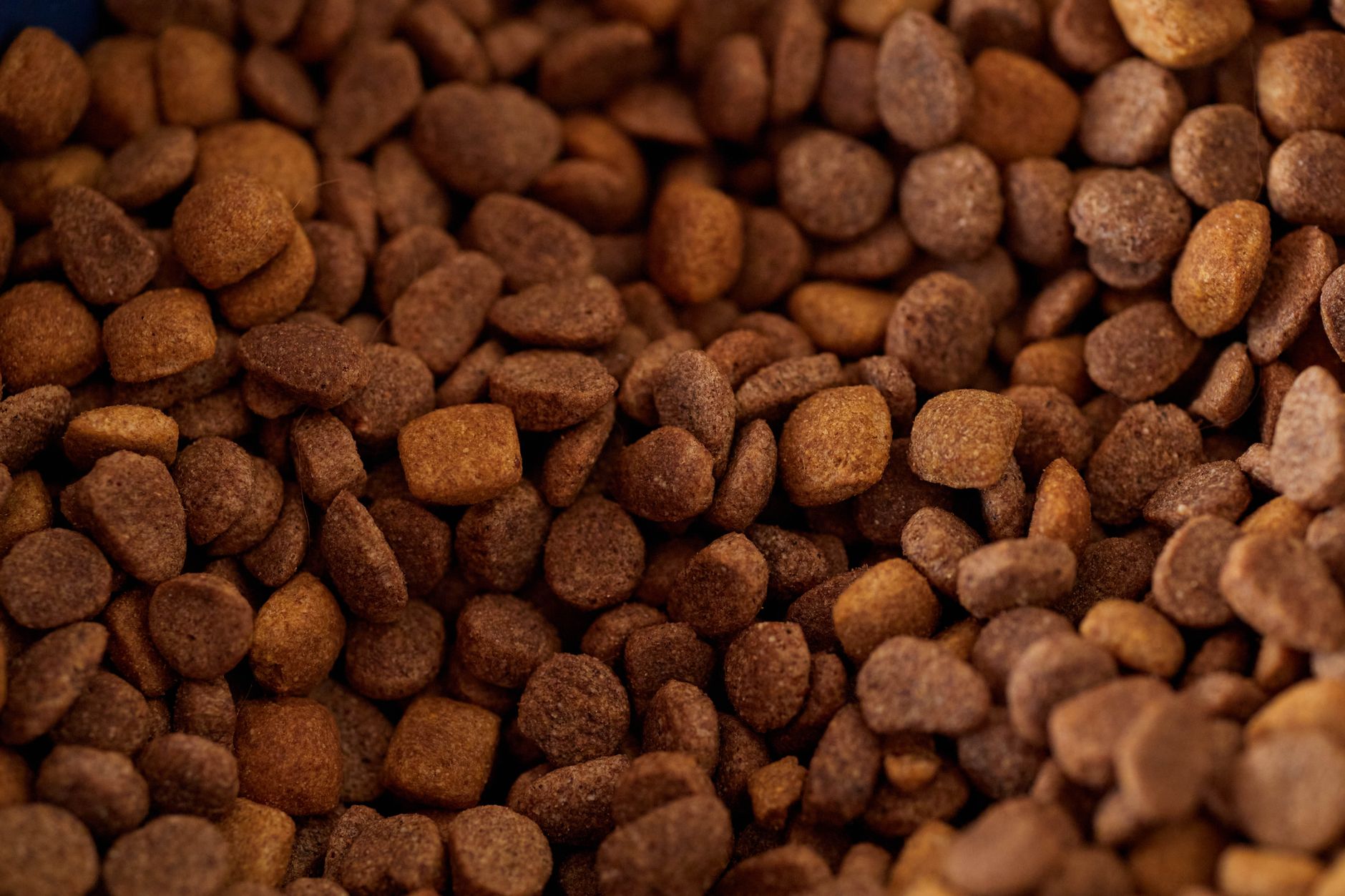
So, you’ve welcomed a bouncing ball of puppy energy into your home, and now you’re staring down the aisle at the dog food section, utterly bewildered. Kibble or wet food? It feels like a monumental decision, and honestly, it kind of is. Your puppy’s rapid growth phase, from a tiny fluffball to a nearly-adult dog in what feels like mere months, is heavily influenced by what’s in their bowl. Get it wrong, and you might be dealing with more than just a picky eater; you could be looking at digestive upset, poor nutrient absorption, or even long-term health issues. I’ve been there, staring at two bags, one crunchy and one suspiciously meaty, wondering which one would *actually* give my new best friend the best start. Let’s cut through the marketing fluff and get down to what really matters for your growing pup: nutrition, digestibility, and yes, even taste.
11 min read
In This Article
Key Takeaways
- The Nutritional Showdown: Kibble vs. Wet Food
- Digestibility: The Gut Feeling
- Palatability: Will They Actually Eat It?
- Cost of Ownership: Budgeting for Your Pup
The Nutritional Showdown: Kibble vs. Wet Food
When we talk about puppy nutrition, we’re talking about a very specific set of needs. Puppies aren’t just small dogs; they’re growing machines, requiring higher levels of protein, fat, vitamins, and minerals than adult dogs. The Association of American Feed Control Officials (AAFCO) sets nutrient profiles for puppy foods, and reputable brands adhere to these standards. But how do kibble and wet food stack up in delivering these essential building blocks?
Kibble, the dry, crunchy stuff, typically has a lower moisture content – usually around 10%. This means it’s more nutrient-dense by volume. A cup of kibble might contain more calories and protein than a cup of wet food. Many kibbles are formulated with a precise balance of carbohydrates, fats, and proteins, often using ingredients like chicken meal, lamb, or fish as primary protein sources. They also usually contain added vitamins and minerals to meet AAFCO standards for growth. For example, a high-quality puppy kibble like Orijen Puppy or Blue Buffalo Life Protection Formula Puppy will clearly list its guaranteed analysis, showing protein percentages often in the 28-32% range, and fat around 18-20%. The dry nature also aids in dental health by helping to scrape plaque off teeth, though this effect is often overstated and shouldn’t replace dental care.
Wet food, on the other hand, can contain up to 75-80% moisture. While this makes it incredibly palatable and can help keep dogs hydrated, it also means you need to feed a larger volume to get the same amount of nutrients as kibble. This can be a double-edged sword. For puppies prone to dehydration or those who struggle to drink enough water, wet food can be a godsend. However, the higher moisture content means less concentrated nutrients. A typical wet puppy food might have protein levels around 8-10% and fat around 5-7% on an ‘as fed’ basis. To match the protein of 1 cup of kibble (say, 30g of protein), you might need to feed 3-4 cans (around 13oz each) of wet food. Brands like Wellness Complete Health Puppy Pate or Nulo Freestyle Puppy Turkey & Salmon Recipe are popular choices, often featuring meat as the first few ingredients and fewer fillers. The higher palatability can be a huge plus for fussy eaters, but it also means it can be easier to overfeed, potentially leading to weight gain if portion control isn’t strict.
To match the protein of 1 cup of kibble (say, 30g of protein), you might need to feed 3-4 cans (around 13oz each) of wet food.
Digestibility: The Gut Feeling
A puppy’s digestive system is still developing, making them particularly susceptible to tummy troubles. This is where digestibility becomes a critical factor. We want foods that are easy to break down and absorb, minimizing waste and maximizing nutrient uptake. Both kibble and wet food have pros and cons here, and it often comes down to the specific ingredients and formulation.
Generally, high-quality kibble, especially those with easily digestible protein sources like deboned chicken or lamb, and limited fillers, can be very digestible. The manufacturing process for kibble involves extrusion, which cooks the ingredients under pressure. This process can actually improve the digestibility of starches and proteins. However, some puppies can struggle with the carbohydrates or grains found in certain kibbles. If a puppy has a sensitive stomach, a grain-free kibble or one with novel protein sources might be a better choice. Brands often use prebiotics and probiotics in kibble formulations to support gut health, which is a definite plus. For instance, many formulas include ingredients like beet pulp or chicory root for fiber and beneficial bacteria strains. Observing your puppy’s stool is your best indicator: firm, consistent, and not excessive amounts of waste usually signal good digestibility.
Wet food often shines in the digestibility department for some puppies, especially those with very sensitive stomachs or specific allergies. The higher moisture content can make the food softer and easier to break down. Many wet foods also have a higher meat content and fewer carbohydrates than some kibbles, which can be beneficial for puppies who don’t tolerate grains or starches well. However, the fats in wet food can sometimes be less stable due to the processing, and some lower-quality wet foods might contain artificial thickeners or excessive fillers that can cause digestive upset. If you’re opting for wet food, look for simple ingredient lists with recognizable protein sources and minimal artificial additives. A puppy experiencing vomiting or diarrhea might benefit from a switch to a carefully selected, highly digestible wet food, but it’s always best to consult your vet before making drastic changes, especially if the issue is persistent. Remember, what works for one puppy might not work for another; individual tolerance is key.
Remember, what works for one puppy might not work for another; individual tolerance is key.
Palatability: Will They Actually Eat It?
Let’s be honest, if your puppy turns their nose up at their food, all the nutritional benefits in the world won’t matter. Palatability is a huge factor, especially during those crucial early months when they’re still learning to eat solid food and are easily distracted by the exciting world around them. This is where wet food often takes the lead.
The aroma and texture of wet food are typically far more appealing to dogs than dry kibble. The scent of cooked meat is strong and enticing, and the softer texture is easier to manage for young puppies still developing their chewing muscles. Many owners find that even the pickiest eaters will readily devour wet food. This can be a lifesaver when trying to encourage a reluctant puppy to eat or when dealing with a puppy who is recovering from illness and has a reduced appetite. Brands like Purina Pro Plan Development Puppy Chicken & Rice Entrée Classic are known for their high palatability, often making mealtime a much less stressful affair for owners.
Kibble can be less appealing on its own. While many puppies will happily eat good quality kibble, some can become bored with it, especially if it’s the only thing they ever eat. To boost kibble’s appeal, owners often resort to adding toppers – a little bit of wet food, broth, yogurt, or even cooked chicken. While this can work, it’s important to be mindful of the extra calories and potential for creating a “spoiled” eater who will only eat if something extra is added. Some kibble manufacturers also produce “starter” kibbles that are smaller and softer, or they recommend soaking kibble in warm water or broth to soften it and release more aroma, making it more palatable for young puppies. For instance, many owners find soaking Royal Canin Giant Puppy kibble for a few minutes makes it much more appealing to their large breed pups.
For instance, many owners find soaking Royal Canin Giant Puppy kibble for a few minutes makes it much more appealing to their large breed pups.
Cost of Ownership: Budgeting for Your Pup
This is where the decision can get a bit stark. When you look at the price tags, kibble almost always comes out as the more budget-friendly option, especially when you consider the cost per serving.
Let’s crunch some numbers. A 30-pound bag of high-quality puppy kibble, like Hill’s Science Diet Puppy Large Breed, might cost around $50-$60. Depending on your puppy’s size and age, this bag could last anywhere from 3 to 6 weeks. This breaks down to roughly $8-$20 per week. Now, compare that to wet food. A single 13oz can of premium wet puppy food, such as Merrick Lil’ Plates Grain-Free Puppy Plate, can easily cost $3-$4. If your puppy needs, say, two cans per day to get adequate nutrition, you’re looking at $6-$8 *per day*, which quickly adds up to $42-$56 per week. Over the course of a year, feeding exclusively wet food can cost 3-4 times more than feeding a comparable quality kibble. This is a significant difference, and one that prospective puppy owners absolutely need to consider. It’s not just about the initial purchase; it’s about the ongoing commitment.
However, there are ways to mitigate costs. Many owners opt for a hybrid feeding approach, using wet food as a topper for kibble. This gives the palatability benefits of wet food without the full expense. You might use a quarter can of wet food per day, costing around $1.50-$2, to enhance a bowl of kibble that costs $1-$2. This hybrid approach can offer a good balance of nutrition, palatability, and affordability. Another strategy is to buy in larger bulk sizes for kibble, which often reduces the per-pound cost, or to look for sales and loyalty programs at your local pet supply store. If budget is a major concern, a high-quality kibble is likely your most sustainable option for a growing puppy.
Convenience and Storage: The Practicalities
Beyond nutrition and cost, the day-to-day realities of feeding your puppy matter. How easy is it to store, prepare, and clean up after? This is another area where kibble generally wins out for sheer convenience.
Kibble is incredibly easy. You scoop it, pour it into the bowl, and you’re done. It doesn’t require refrigeration once opened (though it should be stored in an airtight container in a cool, dry place to maintain freshness), and spilled kibble is usually easy to clean up. A 30-pound bag can sit in your pantry for a month or two without significant spoilage. For busy households or owners who travel frequently with their dogs, kibble is the undisputed champion of convenience. There’s no fuss, no mess, and minimal preparation time. Even when traveling, a bag of kibble is far easier to transport than multiple cans of wet food.
Wet food, while delicious for puppies, presents more logistical challenges. Once opened, cans or pouches of wet food *must* be refrigerated. Any uneaten portion needs to be covered and stored in the fridge, and it’s generally recommended to use opened wet food within 2-3 days to prevent bacterial growth. This means having fridge space dedicated to dog food, which can be a consideration for some households. Preparation also involves opening cans or pouches, which can sometimes be messy, and portioning it out. While not difficult, it’s certainly more involved than simply scooping kibble. Cleaning bowls after wet food can also be more critical, as the residue can spoil quickly and attract pests. For owners who value simplicity and speed in their daily routines, these extra steps with wet food might feel like a burden.
Dental Health: A Crunchy Debate
This is a point often brought up in favor of kibble, but it’s worth examining critically. The idea is that the abrasive action of chewing dry kibble helps to clean a puppy’s teeth, reducing plaque and tartar buildup.
It’s true that some kibbles are designed with specific shapes and textures intended to promote mechanical cleaning. For example, brands like Greenies Dental Dog Treats (though not a food, they illustrate the principle) are specifically engineered for this. Some studies have shown that certain kibble formulations can have a mild effect on reducing plaque compared to feeding nothing. However, relying solely on kibble for dental hygiene is, in my experience, a mistake. The actual scraping action is often minimal, especially if a puppy gulps their food down quickly, which many puppies do. The benefits are often outweighed by the potential for carbohydrate-rich kibble to contribute to plaque formation if teeth aren’t otherwise cleaned. Think of it this way: would you rely on eating crackers to keep your teeth clean? Probably not.
Wet food, with its softer texture, offers virtually no mechanical cleaning benefit for teeth. However, this doesn’t mean wet-fed puppies are doomed to poor dental health. The key is that dental health is managed through a combination of factors, not just diet. Regular dental check-ups with your veterinarian, professional cleanings under anesthesia when needed, and regular tooth brushing at home (yes, with a toothbrush and dog-specific toothpaste!) are far more effective than relying on food texture alone. If you choose to feed wet food, or a hybrid diet, you simply need to be more diligent with your at-home dental care routine and professional veterinary care. Don’t let the “dental benefits” of kibble be the sole deciding factor; it’s a minor consideration compared to proper dental hygiene practices.
The Verdict: Which is Best for Your Growing Pup?
So, after weighing all the factors – nutrition, digestibility, palatability, cost, convenience, and dental health – what’s the ultimate recommendation? For most puppies, a high-quality, AAFCO-approved puppy kibble is the most practical and nutritionally complete option. Why? Because it strikes the best balance for the average owner and puppy. Kibble offers a concentrated source of the essential nutrients puppies need for rapid growth, it’s cost-effective, incredibly convenient to store and feed, and generally easy to digest when formulated well. Brands like Purina Pro Plan Puppy, Royal Canin Puppy, or Eukanuba Puppy are often recommended by veterinarians for their rigorous testing and complete nutritional profiles, specifically designed for different life stages and breed sizes. They are formulated to meet the high energy demands of growing puppies without excessive fillers.
However, this isn’t a one-size-fits-all answer. If your puppy has a notoriously sensitive stomach, struggles to gain weight, or is incredibly picky, incorporating wet food can be a fantastic strategy. A hybrid approach, where you use wet food as a palatable topper for kibble, often provides the best of both worlds. It boosts appetite and moisture intake without the prohibitive cost and inconvenience of an all-wet diet. For example, adding 1-2 tablespoons of a high-quality wet puppy food like Wellness CORE Puppy Grain-Free Pate to their daily kibble ration can make mealtime more exciting and ensure they’re getting those vital nutrients. Always remember to adjust the kibble portion slightly to avoid overfeeding if you add wet food. Ultimately, the “best” food is the one that keeps your puppy healthy, happy, growing well, and that you can consistently afford and manage.
Frequently Asked Questions
Q1: Can I feed my puppy only wet food?
Yes, you absolutely can feed your puppy only wet food, provided you choose a formula specifically designed for puppies and that meets AAFCO nutritional standards for growth. Many owners do this, especially for puppies with sensitive stomachs or picky appetites. However, be prepared for a significantly higher cost and the need for careful refrigeration and storage of opened cans. You’ll also need to ensure your puppy is drinking enough water throughout the day, as wet food contributes a large amount of moisture.
Q2: Is it okay to mix kibble and wet food in the same bowl?
Mixing kibble and wet food in the same bowl is a very common and often beneficial practice, known as a hybrid diet. It can increase palatability, making the meal more appealing to your puppy, and can also help increase moisture intake. Just be sure to calculate the total caloric intake to avoid overfeeding, as both components contribute to the overall meal. A good rule of thumb is to slightly reduce the kibble portion if you’re adding a significant amount of wet food, or simply use wet food as a small topper.
Q3: How do I know if my puppy is getting enough nutrients?
The best indicators of adequate nutrition are your puppy’s overall condition and stool quality. A well-nourished puppy will have a healthy, shiny coat, bright eyes, good energy levels, and will grow at an appropriate rate for their breed. Their stools should be consistently firm, moist, and dark brown, without excessive volume or an overly foul odor. If you notice a dull coat, lethargy, poor growth, or persistent diarrhea or constipation, it’s a good idea to consult your veterinarian. They can assess your puppy and recommend dietary adjustments if needed.
Small changes, real momentum
Get practical guides and templates you’ll actually use — a few thoughtful emails a month.
Keep reading
For the Love of Your Pet
Care guides, breed insights, and gentle advice for happier pets.