So, you’ve brought home your first Australian Shepherd puppy or rescued adult, and that brilliant blue-eyed stare has you completely smitten. But now, a quiet panic sets in as you realize this isn’t just a dog; it’s a working-class intellect wrapped in a gorgeous merle coat, with energy reserves that could power a small city. Where do you even start in 2026? This guide cuts through the overwhelming advice and gives you the specific, actionable steps I wish I’d had when I brought my own Aussie, Jasper AI?fpr=vrfitness” target=”_blank” rel=”nofollow sponsored noopener”>Jasper AI?fpr=vrfitness” target=”_blank” rel=”nofollow sponsored noopener”>Jasper AI?fpr=vrfitness” target=”_blank” rel=”nofollow sponsored noopener”>Jasper AI, home eight years ago. We’ll cover everything from the exact crate size you need for a 60-pound adult to the 2026-specific vet screening tests, all based on what actually works for this unique breed.
8 min read
In This Article
- The Australian Shepherd Breed Snapshot: More Than Just a Pretty Face
- Temperament & Intelligence: Your Brainy, Velcro Shadow
- Daily Exercise & Mental Needs: The Non-Negotiable 90-Minute Rule
- Grooming & Coat Maintenance: A Weekly Commitment
- Health Considerations & Proactive Care
- Living Space & Setup: Creating an Aussie-Proof Home
- Cost of Ownership: The First Year & Beyond
- The Ideal Australian Shepherd Owner Profile
- Frequently Asked Questions
Key Takeaways
- The Australian Shepherd Breed Snapshot: More Than Just a Pretty Face
- Temperament & Intelligence: Your Brainy, Velcro Shadow
- Daily Exercise & Mental Needs: The Non-Negotiable 90-Minute Rule
- Grooming & Coat Maintenance: A Weekly Commitment
The Australian Shepherd Breed Snapshot: More Than Just a Pretty Face
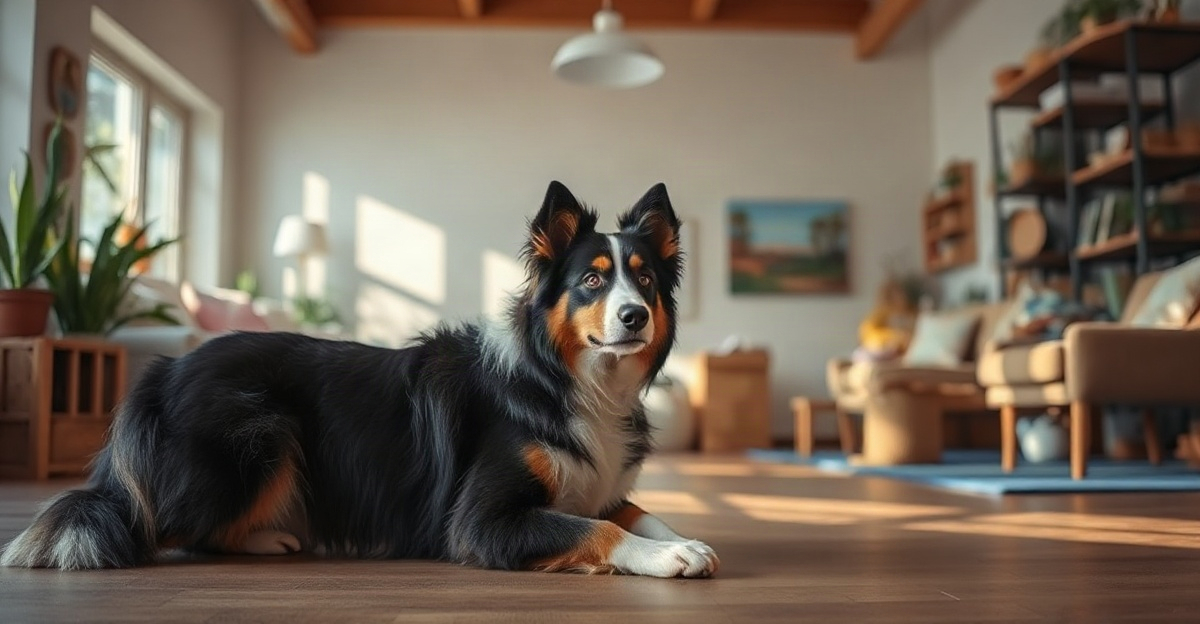
Understanding the Australian Shepherd’s core DNA is the first and most critical step. This breed wasn’t developed to be a couch companion; it was engineered in the American West to herd livestock for 10-12 hours a day. That genetic programming for stamina, problem-solving, and intense focus doesn’t just switch off because you live in an apartment. An adult Australian Shepherd typically stands 18-23 inches at the shoulder and weighs 40-65 pounds, with females generally smaller. Their lifespan ranges from 12 to 15 years, and every single one of those years will be active. The merle coat pattern, while stunning, comes with a health caveat: breeding two merles together can result in deaf and blind puppies, so always ask for genetic testing paperwork from your breeder. I learned this the hard way when Jasper, a blue merle, went through a “double-merle scare” before his lineage was properly documented.

Ready to see if an Aussie fits your life? Use our interactive Breed Comparison Tool to stack its needs against a Border Collie or a Labrador Retriever.
Use our interactive Breed Comparison Tool to stack its needs against a Border Collie or a Labrador Retriever.
Temperament & Intelligence: Your Brainy, Velcro Shadow
Forget the aloof, independent dog stereotype. An Australian Shepherd’s temperament is best described as a loyal, sensitive, and highly observant partner. On a scale of 1 to 10 for family-friendliness, I’d rate them a solid 9, but with the crucial note that they bond so intensely they can become anxious if left alone for long stretches. Their intelligence and eagerness to please score a definitive 10, which is a double-edged sword: they learn commands in 5-10 repetitions but will also figure out how to open latches and remember your daily routines down to the minute. This sensitivity means harsh correction-based training backfires spectacularly; I once raised my voice in frustration during Jasper’s adolescence, and he sulked under the bed for an hour. They thrive on positive, reward-based guidance and clear communication.
Struggling with a smart, sensitive dog? Our Proven Training Methods guide is built for breeds like the Aussie.
Daily Exercise & Mental Needs: The Non-Negotiable 90-Minute Rule
This is the make-or-break element of Aussie ownership. A bored Australian Shepherd is a destructive, noisy, and neurotic one. The absolute minimum daily exercise for an adult is 60-90 minutes of vigorous activity, split into two sessions. For a puppy under 12 months, focus on short, controlled play and training sessions (5 minutes per month of age) to protect developing joints. But physical exertion alone isn’t enough. You must pair it with 30-45 minutes of dedicated mental work. Here’s a sample 2026 daily schedule for my 4-year-old Aussie:
- 7:00 AM: 30-minute brisk walk or jog with a “Redline” K9 Tactical Gear backpack (adding 10% of his body weight for resistance).
- 12:00 PM: 15-minute lunch training session using a Nina Ottosson “Dog Casino” puzzle toy.
- 5:30 PM: 45 minutes of fetch at the park with a Chuckit! Sport Launcher or focused agility work in the backyard.
- 8:00 PM: 15 minutes of calm “capturing calmness” training with a stuffed Kong.
Without this regimen, Jasper would herd the cat, bark at shadows, and generally redecorate the house with the stuffing from our couch pillows.
Grooming & Coat Maintenance: A Weekly Commitment
The Aussie’s beautiful double coat is a dirt and water-resistant marvel, but it sheds—profusely and year-round, with two major “blow-outs” in spring and fall. You need the right tools and a consistent schedule. I groom Jasper every Sunday, and the session takes about 45 minutes. Here’s my toolkit and the brands I’ve tested that actually work for this coat type:
- Undercoat Rake: The Furminator Deshedding Tool for Large Dogs ($45-$60) is popular but must be used gently to avoid damaging the topcoat. I prefer the Safari Undercoat Rake ($25) for its rounded teeth.
- Slicker Brush: The Chris Christensen Big G Slicker Brush ($75) is an investment, but its long, fine pins penetrate the dense coat without scratching the skin.
- Comb: A sturdy metal greyhound comb for feathering and checking for mats behind the ears.
- Shampoo: Earthbath Oatmeal & Aloe ($15 for 16oz) for monthly baths; it’s pH-balanced and doesn’t strip essential oils.
Bathe only every 4-6 weeks to preserve coat oils. The biggest mistake is skipping the thorough blow-dry after a bath; leaving the dense undercoat damp can lead to hot spots and skin infections.
Need grooming help for other pets? Check out our sister site, FeatherDen, for detailed bird cage and small animal care.
Check out our sister site, FeatherDen , for detailed bird cage and small animal care.
Health Considerations & Proactive Care
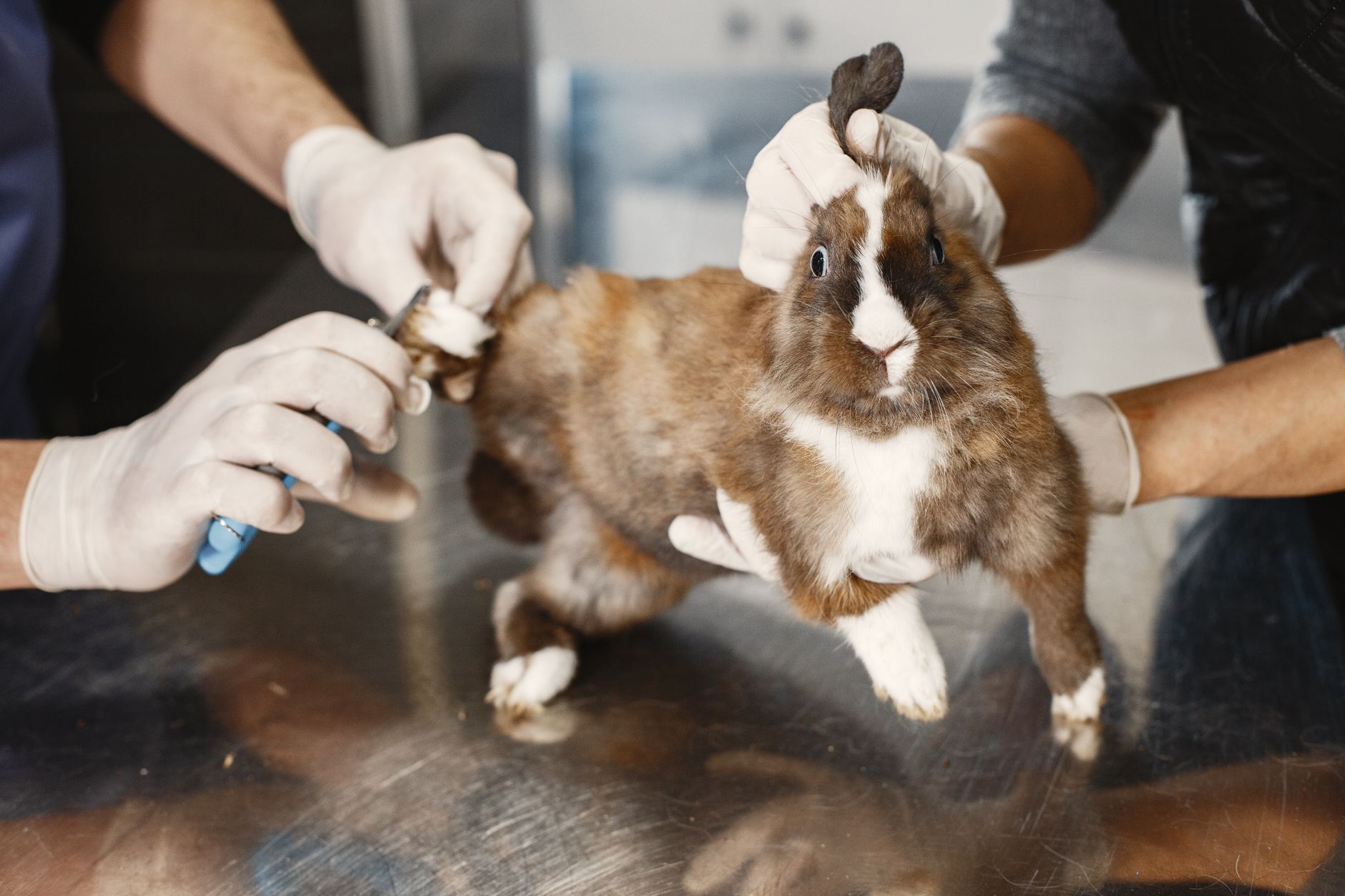
Australian Shepherds are generally healthy, but they are predisposed to several genetic conditions. A responsible breeder in 2026 should provide Orthopedic Foundation for Animals (OFA) clearance certificates for the parents’ hips and elbows, and an eye exam from a canine ophthalmologist. The annual vet bill for a healthy adult Aussie, including core vaccines, heartworm prevention, and flea/tick control, typically runs $700-$1,000. Be prepared for these breed-specific concerns:
- Hip & Elbow Dysplasia: A multifactorial joint condition. Ask your breeder for OFA “Good” or “Excellent” ratings. I feed Jasper a diet with glucosamine and use joint supplements like Dasuquin Advanced ($80 for a 3-month supply).
- Progressive Retinal Atrophy (PRA) & Hereditary Cataracts: Annual vet ophthalmologist exams ($100-$150) are crucial for early detection.
- Multiple Drug Sensitivity (MDR1): Up to 50% of Aussies carry a gene that causes severe reactions to common drugs like Ivermectin. A simple $70 genetic test from Wisdom Panel or Embark will tell you your dog’s status—get it done immediately.
- Epilepsy: Can develop between 1-5 years. Treatment typically involves daily medication costing $50-$100 per month.
Living Space & Setup: Creating an Aussie-Proof Home
Contrary to popular belief, Australian Shepherds can adapt to apartment living if and only if their exercise and mental needs are met exhaustively. However, a home with a securely fenced yard is ideal. The fence must be at least 6 feet tall—Aussies are notorious jumpers and climbers. For containment and crate training, you need durable products. Jasper’s crate is the Midwest Life Stages Double Door Collapsible Crate (42-inch size, ~$110). It measures 42L x 28W x 30H inches, perfect for a 60-pound dog to stand, turn, and lie down. For bedding, avoid fluffy beds they can destroy; I use a K9 Ballistics Tough Dog Bed (ArmorCover, $150) which has survived 4 years of digging and chewing. Indoors, manage their environment by providing a dedicated “place” cot for calmness and using baby gates to prevent access to tempting, chewable areas when unsupervised.
Cost of Ownership: The First Year & Beyond
Let’s be brutally honest about the finances. The initial purchase from a reputable breeder in 2026 ranges from $1,500 to $3,000. Adoption fees from a breed-specific rescue are typically $300-$600. The real cost is in the ongoing care. Here’s a realistic breakdown for the first year, which is always the most expensive:
- Initial Supplies (crate, bed, bowls, leash, collar, toys): $400 – $600
- Vet Costs (puppy shots, spay/neuter, microchip, initial tests): $800 – $1,500
- High-Quality Food (30lb bag of premium kibble like Fromm or Orijen lasts ~6 weeks at $80/bag): ~$700/year
- Training Classes (puppy kindergarten + basic obedience): $200 – $400
- Pet Insurance (Trupanion or Healthy Paws, ~$60/month for a puppy): ~$720/year
- Grooming Tools & Supplies: $150 – $200
First-Year Total: $3,370 – $6,420. Annual costs after year one typically settle at $2,000-$3,500, barring major health issues. Pet insurance is not an optional luxury for this breed; it’s a financial safeguard.
The Ideal Australian Shepherd Owner Profile
After living with Jasper, I can definitively say the perfect Aussie owner isn’t defined by their home but by their lifestyle and mindset. You are the ideal candidate if you: view your dog as an athletic and intellectual project, not just a pet; have an active, outdoor-oriented life already; possess patience and consistency for positive reinforcement training; and can commit financially for the next 13+ years. You are likely not a good fit if you work 10-hour days away from home, desire a low-maintenance “weekend warrior” dog, or get easily frustrated by sensitive animals. The Australian Shepherd rewards immense dedication with unparalleled loyalty and partnership, but it demands that dedication every single day.
Still deciding on the right breed? Our Best Breeds for Active Lifestyles article compares the Aussie to other high-energy companions.
Small changes, real momentum
Get practical guides and templates you’ll actually use — a few thoughtful emails a month.
Frequently Asked Questions
Are Australian Shepherds good with children and other pets?
Yes, but with critical caveats. Their strong herding instinct means they may try to herd running children by nipping at heels. Early, supervised socialization is non-negotiable. They typically do well with other dogs, especially if raised together, but their high prey drive can make cats or small animals a target unless carefully introduced as puppies. My Aussie lives peacefully with a cat, but only because we managed their interactions from day one with the cat having plenty of high escape routes.
How do I stop my Australian Shepherd from barking so much?
Barking is often a symptom of boredom or alertness. First, ensure their physical and mental exercise quotas are fully met. Then, teach a “quiet” command by marking the moment of silence with a clicker or “yes” and immediately rewarding. For alert barking at the window, consider applying a static window film to block their view or using a white noise machine. I found that giving Jasper a specific job, like bringing me his toy when the doorbell rings, redirected his barking into an acceptable behavior.
What’s the best way to find a reputable Australian Shepherd breeder in 2026?
Start with the national breed club, the Australian Shepherd Club of America (ASCA). Their breeder directory requires members to adhere to a code of ethics. A reputable breeder will: welcome you to their home, show you the parent dogs, provide OFA/eye clearances and MDR1 test results, ask you as many questions as you ask them, and have a contract requiring you to return the dog to them if you can’t keep it. They will not have multiple litters available at once or sell puppies via online-only transactions. The $1,500+ price tag is for this health and temperament guarantee.
The three non-negotiable takeaways for any new Australian Shepherd owner are these: commit to 90+ minutes of combined physical and mental exertion daily, invest in a high-quality slicker brush and undercoat rake for your weekly grooming battle, and budget at least $3,500 for the first year of ownership. This breed doesn’t do well with a “figure it out as we go” approach. Your reward for this meticulous planning and effort is a companion of stunning intelligence and devotion who will actively participate in every aspect of your life for over a decade. Start with a solid schedule, the right tools, and realistic expectations, and you’ll build an incredible partnership.
For the Love of Your Pet
Care guides, breed insights, and gentle advice for happier pets.